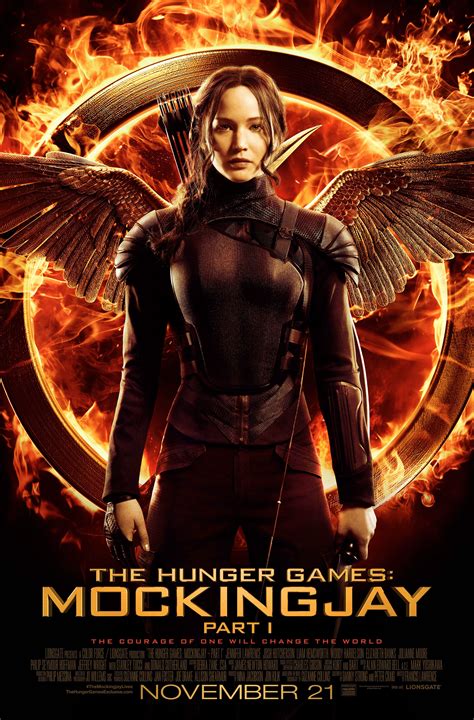
The cinematic adaptation of Suzanne Collins’ bestselling trilogy, The Hunger Games, reached its climax with the release of Mockingjay Part 1 and Part 2. The final installment of the series, Mockingjay, was split into two parts, a decision that sparked debate among fans and critics alike. While some argued that the split was unnecessary and merely a ploy to increase revenue, others saw it as an opportunity to delve deeper into the complexities of the story and its characters.
For those who may be unfamiliar with the series, The Hunger Games is set in a dystopian future where the oppressed Districts are forced to participate in a brutal fight-to-the-death game, known as the Hunger Games, as punishment for a past rebellion against the tyrannical Capitol. The series follows the journey of Katniss Everdeen, the protagonist, who volunteers to participate in the Games in place of her younger sister and becomes the face of the rebellion against the Capitol.
Mockingjay Part 1 focuses on Katniss’ role as the Mockingjay, the face of the rebellion, and her struggles with the moral implications of her actions. The film explores the psychological toll of war on Katniss and those around her, as well as the exploitation of her image for propaganda purposes. One of the most striking aspects of the film is its portrayal of the effects of trauma and PTSD on individuals and society as a whole.
The film’s themes of war, sacrifice, and the cost of rebellion are timely and thought-provoking. The Hunger Games series as a whole has been praised for its ability to spark important conversations about social issues, such as poverty, oppression, and the exploitation of the poor by the wealthy. Mockingjay Part 1 is no exception, tackling complex issues like the morality of war and the impact of trauma on individuals and society.
One of the most significant aspects of Mockingjay Part 1 is its exploration of the media’s role in shaping public opinion and manipulating the narrative. The Capitol’s use of propaganda and manipulation of the media is a stark commentary on the dangers of government control and the importance of a free press. The film highlights the ways in which those in power will stop at nothing to maintain their grip on society, including exploiting and manipulating individuals for their own gain.
Pros of the film's portrayal of war and rebellion:
- Thought-provoking themes that spark important conversations
- Nuanced exploration of the characters and their motivations
- Timely commentary on the dangers of government control and the importance of a free press
Cons of the film's portrayal of war and rebellion:
- Some viewers may find the pacing slow or uneven
- The film's focus on Katniss' emotional journey may detract from the larger story
- The exploitation of Katniss' image for propaganda purposes may be disturbing or triggering for some viewers
In terms of the film’s technical aspects, the cinematography and special effects are noteworthy. The film’s use of color and lighting creates a stark, oppressive atmosphere that reflects the bleakness of the world in which the story is set. The action sequences are intense and well-choreographed, making for a thrilling viewing experience.
Understanding the themes of Mockingjay Part 1:
- War and rebellion: The film explores the moral implications of war and the cost of rebellion
- Trauma and PTSD: The film portrays the psychological toll of war on individuals and society
- Media manipulation: The film highlights the dangers of government control and the importance of a free press
Overall, Mockingjay Part 1 is a thought-provoking and emotionally charged film that sets the stage for the thrilling conclusion of the series. While some viewers may find the pacing slow or uneven, the film’s nuanced exploration of the characters and their motivations, combined with its timely commentary on social issues, make for a compelling and unforgettable viewing experience.
What is the main theme of Mockingjay Part 1?
+The main theme of Mockingjay Part 1 is the exploration of the moral implications of war and rebellion, as well as the psychological toll of trauma on individuals and society.
How does the film portray the media’s role in shaping public opinion?
+The film portrays the media’s role in shaping public opinion as a powerful tool for manipulation and control. The Capitol’s use of propaganda and manipulation of the media is a stark commentary on the dangers of government control and the importance of a free press.
What are some of the key differences between the book and film adaptations of Mockingjay?
+Some of the key differences between the book and film adaptations of Mockingjay include the level of detail and backstory provided, as well as the pacing and tone of the story. The film adaptation also expands on certain characters and plotlines not fully explored in the book.