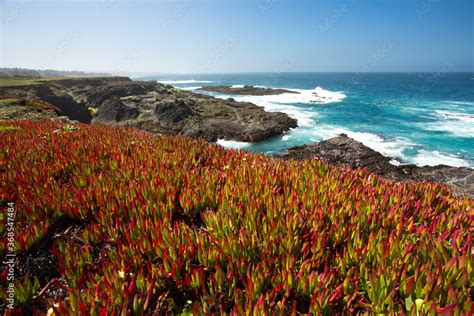
The ice plant, also known as Delosperma or Mesembryanthemum, is a type of succulent that has become a ubiquitous sight in California, particularly in coastal areas and along highways. Native to South Africa, this plant was introduced to California as an ornamental species, valued for its vibrant flowers, low maintenance requirements, and ability to thrive in poor soil conditions.
Initially, the ice plant was seen as a beneficial addition to the California landscape, providing a durable and attractive groundcover that could help prevent soil erosion. However, over time, concerns have grown about the plant’s invasive potential and its impact on native ecosystems. In this article, we will delve into the history of the ice plant in California, its advantages and disadvantages, and the ongoing efforts to manage its spread and mitigate its effects on the environment.
History of the Ice Plant in California
The ice plant was first introduced to California in the early 20th century, as part of a broader effort to develop new ornamental plants for the state’s gardens and landscapes. The plant’s popularity grew rapidly, thanks to its ease of care, vibrant flowers, and ability to thrive in a wide range of conditions. By the 1960s and 1970s, the ice plant had become a common sight in California, particularly in coastal areas where it was used to stabilize soil and prevent erosion.
However, as the plant’s popularity grew, so did concerns about its potential to outcompete native species and alter ecosystems. In the 1980s and 1990s, studies began to emerge highlighting the ice plant’s invasive potential, including its ability to form dense mats that could crowd out native vegetation and alter soil chemistry. Today, the ice plant is recognized as a non-native invasive species in California, and efforts are underway to manage its spread and mitigate its impacts on the environment.
Advantages and Disadvantages of the Ice Plant
While the ice plant has been widely criticized for its invasive potential, it also has several advantages that have contributed to its popularity. Some of the key benefits of the ice plant include:
- Low maintenance requirements: The ice plant is highly drought-tolerant and requires minimal care, making it an attractive option for landscapes and gardens.
- Soil stabilization: The plant’s deep roots and dense foliage make it effective at preventing soil erosion and stabilizing soil on steep slopes.
- Vibrant flowers: The ice plant produces vibrant, daisy-like flowers in a range of colors, including pink, yellow, and white.
However, the ice plant also has several disadvantages, including:
- Invasive potential: The plant can outcompete native species and alter ecosystems, leading to a loss of biodiversity and ecosystem function.
- Water consumption: While the ice plant is drought-tolerant, it still requires some water to thrive, which can be a concern in water-scarce regions.
- Soil alteration: The plant’s dense mats can alter soil chemistry and structure, leading to changes in ecosystem function and potentially harming native species.
Managing the Spread of the Ice Plant
Efforts are underway to manage the spread of the ice plant in California and mitigate its impacts on the environment. Some of the strategies being used include:
- Removal and replacement: In areas where the ice plant has become established, efforts are being made to remove the plant and replace it with native species.
- Physical barriers: Physical barriers, such as fencing or landscape fabric, can be used to prevent the ice plant from spreading into new areas.
- Biological control: Researchers are exploring the use of biological control methods, such as introducing natural predators or competitors, to control the ice plant’s spread.
What are some alternatives to the ice plant for landscaping and soil stabilization?
+Some alternatives to the ice plant include California native plants, such as coastal sagebrush, California buckwheat, and purple sage. These plants are well-suited to California's climate and can provide similar benefits to the ice plant, including soil stabilization and vibrant flowers.
How can I identify the ice plant in the wild?
+The ice plant can be identified by its thick, fleshy leaves and vibrant, daisy-like flowers. It typically grows in dense mats, and can be found in a range of habitats, including coastal areas, grasslands, and along highways.
What are some potential consequences of the ice plant's invasion in California?
+The ice plant's invasion in California could have a range of consequences, including the loss of native species and ecosystem function, altered soil chemistry and structure, and changes to ecosystem processes, such as fire regimes and nutrient cycling.
In conclusion, the ice plant is a complex and multifaceted species that has both benefits and drawbacks. While it has been widely used as an ornamental plant and for soil stabilization, its invasive potential and impacts on native ecosystems have raised concerns. By understanding the history, advantages, and disadvantages of the ice plant, and by implementing effective management strategies, we can work to mitigate its impacts and protect California’s unique and diverse ecosystems.