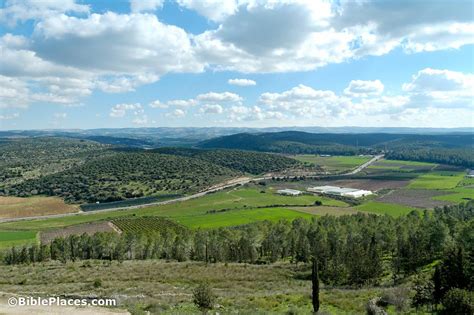
The Valley of Elah, a place of profound historical and biblical significance, lies nestled in the heart of Israel, between the ancient cities of Sokho and Azekah. This verdant valley, known for its lush vineyards and olive groves, has been a silent witness to the rise and fall of civilizations, and its story is etched in the sands of time. The Valley of Elah is perhaps most famously known as the site of the legendary battle between the young shepherd David and the giant Philistine warrior Goliath, a tale that has been passed down through generations, inspiring countless adaptations and interpretations.
To fully grasp the essence of this enigmatic place, it’s essential to delve into its rich historical context. The Valley of Elah is situated in the Shephelah region of Israel, an area known for its strategic importance, as it serves as a natural gateway between the coastal plains and the hill country. This unique geographical positioning has made the valley a coveted prize for various empires and conquerors throughout history, each leaving their indelible mark on the landscape.
One of the most compelling aspects of the Valley of Elah is its connection to the biblical narrative. According to the scripture, it was here that David, armed with nothing but a sling and a stone, faced off against the formidable Goliath, emerging victorious against all odds. This epic confrontation has become an enduring allegory for the triumph of faith and determination over seemingly insurmountable challenges. The story’s timeless appeal lies in its ability to resonate with people from all walks of life, transcending cultural and religious boundaries.
Beyond its biblical significance, the Valley of Elah holds a special place in the annals of archaeology. Excavations in the area have uncovered a wealth of artifacts, shedding light on the lives of the people who once inhabited this fertile land. From ancient pottery to intricately crafted coins, each discovery has helped piece together the puzzle of the valley’s past, revealing a complex tapestry of cultures and traditions.
For travelers and adventurers, the Valley of Elah offers a unique opportunity to step into the shoes of history. A visit to this captivating place allows one to walk along the same paths as biblical figures, to breathe in the air of a bygone era, and to connect with the land on a deeply personal level. The valley’s tranquil beauty, juxtaposed with its tumultuous past, serves as a poignant reminder of the transience of human endeavor and the enduring power of nature.
In exploring the Valley of Elah, one cannot help but ponder the myriad lessons it offers. This ancient landscape, with its stories of triumph and defeat, of faith and perseverance, serves as a mirror to our own lives. It reminds us that even in the face of daunting challenges, courage and conviction can lead to victory, and that the passage of time, while it may erase the physical traces of our existence, cannot diminish the impact of our actions on the world.
In conclusion, the Valley of Elah stands as a testament to the complex interplay between history, culture, and the human spirit. Its story, woven from the threads of myth and reality, continues to captivate and inspire, offering a profound reflection on our shared human experience. Whether viewed through the lens of history, religion, or personal exploration, the Valley of Elah remains an enigmatic and captivating destination, a place where the past and present converge in a dance of timeless significance.
Historical Evolution of the Valley of Elah
The historical evolution of the Valley of Elah is a tale of conquests and migrations, of the rise and fall of empires, and of the relentless pursuit of human settlement and advancement. From the earliest recorded times, the valley has been a prized possession, its fertile soils and strategic location making it a coveted asset for any power seeking to expand its dominion.
Early Settlements
The earliest evidence of human activity in the Valley of Elah dates back to the Bronze Age, with archaeological findings indicating a thriving agricultural community. The valley’s natural resources, including its limestone-rich soil and abundance of water, made it an ideal location for the cultivation of crops and the rearing of livestock.
Philistine and Israelite Presence
The arrival of the Philistines in the 12th century BCE marked a significant turning point in the valley’s history. This Indo-European people, known for their advanced military tactics and technological prowess, established a series of city-states along the coastal plains of Israel, with the Valley of Elah serving as a critical buffer zone between their territories and those of the Israelites.
The biblical account of David and Goliath is set against this backdrop of Philistine-Israelite conflict, with the valley becoming a battleground for control of the region. The Israelite victory, led by David, was a pivotal moment in the consolidation of Israelite power, paving the way for the establishment of Jerusalem as the capital of a unified Israelite kingdom under King David.
Roman and Byzantine Periods
The Roman conquest of Israel in 63 BCE brought the Valley of Elah under Roman rule, with the valley being incorporated into the Roman province of Judaea. During this period, the valley continued to flourish, with the Romans introducing new agricultural practices and infrastructure that further enhanced the valley’s productivity.
The Byzantine period, which followed the Roman, saw the valley become an important center for Early Christianity. The construction of churches and monasteries throughout the valley reflects the significant role it played in the spread of Christianity throughout the region.
Comparative Analysis: The Valley of Elah in Context
When comparing the Valley of Elah to other historical and biblical sites, several distinct features emerge. Unlike the dry, arid landscapes often associated with biblical narratives, the Valley of Elah is characterized by its lush vegetation and fertile soils, making it a unique and vibrant setting for the stories that unfold within it.
Moreover, the valley’s strategic location at the crossroads of ancient trade routes positions it as a nexus of cultural and economic exchange, influencing the development of the region in profound ways. This blend of natural abundance and geopolitical significance makes the Valley of Elah a compelling subject for study, offering insights not only into the biblical narrative but also into the broader dynamics of human history and culture.
Future Trends Projection: The Enduring Significance of the Valley of Elah
As the world continues to evolve, the Valley of Elah remains a place of enduring significance, its story a powerful reminder of the human experience. In an era marked by rapid change and technological advancement, the valley serves as a living connection to our past, a testament to the timeless themes of faith, perseverance, and the indomitable human spirit.
Looking to the future, the Valley of Elah is poised to continue playing a vital role in the cultural, religious, and historical landscape of Israel and the world. Efforts to preserve and protect the valley’s natural and archaeological resources will be crucial, ensuring that future generations can experience the beauty and significance of this unique place.
In conclusion, the Valley of Elah stands as a beacon of history, culture, and spirituality, its impact felt across the centuries. As we look to the future, it’s essential that we remember the lessons of the past, drawing upon the valley’s rich heritage to build a brighter, more compassionate world for all.
What is the historical significance of the Valley of Elah?
+The Valley of Elah is historically significant due to its role in the biblical narrative, particularly the story of David and Goliath, and its strategic location, which has made it a focal point for various empires and civilizations throughout history.
What archaeological findings have been discovered in the Valley of Elah?
+Archaeological excavations in the Valley of Elah have uncovered a range of artifacts, including ancient pottery, coins, and the remains of agricultural settlements, providing insights into the lives of the people who once inhabited the valley.
Why is the Valley of Elah important for religious pilgrims?
+The Valley of Elah is a significant pilgrimage site, particularly for Christians and Jews, due to its connection to the biblical narrative and its role in the history of Early Christianity. Visitors come to walk in the footsteps of biblical figures and to experience the spiritual significance of the valley.