

Inch To Mm Chart Easy Overview
A ductwork cfm chart is a handy tool for anyone needing a quick reference on airflow and duct sizing. This guide will cover the basics, showing you how to read and utilize these charts effectively.
The charts provide a simple way to ensure your ductwork is correctly sized and efficient. They offer standard values, but it's worth noting that specific details can vary depending on local standards and your unique project requirements.
Understanding the Ductwork CFM Chart
A ductwork CFM chart is a valuable tool for anyone working with HVAC systems or designing ventilation networks. It provides a quick reference for determining the airflow capacity of different duct sizes and configurations. This chart is a handy guide to ensure your system's efficiency and performance.
Key Details and Units
The ductwork CFM chart typically displays two main categories: duct sizes and their corresponding CFM (Cubic Feet per Minute) ratings. Duct sizes are often given in inches or as a diameter, and the CFM rating indicates the volume of air that can pass through the duct per minute. It's essential to note that these charts are usually based on specific standards, such as the American Society of Heating, Refrigerating, and Air-Conditioning Engineers (ASHRAE) guidelines.
Reading and Applying the Chart
Here's a step-by-step guide on how to use the ductwork CFM chart:
- Identify the duct size you are working with. This could be the diameter or a specific size code.
- Locate the corresponding CFM rating on the chart. The rating will tell you the maximum airflow capacity for that duct size.
- Ensure you are using the correct standard. Different regions and organizations may have slightly varying charts, so double-check to avoid errors.
- If needed, convert the CFM rating to other units like liters per second or m³/h using conversion factors.
- Apply this information to your system design or troubleshooting. For instance, you can calculate the total airflow required for a space and then select the appropriate duct sizes based on the chart.
Variations and Differences
While ductwork CFM charts are incredibly useful, it's important to understand that variations can occur due to several factors:
- Different standards and organizations may have slight variations in their charts. Always refer to the relevant standard for your project.
- The chart's accuracy assumes ideal conditions. Real-world factors like duct friction, bends, and fittings can affect actual airflow.
- The chart might not cover every possible duct size or configuration. In such cases, you may need to interpolate values or consult more specialized charts.
- Duct sizing guides and air flow rate charts can provide additional context and help you make informed decisions.
Remember, the ductwork CFM chart is a practical tool, but it's essential to consider the specific context and potential variations to ensure accurate system design and performance.
Hey there, ductwork enthusiasts! We hope this guide has given you a clear understanding of the ductwork CFM chart and its practical applications. Remember, while the basics remain consistent, the exact details can vary slightly depending on the specific context and standards you're working with.
Feel free to explore our other guides for more insights into the fascinating world of HVAC and its many components. We've got plenty of resources to keep you informed and inspired!
Related: Get the Right Rug Size: A Clear Chart Guide
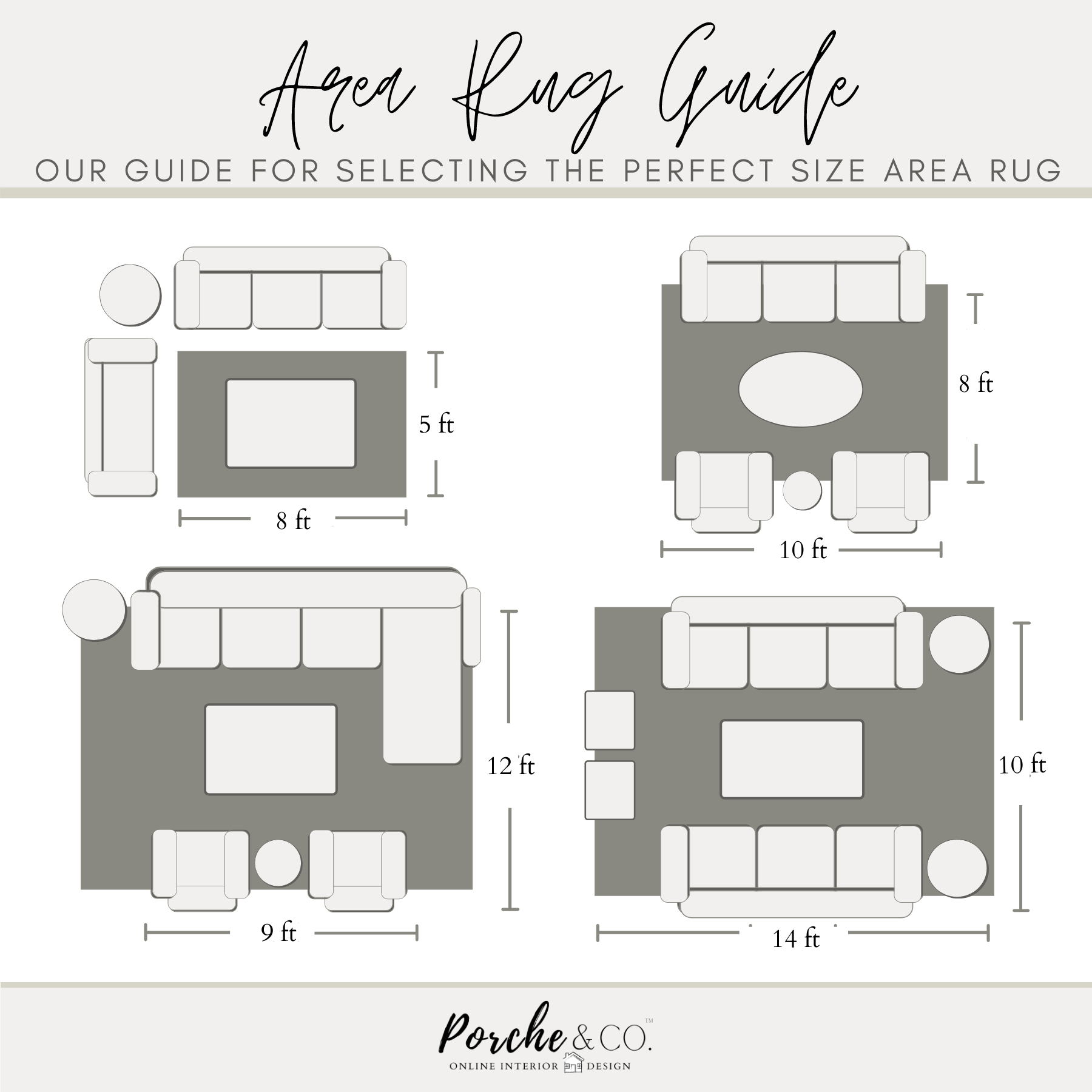
Many folks assume that a rug size chart is an exact science, with one standard size fitting all rooms. However, it's actually a flexible tool, offering a range of options to suit your space. A quick glance at this chart will show you the variety of rug sizes available, and it's an easy way to visualize how different dimensions can work in your home. Whether you're after a rug size guide, carpet dimensions, or floor covering measurements, this chart is a simple, effective starting point.
Understanding the Chart: A Quick Overview
A rug size chart is a handy tool to help you choose the right rug for your space. It provides a visual representation of standard rug sizes, making it easy to visualize and compare different dimensions. This chart is a practical guide for anyone looking to add a rug to their home, offering a simple way to ensure the rug fits the intended area perfectly.
Standard vs. Non-Standard Sizes: A Comparison
While most rugs come in standard sizes, there are also non-standard or custom-made options. The rug size chart typically covers a range of common sizes, such as 5x8, 8x10, and 9x12 feet, which are popular choices for various rooms. Non-standard sizes offer more flexibility but may require a bit more effort to find the perfect fit.
Step-by-Step Guide: Using the Chart Effectively
To use the rug size chart accurately, follow these simple steps:
- Identify the area you want to cover with the rug. Measure the length and width of this space to get an idea of the rug size you need.
- Refer to the chart and locate the closest standard size that fits your measurements. For example, if your space is 6x9 feet, a 5x8 or 8x10 rug might be suitable.
- Consider the layout and furniture arrangement. The chart provides a guide, but you may need to adjust based on your specific room setup.
- Take note of the rug's shape. Some charts also indicate whether the rug is rectangular, square, or runner-shaped, helping you choose the right fit for your space.
Common Misreadings and How to Avoid Them
One common mistake is assuming that the chart provides exact measurements for every rug. While it offers a great starting point, it's important to remember that rug sizes can vary slightly. Always double-check the exact dimensions of the rug you're interested in to ensure a perfect fit. Another potential pitfall is ignoring the scale of the room. A large rug in a small room can make the space feel cramped, so always consider the overall balance and proportion.
Key Factors Affecting Accuracy and Real-World Use
- Room Size: The size of the room plays a crucial role in choosing the right rug. A larger room can accommodate bigger rugs, while smaller spaces may require more careful consideration to avoid overcrowding.
- Furniture Arrangement: The placement of furniture can impact the rug size and shape needed. Consider leaving a border of floor space around the rug to create a balanced look.
- Rug Shape: Different shapes, like runners or round rugs, serve specific purposes and fit different spaces. The rug size chart often includes these variations to guide your selection.
- Tolerances: Rug sizes can have slight variations, so it's essential to check the manufacturer's specifications to ensure the rug meets your expectations.
Adapting the Chart: Choosing the Right Format
The rug size chart can be adapted to suit your needs. If you're looking for a specific size, some charts offer a search function or filters to narrow down options. Additionally, metric and imperial measurements are often available, catering to different regions and preferences. For unique spaces, consider using a custom rug size chart or consulting an expert to ensure a perfect fit.
Well, there you have it! A comprehensive guide to rug size charts and their practical uses. We've covered a lot of ground, from understanding the different options to avoiding common pitfalls.
Remember, when it comes to choosing the right rug size, it's essential to consider your unique space and needs. So, take a moment to double-check your measurements and specific requirements before making any final decisions. This guide should be a handy reference, but it's always good to ensure you've got the right fit for your room.
Consider bookmarking this page for future rug adventures; you never know when you might need a quick refresh on finding the perfect rug size!
Related: Understand Chicos Size Charts Easily
Many folks assume that chicos size charts are a one-size-fits-all deal, but that's a common misconception. These charts are actually tailored to the brand's unique sizing system, which can vary from other standard measurements.
So, while it's a simple reference tool, understanding how to read and interpret chicos size charts accurately is key to getting the perfect fit. It's all about knowing your measurements and finding the right correlation on the chart.
Understanding the Chicos Size Chart
The chicos size chart is a handy tool to help you find your perfect fit when shopping for clothing. It provides a clear guide to the standard measurements used by Chicos, ensuring you can easily navigate their sizing system. This chart is a great reference, especially when shopping online, as it gives you an accurate idea of the sizes available and how they correspond to your own measurements.
Comparing Size Chart Standards
Chicos' size chart follows a standard format, typically based on US sizing, which is widely used in North America. This chart provides measurements for various body parts, including bust, waist, hips, and inseam, to ensure a precise fit. It's important to note that while US sizing is common, other regions may use different standards, such as metric or European sizing. So, if you're used to a different system, it's a good idea to double-check the specific measurements and conversions.
Measuring Yourself for Accurate Sizing
To use the chicos size chart effectively, you'll need to take some key measurements. Here's a step-by-step guide:
- Bust: Measure around the fullest part of your bust, keeping the tape measure parallel to the floor.
- Waist: Measure your natural waistline, usually just above the belly button.
- Hips: Find the widest part of your hips and measure around, ensuring the tape is level with the floor.
- Inseam: For pants and jeans, measure from your crotch to the desired pant length.
Once you have these measurements, you can refer to the size chart and find the closest match. The chart will provide a range of measurements for each size, so you can choose the one that best fits your body.
Common Misreadings and How to Avoid Them
One common mistake is assuming that all clothing brands use the same size standards. While Chicos' size chart is a great guide, it's always a good idea to check the specific brand's size guide, especially if you're a regular customer. Another pitfall is measuring yourself incorrectly. Ensure you're measuring the right body parts and following the guidelines accurately. Finally, don't forget that sizing can vary slightly between different styles and fabrics, so always check the product details for any specific size notes.
Hey there, we hope you found this guide helpful and that it's now easier to navigate the world of Chicos size charts. Remember, while we've covered the basics, exact details might differ slightly, so always double-check with the brand's guidelines or consult our other guides for more specific info.
Consider bookmarking this page for future reference; it's a handy tool to have at your fingertips when you need to quickly look up those size charts!