



Infant Poop Chart Blank Overview
Many people approach the Levis size chart with a bit of trepidation, assuming it's a complex and confusing tool. However, it's actually a straightforward guide that can make finding your perfect fit a breeze. The chart, often accompanied by a sizing guide, provides a clear and visual representation of Levis' sizing system, ensuring you can easily navigate the brand's unique sizing standards. It's a simple reference, yet a powerful tool when you understand its layout and key measurements, such as waist size and inseam length.
Understanding the Levis Size Chart
The Levis size chart is a valuable tool for anyone looking to find their perfect fit in Levis jeans. It provides a clear and standardized guide to help you determine your size based on key body measurements. This chart ensures a consistent sizing experience across Levis products, making it easier to shop with confidence.
Key Details and Categories
The Levis size chart typically includes measurements for waist size, hip size, and inseam length. These measurements are crucial in determining the right fit for your body. The chart provides a range of sizes, usually in inches or centimeters, depending on the standard being used. For example, the waist size may be listed in inches, while the inseam length is given in centimeters. It's important to note that these measurements are specific to Levis products and may differ from other brands' sizing guides.
How to Read and Apply the Chart
To use the Levis size chart accurately, follow these steps:
- Measure your waist size: Use a measuring tape to find the circumference of your waist, ensuring the tape is parallel to the floor. This measurement should be taken at the point where you would normally wear your jeans.
- Determine your hip size: Measure the fullest part of your hips, again keeping the tape parallel to the floor. This measurement is crucial for a comfortable and flattering fit.
- Check your inseam length: Measure the length from your crotch to the point where you want your jeans to end. This measurement ensures the jeans have the desired length and fit.
- Refer to the Levis size chart: Locate your waist and hip measurements on the chart. The intersection of these measurements will give you your size. For example, if your waist is 32 inches and your hip measurement is 40 inches, you would look for the size that corresponds to these dimensions.
- Consider the style: Different Levis styles may have slightly different fits, so be sure to check the specific style guide for any variations. Some styles may have a slimmer or more relaxed fit, impacting the overall sizing.
Variations and Differences
It's important to note that sizing can vary across different standards and regions. Levis, like many clothing brands, may have slight variations in their size charts depending on the market. Additionally, individual body shapes and preferences can also impact the fit. Some people may prefer a looser or tighter fit, which can influence their size choice. It's always a good idea to refer to the brand's size guide and consider any style-specific notes.
Common Mistakes and How to Avoid Them
- Not measuring accurately: Ensure you follow the correct measuring techniques to get precise measurements. Inaccurate measurements can lead to an incorrect size choice.
- Ignoring style-specific guides: Different Levis styles may have unique fits. Always check the style guide to ensure you're choosing the right size for the style you want.
- Relying solely on past purchases: Sizing can change over time, and brands may update their size charts. It's best to measure yourself each time you shop to ensure an accurate fit.
- Assuming one size fits all: Levis offers a range of sizes to accommodate different body types. Don't be afraid to try different sizes to find the perfect fit.
- Neglecting care and maintenance: Proper care and maintenance of your jeans can impact their fit over time. Follow the care instructions to ensure your jeans maintain their shape and size.
Well, there you have it! A comprehensive guide to navigating the world of Levi's size charts. Remember, while this chart provides a solid foundation, exact values can vary, so always double-check your specific needs and requirements.
Consider bookmarking this page for future reference; it's a handy tool to have at your fingertips when you need to quickly find the right size. Stay stylish and confident, and happy sizing!
Related: Cat Poop Chart: Your Quick Reference Guide
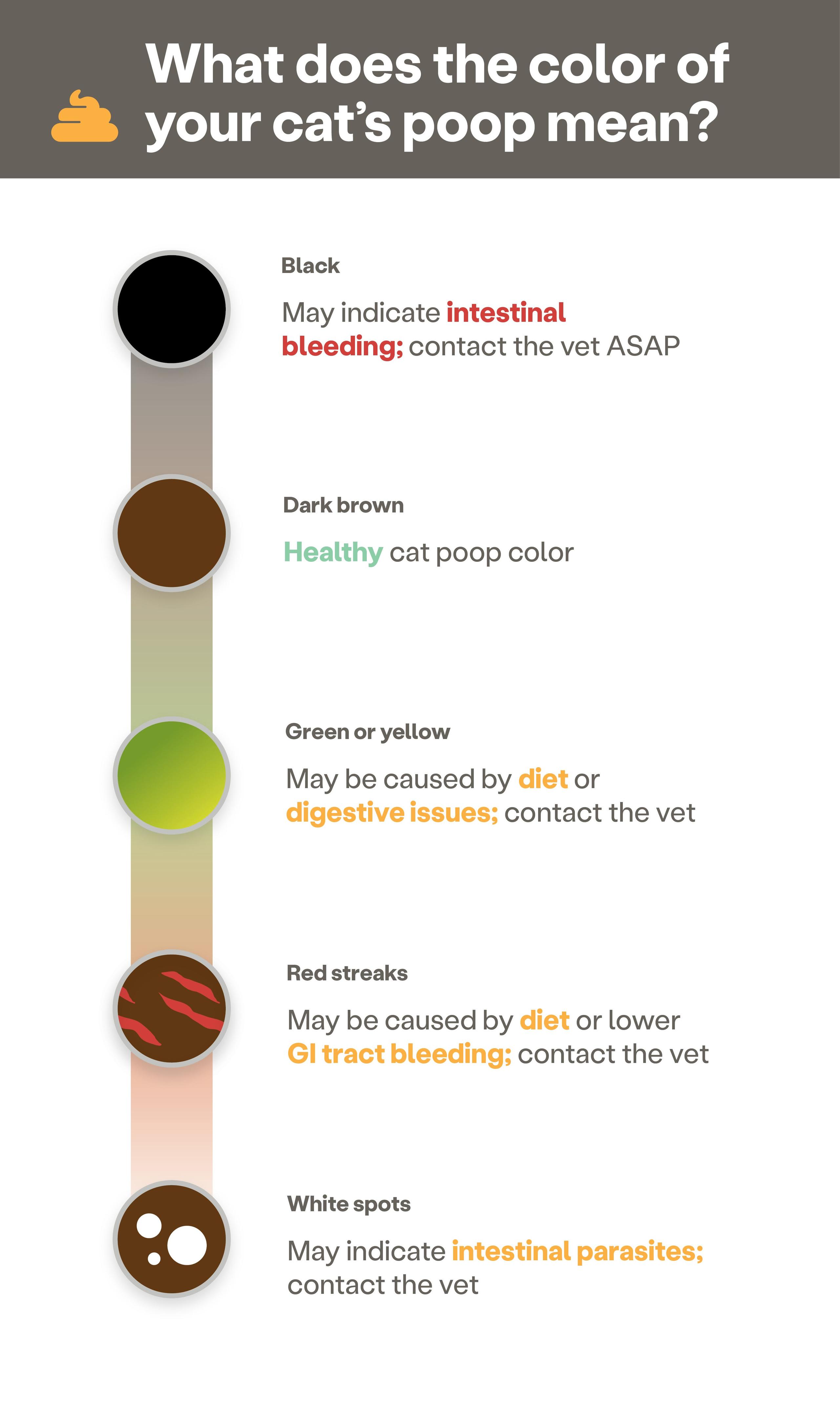
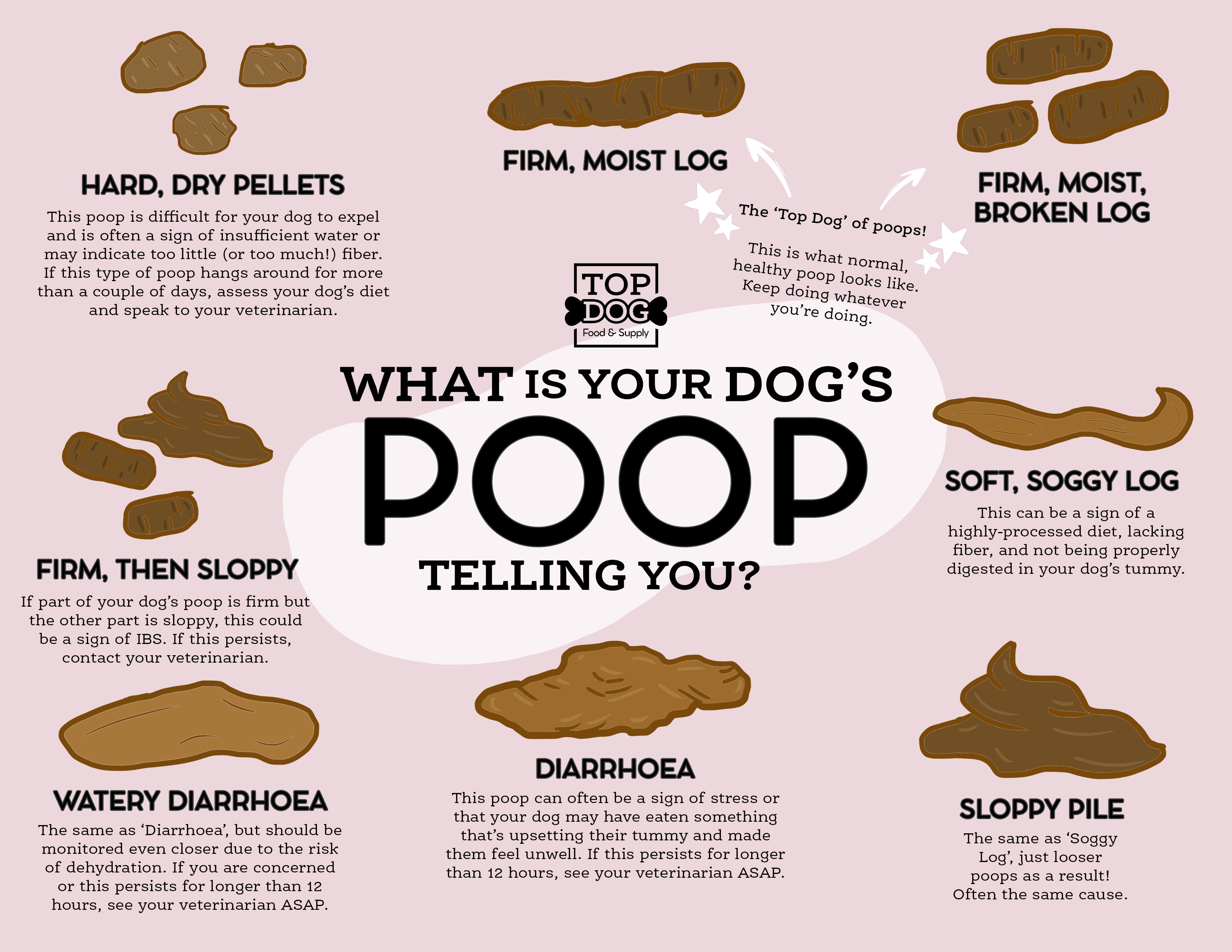
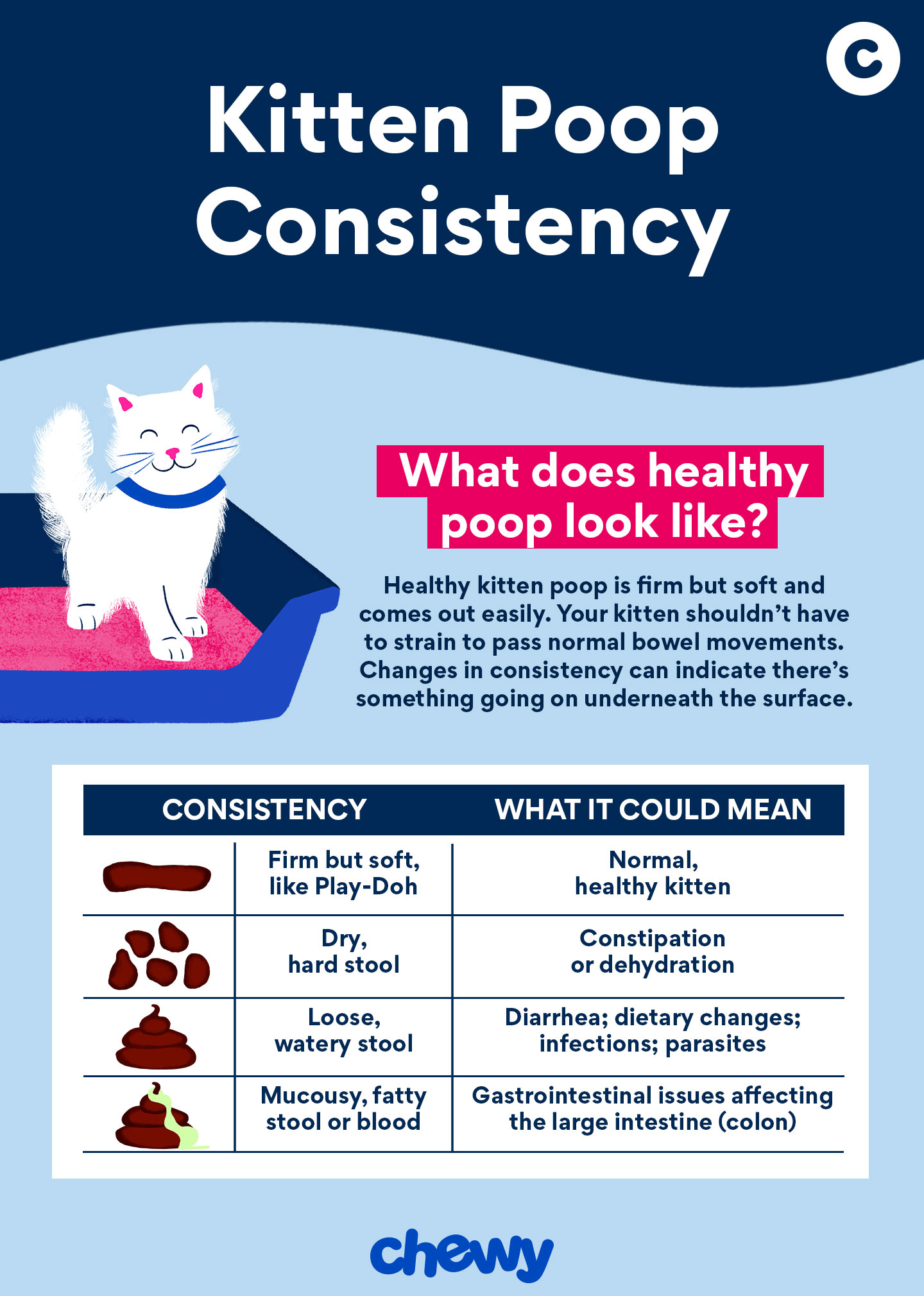
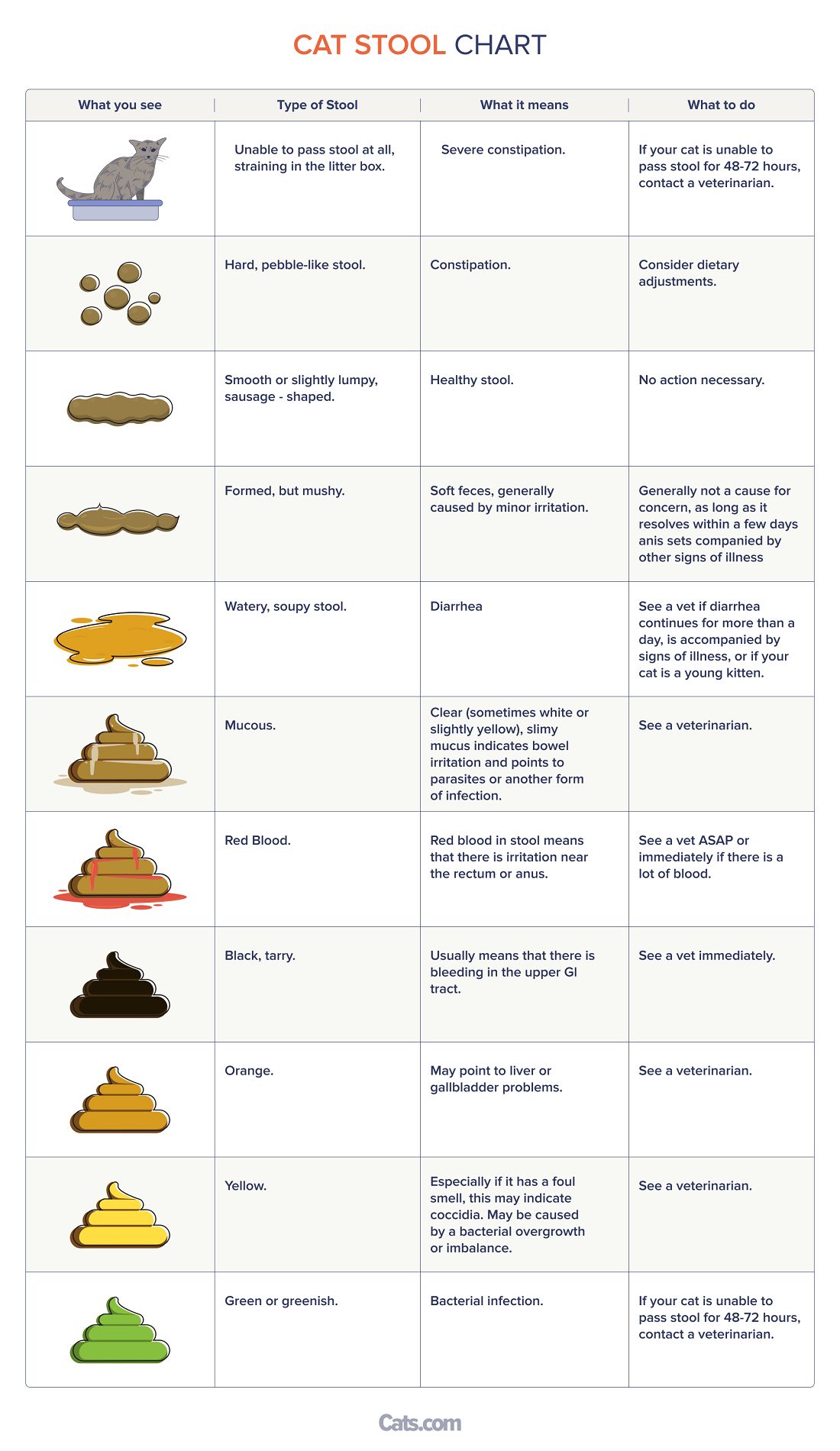
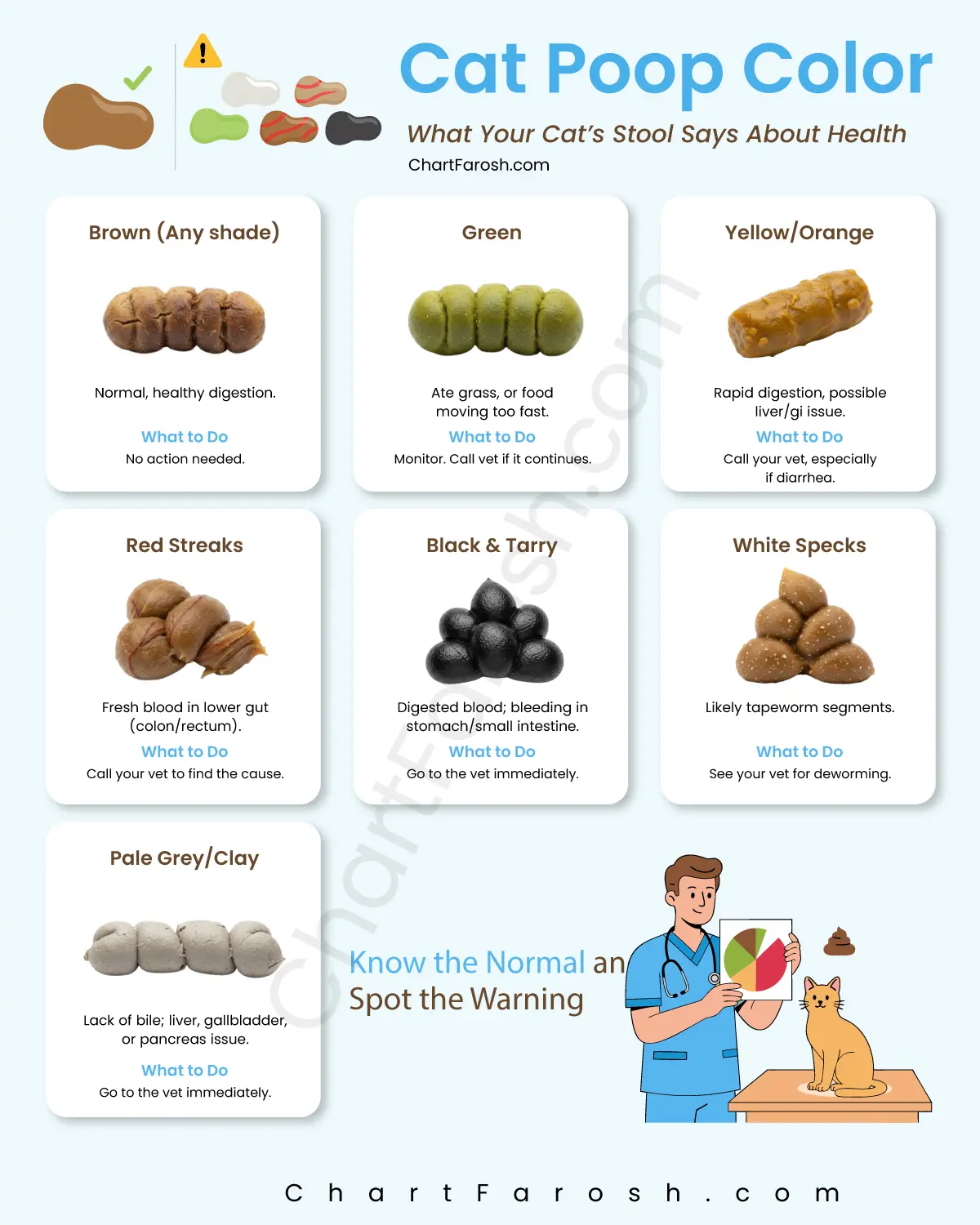
You're likely here because you've heard of the cat poop chart and are curious about what it entails. Perhaps you're a pet owner seeking a quick reference guide to understand your cat's health or maybe you're a veterinary professional looking for a reliable tool. This chart, also known as the feline stool scoring system, offers a simple yet effective way to monitor a cat's well-being. It provides a visual representation, often with a color-coded guide, to assess the consistency and color of cat feces, which can indicate potential health issues. While the specific values and formats may vary, the cat poop chart serves as a valuable resource for anyone seeking a straightforward method to keep an eye on their cat's health.
Understanding the Cat Poop Chart: A Practical Guide
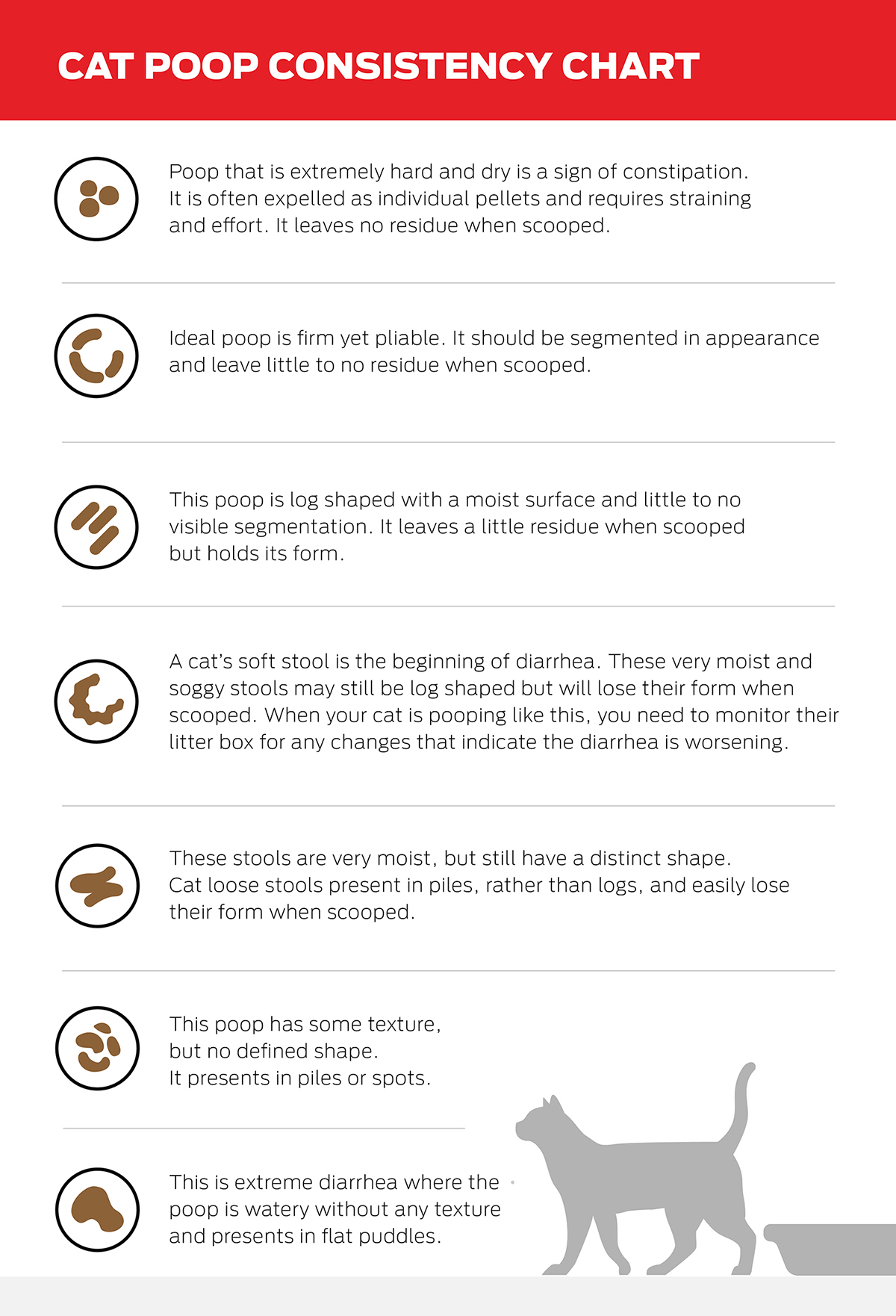
The cat poop chart, also known as the feline stool scoring system, is a valuable tool for cat owners and veterinary professionals. It provides a visual guide to assess the consistency and overall appearance of cat feces, offering insights into a cat's digestive health. This chart is an essential reference for monitoring and maintaining your feline friend's well-being.
Comparing Chart Formats and Standards
There are several versions of the cat poop chart available, each with its own set of categories and standards. The most common formats include a 7-point scale and a 5-point scale. The 7-point scale provides a more detailed assessment, covering a broader range of stool consistencies, from very firm to liquid diarrhea. The 5-point scale is a simplified version, focusing on the key variations in stool appearance. Both formats are widely used and offer accurate assessments when applied correctly.
Step-by-Step Guide to Using the Chart
Using the cat poop chart is a straightforward process:
- Collect a fresh sample of your cat's feces. Ensure it is intact and not contaminated.
- Refer to the chart and identify the closest match to the sample's consistency and appearance.
- Note the corresponding score or category on the chart.
- Interpret the score: a lower score indicates healthier, well-formed stools, while higher scores may suggest digestive issues.
- Repeat this process regularly to monitor any changes over time.
Avoiding Misinterpretations and Pitfalls
While the cat poop chart is a reliable tool, misinterpretations can occur. Here are some common mistakes to avoid:
- Relying solely on color: The chart considers overall consistency and texture, so focus on these aspects rather than just color.
- Ignoring other symptoms: Changes in stool consistency may indicate an underlying issue. Observe your cat for any other signs of illness or discomfort.
- Overinterpreting: Remember, the chart is a guide. If you have concerns, consult a veterinarian for a professional assessment.
Key Factors Affecting Accuracy
Several factors can influence the accuracy of your assessment using the cat poop chart:
- Diet: Changes in your cat's diet can impact stool consistency. Ensure a consistent, high-quality diet to maintain stable results.
- Hydration: Adequate water intake is crucial. Dehydration can lead to firmer stools, so monitor your cat's water consumption.
- Stress and Environment: Stressful situations or changes in the cat's environment can affect digestion. Consider these factors when interpreting the chart.
- Medication: Certain medications may impact stool consistency. Be aware of any recent changes in your cat's medication.
Adapting the Chart for Specific Needs
The cat poop chart can be tailored to specific situations or individual cats. If your cat has unique dietary needs or medical conditions, you may need to adjust the chart's categories or scores. Consult with your veterinarian to determine the most suitable format and interpretation for your cat's specific health needs.
Maintaining Reliable Reference
To ensure the cat poop chart remains a reliable tool, consider the following:
- Regular Updates: Stay informed about any updates or revisions to the chart's standards. Veterinary organizations may release new versions, so keep your reference materials current.
- Consistent Observation: Observe your cat's stool regularly and note any significant changes. This helps you identify trends and potential issues early on.
- Professional Guidance: If you notice persistent changes or have concerns, seek advice from a veterinarian. They can provide expert interpretation and guidance.
By following these practical tips and understanding the key factors, you can effectively utilize the cat poop chart to monitor your cat's digestive health and ensure their overall well-being.
While the cat poop chart offers a valuable and practical tool, it's important to remember that variations can occur. Exact details may differ slightly based on the context and specific guidelines you follow. So, it's always a good idea to refer to reliable sources and adapt the chart to suit your needs.
Feel free to explore other guides and resources on our platform to uncover more helpful insights and practical tools. We've got a range of topics covered, so you can find the information you need with ease.
Related: Understanding Auburn's Depth Chart
If you're here, you're likely seeking a quick reference or a straightforward guide to understanding the depth chart Auburn. This practical tool, often used in sports, provides a visual representation of a team's roster, offering a clear view of player positions and roles. "Depth chart Auburn" can vary in format and detail, but its core purpose remains the same: to provide an at-a-glance overview of the Auburn Tigers roster and starting lineup.
What is a Depth Chart?
A depth chart is a valuable tool used in sports, particularly in American football, to visually represent a team's roster and the hierarchy of players at each position. For Auburn University's football team, the depth chart is an essential reference for coaches, players, and fans alike, offering a clear snapshot of the team's current lineup and player rankings.
Key Details and Categories
The depth chart auburn typically features two main columns: player positions and player names. Positions are organized by offensive and defensive roles, with special teams roles sometimes included. Each position is further divided into tiers, indicating the player's status within that position group. Common tiers include starters, backups, and reserves, with some charts also featuring developmental players or walk-ons.
Reading and Applying the Depth Chart
To read and understand the depth chart auburn, follow these steps:
Start by identifying the position groups. These are typically organized by offense (e.g., quarterback, running back, wide receiver) and defense (e.g., defensive line, linebackers, defensive backs).
Within each position group, look for the players listed under the "Starters" tier. These are the players who are currently expected to start the game.
Below the starters, you'll find the backups and reserves. Backups are often the next in line to replace a starter if needed, while reserves are typically further down the depth chart but still part of the team's roster.
Pay attention to any notes or additional information provided alongside the player names. These notes might indicate injuries, eligibility issues, or other factors that could impact a player's status.
Use the depth chart as a reference when discussing the team's strategy, analyzing player performance, or predicting game outcomes. It provides a snapshot of the team's current strengths and weaknesses at each position.
Variations and Differences
While the basic structure of a depth chart remains consistent, variations can occur across different teams and leagues. For instance, some depth charts may include more detailed information, such as player heights, weights, and jersey numbers. Additionally, the specific position groups and their organization can vary depending on the team's offensive or defensive schemes. It's important to note that depth charts are dynamic and can change frequently due to injuries, player performance, or coaching decisions.
Common Mistakes and How to Avoid Them
One common mistake is assuming that the depth chart is set in stone. It's essential to remember that depth charts are subject to change, especially in the fast-paced world of college football. Coaches may make last-minute adjustments based on game plans or player availability. Therefore, it's crucial to regularly update your knowledge of the depth chart and stay informed about any recent changes.
Practical Tips for Accurate Results
To ensure you're using the depth chart auburn accurately, consider these tips:
Familiarize yourself with the team's roster and player positions. Understanding the basic roles and responsibilities of each position will enhance your ability to interpret the depth chart effectively.
Keep track of any notable injuries or player absences. These factors can significantly impact the depth chart and the team's overall performance.
Stay connected with reliable sources of information, such as official team websites or reputable sports media outlets. These sources often provide the most up-to-date depth charts and player news.
Double-Checking and Handling Exceptions
While the depth chart auburn is a valuable tool, it's important to remember that it represents a snapshot of the team's current lineup. To ensure accuracy, consider the following:
Cross-reference the depth chart with recent game statistics and player performance. This can help you identify any discrepancies or unexpected changes in the lineup.
Be aware of positional flexibility. Some players may be listed at multiple positions on the depth chart, indicating their ability to play different roles. Understanding these flexibilities can provide insights into the team's strategic options.
Stay vigilant for any last-minute changes or surprises. College football games often bring unexpected twists, so it's essential to remain adaptable and informed.
It's always a good idea to familiarize yourself with the depth chart, ensuring you have a solid understanding of the team's structure and dynamics. Remember, while this guide provides a comprehensive overview, every team and context is unique, so be sure to double-check the specifics for your situation.
Consider bookmarking this page for future reference; it's a handy resource to have at your fingertips when you need a quick reminder or a deeper dive into the Auburn depth chart. Happy exploring!