


Infant Poop Chart Sheet Overview
A plot anchor chart is a valuable tool for writers and storytellers, offering a visual roadmap to navigate the intricate journey of crafting a narrative. This guide will provide an overview of these charts, their purpose, and how they can enhance your understanding of story structure.
These charts serve as a reference, presenting the key elements of a plot in a clear and concise manner. While the specific format and content may vary, the plot anchor chart's primary goal remains consistent: to provide a snapshot of the narrative's journey, from its initial spark to its satisfying conclusion.
Plot Anchor Chart: A Visual Guide to Storytelling
The plot anchor chart is a valuable tool for writers and storytellers, offering a visual representation of the key elements that drive a narrative. This chart provides a structured overview, helping to identify and organize the essential components of a story's plot. By using this chart, writers can ensure their stories have a solid foundation and a clear direction.
Common Plot Structures and Their Variations
The plot anchor chart typically presents several common plot structures, such as the three-act structure, the hero's journey, and the five-act structure. Each structure has its own unique flow and emphasis, offering different approaches to storytelling. These structures provide a framework for writers to follow, but they can also be adapted and combined to create unique narratives.
Creating Engaging Narratives: A Step-by-Step Guide
- Start by identifying the main plot points: introduction, rising action, climax, falling action, and resolution. These points form the backbone of your story.
- Use the plot anchor chart to visualize and connect these plot points, ensuring a logical flow and building tension.
- Add depth to your narrative by incorporating subplots and character arcs. These elements enrich the story and provide opportunities for character development.
- Consider the pacing and intensity of your story. Adjust the placement and emphasis of plot points to create a balanced and engaging narrative.
- Review and refine your story structure, ensuring it aligns with your chosen plot structure and meets the expectations of your audience.
Avoiding Common Misreadings and Pitfalls
While the plot anchor chart is a powerful tool, it's important to remember that it is a guide, not a strict formula. Misinterpreting the chart can lead to stories that feel formulaic or lack originality. To avoid this, ensure you understand the underlying principles and use the chart as a flexible framework. Adapt it to your story's needs and don't be afraid to deviate from the standard structures if it serves your narrative better.
Factors Affecting Accuracy and Real-World Application
The accuracy of the plot anchor chart depends on several factors. Firstly, the chart's effectiveness varies depending on the complexity of the story and the writer's experience. More intricate stories may require a deeper understanding of narrative techniques. Additionally, the chart's applicability can differ based on the genre and target audience. What works for a thriller might not suit a romantic comedy. It's crucial to consider these factors and tailor your story's structure accordingly. Always refer to established narrative techniques and seek feedback to refine your story's structure and ensure its impact.
While the specifics of your plot anchor chart may differ slightly based on your unique needs and the standards or sources you follow, the key elements and steps outlined in this guide should provide a solid foundation. Remember, having a well-organized reference like this can make a world of difference in your work, ensuring clarity and consistency.
Feel free to bookmark this page for future reference, and explore our other guides for more practical tips and insights. We aim to provide straightforward, helpful resources, so you can always find the information you need, when you need it.
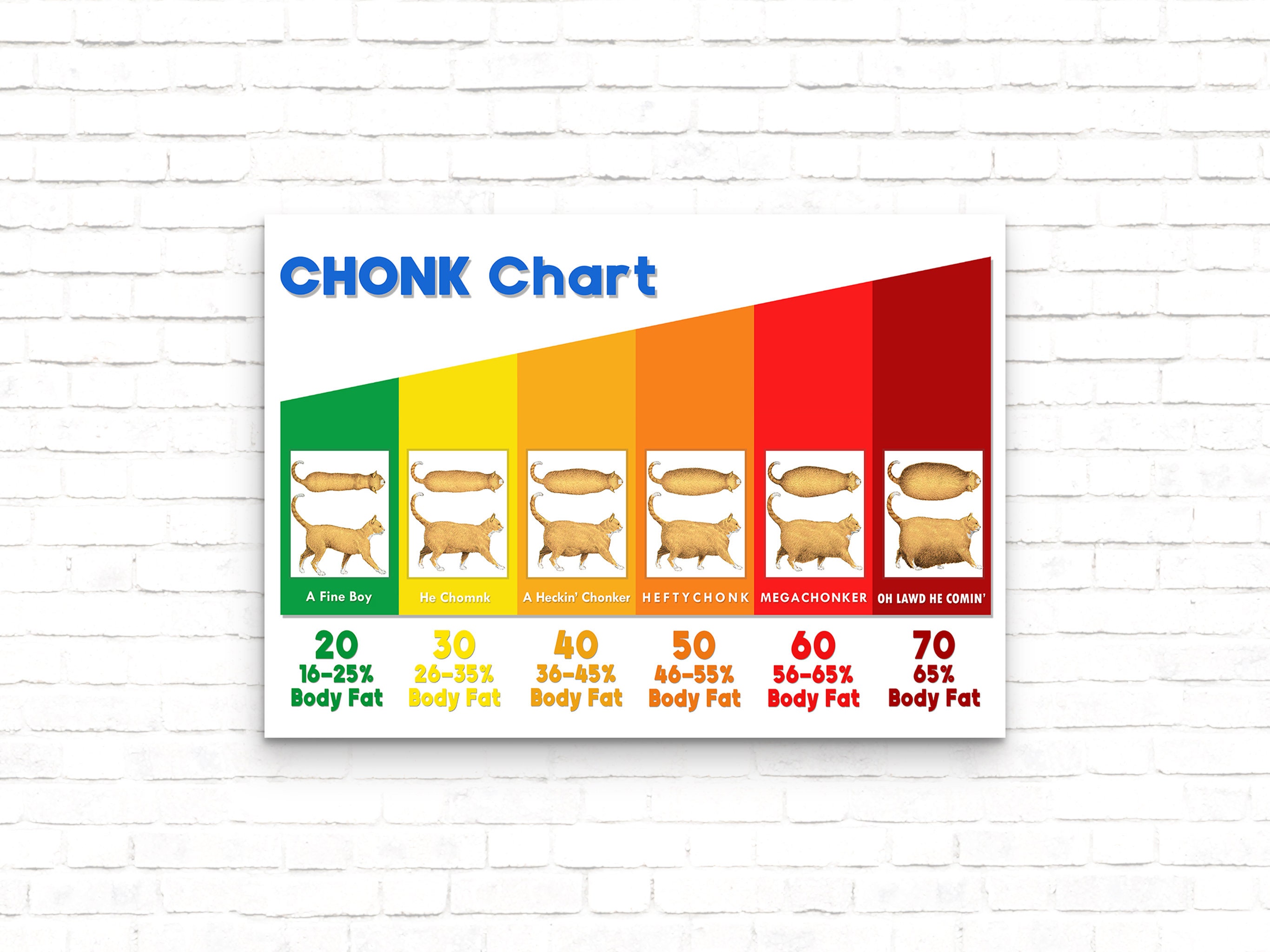
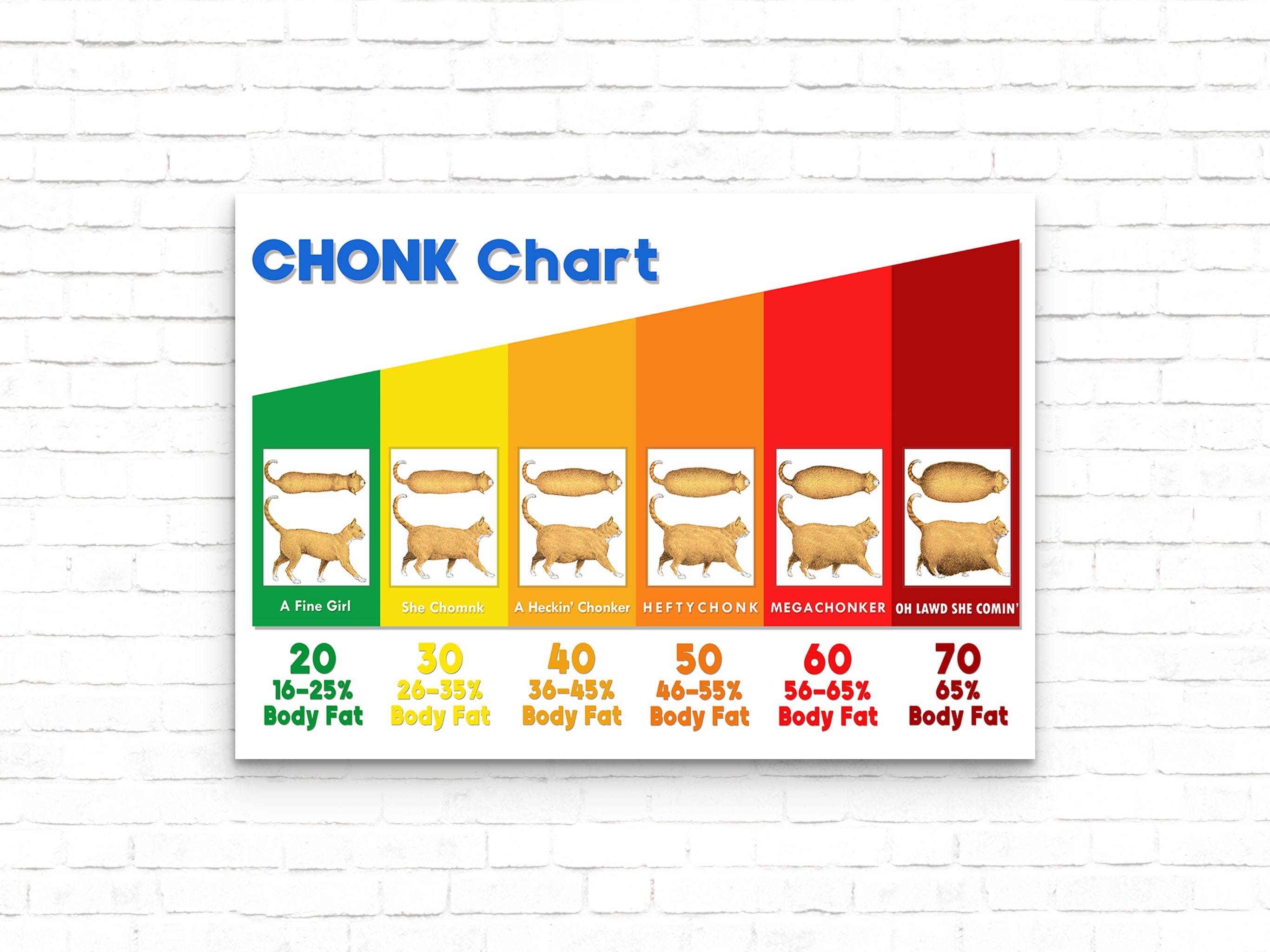
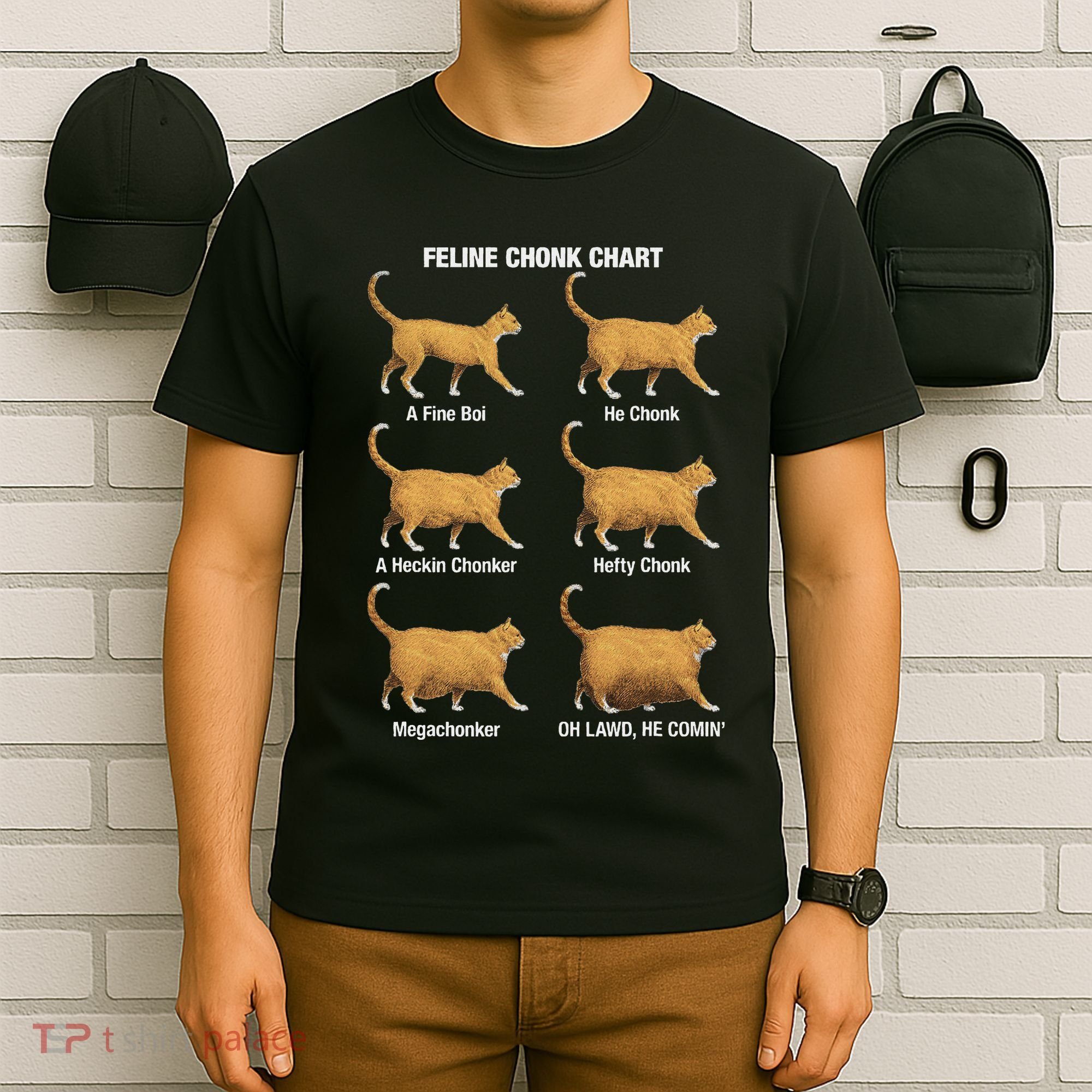
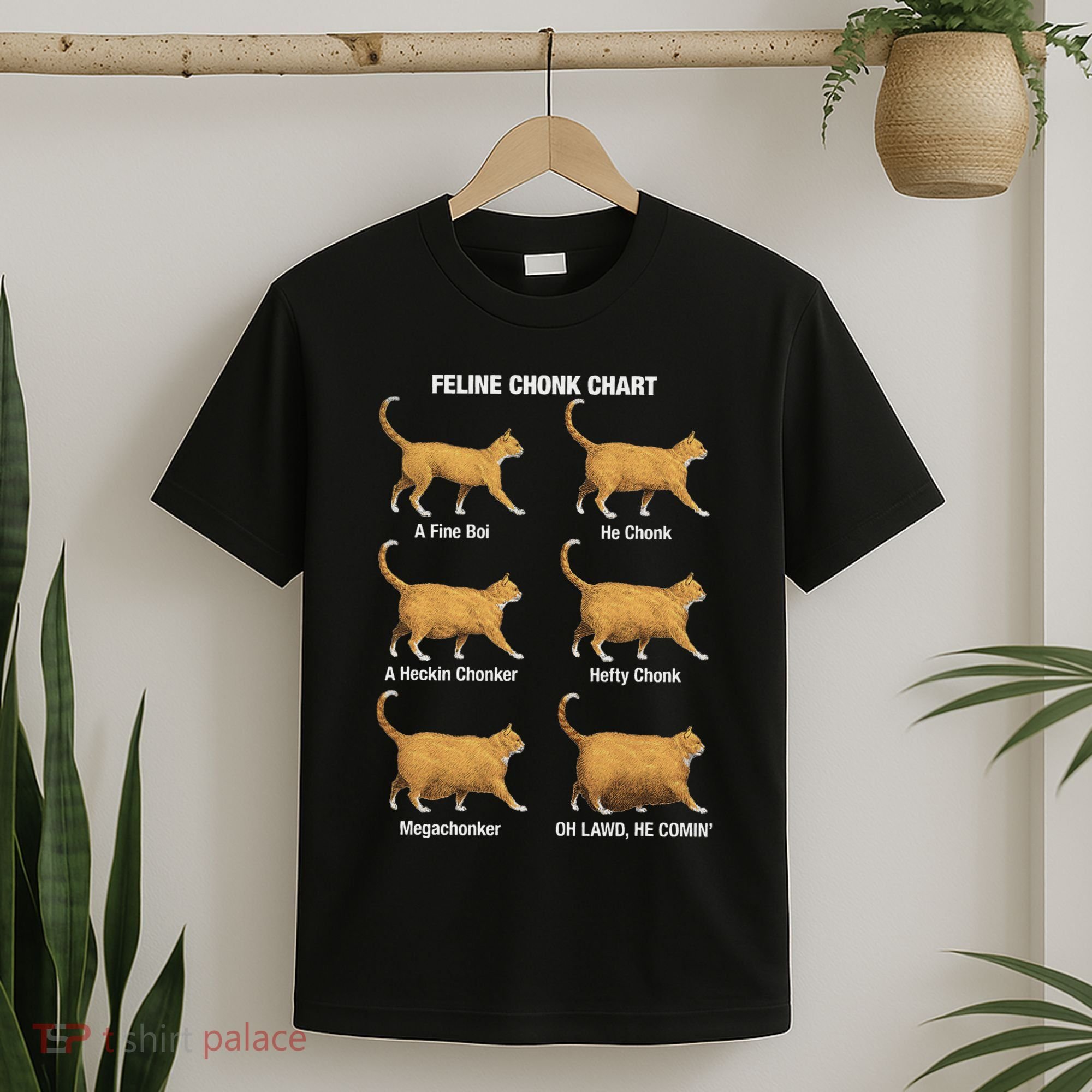
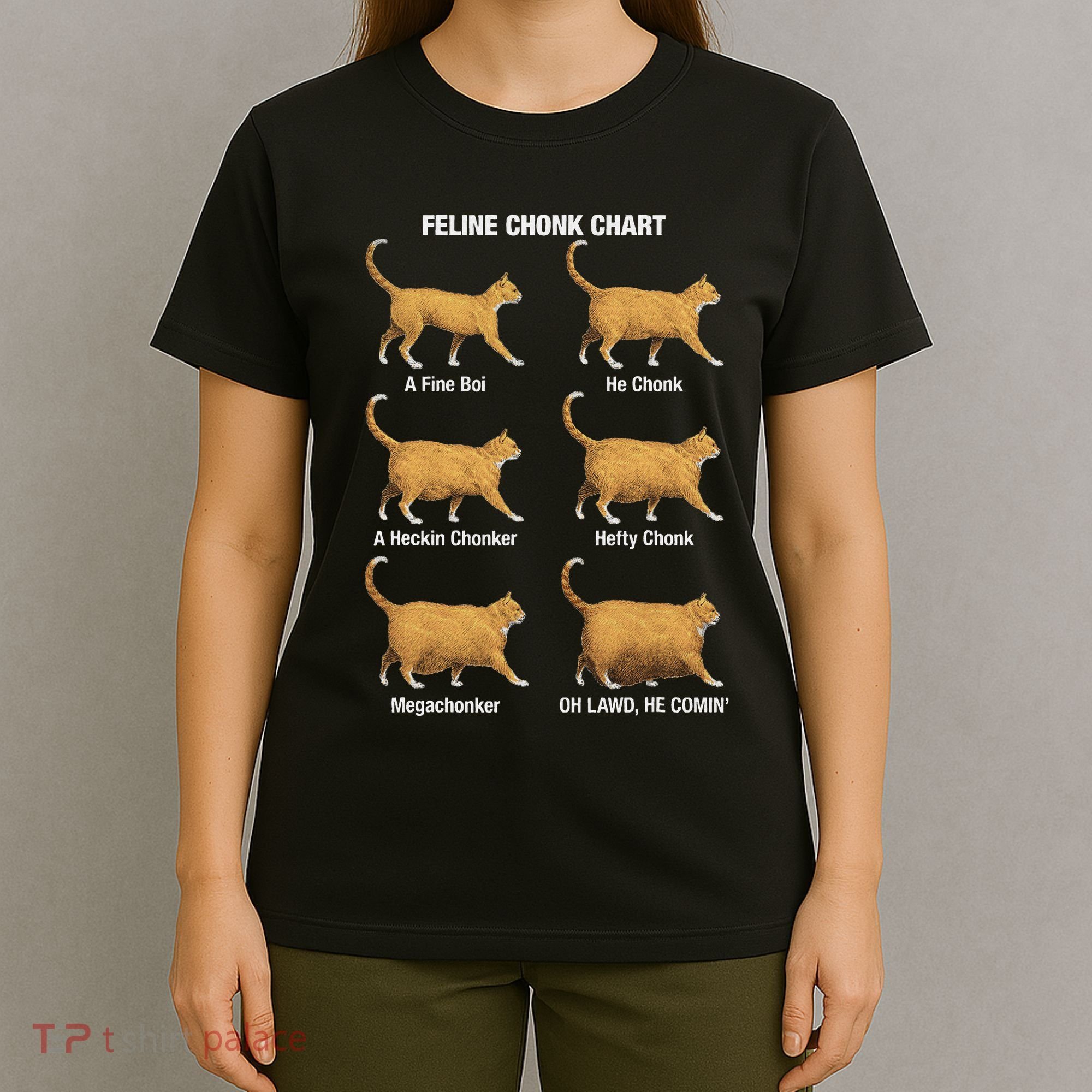
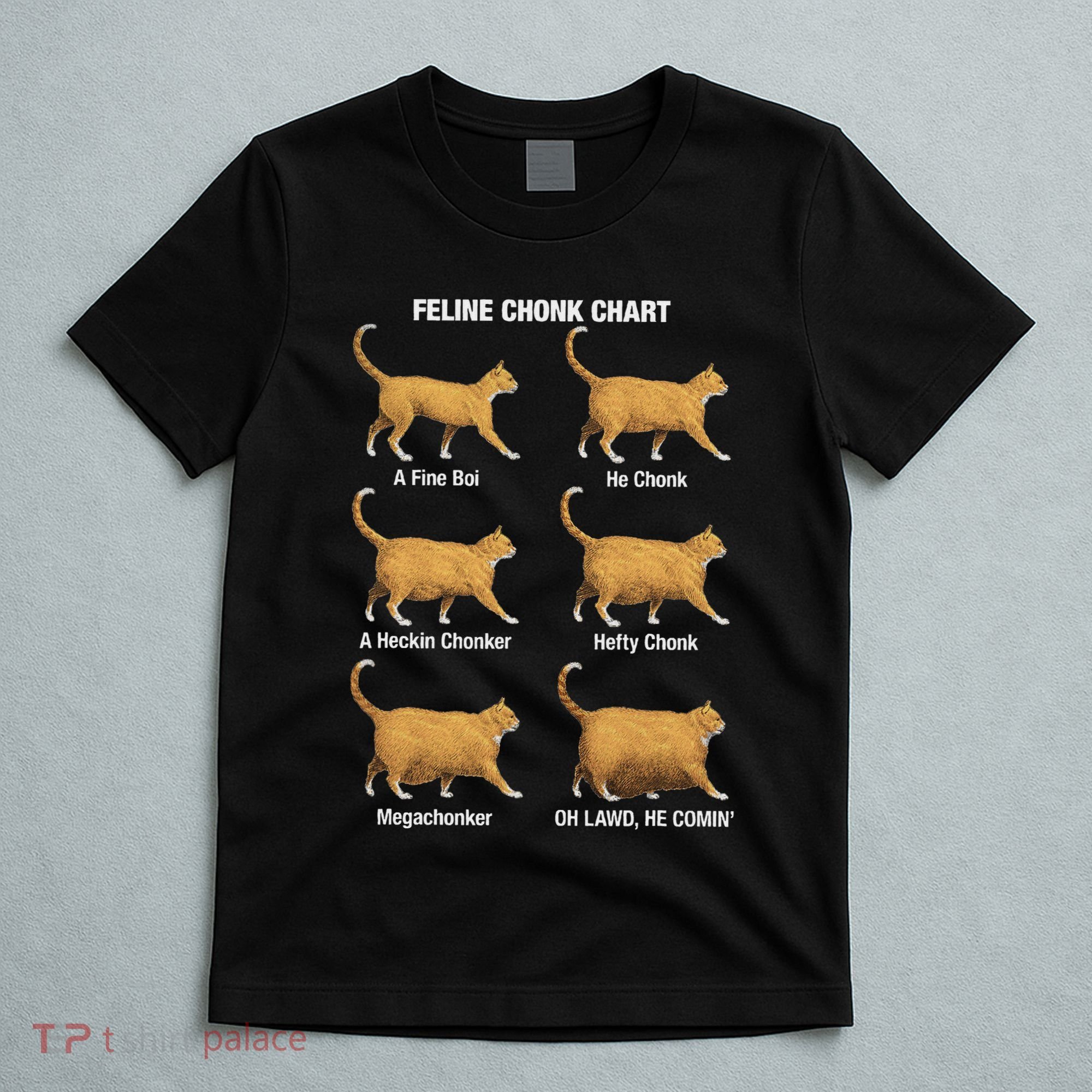
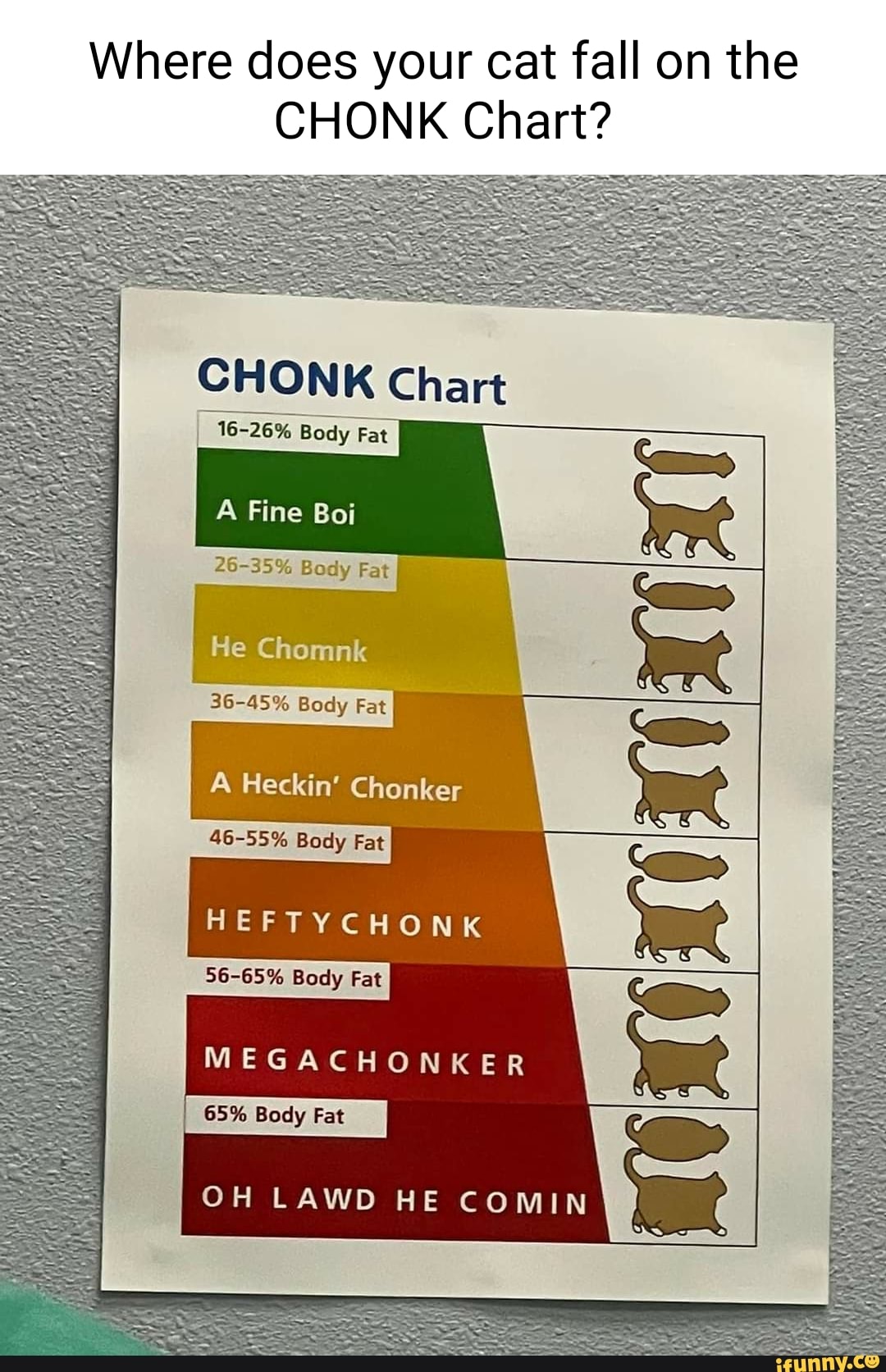
Related: How to use the cat chonk chart?
A common misconception about the cat chonk chart is that it's solely about judging a cat's appearance; however, this visual tool serves a much more practical purpose. The cat chonk chart, or feline weight chart, is an essential reference for cat owners, providing a clear guide to assess a cat's body condition and overall health. It offers a simple yet effective way to understand and monitor your cat's weight, ensuring they maintain an ideal and healthy size.
Understanding the Cat Chonk Chart
The cat chonk chart is a valuable tool for cat owners and veterinary professionals to assess a cat's body condition and determine if they are at a healthy weight. It provides a visual representation of different body types and helps identify if a cat falls within the ideal weight range. This chart is a simple yet effective way to monitor a cat's health and make informed decisions about their diet and lifestyle.
Key Details and Categories
The cat chonk chart typically consists of a reference grid or a series of images depicting cats with varying body conditions. It often includes categories such as "Underweight," "Ideal Weight," "Overweight," and "Obese." These categories are further divided into sub-ranges, providing a more detailed assessment. The chart may also feature additional information, such as breed-specific considerations and guidelines for different life stages. It is essential to note that the chart's accuracy depends on the standard used; some charts follow international guidelines, while others may be region-specific.
Interpreting Results: A Step-by-Step Guide
To use the cat chonk chart accurately, follow these steps:
- Familiarize yourself with the chart's layout and categories. Understand the visual representations and their corresponding weight ranges.
- Assess your cat's body condition by feeling their ribcage, spine, and hips. These areas should have a slight covering of fat but not be overly padded.
- Compare your cat's body condition to the images or descriptions on the chart. Look for similarities in terms of body shape, muscle definition, and overall appearance.
- Determine which category your cat falls into. If your cat's body condition aligns with the "Ideal Weight" category, they are likely at a healthy weight. If they are on the border or slightly above, it may indicate a need for weight management.
- Consult with a veterinarian if you have concerns or need further guidance. They can provide personalized advice and help you create a plan to maintain or improve your cat's health.
Variations and Differences Across Standards
It is important to note that cat body condition score charts may vary depending on the standard or region. Different organizations and veterinary associations may have slightly different criteria and weight ranges. Additionally, breed-specific considerations and individual factors can influence the interpretation of the chart. For instance, certain breeds may have naturally larger or smaller frames, affecting their ideal weight range. Always refer to reputable sources and consult professionals to ensure you are using the most appropriate chart for your cat's needs. While the cat chonk chart provides a helpful framework, it is essential to consider each cat's unique characteristics and consult experts for accurate weight management.
While the chart provides a clear and concise guide, it's important to remember that the specifics may differ slightly based on individual circumstances. Each cat is unique, and their health and weight journey is a personal one. So, keep an eye on your furry friend's progress and adjust as needed.
If you're keen to explore more practical guides like this, feel free to browse our other resources. We've got a range of topics covered, so you're sure to find something useful. Happy reading and here's to healthy, happy cats!
Related: Understanding the Spinal Nerve Chart
Many folks get overwhelmed when they first see a spinal nerve chart, assuming it's a complex medical mystery. But it's actually a simple, visual tool to understand nerve functions and their connections. This chart is your friendly guide, offering a clear overview of spinal nerves and their roles.
While it might seem intimidating at first, remember that spinal nerve charts can vary slightly, depending on the source. So, take your time, and you'll soon grasp the basics and appreciate their practical value for understanding nerve functions and potential issues.
Understanding the Spinal Nerve Chart
The spinal nerve chart is a valuable tool that provides an overview of the spinal nerves and their functions. It's like a map, helping us navigate and understand the complex network of nerves in our spine. This chart offers a visual representation, showing the different nerve roots, their locations, and their corresponding body regions.
Key Reference Points and Categories
When you look at a spinal nerve chart, you'll notice a few key elements. First, there are the nerve roots, which are numbered and labelled. These roots emerge from the spinal cord and are vital for transmitting signals to and from our body parts. The chart also displays the corresponding dermatomes, which are specific areas of the skin supplied by each nerve. Additionally, you might see myotomes, which indicate the muscles controlled by these nerves.
Reading and Applying the Chart: A Step-by-Step Guide
Using the spinal nerve chart is straightforward. Here's a simple guide:
- Identify the nerve root you want to explore. These are usually labelled with numbers and letters, like T12 (for the 12th thoracic nerve root).
- Locate the dermatome associated with that nerve root. This will show you the specific area of skin innervated by that nerve.
- If available, check the myotome to understand which muscles are controlled by that particular nerve root.
- You can use this information for various purposes, such as understanding nerve root injuries, performing reflex testing, or simply learning about the body's nervous system.
Variations Across Individuals and Standards
It's important to note that while the spinal nerve chart provides a general guide, there can be variations across individuals. Our bodies are unique, and nerve distributions may differ slightly. Additionally, different standards and regions may use varying units or categories. For instance, some charts might use a different numbering system for nerve roots or employ international units. Always check the specific chart's legend or key to understand its unique features.
- Here are some key factors that can cause variations:
- Individual anatomical differences
- Regional or international standards
- Chart design and purpose
- Age and development
Common Mistakes and How to Avoid Them
When working with spinal nerve charts, it's easy to make a few mistakes. One common error is assuming that every chart uses the same numbering system or units. Always double-check the chart's key to ensure you're interpreting it correctly. Another pitfall is overlooking the small print or fine details. Take your time to read through all the information provided, as important nuances might be hidden there.
Practical Tips for Accurate Results
To get the most out of your spinal nerve chart, consider these practical tips:
- Familiarize yourself with the chart's layout and key. Understand the numbering system and any unique symbols or markings.
- When in doubt, consult multiple sources. Compare different charts to get a broader understanding of nerve distributions.
- Stay updated with the latest standards and guidelines. Medical knowledge evolves, and charts may change to reflect new research.
- If you're using the chart for medical purposes, ensure you have the correct chart for your region and patient population.
Double-Checking and Handling Exceptions
While the spinal nerve chart is a valuable tool, it's not a one-size-fits-all solution. In some cases, you might encounter exceptions or variations that require further investigation. For instance, certain medical conditions or injuries can alter nerve distributions. Always be prepared to double-check specific cases and consult additional resources when needed. Remember, the chart is a guide, but real-world applications may require further expertise and judgment.
Hey there! I hope this guide has given you a clear understanding of spinal nerve charts and how to use them effectively. Remember, while the core principles remain the same, exact details can vary slightly, so it's always good to double-check and adapt to your specific needs.
These charts are a handy tool, but they are just one part of a broader medical landscape. If you're interested in exploring more practical guides like this, feel free to check out our other resources. And don't forget to bookmark this page for future reference—it's always good to have a quick, reliable guide at your fingertips!