










Installing A Railing Overview
Construction companies that build schools are an essential part of our communities, and yet, they often go unnoticed. Every time I walk past a new school building or see an old one getting a much-needed upgrade, I'm reminded of the hard work and expertise that goes into these projects. So, let's explore what these companies do, why they matter, and how they impact our lives.
Building Knowledge: An Inside Look
Construction companies that build schools specialize in creating educational spaces. They take on the task of designing, constructing, and often remodeling these facilities to provide the best learning environments for students. From kindergarten classrooms to university lecture halls, these companies play a vital role in shaping our educational infrastructure.
The process involves a lot more than just bricks and mortar. It requires careful planning, skilled labor, and an understanding of educational needs. These companies work closely with architects, engineers, and educational experts to ensure the final product meets all the necessary standards and regulations. They consider factors like safety, accessibility, and the unique requirements of different age groups and subjects.
What Makes a Good School Construction Company?
When it comes to choosing a company for your school project, there are several key factors to consider. First and foremost, you want a company with a proven track record in educational construction. Look for experience and a portfolio that showcases a variety of school projects. This ensures they understand the specific needs and challenges of building for education.
Another crucial aspect is communication. A good construction company will keep you informed throughout the process, providing regular updates and addressing any concerns promptly. They should also be transparent about their pricing and provide detailed, itemized quotes. Remember, it's not just about the initial cost but also the long-term value and durability of the construction.
Naming the Game: Construction Company Names
Naming a construction company is an art in itself. A good name should be memorable, professional, and reflect the company's expertise and values. It might include a reference to education, learning, or the specific services they offer. Here are a few original ideas:
- Educonstruct
- Build-Ed
- Schoolhouse Builders
- Learning Legacy Construction
- Scholar's Choice
- Smart Build
Before settling on a name, it's essential to check its availability for domains and local business registration. A unique and available name will help your construction company stand out and be easily found.
The People Behind the Projects
Construction companies that build schools employ a range of skilled professionals. From project managers and estimators to architects and engineers, each role is crucial to the success of a school construction project. These individuals bring their expertise and passion to create functional, inspiring spaces for learning.
Project managers, for instance, oversee the entire process, ensuring everything stays on track and within budget. Estimators provide cost analyses and help with financial planning. Architects and engineers design and plan the building, considering structural integrity and functionality. Each role is vital, and these professionals often work together seamlessly to bring a school project to life.
Final Thoughts
Construction companies that build schools are more than just builders; they're creators of learning environments. Their work impacts the education and future of our communities. By understanding the process, the people involved, and the factors that influence construction, we can appreciate the value and complexity of these projects. So, the next time you pass a school, take a moment to think about the hard work and dedication that went into its creation.
Related: Understand the Band Seating Chart
A band seating chart can often be a source of confusion, especially for those new to the world of live music and performance. While it may seem like a simple diagram, there's more to it than meets the eye! This chart is a crucial tool for musicians and organizers, offering a clear layout of the stage and ensuring everyone knows their place. It's not just about seating; it's a map for a smooth performance.
Understanding the Layout: Band Seating Chart Basics
A band seating chart is a visual representation of how a band or orchestra is arranged on stage. It's a practical tool for musicians, conductors, and venue staff to ensure everyone knows their position and the overall stage setup. This chart provides a clear layout, helping to avoid confusion and ensure a smooth performance.
Common Configurations and Standards
There are various ways to arrange a band, and the seating chart reflects these differences. The most common configurations include the traditional orchestra layout, where instruments are grouped by family, and the modern band setup, which often features a more flexible and dynamic arrangement. These charts typically use standard symbols and labels to represent instruments and their positions, making them easily readable and adaptable.
Practical Tips for Placement: A Step-by-Step Guide
- Start by identifying the stage dimensions and the desired seating capacity. This will help determine the overall layout and the number of rows or sections needed.
- Place the conductor or lead vocalist at the center, ensuring they have a clear view of the entire band and can effectively lead the performance.
- Group instruments by family or section. For example, place all the string instruments together, followed by woodwinds, brass, and percussion. This traditional arrangement ensures a balanced sound and makes it easier for musicians to communicate and interact during the performance.
- Consider the size and shape of each instrument when positioning them. Larger instruments, like the double bass or tuba, may require more space, so plan accordingly to avoid overcrowding.
- Leave sufficient space between sections to allow for movement and ensure a comfortable playing environment. This is especially important for performances involving dance or energetic movements.
Avoiding Misreadings and Common Pitfalls
While band seating charts are a useful tool, it's important to remember that they are a general guide. Variations may occur based on the specific performance requirements, the venue's unique layout, or even the conductor's preferences. Always double-check the exact specifications and tolerances, especially when dealing with non-standard instruments or unconventional setups. Misreading a chart can lead to confusion and potential issues during the performance, so it's crucial to communicate and clarify any deviations from the standard layout.
Hey there, band seating charts are a handy tool and it's great to have a basic understanding of the process. Remember, the exact details might differ slightly based on your specific needs and the standards you follow. It's always a good idea to refer to the relevant guidelines and adapt them to your situation.
Feel free to explore our other guides; we've got a range of topics covered to help you with your musical adventures. There's always something new to learn, so keep an eye out for our latest posts!
Related: How to Read and Use the ds2 iframe Chart
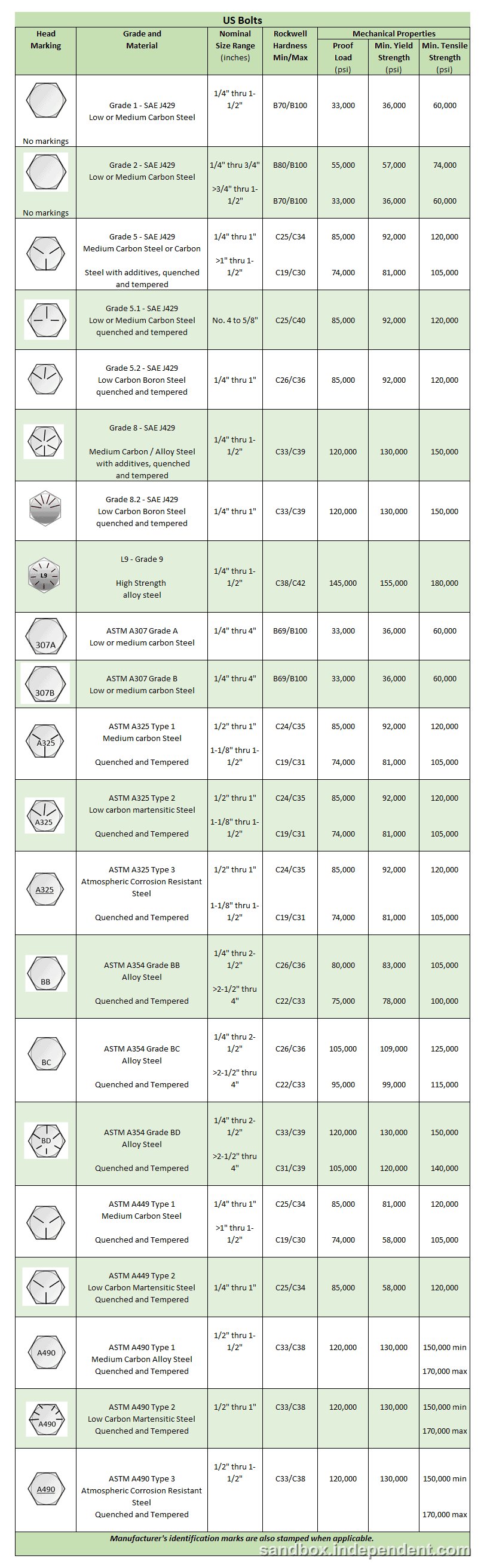
You're probably here because you need a quick fix, a reliable source to refer to, or a simple guide to understanding the ds2 iframe chart. It's a handy tool, a chart or table, that provides you with those essential dimensions and specifications. The ds2 iframe chart is your go-to reference, offering a clear and concise overview of the standard sizes and measurements you need. Whether you're looking for precise ds2 iframe dimensions or a quick check on common ds2 sizes, this chart has got you covered.
The DS2 Iframe Chart: A Guide to Standard Sizes
The DS2 iframe chart is a handy reference tool for anyone working with DS2 equipment. It provides a clear overview of the standard dimensions and sizes of DS2 iframes, which are essential for various applications. This chart is a quick and practical way to ensure you're using the right sizes and avoiding potential issues.
Key Details and Categories
The DS2 iframe chart typically displays two main categories: the iframe dimensions and the corresponding DS2 model or type. The dimensions are given in inches or centimeters, depending on the standard being used. You'll find the width, height, and sometimes the depth of the iframe, ensuring you get a precise fit for your setup. The DS2 model column helps identify the specific equipment or application the iframe is designed for.
Reading and Applying the DS2 Iframe Chart
Using the DS2 iframe chart is straightforward. First, identify the DS2 equipment you're working with and find the corresponding model or type on the chart. Then, locate the dimensions for that model. These dimensions represent the standard size of the iframe needed for that specific equipment. Ensure you note down the width, height, and depth (if provided) to ensure a perfect fit. It's as simple as that!
Common Variations and Practical Tips
While the DS2 iframe chart provides standard dimensions, there can be variations based on specific use cases or manufacturer preferences. Here are some key factors to consider:
Model Variations: Different DS2 models might require slightly adjusted iframe sizes. Always double-check the exact specifications for your specific equipment.
Regional Standards: Iframe dimensions can vary based on regional standards. Ensure you're using the correct chart for your region or convert the measurements if needed.
Manufacturer Preferences: Some manufacturers might have unique requirements. Always refer to their guidelines or consult their specific DS2 size guide.
Tolerance Levels: Keep in mind that there might be slight variations or tolerances allowed within the standard dimensions. These are usually minimal but can impact fit, especially for precise applications.
Remember, the DS2 iframe chart is a valuable tool, but it's always good to cross-reference with other resources or guidelines to ensure accuracy, especially for critical applications.
Hey there! I hope this ds2 iframe chart guide has been helpful and easy to follow. Remember, while the core principles remain the same, the exact values and details might shift slightly depending on your specific context or the standard you're working with.
So, the next time you need a quick refresh on this topic, feel free to bookmark this page for easy access. I've got a few more practical guides up my sleeve, covering various topics, so stay tuned and happy learning!