





Invoice Para Roofing Overview
A bike size chart is a handy tool for any cyclist, offering a quick and easy way to find the perfect bike fit. This guide will walk you through the ins and outs of these charts, ensuring you know how to use them effectively. From frame size to wheel dimensions, we'll cover it all, so you can make an informed choice and enjoy a comfortable ride.
The Essential Guide to Bike Size Charts
A bike size chart is your go-to tool for finding the perfect bike fit. It's a simple yet powerful reference that ensures you get the right size bike for your body and riding style. These charts are designed to make the sizing process straightforward, but there are a few things to keep in mind to ensure an accurate fit.
Understanding the Options: Standards and Formats
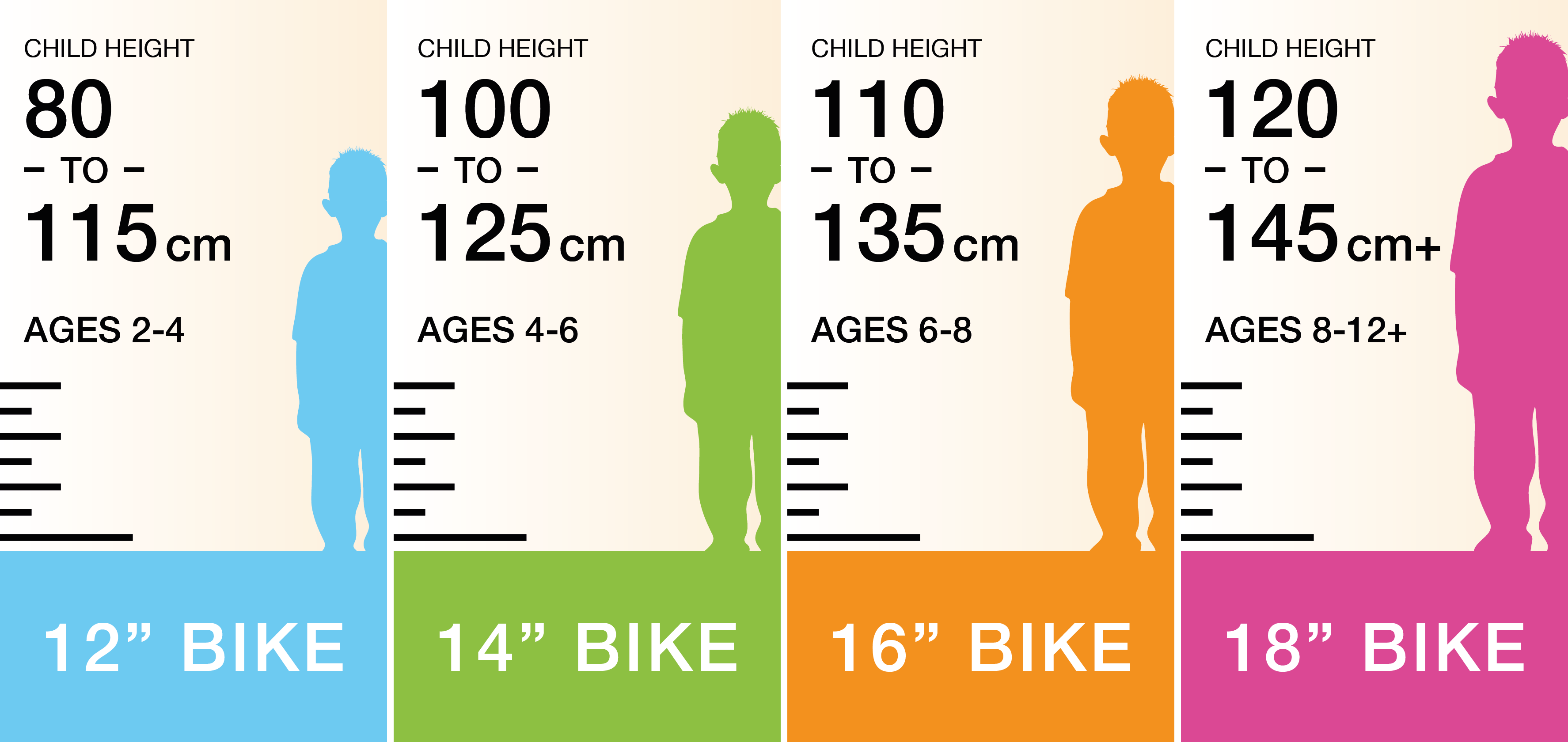
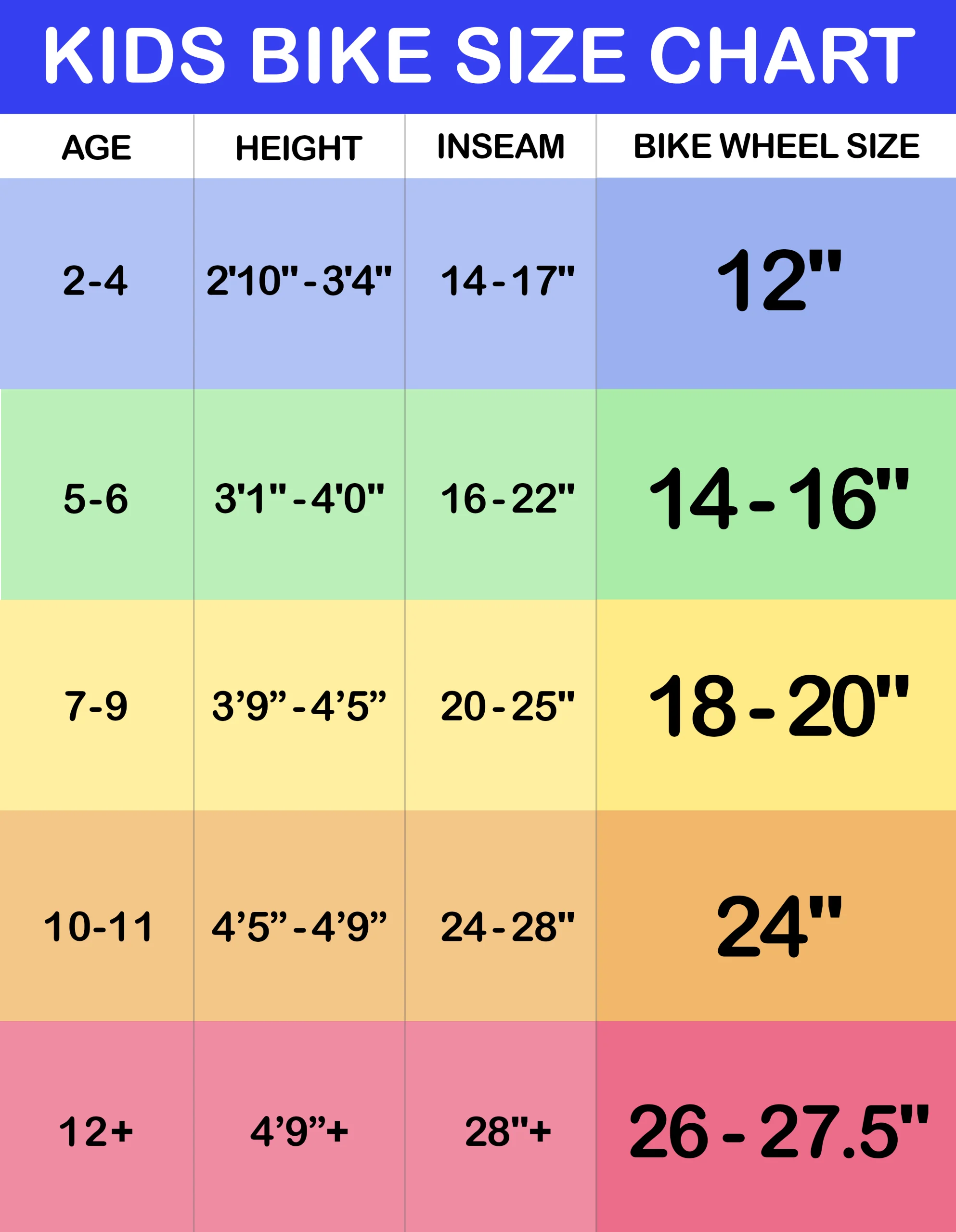
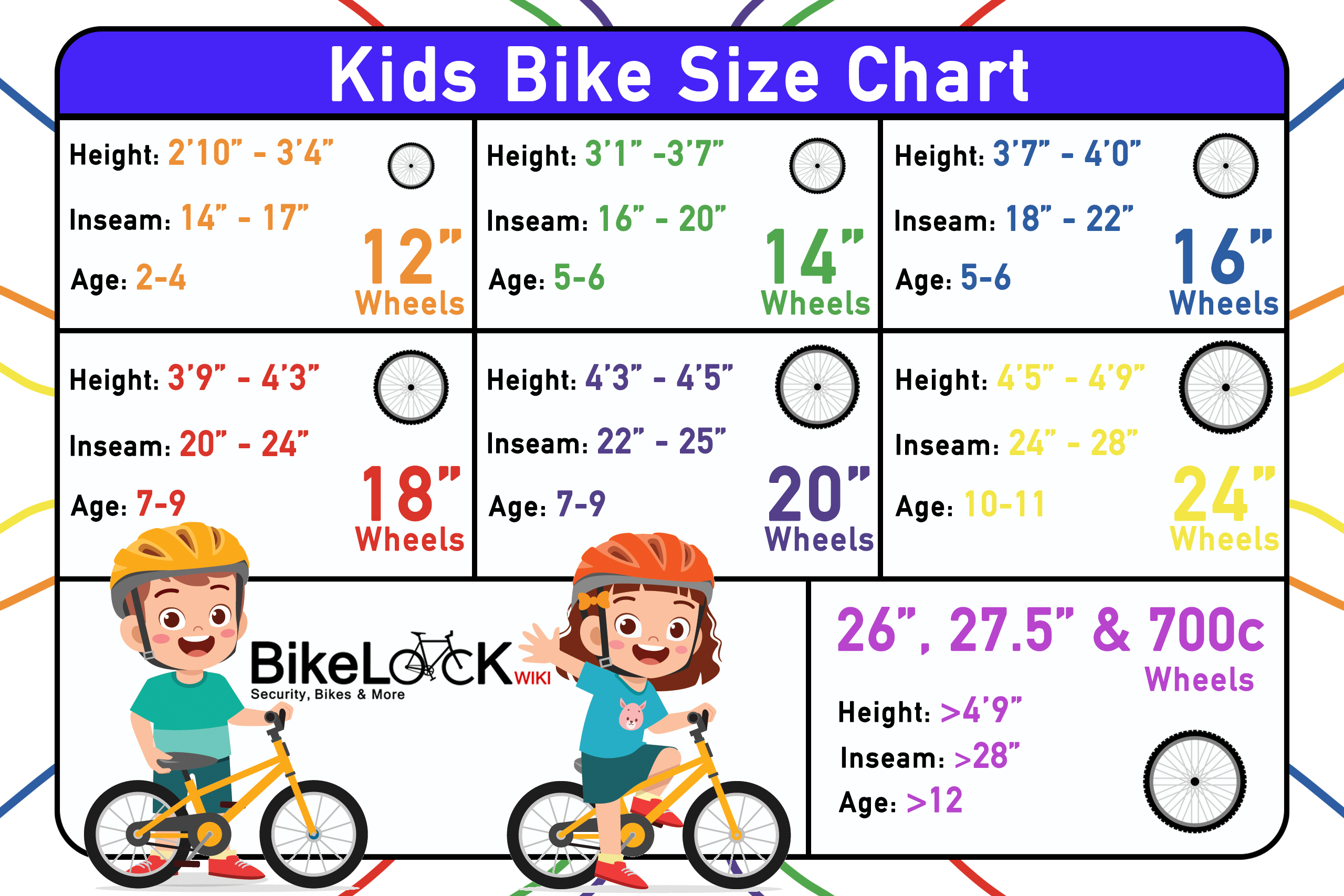
Bike size charts can vary depending on the standard used. The most common are the imperial (inch) and metric (centimeter) systems, with the latter being more prevalent internationally. These charts typically cover various bike types, from road bikes to mountain bikes, and often include specific measurements like frame size, wheel size, and seat height.
Step-by-Step Guide to Using a Bike Size Chart
Using a bike size chart is straightforward, but precision is key. Here's a simple process to ensure you get the right size:
Identify the Standard: First, determine the standard used in the chart. This is usually indicated at the top or bottom of the chart. If you're unsure, check the manufacturer's website or ask a bike expert.
Measure Yourself: Take accurate measurements of your body. You'll need your height, inseam (the inner leg measurement from crotch to ankle), and sometimes arm length. These measurements will be crucial for finding the right frame size and overall bike fit.
Match Your Measurements: Refer to the chart and find the section that corresponds to your height and inseam. This will give you a starting point for frame size.
Consider Your Riding Style: Bike size charts often provide recommendations based on riding style. For example, if you're a casual rider, you might opt for a more upright position, while a racing enthusiast would lean towards a more aggressive, stretched-out position.
Adjust for Comfort: Once you have a frame size, consider making adjustments for comfort. This could mean tweaking the seat height or handlebar width to find your ideal riding position.
Common Misreadings and How to Avoid Them
While bike size charts are straightforward, there are a few potential pitfalls to avoid:
Misinterpreting Frame Size: Frame size is a critical measurement, but it's not always the only factor. Some charts provide a range of frame sizes for a given height, and you should choose the one that best suits your riding style and comfort.
Wheel Size: Don't confuse wheel size with frame size. Wheel size is an important consideration, especially for kids' bikes, but it's a separate measurement.
Sizing for Kids Bikes: When sizing bikes for children, always double-check the manufacturer's recommendations. Kids grow quickly, so it's essential to ensure the bike can accommodate their growth while still providing a safe and comfortable ride.
Regional Variations: Be mindful of regional differences. Some countries or regions may have slightly different sizing standards, so always check the chart's origin or consult a local bike expert if in doubt.
Hey there, bike enthusiasts! We hope this guide has helped you navigate the world of bike sizing with ease. Remember, when it comes to finding the perfect bike, it's all about getting the right fit for your body and riding style.
So, before you make that final decision, take a moment to review your specific needs and preferences. Double-check the measurements and consider any personal factors that might influence your choice. It's a simple step, but it ensures you end up with a bike that truly suits you.
Related: What is the reta dosing chart all about?
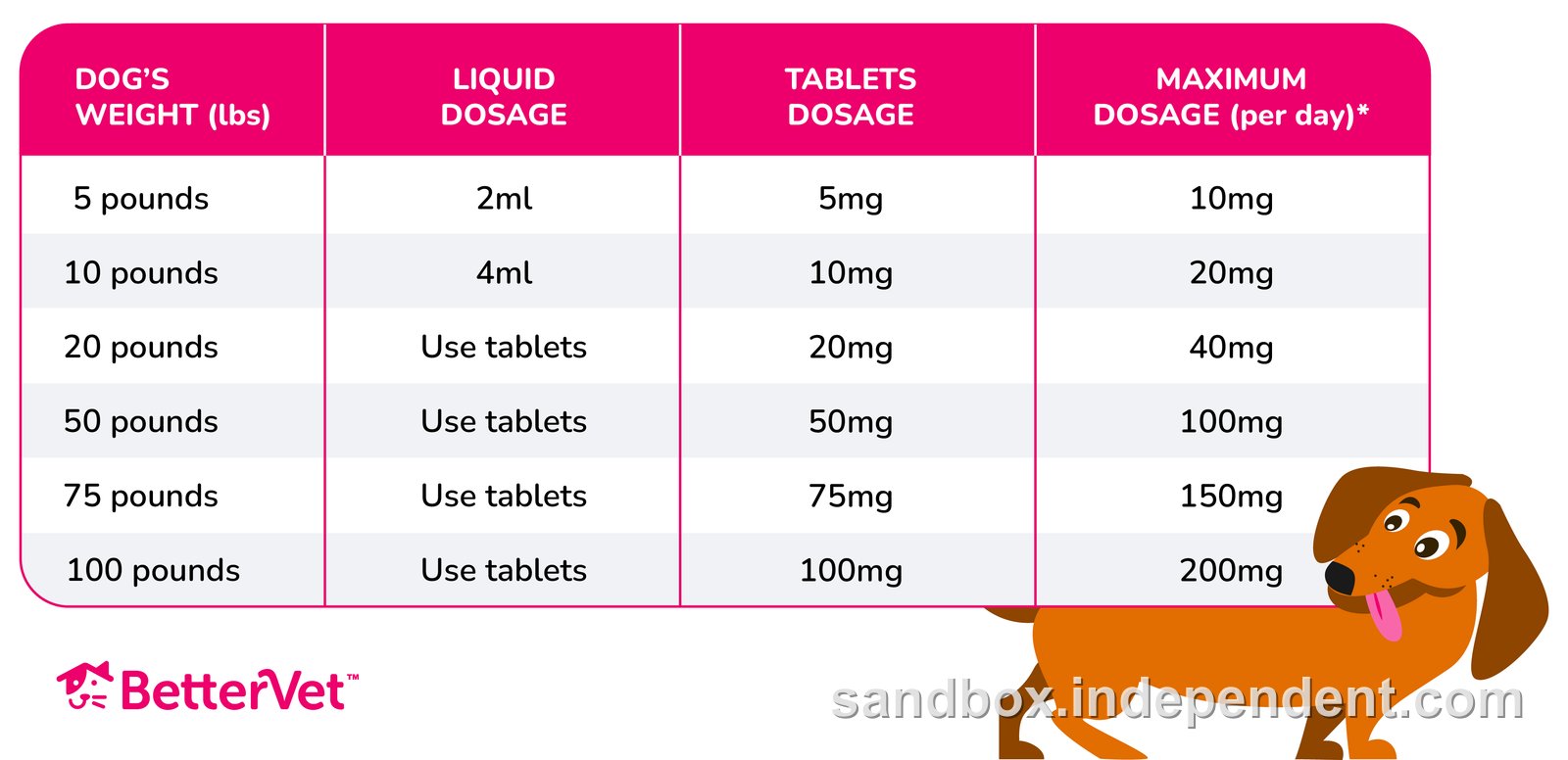
The reta dosing chart is an essential tool for anyone seeking accurate medication dosage information. This guide aims to provide a clear understanding of how to navigate and utilize such charts effectively. Whether you're a healthcare professional, caregiver, or simply need to administer medication, having a reliable reference is crucial.
Reta dosing charts can vary in format and detail, but their purpose remains consistent: to ensure safe and precise medication administration. This resource will cover the key elements and offer insights into reading and interpreting these charts, including any potential variations you may encounter.
Understanding the Reta Dosing Chart
The reta dosing chart is a valuable tool designed to guide medication administration, especially for oral medications. It serves as a reference guide, providing clear and precise information on dosage amounts based on various factors. This chart ensures accurate dosing, which is crucial for effective treatment and patient safety.
Comparing Chart Formats and Standards
Different regions and healthcare systems may have variations in their dosing charts. For instance, the reta dosing chart typically follows standard dosing protocols, but it's essential to be aware of potential differences. These charts can be found in metric or imperial units, so it's crucial to use the correct format for your region.
Step-by-Step Guide to Using the Chart
To utilize the reta dosing chart accurately, follow these steps:
- Identify the medication and its strength. Ensure you have the correct drug and understand its concentration or dosage form.
- Locate the patient's weight on the chart. This is a critical factor as dosing often depends on body weight.
- Read across the row corresponding to the patient's weight. Here, you'll find the recommended dosage for that specific medication and strength.
- If the patient's weight falls between two categories, you may need to adjust the dose. Consult a healthcare professional for guidance in such cases.
- Double-check the dosage and administration instructions. Ensure you understand the route of administration (oral, for instance) and any specific instructions for that medication.
Avoiding Common Misreadings
Misinterpreting the reta dosing chart can lead to errors. Here's how to avoid them:
- Pay close attention to the units of measurement. Ensure you are using the correct unit system, whether it's milligrams (mg) or milliliters (ml).
- Be cautious with decimal points. Some charts may use decimals to represent fractions, so read carefully to avoid confusion.
- Understand the medication's concentration. Different strengths require different dosages, so ensure you have the right medication and its corresponding dosage.
Factors Affecting Accuracy
Several key factors can impact the accuracy of the reta dosing chart and its application:
Weight variations: Significant changes in a patient's weight may require dose adjustments.
Medication strength: Different strengths of the same drug can have varying dosages.
Age and health factors: Certain conditions or age groups may have specific dosing guidelines.
Route of administration: The chart may provide dosages for oral administration, but other routes (like intravenous) may require different calculations.
Patient tolerance: Some individuals may have unique sensitivities or tolerances, requiring dose adjustments.
Adapting the Chart for Specific Needs
The reta dosing chart is versatile and can be adapted to meet specific requirements:
- Pediatric dosing: For children, the chart can be adjusted based on their weight and age.
- Adult dosing: Adults may require higher dosages, and the chart can guide appropriate adjustments.
- Special populations: Elderly patients or those with renal or hepatic impairments may need modified dosages, which the chart can help determine.
Keeping Your Reference Reliable
To ensure the reliability of your reta dosing chart:
- Regularly update your chart to reflect the latest dosing guidelines and standards.
- Cross-reference with reputable sources and consult healthcare professionals for any doubts.
- Store the chart in a safe and accessible place, ensuring it's easily retrievable when needed.
- Consider using digital versions or apps that offer real-time updates and additional features for convenience and accuracy.
While the reta dosing chart is a handy tool, it's important to remember that its specifics can vary depending on your unique situation and the standards or sources you refer to. The key is to find a format that works best for your needs and ensures accuracy in real-world applications.
Feel free to explore other guides and resources to further enhance your understanding and stay informed. And don't forget to bookmark this page for a quick reference guide the next time you need a reliable reta dosing solution!
Related: Find Your Thread Size: A Quick Guide
A thread size chart is a handy tool for anyone working with screws, bolts, and fasteners. It's a simple yet effective way to ensure you're using the right size and type of thread for your project. This guide will cover the basics of reading and using these charts, so you can tackle any fastening task with confidence.
You'll find charts for both metric and imperial thread sizes, and they often include details like thread pitch and bolt sizes. While the values may vary depending on the standard and region, these charts provide a reliable reference point to get you started.
Understanding Thread Dimensions: A Quick Overview
The thread size chart is your practical guide to understanding the various dimensions and specifications of threads, a crucial component in fasteners like bolts and screws. This chart simplifies the process of identifying and selecting the right thread size for your project, ensuring a perfect fit and secure connection.
Comparing Common Thread Types and Standards
There are two main standards for thread sizes: metric and imperial. The metric thread size chart uses millimeters for measurements, while the imperial chart relies on inches. Both charts provide essential information, including thread diameter, pitch (the distance between threads), and sometimes even the thread's length.
Reading the Chart: A Step-by-Step Guide
Here's a simple process to read and utilize a thread size chart:
Identify the Standard: Determine whether you need a metric or imperial thread size chart. This choice depends on the region and the specific project requirements.
Locate the Diameter: Find the column or row that represents the thread's diameter. This value is typically given in millimeters (mm) for metric threads and inches for imperial threads.
Check the Pitch: Once you've identified the diameter, locate the corresponding pitch value. The pitch is often given as a number followed by the symbol "TPI" (threads per inch) for imperial threads, or simply "mm" for metric threads.
Consider Additional Factors: Some charts may provide extra details, such as thread length or specific thread types (e.g., coarse or fine threads). These additional factors can influence your choice, especially for specialized applications.
Common Misreadings and How to Avoid Them
One common mistake is confusing the thread diameter with the bolt or screw's overall diameter. Remember, the thread size chart focuses on the thread's dimensions, not the entire fastener. Another pitfall is assuming that all threads of the same diameter have the same pitch. Always double-check the pitch, especially when working with different thread types or standards.
Factors Affecting Accuracy and Real-World Use
Several factors can impact the accuracy and applicability of a thread size chart. Firstly, always refer to the specific standard being used, as thread sizes can vary slightly between different regions and industries. Additionally, the chart may not cover every possible thread size or type, so it's essential to cross-reference with manufacturer specifications for precise information, especially for specialized or custom threads.
Hey there! I hope this thread size chart has been a helpful resource for you. Remember, while the basics are covered here, there can be slight variations in measurements and standards, so it's always good to double-check the specific details for your project.
Feel free to explore our other guides and resources; we've got a range of practical topics to keep you informed and inspired. Happy crafting!