



Invoice Simple New Estimate Overview
A shaft flex chart is a valuable tool for golfers, offering a clear and concise reference to understand the flexibility and performance of golf shafts. This guide aims to demystify the chart and provide an easy-to-follow explanation, ensuring you can make informed decisions about your equipment.
The chart typically presents a range of flex options, often categorized by player skill and swing speed. It offers a quick way to match your swing characteristics to the right shaft stiffness, ensuring optimal control and performance. While the values and formats may vary slightly between brands and regions, the shaft flex chart remains a consistent and reliable resource for golfers seeking precision and accuracy in their game.
Understanding Flex: A Guide to Shaft Flex Charts
A shaft flex chart is a valuable tool for golfers and sports enthusiasts, offering a visual representation of the flexibility and stiffness of golf club shafts. This chart provides an easy-to-understand reference, helping users select the right shaft based on their swing characteristics and preferences.
Common Flex Types and Their Standards
The shaft flex chart typically presents various flex options, including Senior (A), Regular (R), Stiff (S), and Extra Stiff (X). These categories are standardized across the industry, ensuring consistency in shaft performance. Additionally, some charts may include more specialized flex types like Ladies (L) or Tour (TX), catering to specific golfer profiles.
Reading the Chart: A Step-by-Step Guide
When utilizing a shaft flex chart, follow these steps:
Identify your swing speed: This is a critical factor in determining the appropriate shaft flex. Swing speed is often measured in miles per hour (mph) and can be tested at golf shops or driving ranges.
Locate your swing speed range: The shaft flex chart will typically display swing speed ranges for each flex category. Find the range that aligns with your measured swing speed.
Consider shaft stiffness: The chart will provide an indication of the shaft's stiffness, often using terms like "soft" or "firm." This refers to the shaft's ability to bend during the swing, influencing the feel and control of the club.
Select the right flex: Based on your swing speed and preferred shaft stiffness, choose the flex category that best suits your needs.
Avoiding Misinterpretations
While shaft flex charts are straightforward, some common misinterpretations can occur. One pitfall is assuming that a higher flex category always equates to better performance. In reality, the ideal flex depends on an individual's swing characteristics and personal preferences.
Key Factors Affecting Accuracy
- Swing Speed: The most critical factor, as it directly influences the shaft's behavior during the swing.
- Player Strength: A golfer's physical strength can impact the ability to generate clubhead speed, affecting the appropriate flex selection.
- Swing Tempo: The pace of the swing, whether fast or slow, can influence the shaft's performance and the golfer's feel.
- Shaft Torque: This refers to the shaft's tendency to twist during the swing, impacting the accuracy and consistency of ball flight.
Custom Flex Options and Adaptations
While standardized shaft flex charts provide a solid foundation, custom options exist for golfers with unique needs. Custom flex shafts can be tailored to an individual's swing, offering a precise fit. These options are particularly beneficial for golfers with specific requirements, such as those with injuries or unique swing mechanics.
When selecting a custom flex, it's essential to work with a knowledgeable golf professional who can guide you through the process and ensure the shaft aligns with your goals and playing style.
Remember, while this guide offers a comprehensive overview, the exact details can vary slightly depending on your specific needs and the standards you follow. It's always a good idea to consult multiple sources and adapt the information to your unique circumstances.
Our website hosts a variety of other practical guides and resources, so feel free to explore and discover more helpful content. Happy learning, and keep those swings smooth!
Related: Decoding the r454b pt Chart: A Simple Guide
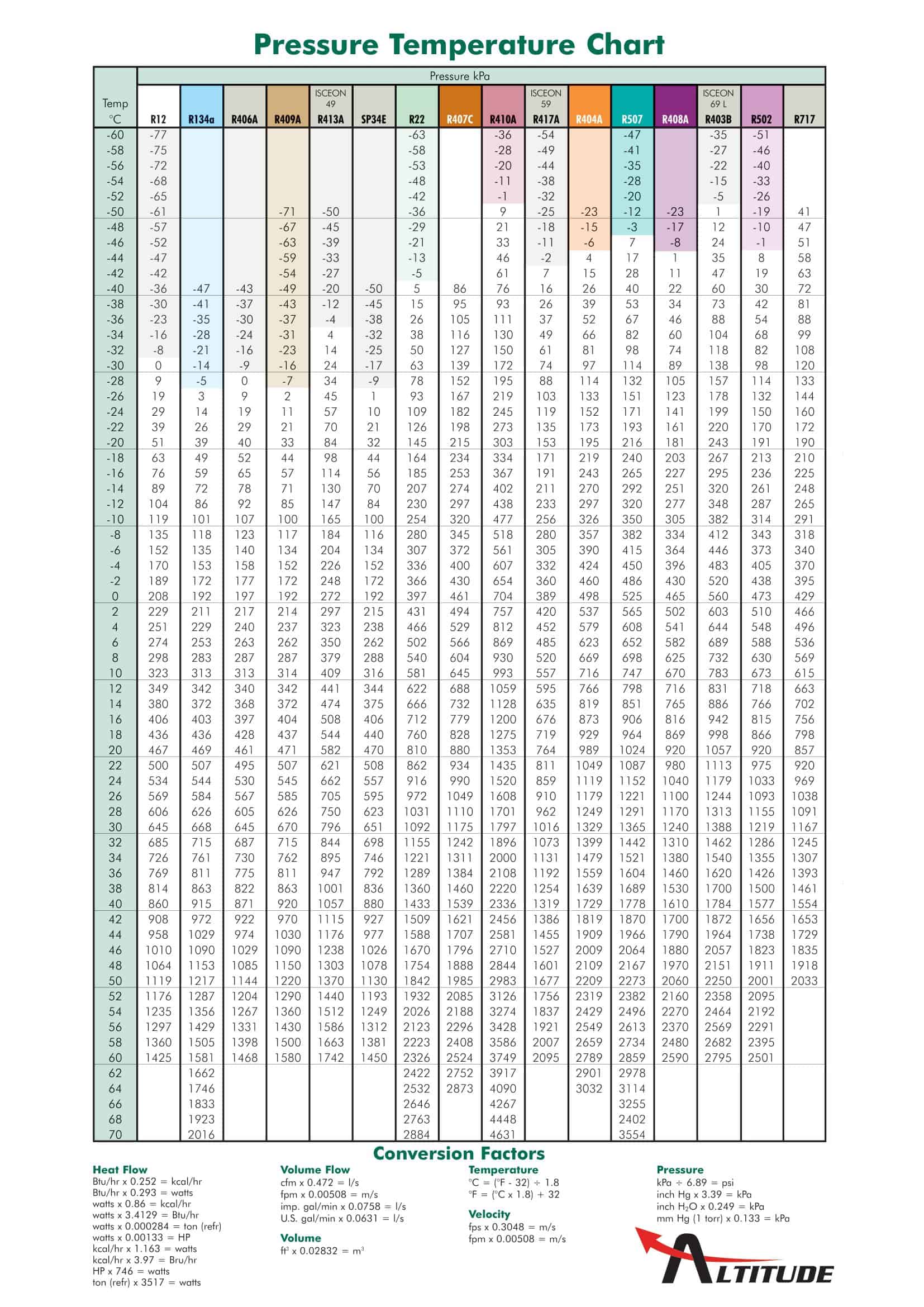
You're probably here because you need a quick guide to understanding the R454b PT chart and its applications. This handy reference tool is a go-to for many, offering a visual representation of refrigerant behavior. It's a simple yet powerful diagram, often used to interpret refrigerant temperature and pressure data. While the values and formats may vary depending on your specific needs or region, the R454b PT chart is a reliable starting point.
Understanding the r454b pt Chart
The r454b pt chart is a handy reference tool for anyone working with refrigeration and air conditioning systems. It provides a visual representation of the relationship between pressure and temperature for the refrigerant R454b. This chart is a valuable resource, offering a quick way to understand the state of the refrigerant under different conditions.
Comparing Chart Standards and Formats
There are variations in r454b pt charts, depending on the standard and region. Some charts use the metric system, while others follow the US customary units. It's essential to ensure you're using the right chart for your specific application and region. The format and layout may also differ, but the core information remains the same.
Step-by-Step Guide to Using the r454b pt Chart
Using the r454b pt chart is straightforward. First, locate the pressure value on the chart's horizontal axis. Then, move vertically to find the corresponding temperature. The intersection of these two values represents the state of the refrigerant. Here's a simple 3-step process:
- Identify the pressure.
- Find the temperature.
- Read the intersection point for the refrigerant's state.
For example, if you have a pressure of 100 psi and a temperature of 40°F, the chart will show that the refrigerant is in a liquid state.
Avoiding Misreadings and Pitfalls
Misinterpreting the r454b pt chart can lead to incorrect assumptions. Always ensure you're using the correct chart for your refrigerant and region. Pay attention to the units; some charts use psi, while others use bar or kPa. Converting units can be a simple fix but is essential for accuracy. Also, be aware that the chart represents a general guide; real-world conditions may vary slightly due to system design and other factors.
Factors Affecting Accuracy and Real-World Use
Several factors can influence the accuracy of the r454b pt chart. Firstly, the chart is a simplified representation and may not account for all variables in complex systems. Additionally, the chart assumes ideal conditions, so actual results may vary. It's crucial to consider the specific application and system design when using the chart. For instance, the presence of other gases or contaminants can affect the refrigerant's behavior. Always refer to manufacturer specifications and guidelines for precise information.
Hey there, we hope you found this guide helpful in navigating the world of R454B PT charts. Remember, while the basics remain consistent, the exact details can vary slightly, so always refer to the specific standards and sources relevant to your project.
Feel free to explore our other guides; we've got a range of practical resources to help you tackle various topics with ease. Happy learning, and keep those charts handy!
Related: Need a Hair Color Guide? Use Our Simple Chart
Many people approach hair colors charts with a bit of trepidation, assuming they are complex and confusing. But fear not! These charts are your friends and can be incredibly useful tools.
They provide a simple, visual way to understand and choose hair colors. While the specific values and formats may vary, the hair colors chart remains a reliable guide, offering a clear path to achieving your desired hair color. Think of it as a map, leading you to your perfect shade, with the color wheel and hair color levels acting as your compass.
Hair Colors Chart: A Visual Guide to Hair Dye Shades
The hair colors chart is a handy reference tool for anyone looking to experiment with hair dye. It's a visual representation of different hair colors, shades, and tones, helping you choose and understand the various options available. This chart is a great starting point for anyone new to hair coloring or those seeking a specific shade.
Key Details and Categories
The hair color guide typically features a range of colors, organized into sections or families. You'll often find categories like "blonde," "brunette," "red," and "black," with further subdivisions for specific shades. Each color is usually represented by a swatch or a small square, showing the exact shade. Additionally, the chart may include a color wheel or a visual representation of color theory, which helps understand the relationships between colors.
Reading and Applying the Chart
To use the hair colors chart, start by identifying the color family you're interested in. Let's say you're looking for a specific shade of brown. Locate the "brunette" section and explore the various shades within. Each shade will have a unique code or number, which represents the specific formulation of that color. These codes are essential when purchasing hair dye, as they ensure you get the exact shade you want.
Here's a step-by-step guide:
- Identify the color family.
- Locate the specific shade you desire.
- Note the corresponding code or number.
- Use this code when purchasing hair dye to ensure an accurate match.
Variations and Differences
It's important to note that hair color charts may vary depending on the brand or manufacturer. Different companies may use slightly different shades or numbering systems. Additionally, the way hair reacts to dye can vary based on individual hair types and previous coloring treatments. Here are some key factors that can cause variations:
- Tone and depth: Hair color can appear different depending on the natural tone and depth of your hair.
- Previous coloring: If your hair has been dyed before, the new color may interact with the existing dye, resulting in a unique outcome.
- Hair type: The porosity and texture of your hair can affect how it absorbs and holds color.
- Environmental factors: Sun exposure and water quality can impact the longevity and vibrancy of your hair color.
When using a hair color chart, it's always a good idea to consult with a professional stylist, especially if you're aiming for a specific look or have unique hair characteristics. They can guide you towards the best shade and provide tips for achieving and maintaining your desired hair color.
Hey there! So, we've covered a lot of ground with this hair color chart, and I hope it's given you a clear picture of what you need to know. Remember, these charts are a great starting point, but exact details can differ slightly, so it's always good to double-check.
Feel free to explore our other guides; we've got plenty of practical tips and tricks to help you navigate the world of hair care and styling. Happy coloring!