


Invoice Template Html Free Overview
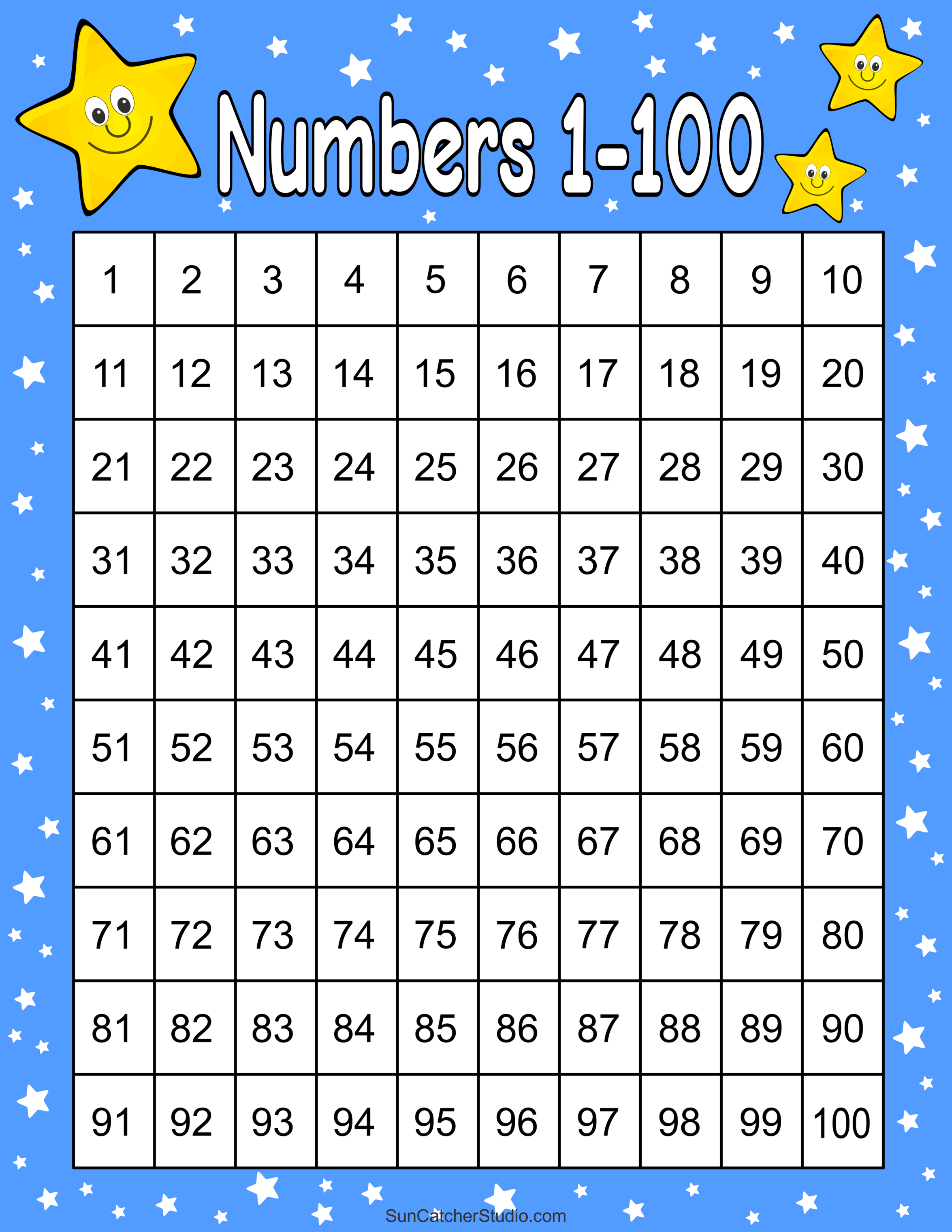
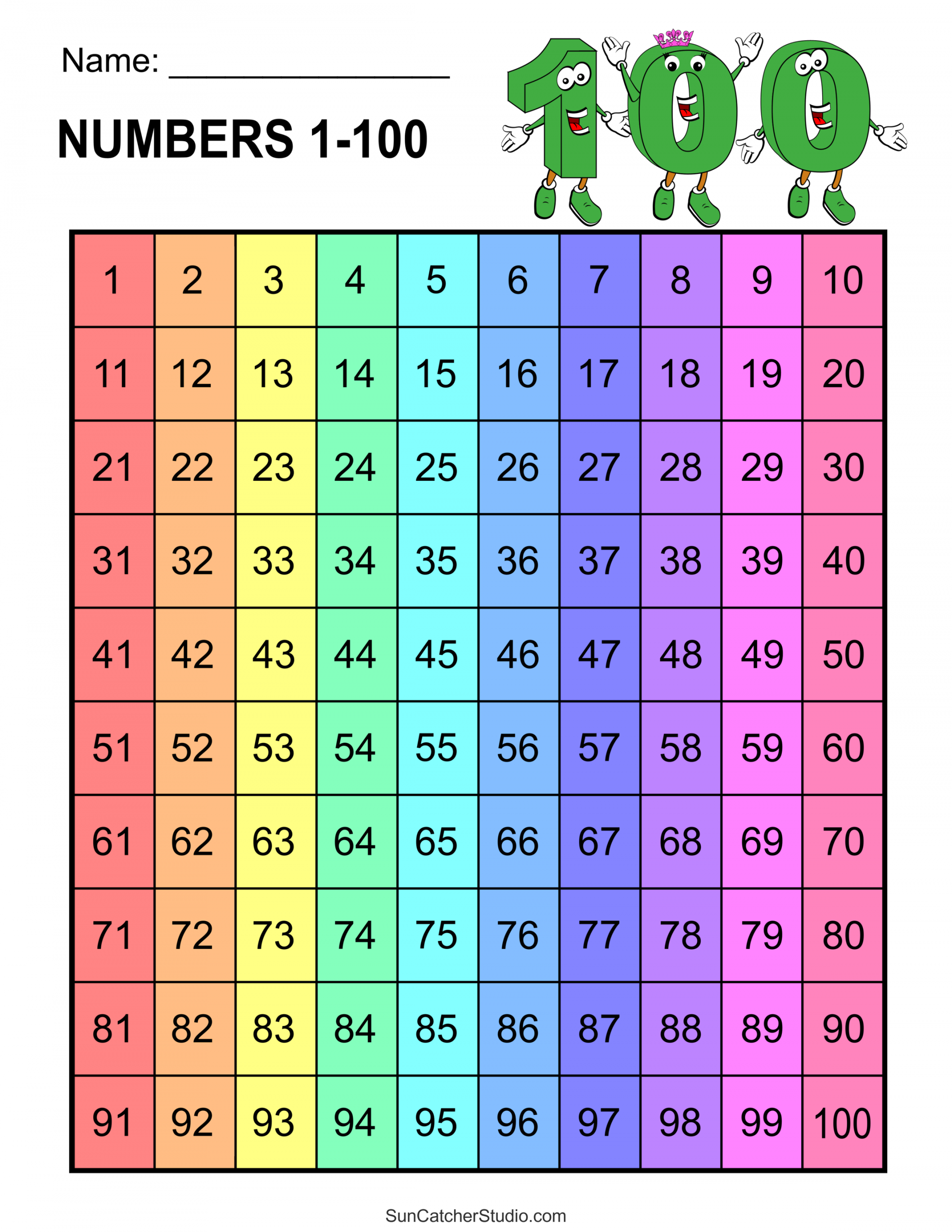
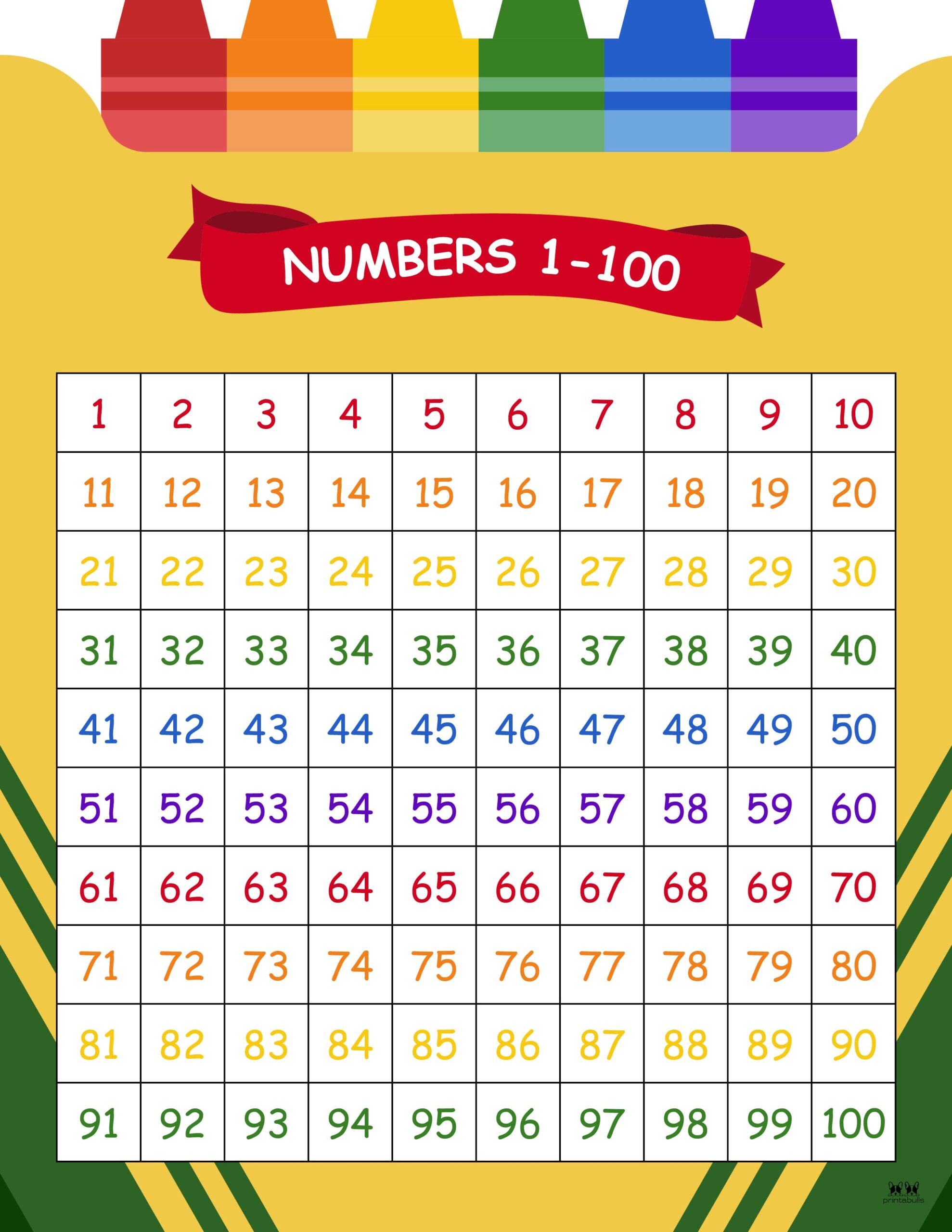
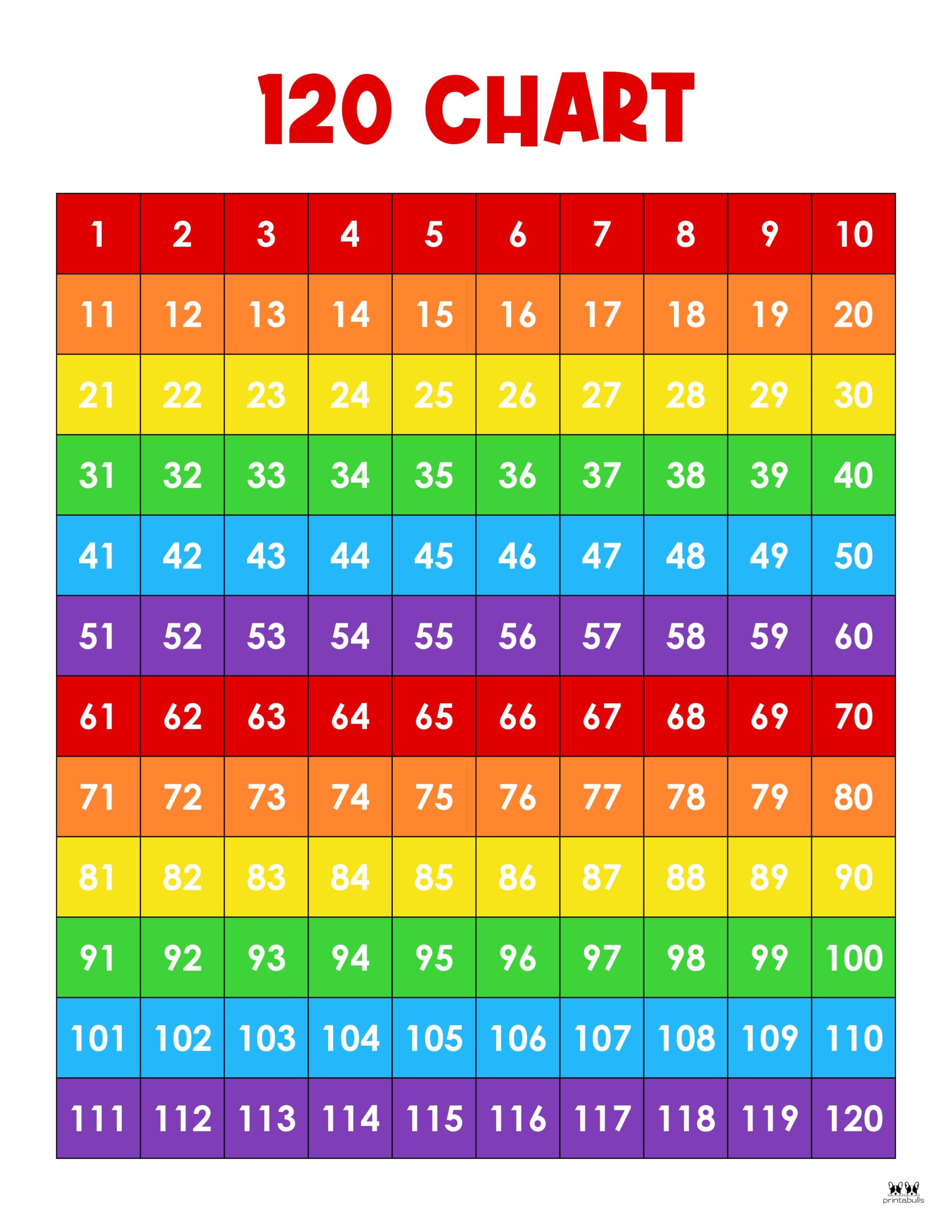
You've likely come across a 1 to 100 chart before, whether it's for a quick reference or to teach basic counting and number recognition. These charts are a simple yet effective tool, offering a visual representation of numbers in a sequential order, often with additional features like ordinal numbers or a number line. While the format and values may vary, the core purpose remains the same: to provide an at-a-glance guide for various tasks and learning activities.
The 1 to 100 Chart: A Simple Numbering Guide
The 1 to 100 chart is a fundamental tool for understanding and working with ordinal numbers, offering a visual representation of the counting sequence from 1 to 100. This chart serves as a reference for anyone learning or teaching basic numeracy, providing a clear and organized layout of numbers in their sequential order.
Key Details and Prerequisites
The 1 to 100 chart typically presents numbers in a grid format, with each number occupying a distinct cell or box. The chart is usually organized in rows and columns, with numbers increasing either horizontally or vertically. The numbering system follows a standard sequence, ensuring consistency and ease of use.
Reading the Chart: A Step-by-Step Guide
Begin at the starting point, which is usually the number 1, located at the top left corner of the chart. This is the first number in the sequence and serves as the foundation for the entire chart.
Proceed to the next number, which is 2, and so on. The chart typically follows a logical progression, with numbers increasing by 1 with each step. This sequential order is crucial for understanding the chart's structure.
As you move across the chart, either horizontally or vertically, notice how the numbers increase systematically. This pattern helps users quickly identify specific numbers and understand their position in the sequence.
To locate a particular number, simply count along the rows or columns until you reach the desired value. For instance, if you're looking for the number 50, start at 1 and count up until you reach 50.
The chart's design often includes additional features to aid in navigation and learning. These may include color-coding, highlighting, or even mathematical patterns to help users grasp number relationships and patterns.
Common Variations and Differences
While the 1 to 100 chart follows a standard numbering sequence, variations can occur depending on the context and purpose. For instance, educational charts might use different colors or designs to emphasize specific number patterns or mathematical concepts. Additionally, some charts may include additional information, such as prime numbers or even simple equations, to enhance learning.
Avoiding Mistakes and Ensuring Accuracy
When using a 1 to 100 chart, it's essential to double-check the specific numbering system and format. While the standard sequence is consistent, variations can exist, especially in educational or specialized charts. Always verify the chart's labeling and numbering to ensure accuracy. Additionally, be mindful of the chart's purpose and intended audience, as this can influence its design and features. For instance, a chart designed for young learners may have a simpler layout and focus on basic counting, while a more advanced chart might incorporate complex number patterns.
Hey there! We've covered a lot of ground with our 1 to 100 chart guide, and I hope it's given you a clear understanding of this handy tool. Remember, while the basics remain the same, you might find slight variations in different contexts, so always double-check your sources.
Don't forget, we've got a whole host of other practical guides and resources on our site, so feel free to explore and discover more helpful tips and tricks. Happy learning, and keep those charts organized!
Related: Find Your Girth Size with Our Easy Chart
A girth size chart is a handy tool, a simple yet effective way to visualize and understand measurements. This guide will show you how to navigate and utilize these charts efficiently, as they can vary in format and detail.
Whether you're dealing with circumference guides or size charts for various applications, knowing how to read and interpret them is key. Standard units and metric conversions may differ, so being able to quickly reference and understand these charts is a useful skill.
Understanding the Girth Size Chart: A Quick Overview
The girth size chart is a handy reference tool that provides a visual representation of various girth measurements and their corresponding sizes. It offers a simple way to understand and compare different girth dimensions, making it an essential guide for various applications.
Comparing Standards and Formats: Girth Size Chart vs. Circumference Guide
While the terms girth size chart and circumference guide are often used interchangeably, they can refer to slightly different formats. A girth size chart typically presents a range of measurements with their corresponding sizes, often in a table or diagram format. In contrast, a circumference guide may provide more detailed information, including specific circumference values and their equivalent sizes, which can be particularly useful for precise measurements.
Step-by-Step: Reading and Using a Girth Size Chart
To effectively use a girth size chart, follow these simple steps:
Identify the type of measurement you need to make. For example, you might need to measure the girth of a tree trunk, a person's waist, or the circumference of a pipe.
Locate the relevant section on the chart. Girth size charts often categorize measurements by type, such as body measurements, industrial applications, or natural objects.
Measure the girth accurately using the appropriate tool, such as a tape measure or calipers. Ensure you follow any specific instructions for the measurement, such as where to place the tape measure or how to account for any irregularities.
Find the measured value on the chart. Some charts may provide a scale or ruler for direct measurement, while others may require you to estimate the closest value.
Read the corresponding size or category. The chart will provide a clear indication of the size associated with the measured girth. This can be a numerical value, a size category (e.g., small, medium, large), or a specific application-related term.
Common Misreadings and How to Avoid Them
Misreading a girth size chart can lead to inaccurate results and potential issues. Here are some common pitfalls and how to avoid them:
Ensure you are using the correct chart for your specific application. Different charts may have varying scales, units, or categories, so double-check the chart's intended use.
Be aware of the units of measurement. Some charts may use imperial units (inches, feet), while others use metric units (centimeters, meters). Convert your measurements accordingly to ensure accuracy.
Pay attention to the scale or ruler provided on the chart. Misinterpreting the scale can lead to significant errors. If you're unsure, estimate the value or use a separate measuring tool to verify.
Consider any tolerances or allowances specified on the chart. Some applications may have specific tolerances, especially in industrial or technical fields. Ensure you understand and account for these tolerances in your measurements.
Factors Affecting Accuracy: Variations and Averages
The accuracy of a girth size chart can be influenced by various factors, including:
Regional standards and conventions: Different countries or regions may have specific measurement standards and units, so ensure you're using the appropriate chart for your location.
Application-specific variations: Girth measurements can vary significantly depending on the application. For example, measuring the girth of a tree trunk at different heights may yield different results, impacting the accuracy of the chart.
Averages and ranges: Some charts may provide average values or ranges to account for natural variations. Understanding these averages can help you interpret the chart more effectively, especially when dealing with organic or irregularly shaped objects.
By considering these factors and following the step-by-step process, you can accurately use a girth size chart for a wide range of applications, from everyday measurements to technical specifications.
Well, there you have it! A handy guide to help you navigate the world of girth size charts. Remember, while we've covered the basics, the exact details might shift a little based on your specific needs and the standards you follow.
So, keep this page bookmarked for a quick reminder, and feel free to explore our other guides for more practical tips and insights. Happy measuring!
Related: Understand Chicos Size Charts Easily
Many folks assume that chicos size charts are a one-size-fits-all deal, but that's a common misconception. These charts are actually tailored to the brand's unique sizing system, which can vary from other standard measurements.
So, while it's a simple reference tool, understanding how to read and interpret chicos size charts accurately is key to getting the perfect fit. It's all about knowing your measurements and finding the right correlation on the chart.
Understanding the Chicos Size Chart
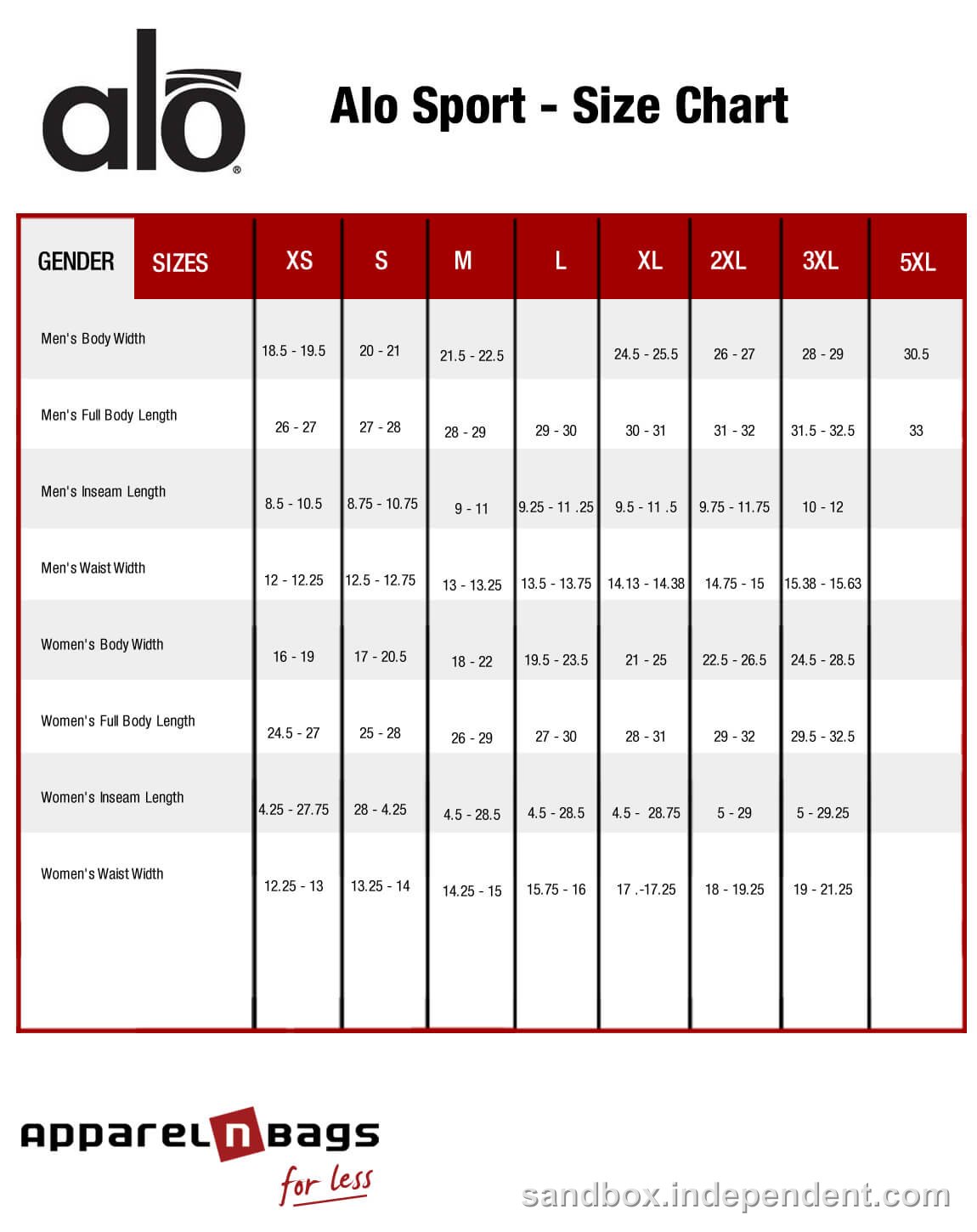
The chicos size chart is a handy tool to help you find your perfect fit when shopping for clothing. It provides a clear guide to the standard measurements used by Chicos, ensuring you can easily navigate their sizing system. This chart is a great reference, especially when shopping online, as it gives you an accurate idea of the sizes available and how they correspond to your own measurements.
Comparing Size Chart Standards
Chicos' size chart follows a standard format, typically based on US sizing, which is widely used in North America. This chart provides measurements for various body parts, including bust, waist, hips, and inseam, to ensure a precise fit. It's important to note that while US sizing is common, other regions may use different standards, such as metric or European sizing. So, if you're used to a different system, it's a good idea to double-check the specific measurements and conversions.
Measuring Yourself for Accurate Sizing
To use the chicos size chart effectively, you'll need to take some key measurements. Here's a step-by-step guide:
- Bust: Measure around the fullest part of your bust, keeping the tape measure parallel to the floor.
- Waist: Measure your natural waistline, usually just above the belly button.
- Hips: Find the widest part of your hips and measure around, ensuring the tape is level with the floor.
- Inseam: For pants and jeans, measure from your crotch to the desired pant length.
Once you have these measurements, you can refer to the size chart and find the closest match. The chart will provide a range of measurements for each size, so you can choose the one that best fits your body.
Common Misreadings and How to Avoid Them
One common mistake is assuming that all clothing brands use the same size standards. While Chicos' size chart is a great guide, it's always a good idea to check the specific brand's size guide, especially if you're a regular customer. Another pitfall is measuring yourself incorrectly. Ensure you're measuring the right body parts and following the guidelines accurately. Finally, don't forget that sizing can vary slightly between different styles and fabrics, so always check the product details for any specific size notes.
Hey there, we hope you found this guide helpful and that it's now easier to navigate the world of Chicos size charts. Remember, while we've covered the basics, exact details might differ slightly, so always double-check with the brand's guidelines or consult our other guides for more specific info.
Consider bookmarking this page for future reference; it's a handy tool to have at your fingertips when you need to quickly look up those size charts!