






Invoice Template In Google Docs Overview
I've just been thinking about all the construction going on around me lately, and it got me curious about construction outlook. You know, all those new builds and renovations, it's like a whole new world springing up. So, I decided to dig a bit deeper and see what's up with the construction game these days.
Understanding Construction Outlook
Construction outlook is basically a big-picture view of the construction industry. It's about understanding the trends, the costs, and the opportunities in the world of building and renovating. For anyone planning a project, whether it's a new home, an addition, or a renovation, having a handle on the construction outlook is super important. It can help you make informed decisions and avoid any nasty surprises.
So, what does it entail? Well, it's about keeping an eye on things like material costs, labor rates, and the general demand for construction services. These factors can vary wildly depending on your location and the specific project you have in mind. For example, in a place like San Francisco, you might expect higher costs due to the high demand for construction and the limited space, whereas a city like Helena might have a different set of challenges and opportunities.
Hiring and Costs
When it comes to hiring contractors or companies, the construction outlook can give you a good idea of what to expect. It's all about comparing quotes and understanding what you're paying for. You want to check out the scope of the work, the materials being used, and the timeline. A good quote will cover all these bases and more. It's also worth remembering that the cheapest quote might not always be the best. Sometimes, you get what you pay for, and construction is no exception.
Company Names and the Industry
For those in the industry, or thinking of starting a construction business, choosing a name is a big deal. It needs to be memorable, reflect your services, and be unique. Some construction companies go for a more traditional, descriptive name, like 'Atlanta Building Solutions', while others opt for something more creative, like 'Build-It-Right'. Either way, it's important to check the name's availability and register it locally and online to avoid any legal headaches down the line.
Jobs and Opportunities
The construction industry offers a whole range of jobs, from general contractors to estimators and project managers. These roles can vary in terms of salary and responsibilities, but they all play a crucial part in bringing projects to life. If you're looking for construction jobs, you'll probably find opportunities listed on job boards and company websites. It's a good idea to check out the larger construction firms, as they often have more diverse roles to offer.
Tools and Resources
There are also some great tools and resources out there to help with construction outlook. For example, RSMeans is a popular cost database that provides estimates for a range of construction projects. It's a handy resource for anyone wanting to get a handle on costs and stay informed about industry trends. There are also plenty of other cost indexes and databases out there, each with their own strengths and weaknesses.
The Big Picture
When it comes to the bigger construction companies, they often have the resources to take on larger, more complex projects. These firms might have a wider reach and the ability to offer a broader range of services. However, smaller companies can often provide a more personalized service and might be a better fit for certain projects. It all depends on your specific needs and the nature of your project.
So, there you have it. A little insight into construction outlook and what it means for those in the industry and those planning projects. It's a fascinating world, and one that's constantly evolving.
I hope this has given you some food for thought and a better understanding of the construction game. It's always good to be informed!
Related: What is the Redken Color Chart?
You're likely here because you're seeking clarity on the Redken color chart, a valuable resource for anyone wanting to navigate hair color options effectively. This chart is your go-to guide, offering a simple yet comprehensive overview of Redken's color range. It provides an easy-to-understand visual representation, ensuring you can make informed choices about your hair color journey.
Understanding the Redken Color Chart
The Redken color chart is a comprehensive guide to their hair color range, offering a visual representation of the various shades and tones available. It provides a standardized way to choose and mix colors, ensuring consistent results. This chart is an essential tool for professionals and enthusiasts alike, offering a clear reference for achieving desired hair colors.
Standard Color Notation: Comparing Options
The Redken color chart follows a simple and intuitive system. Each color is represented by a unique code, typically a combination of letters and numbers. For example, the code "GG" represents a specific shade of golden blonde. This notation allows for easy identification and mixing of colors. The chart also displays the intensity and tone of each color, helping users choose the right shade for their desired look.
Practical Application Tips: Step-by-Step Guide
To use the Redken color chart effectively, follow these steps:
- Identify your desired color family. The chart is organized into sections, making it easy to navigate.
- Choose the specific shade within that family. Consider the natural hair color and the desired level of lift or deposit.
- Note the color code and intensity. This information is crucial for accurate mixing.
- Follow the recommended mixing ratios and application techniques provided by Redken.
- Test a small strand to ensure the desired result before full application.
Common Misreadings and Pitfalls
While the Redken color chart is straightforward, there are a few potential pitfalls to avoid:
- Ensure you are using the correct chart for your region or standard. Redken may offer different charts for various markets.
- Pay attention to the color intensity and tone. A slight variation in these can lead to significantly different results.
- Be aware of the natural hair color and its impact on the final result. Pre-lightening or pre-pigmentation may be necessary for certain shades.
- Always refer to the Redken color wheel or swatches for a more visual representation of the final color.
- Remember, practice and experience are key to mastering color application.
Remember, while this guide offers a comprehensive overview, it's always beneficial to cross-reference with your specific needs. The Redken color chart is a versatile tool, but its application may vary depending on your unique circumstances.
Feel free to explore our other guides for a deeper understanding of hair care and styling. We've got plenty of resources to help you navigate the world of hair coloring and beyond!
Related: Malibu Tide Chart: A Quick Reference Guide
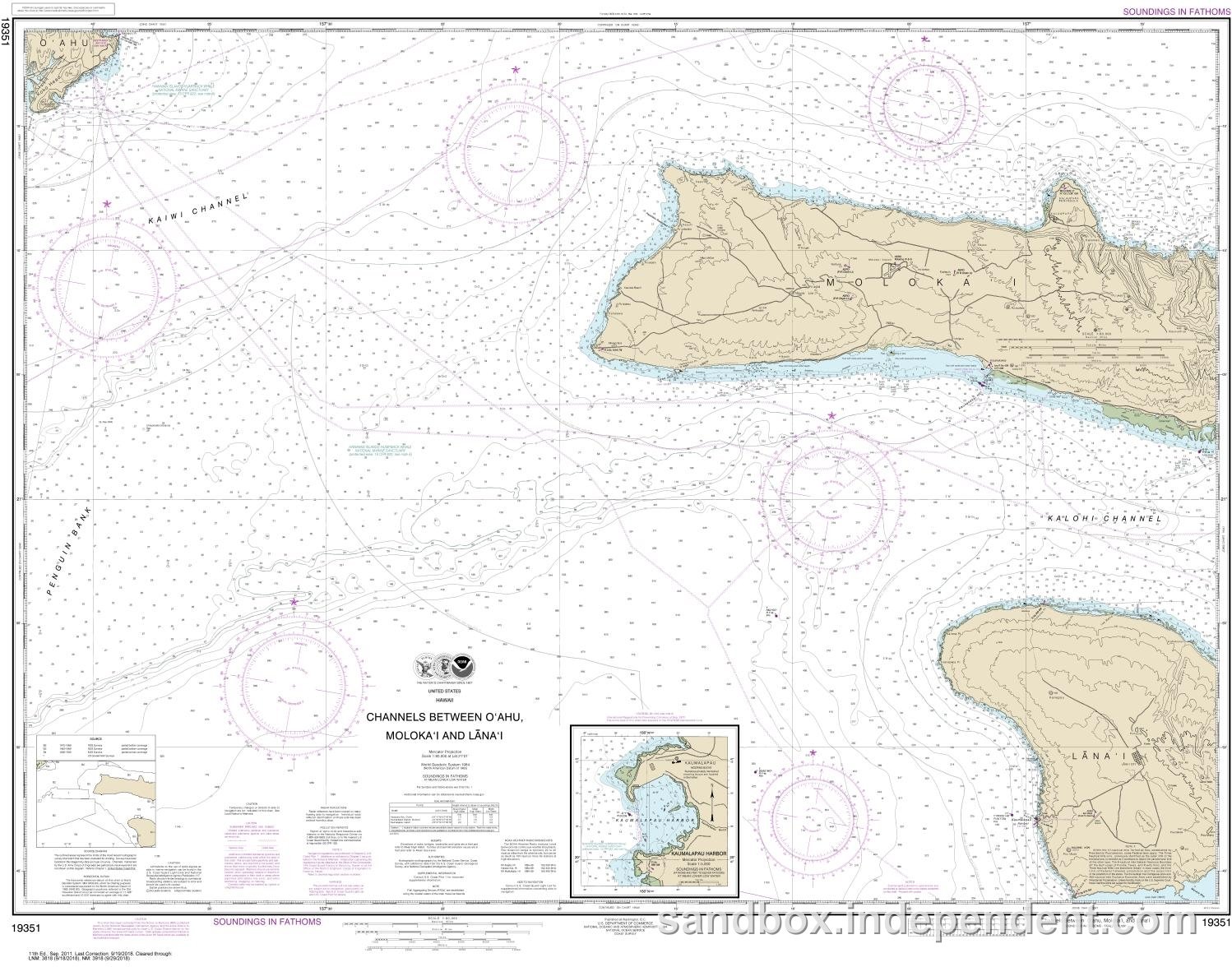
You're likely here because you need a reliable, at-a-glance reference for the Malibu tide chart, and you're right to seek it out. This chart is an essential tool for anyone planning activities along the Pacific coast, offering a quick glimpse into the tide times, heights, and ranges for Malibu. With this information, you can ensure your plans align with the current water levels, making your day on the coast a smooth and enjoyable one.
Malibu Tide Chart: A Practical Guide
The Malibu tide chart is a valuable tool for anyone planning coastal activities, offering a visual representation of the tide's behavior over time. This guide will help you understand and utilize this chart effectively.
Key Details and Units
The chart typically displays tide data for a specific location, in this case, Malibu. It shows the predicted tide heights and times for each day, often covering a monthly period. The units used are feet (ft) for tide height and a 24-hour clock for time. You'll find the date, tide height, and time clearly labeled on the chart.
Reading and Applying the Chart: Step-by-Step
To read the Malibu tide chart, follow these steps:
- Identify the date you're interested in by locating it on the chart's timeline.
- Find the corresponding tide height for that date. The height is usually represented by a line or a color-coded area.
- Note the time indicated for the tide height. This is the approximate time when the tide will reach that specific height.
- Repeat this process for multiple dates to plan your activities accordingly.
Understanding Common Fluctuations
Tide charts are based on scientific models and historical data, but variations can occur due to several factors:
- Weather conditions, especially strong winds and storms, can influence tide levels.
- Moon phases and their gravitational pull have a significant impact on tides.
- Local geography, such as the shape of the coastline and the depth of the sea floor, can cause deviations from the predicted tide.
Avoiding Common Mistakes
To ensure accurate interpretation:
- Always double-check the units of measurement. Different charts may use various units, so ensure you're familiar with the specific chart's conventions.
- Be mindful of the time format. Some charts use a 12-hour clock with AM/PM, while others use a 24-hour format.
- Remember that tide charts are predictions and can have a margin of error. Consider this when planning critical activities.
Practical Applications and Best Practices
The Malibu tide chart is an essential tool for various activities:
- Surfing: Plan your surfing sessions by identifying the best tide heights for optimal wave conditions.
- Fishing: Target specific tide heights known to attract fish.
- Boating: Ensure safe navigation by avoiding low tide areas where water levels may be shallow.
- Beach Activities: Choose the right time for beachcombing or walking on the shore, considering tide heights.
Safety Considerations and Edge Cases
While the Malibu tide chart is a reliable guide, it's essential to be aware of exceptions:
- Extreme weather events can cause significant deviations from predicted tides. Stay updated with local weather forecasts.
- For critical activities, always cross-reference the chart with real-time tide data, especially during periods of high uncertainty.
- Some locations may have unique tidal patterns due to their geography. Research local tide behaviors if you're unfamiliar with the area.
Remember, while this guide provides a solid foundation, it's always wise to cross-reference and ensure you're using the most up-to-date information for your specific needs. The world of tide charts can be a fascinating one, and there's always more to explore.
Feel free to check out our other guides and resources for a deeper dive into various topics. We've got you covered with practical, no-nonsense information to make your adventures smoother and more enjoyable. Happy exploring!