

Invoice Template Qbo Overview
A hair color chart is a valuable tool for anyone seeking to explore the world of hair coloring, offering a visual guide to an array of shades and tones. This simple yet effective reference, often presented as a table or diagram, provides an easy way to navigate and understand the vast options available. In this guide, we'll uncover the key elements of the hair color chart, ensuring you can confidently interpret and utilize it for your hair coloring needs. Whether you're a professional stylist or a home enthusiast, a basic understanding of this chart is essential, as it can vary slightly between brands and regions.
Hair Color Chart: A Visual Guide to Hair Dye
Hair color charts are essential tools for anyone looking to achieve a specific hair color. These charts provide a visual representation of various hair shades, helping individuals choose and understand the desired color outcome.
Key Details and Categories
The hair color chart typically consists of a range of colors, often organized in a grid or palette format. Each color is assigned a unique code or number, indicating its position on the chart. These codes are essential for accurate communication when selecting and purchasing hair dye. The chart may also include additional information, such as tone, level, and intensity, to further describe the color.
Reading and Applying the Chart
To use the hair color chart effectively, follow these steps:
Identify the desired hair color by referring to the chart. Compare the existing hair color to the chart to determine the best match or desired change.
Note the color code or number associated with the chosen shade. This code is crucial for selecting the correct hair dye product.
When purchasing hair dye, check the product label for the color code. Ensure it matches the desired shade to avoid any surprises.
Follow the instructions provided with the hair dye for application. Pay attention to the recommended development time and any specific mixing instructions.
Test the color on a small strand of hair before full application. This step helps ensure the desired result and prevents any unwanted surprises.
Variations and Differences
It's important to note that hair color charts can vary depending on the standard or brand being used. Different manufacturers may have their own unique charts and color codes. Additionally, factors like lighting, hair porosity, and previous hair treatments can influence the final color outcome.
Lighting conditions can affect how the color appears, so consider testing the dye in natural light to get an accurate preview.
Hair porosity, which refers to the hair's ability to absorb moisture, can impact color absorption and intensity.
Previous hair treatments, such as bleaching or using certain shampoos, can also alter the way hair absorbs and displays color.
Common Mistakes and How to Avoid Them
One common mistake is relying solely on the hair color chart without considering individual hair characteristics. Always take into account your hair's natural color, texture, and any previous treatments. Another pitfall is neglecting to test the dye on a small section of hair before full application. This simple step can prevent unwanted color results.
Practical Tips for Accurate Results
To achieve accurate results, consider the following best practices:
Consult with a professional hairdresser or colorist, especially if you're new to hair dye or seeking a dramatic change. They can provide expert advice and ensure a safe, satisfactory outcome.
Understand the hair color levels and their impact on the final result. Levels refer to the lightness or darkness of a hair color, and choosing the right level is crucial for achieving the desired shade.
Be aware of the color wheel and how colors interact. Complementary colors can enhance each other, while contrasting colors may create a unique effect.
When mixing colors, start with a small amount and gradually add more to avoid over-saturation or unwanted results.
Remember, hair color charts are valuable guides, but they are not infallible. Always consider individual hair characteristics and consult professionals when needed.
Remember, while this guide provides a solid foundation, the specifics may differ slightly depending on the context and reference you're working with. It's always a good idea to double-check and adapt to your particular situation.
Feel free to explore our other guides for more practical tips and insights. We've got a range of topics covered, so you can find the information you need to navigate any project with confidence. Happy learning and experimenting!
Related: What are Clone Hero charts all about?
Many newcomers to clone hero charts assume they are complex and intimidating, but in reality, they are a simple and effective tool for music gamers. These charts, often associated with games like Clone Hero and Guitar Hero, provide an easy-to-read visual representation of the song's notes and rhythms. While there may be variations in chart formats, the core principle remains the same: a clear path to follow, much like a note highway.
What Are Clone Hero Charts?
Clone Hero charts are a visual representation of a song's notes and their timing, designed to guide players through the gameplay of Clone Hero, a popular music rhythm game. These charts are essentially a roadmap for players to follow, indicating when and where to press the corresponding buttons to hit the notes accurately.
Understanding the Layout and Key Details
The chart displays a note stream, often referred to as the note highway or note track, which represents the flow of notes in a song. Each note is represented by a small circle or marker, and these notes are arranged in a specific pattern across the chart. The chart typically uses a grid-like structure, with the vertical axis indicating time and the horizontal axis representing the different lanes or frets. The notes are color-coded, with each color corresponding to a specific button or fret on the game's controller. Common colors include red, yellow, green, blue, and orange, each associated with a particular button. Additionally, the chart may include special notes, such as star power notes, indicated by unique symbols.
Reading the Note Stream and Playing the Song
To read and play a Clone Hero chart accurately, follow these steps:
- Start by familiarizing yourself with the layout and note colors. Ensure you know which color corresponds to which button or fret.
- Observe the note stream and identify the pattern. Notes are often grouped together in chords or sequences, so recognizing these patterns is crucial.
- As the song progresses, pay attention to the timing. The vertical axis indicates when each note should be played.
- Press the corresponding button or fret when the note marker reaches the designated lane. This action simulates strumming or fretting on a real guitar.
- For more advanced techniques, such as star power activation or specific finger placements, refer to the chart's symbols and follow the indicated actions.
Variations and Differences in Chart Standards
Clone Hero charts can vary depending on the song's genre, difficulty level, and the creator's style. Different chart makers may have unique approaches to note placement and timing, leading to variations in the chart's layout and complexity. Additionally, regional differences and game version updates can impact chart standards. Always check the chart's metadata or accompanying information to ensure you are using the correct version for your game setup.
Common Mistakes and How to Avoid Them
One of the most common mistakes is failing to recognize note patterns and timing accurately. Take time to study the chart and understand the song's rhythm. Another pitfall is neglecting to calibrate your game settings, which can cause timing issues. Ensure your game is properly calibrated to match your input device's response time. Additionally, some players may rush through the song, leading to missed notes. Maintain a steady pace and focus on precision.
Practical Tips for Accurate Chart Reading
To enhance your chart-reading skills and gameplay, consider these tips:
- Practice recognizing note patterns and chord progressions. This skill will improve your ability to anticipate and play notes accurately.
- Use practice modes or slower song speeds to familiarize yourself with the chart before attempting a full playthrough.
- Pay attention to your finger placement and strive for consistency. Proper finger placement can improve your accuracy and reduce fatigue.
- Take breaks and rest your hands to prevent strain, especially during longer play sessions.
Double-Checking and Handling Edge Cases
While Clone Hero charts provide a comprehensive guide, it's essential to double-check specific details, especially for complex songs or unique gameplay elements. Some charts may include custom symbols or notation, so refer to the chart's documentation or creator's notes for clarification. Additionally, if you encounter a chart with an unfamiliar layout or notation style, consider seeking guidance from the Clone Hero community or referencing other charts for comparison.
Well, there you have it! Clone hero charts are a handy tool, and now you know the ins and outs. Remember, the key is to understand the basics and then tailor them to your specific needs.
Before you go, just a quick reminder to always check the relevant standards and sources for your project. Exact values and terminology can vary, so it's best to double-check and ensure accuracy. Consider this guide a starting point, and feel free to bookmark it for future reference. Happy charting!
Related: Suit Size Chart: A Quick Reference Guide
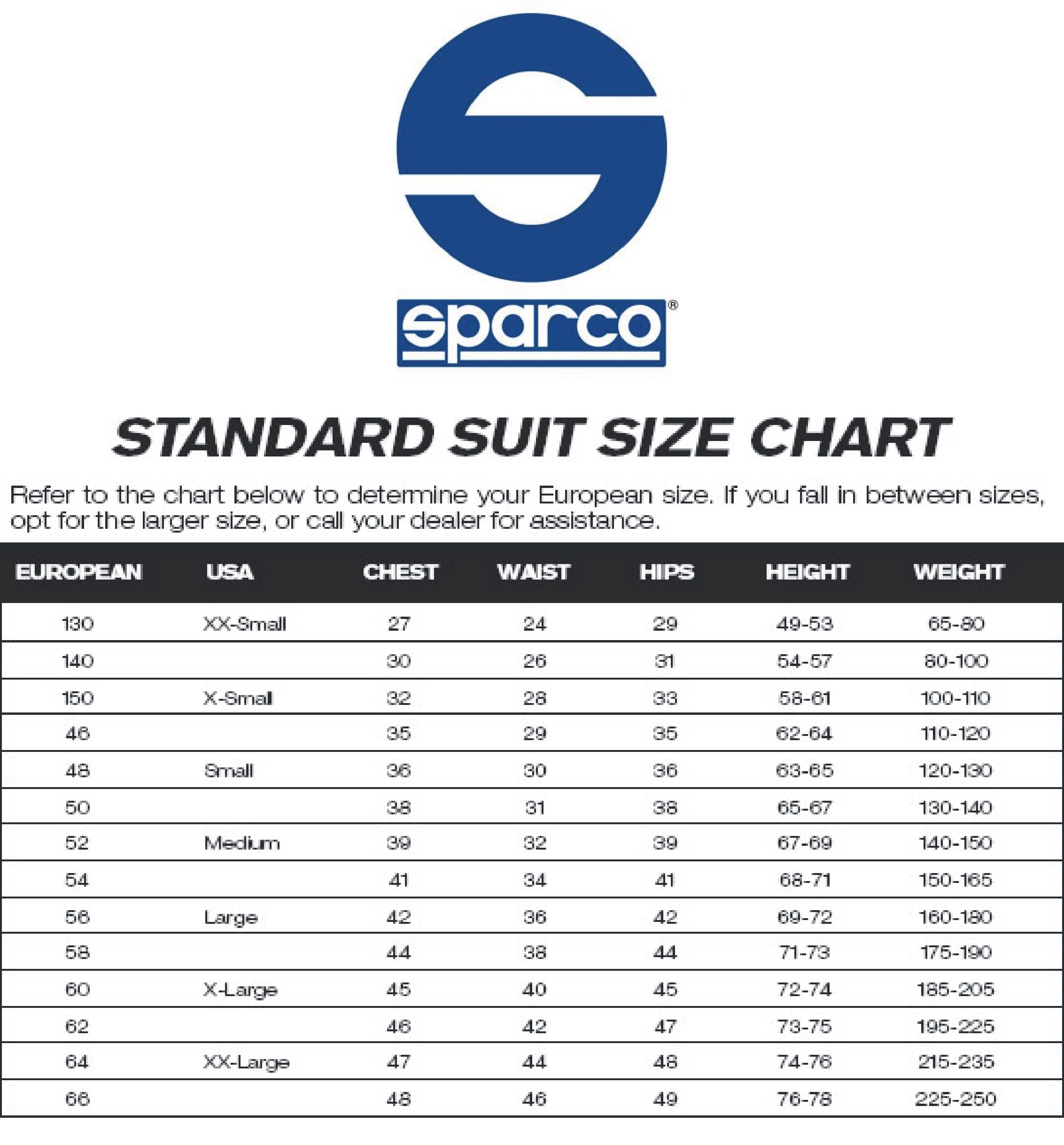
You're likely here because you need a suit size chart to ensure a perfect fit, and you're right to prioritize this. A well-fitted suit is essential, and having an accurate reference is key. The chart provides a simple yet effective way to determine your size, whether you're measuring yourself or referring to a tailor's guide. It's a straightforward process, but it's worth noting that sizing can vary slightly, depending on the brand and your personal preferences. With a quick glance at the suit size chart, you can navigate the differences and find the right measurements for a suit that flatters your figure.
Understanding the Suit Size Chart: A Quick Overview
The suit size chart is an essential tool for anyone looking to purchase or tailor a suit. It provides a standardized guide to help you find the perfect fit for your body type and preferences. This chart offers a simple yet effective way to determine your suit size, ensuring a comfortable and stylish look.
Comparing Suit Size Chart Standards and Formats
Suit size charts can vary slightly depending on the region and standard being used. The most common standards are the US and EU systems, each with its own measurement units and categories. The US system typically uses inches, while the EU system employs centimeters. It's crucial to know which standard you are referring to when using a size chart.
The charts often include categories such as chest size, waist size, and jacket length, providing a comprehensive guide for both the jacket and pants. These categories are further divided into specific measurements, ensuring a precise fit. For instance, the chest size may be categorized into small, medium, and large, with corresponding numerical ranges.
Taking Accurate Measurements: A Step-by-Step Guide
To use the suit size chart accurately, follow these steps:
- Gather a measuring tape and a mirror. Ensure the tape is flexible and can conform to your body's curves.
- Measure your chest size by wrapping the tape around your chest at the widest point, usually just below your armpits. Record this measurement.
- Determine your waist size by measuring the narrowest part of your waist. This measurement is crucial for a well-fitted jacket and pants.
- For jacket length, measure from the base of your neck to where you want the jacket to end. This measurement ensures the jacket's length suits your preference and body type.
- Compare your measurements to the suit size chart's categories and ranges. Choose the size that best aligns with your measurements for a comfortable and stylish fit.
Common Misreadings and How to Avoid Them
Misinterpreting the suit size chart is common, especially when dealing with different standards and measurement units. Always ensure you are using the correct standard for your region or the manufacturer's specifications.
Another pitfall is assuming that one size fits all. Suit sizes can vary between brands and styles, so it's essential to double-check the exact specifications, especially when ordering online. Additionally, remember that the chart provides a guide, and slight variations are normal.
Key Factors Affecting Accuracy and Real-World Use
- Suit measurement guide: Ensure you follow the guide accurately, taking precise measurements.
- Common size variations: Suit sizes can differ between brands, so always check the manufacturer's size guide.
- Pant waist size: This measurement is crucial for a comfortable fit and should be considered carefully.
- Standard suit sizing: While charts provide a standard, individual body shapes and preferences may require adjustments.
- Cm to inches conversion: If you are used to one unit of measurement, ensure you understand the conversion when referring to a different standard.
Adapting the Chart for Your Specific Needs
The suit size chart is a versatile tool, and you can adapt it to suit your preferences and body type. If you prefer a more tailored look, you can use the chart as a starting point and make adjustments based on your measurements.
For instance, if you have a broader chest and a narrower waist, you may need to size up for the jacket and size down for the pants. The chart provides a foundation, but it's essential to consider your unique body shape and style choices.
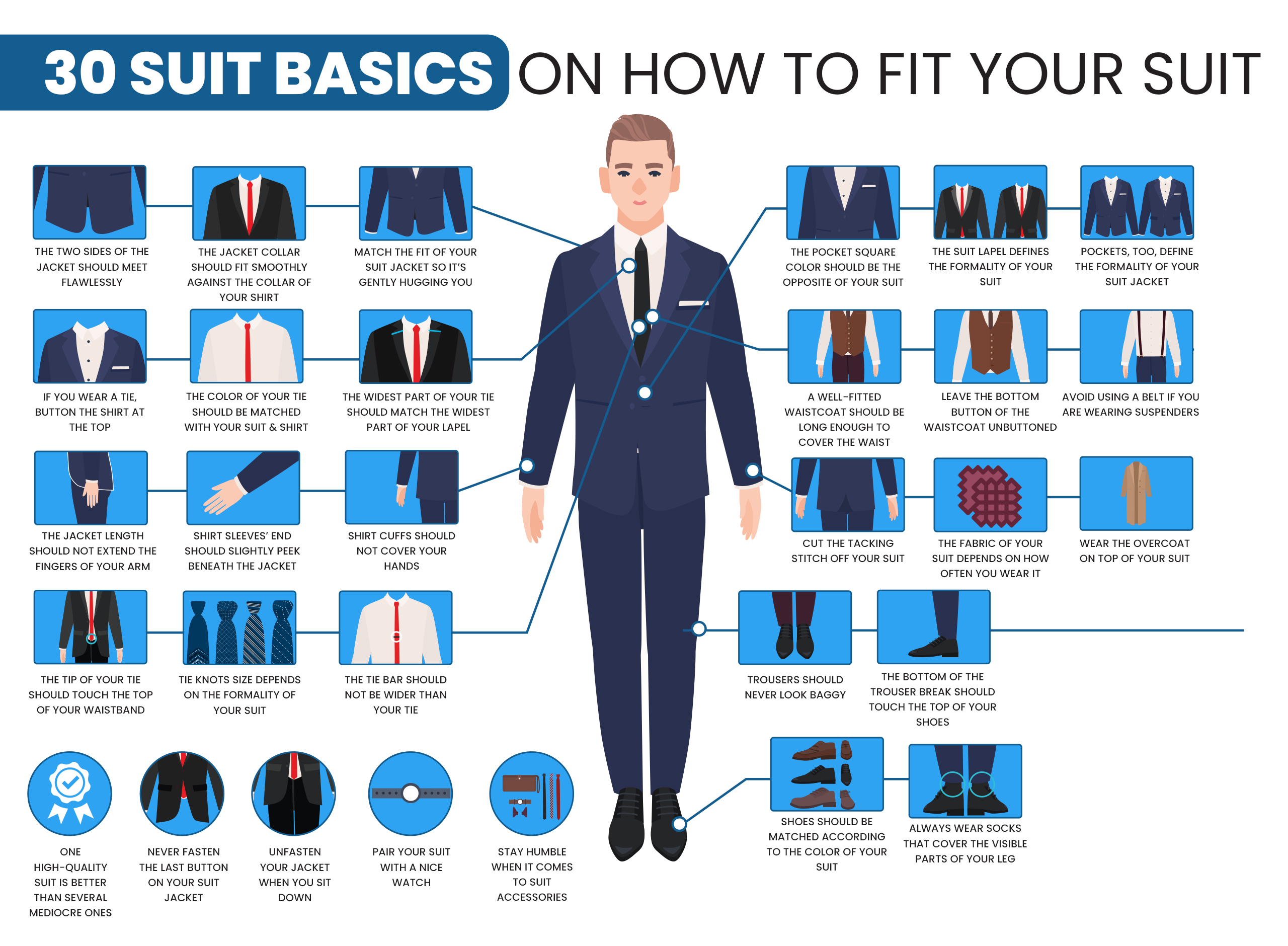
Remember, the perfect suit fit is a combination of accurate measurements and personal preference. With the right suit size chart and a little tailoring, you can achieve a stylish and comfortable look.
Remember, while this guide offers a comprehensive overview, the exact details can vary slightly across different sources and standards. It's always a good idea to refer back to this page for a quick refresh when you need it, and feel free to explore our other guides for more practical tips and insights. Stay organized, and happy measuring!