

Invoice Template Rent Overview
You're probably here because you need a quick conversion fix, and who can blame you? The inch to mm chart is your go-to resource for an accurate and fast length conversion. It's a handy tool, especially when you're in a pinch and need to understand measurements across different systems. This chart is a simple yet effective way to ensure you get your conversions right, whether you're dealing with inches to centimeters or imperial to metric.
Understanding the Inch to mm Chart
The inch to mm chart is a handy reference tool for quickly converting inch measurements to millimeters. It's a practical way to ensure accurate conversions, especially when working with different measurement systems. This chart provides a simple visual guide, making it accessible for everyday use.
Key Details and Units
Before we dive in, let's clarify some basics. The chart typically displays inches on one axis and millimeters on the other, with corresponding values for each unit. You'll find a range of values, often starting from 0 and going up in small increments, like 0.1 inches or 1 mm. It's essential to know that the chart follows a specific standard, usually the imperial to metric conversion, ensuring consistency.
Step-by-Step Conversion Process
Using the inch to mm chart is straightforward. First, locate the inch value you want to convert on the chart. Then, follow the corresponding line or column to find the equivalent millimeter value. For instance, if you have 2 inches, find the 2-inch mark and read across to see it equals approximately 50.8 mm. That's it! Simple and quick.
Variations and Differences
While the inch to mm chart is a reliable tool, variations can occur due to different standards and contexts. For example, some charts might offer more precise conversions, especially for smaller increments. Additionally, certain industries or regions might have specific requirements, leading to slight variations. It's crucial to double-check if you're working with precise measurements or specialized fields.
- Here are some key factors that can cause variations:
- Standard deviations: Different countries or industries might use slightly different conversion factors.
- Precision needs: More detailed charts are available for precise measurements.
- Specialized fields: Certain professions, like engineering, might require unique charts.
Common Mistakes and How to Avoid Them
One common mistake is misreading the chart, especially when dealing with small increments. Always ensure you're following the correct line or column for your measurement. Another pitfall is assuming all charts are the same. Remember, variations exist, so double-check if precision is critical. Lastly, be aware of the conversion direction. The chart usually converts inches to mm, so be clear on which unit you're starting with.
To summarize, the inch to mm chart is a valuable tool for quick and accurate conversions. By understanding the basics, following a simple step-by-step process, and being aware of potential variations, you can ensure precise measurements. Remember, when in doubt, always refer to the specific standards or guidelines for your field. Happy converting!
Hey there! I hope this inch to mm chart has been a helpful resource for you. It's always good to have these handy conversions at your fingertips, especially when you need to quickly reference measurements.
Remember, while this chart provides a reliable guide, exact values can vary slightly depending on the standard or source you use. So, it's always a good idea to double-check your specific requirements and context before finalizing any measurements.
Feel free to bookmark this page for future reference. It's a simple yet practical tool to have in your back pocket for those unexpected measurement needs!
Related: Find Your Perfect Club Length: A Simple Guide
A club length chart is a valuable tool for golfers, offering a simple yet effective way to navigate the world of golf club sizing. This guide aims to demystify the process, ensuring you can quickly and confidently understand and utilize these charts.
The charts provide a standardized reference for golf club lengths, typically covering various club types like drivers, irons, and more. While values may vary slightly depending on factors such as brand and region, these charts offer a reliable starting point for custom club fitting, ensuring an accurate and personalized golf experience.
Understanding the Club Length Chart
A club length chart is an essential tool for golfers and club fitters, providing a standardized reference for determining the optimal length of golf clubs. This chart ensures consistency and helps golfers find the right fit for their game.
Standard Measurements Explained
The club length chart typically displays a range of club lengths, usually in inches, for various types of clubs. It covers all the essential clubs, including drivers, fairway woods, hybrids, irons, and wedges. The chart provides a quick reference for golfers to identify the standard length of each club based on their height and playing style.
How to Read and Apply the Chart
To use the club length chart, follow these steps:
Identify your height. This is a critical factor in determining the right club length.
Refer to the chart and locate your height range. Most charts provide a height range with a recommended club length.
Consider your playing style and preferences. The chart offers a standard length, but you can adjust based on your comfort and swing.
Measure your existing clubs. If you already have a set, measure the length and compare it to the chart. This helps ensure consistency and allows for easy adjustments.
Make informed decisions. The chart provides a starting point, but custom club fitting can further refine the length to suit your unique swing and performance goals.
Common Adjustments and Variations
While the club length chart offers a standardized guide, several factors can influence the ideal club length:
Height and physical attributes: Taller golfers often require longer clubs, while shorter players may need shorter ones.
Swing speed and tempo: A faster swing may benefit from slightly longer clubs, while a slower swing might perform better with shorter ones.
Playing conditions: Different course conditions can impact club selection and length. For example, longer clubs might be preferred for windy conditions.
Personal preference: Ultimately, the golfer's comfort and confidence with the club's length are crucial.
Remember, while the club length chart provides a solid foundation, it's essential to consider individual factors and seek professional advice for a precise custom fitting.
As you navigate the world of club lengths, remember that precision is key. While this chart provides a solid foundation, it's essential to cross-reference with your specific requirements. Exact values can vary, so a quick double-check ensures you're on the right track.
Consider bookmarking this page for future reference; it's a handy tool to have at your fingertips when you need a quick reminder. Stay organized, and happy measuring!
Related: Find Your Perfect Quilt Size with This Easy Chart
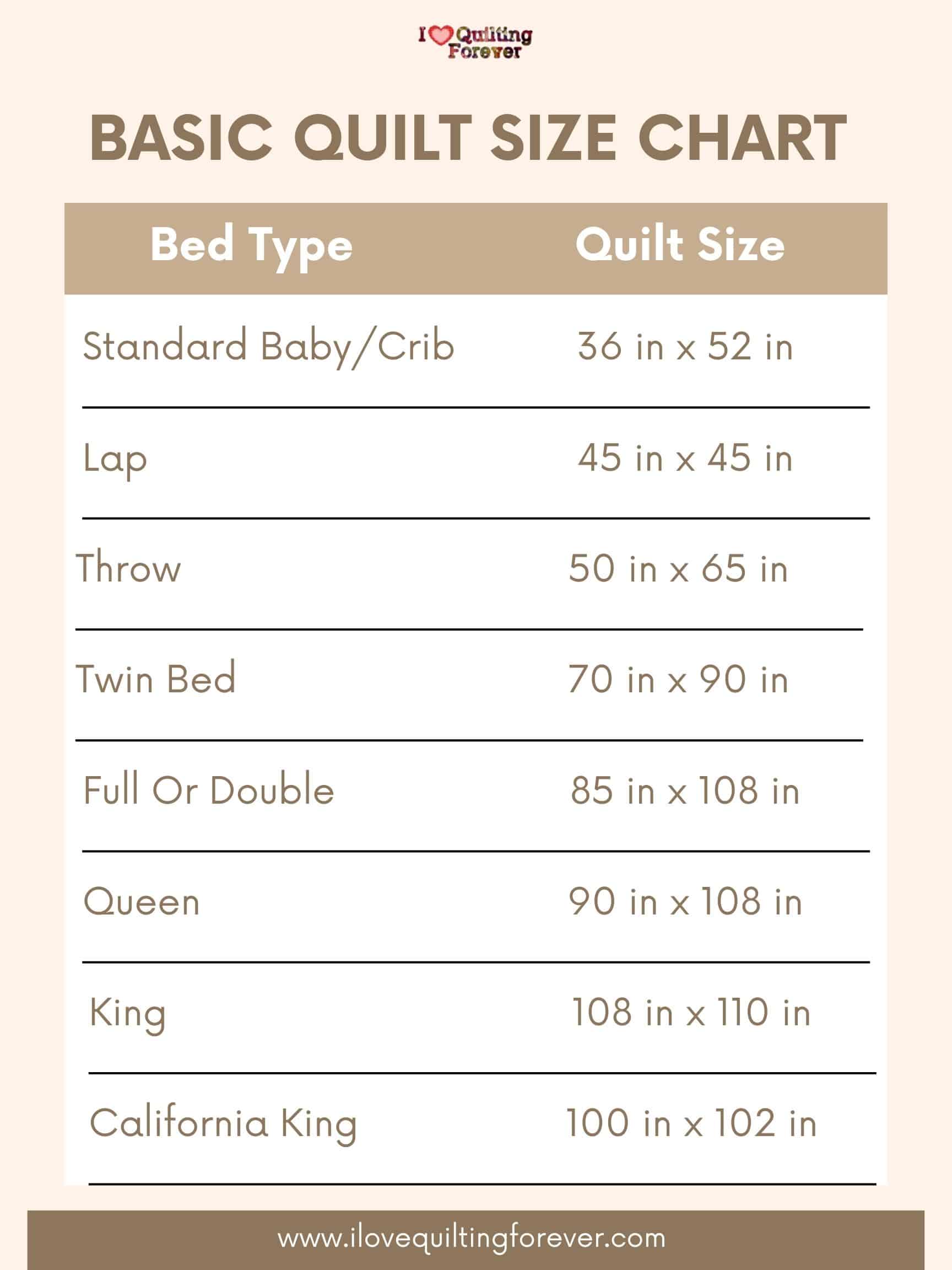
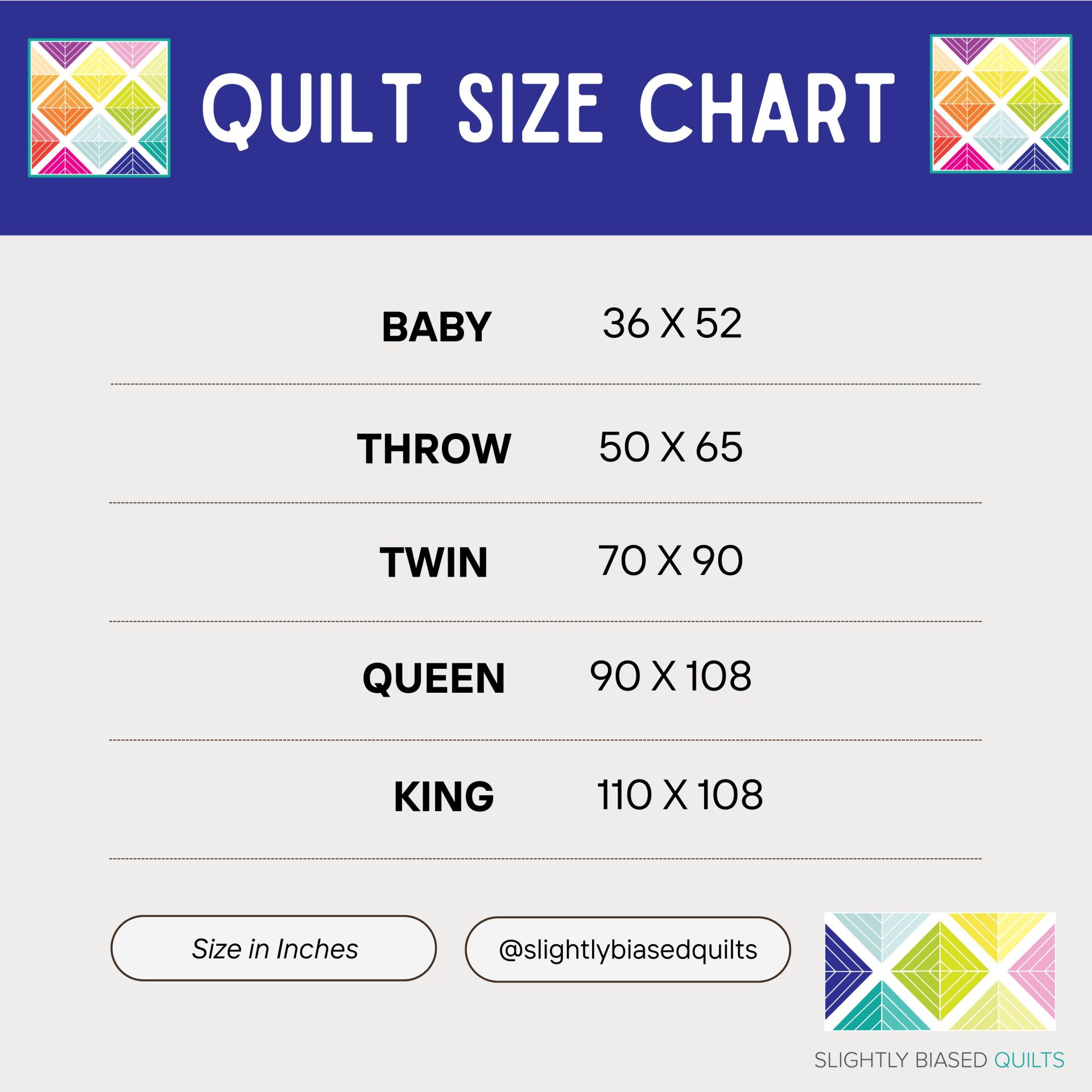
A quilt size chart is a handy tool for quilters and crafters, offering a quick guide to standard quilt dimensions. This simple reference ensures your projects turn out perfectly sized, every time.
The chart covers a range of common quilt sizes, from crib quilts to king-size creations. It's a useful resource, especially when you're working with different quilt patterns and want consistent results. Keep in mind that quilt sizes can vary slightly between regions and standards, so it's a good idea to check the chart's source for any specific details.
Quilt Size Chart: A Guide to Standard Sizes
Quilt size charts are a handy tool for quilters and crafters, providing a quick reference for the standard dimensions of quilts. These charts offer a practical guide to ensure your quilts fit the intended purpose, whether it's a cozy bed cover or a baby crib quilt. Let's dive into understanding this chart and how to use it effectively.
Key Details and Units
The quilt size chart typically includes a range of common quilt sizes, from crib quilts to king-size bed quilts. It provides the length and width measurements in inches, which are standard units for quilt sizes. Some charts may also include metric measurements for international use. The chart categories often cover crib, twin, full, queen, and king sizes, along with their respective dimensions.
Reading the Chart: A Step-by-Step Guide
Using the quilt size chart is straightforward. First, identify the purpose of your quilt. Are you making a baby quilt, a bed cover, or a unique size for a specific project? Once you know the intended use, locate the corresponding category on the chart. For instance, if you're making a queen-size bed quilt, find the "Queen" category. The chart will provide the recommended length and width measurements for that size. Simply follow these dimensions when cutting and assembling your quilt top, backing, and batting.
Variations and Differences
While the quilt size chart offers standard measurements, variations can occur due to different standards and contexts. For example, some regions may use metric measurements, leading to slight differences in dimensions. Additionally, quilt sizes can vary based on the intended use. A crib quilt for a baby might have different dimensions compared to a decorative wall hanging quilt. It's essential to consider the purpose and any specific requirements when using the chart.
Common Mistakes and How to Avoid Them
One common mistake is assuming that all quilts must adhere strictly to the chart's measurements. Remember, the quilt size chart provides guidelines, but your personal preferences and the project's needs may vary. Another mistake is overlooking the intended use. Always consider whether you're making a bed quilt, a throw, or a unique size for a specific purpose. Misinterpreting the chart's categories can also lead to errors. Ensure you understand the difference between crib, twin, and other sizes before selecting your measurements.
Practical Tips for Accurate Sizing
To ensure accurate sizing, double-check the specific requirements for your project. If you're making a quilt for a bed, measure the bed's dimensions and consider the desired overhang. For unique projects, measure the intended space and adjust the quilt size accordingly. It's also beneficial to have a basic understanding of fabric widths and yardage requirements. This knowledge will help you calculate the fabric needed for your quilt size accurately. Lastly, consider the quilt's purpose and any personal preferences for thickness or design elements that might impact the overall size.
By following these practical tips and understanding the quilt size chart, you'll be well-equipped to create quilts that fit perfectly for their intended use. Happy quilting!
Hey there, quilter! Now that we've covered the ins and outs of quilt sizes, remember that these details can shift a bit depending on your specific project and the resources you're using. So, keep an eye out for any variations and adapt as needed.
If you're new to quilting or just want a handy reference guide, be sure to bookmark this page for future use. It's a great way to ensure your quilts turn out perfectly sized every time!