







Invoice Template Sheet Overview
Frustrated by the lack of clarity on jazz depth charts? You're not alone. Many musicians and enthusiasts seek a straightforward guide to understanding these charts, which can vary in format and structure. The jazz depth chart is a valuable tool, offering a snapshot of a jazz ensemble's hierarchy and roles. It provides a quick reference, ensuring everyone knows their place and purpose within the band's dynamic. Whether it's a jazz band hierarchy or a big band organization, these charts are essential for smooth collaboration and performance.
Understanding the Jazz Depth Chart: A Practical Guide
A jazz depth chart is a visual representation, often in the form of a diagram or table, that outlines the typical hierarchy and structure of a jazz ensemble. It provides an overview of the instrumental roles, their relative importance, and the standard setup for a jazz band. This chart is an essential tool for musicians, composers, and arrangers, offering a quick reference for understanding the dynamics and organization of a jazz group.
Comparing Common Instrumentation and Formats
The jazz depth chart typically features a range of instruments, each with its designated position and role. Common categories include the rhythm section, which forms the backbone of the ensemble, and the front line, which takes the lead in improvisation. The rhythm section often includes piano, bass, drums, and sometimes guitar, while the front line can feature a variety of instruments like saxophone, trumpet, trombone, and vocals. The chart may also indicate the number of players per section, providing a standard framework for jazz band hierarchy.
Reading and Applying the Depth Chart: A Step-by-Step Guide
Start by familiarizing yourself with the chart's layout. Identify the different sections and their respective instruments. Look for any labels or legends that explain the symbols or abbreviations used.
Understand the relative importance of each instrument. The depth chart often uses a visual hierarchy, with larger or more prominent symbols representing key instruments or sections.
Consider the number of players suggested for each section. While this can vary, the chart provides a standard guide, ensuring a balanced and functional ensemble.
When arranging or composing for a jazz band, use the depth chart as a starting point. It offers a clear structure to build upon, ensuring a well-organized and harmonious performance.
Adapt the chart to your specific needs. While it provides a standard framework, jazz is an art form that encourages creativity and experimentation. Feel free to modify the setup to suit your musical vision.
Avoiding Common Misreadings and Pitfalls
One common mistake is assuming that the jazz depth chart is a rigid, unchangeable blueprint. While it provides a standard structure, jazz is a flexible genre, and variations are common. Always consider the specific context, the style of jazz being performed, and the unique talents of the musicians involved.
Another pitfall is neglecting to consider the dynamics and interplay between sections. The depth chart is a guide, but the true magic of jazz lies in the interaction and improvisation between musicians. Ensure your arrangements allow for this creative freedom.
Key Factors Affecting Accuracy and Real-World Use
The accuracy of a jazz depth chart can vary depending on the specific jazz style and regional influences. For instance, a big band setup may differ from a small jazz combo, and international variations may exist. Always consider the context and double-check specific requirements or tolerances when necessary.
Additionally, the chart's effectiveness relies on the skill and creativity of the musicians. While it provides a framework, the true essence of jazz comes from the unique interpretations and improvisational skills of the performers.
Adapting the Chart for Specific Needs and Formats
While the jazz depth chart offers a standard guide, it can be adapted to suit various formats and genres. For instance, a jazz fusion band may require additional electric instruments, or a Latin jazz ensemble might feature percussion instruments not typically found in a traditional jazz band.
When adapting the chart, consider the unique characteristics of the style you're working with. Ensure the adapted setup still maintains a balanced and harmonious ensemble, allowing for the creative interplay that defines jazz music.
Well, that's a wrap on our exploration of the jazz depth chart and its practical applications. We've covered a lot of ground, from understanding the basics to tailoring the chart to your unique needs.
Remember, when applying these concepts, it's essential to consider your specific context and requirements. Exact values and formats may vary, so always double-check what works best for your situation. Feel free to explore our other guides; we've got a range of topics that might interest you and provide further insights into the world of jazz and its many facets. Happy reading and, as always, keep that jazz spirit alive!
Related: Find Your Perfect Fit: vuori size chart guide
"Vuori size chart" is your trusted companion when shopping for the perfect fit. This guide will walk you through the essentials, ensuring you understand how to navigate and utilize this valuable tool effectively.
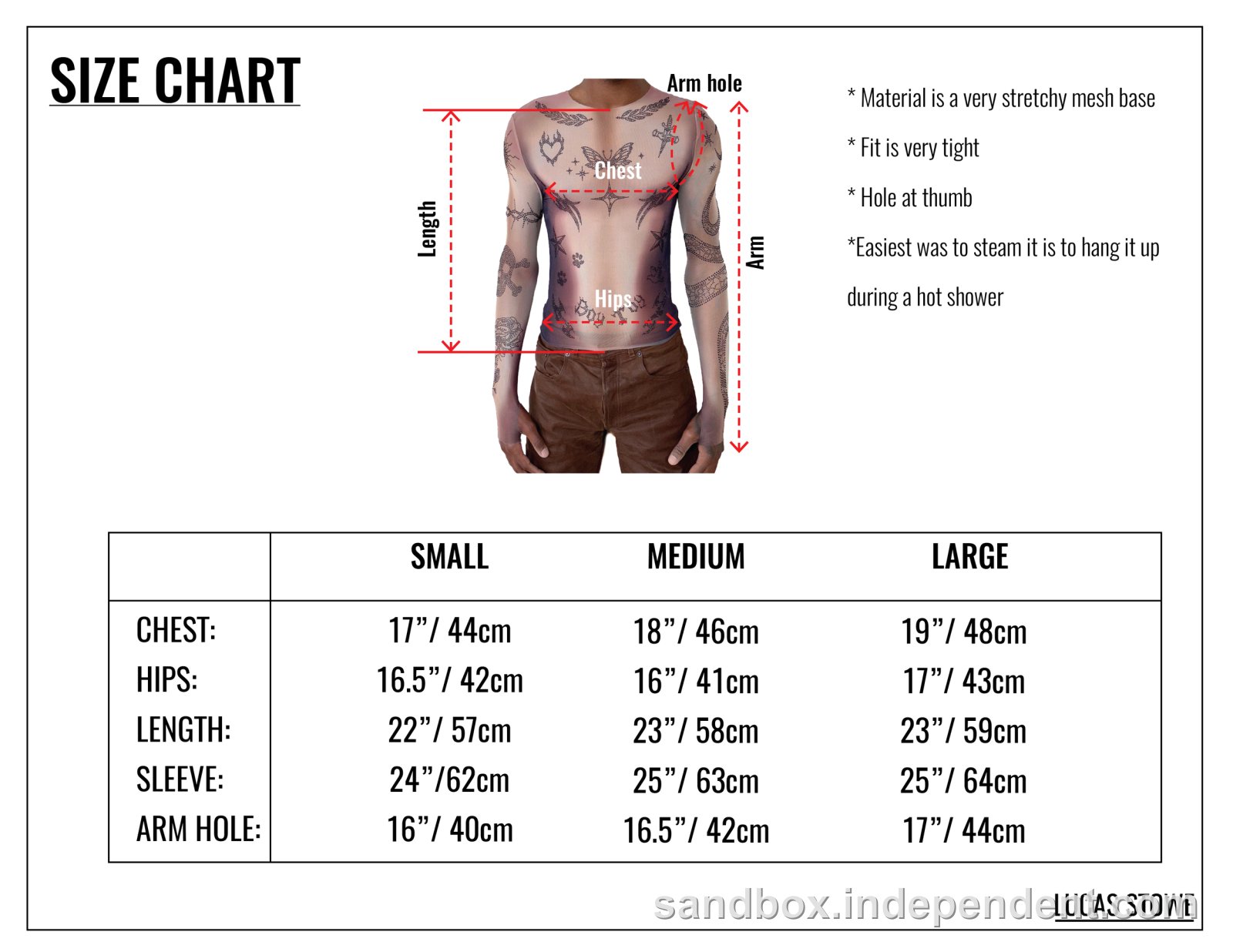
The Vuori size chart is a simple yet powerful resource, offering a clear and concise overview of sizing options. It's a quick reference, ensuring you find the right fit for Vuori's activewear and apparel. While standards can vary, this chart provides a reliable starting point for your sizing journey.
Understanding the Vuori Size Chart
The Vuori size chart is a handy tool that helps you find the perfect fit for your activewear. It's a simple guide that ensures you get the right size for your body and the style you want. This chart is a great way to shop with confidence, especially when buying online.
Key Details and Categories
The Vuori size chart covers a range of sizes, typically from extra small to extra large, and sometimes even beyond. It provides measurements for key body parts, such as chest, waist, hips, and inseam length. These measurements are crucial for a comfortable and flattering fit. The chart also includes specific size categories, like small, medium, and large, which are standard across many clothing brands.
Reading and Applying the Chart
Using the Vuori size chart is straightforward. First, locate your usual size based on your height and weight. Then, check the corresponding measurements for chest, waist, and other relevant body parts. Compare these measurements with your own body's dimensions. If you're between sizes, consider going for the larger size for a more relaxed fit, or the smaller size for a more fitted look. It's all about personal preference and the style of the garment.
Size Variations and Differences
It's important to note that size charts can vary slightly between brands and even within a brand's different product lines. Vuori apparel sizing guide may have slight variations depending on the fabric and design of the garment. For instance, a relaxed-fit top might have a looser fit than a more structured jacket, even if they are the same size. Additionally, personal preferences and body types can also influence the fit. Some people prefer a snug fit, while others like a looser, more comfortable feel.
Common Mistakes and How to Avoid Them
One common mistake is relying solely on your usual size without considering the specific measurements. Every brand's size chart can differ, so always refer to the Vuori size chart for accurate sizing. Another pitfall is not measuring yourself correctly. Ensure you measure your body accurately, following the guide's instructions. Lastly, don't forget to consider the style and fit of the garment. Some items are designed to be more fitted, while others are meant to be loose and relaxed.
Tips for a Perfect Fit
To ensure the best fit, always measure yourself before ordering. Use a flexible tape measure and follow the guide's instructions for accurate measurements. If you're unsure, it's a good idea to measure a garment you already own and love the fit of. Compare these measurements with the Vuori size chart to find your ideal size. Remember, the chart is a guide, and personal preferences play a role. If you prefer a looser fit, choose a size up; for a more tailored look, go for a size down.
By following these tips and understanding the Vuori size chart, you'll be able to shop with confidence and enjoy the perfect fit for your activewear. Happy shopping!
Well, there you have it! A size chart can be a handy tool, but it's important to remember that these are general guides, and your personal fit may vary. Always consider your own preferences and the specific garment's style when choosing a size.
So, before you hit the checkout, take a moment to ensure you've got the right measurements and context covered. It's a simple step that can save you time and ensure a perfect fit. And hey, if you need a quick reference in the future, just bookmark this page for easy access!
Related: Construction Name Ideas Essential Guide
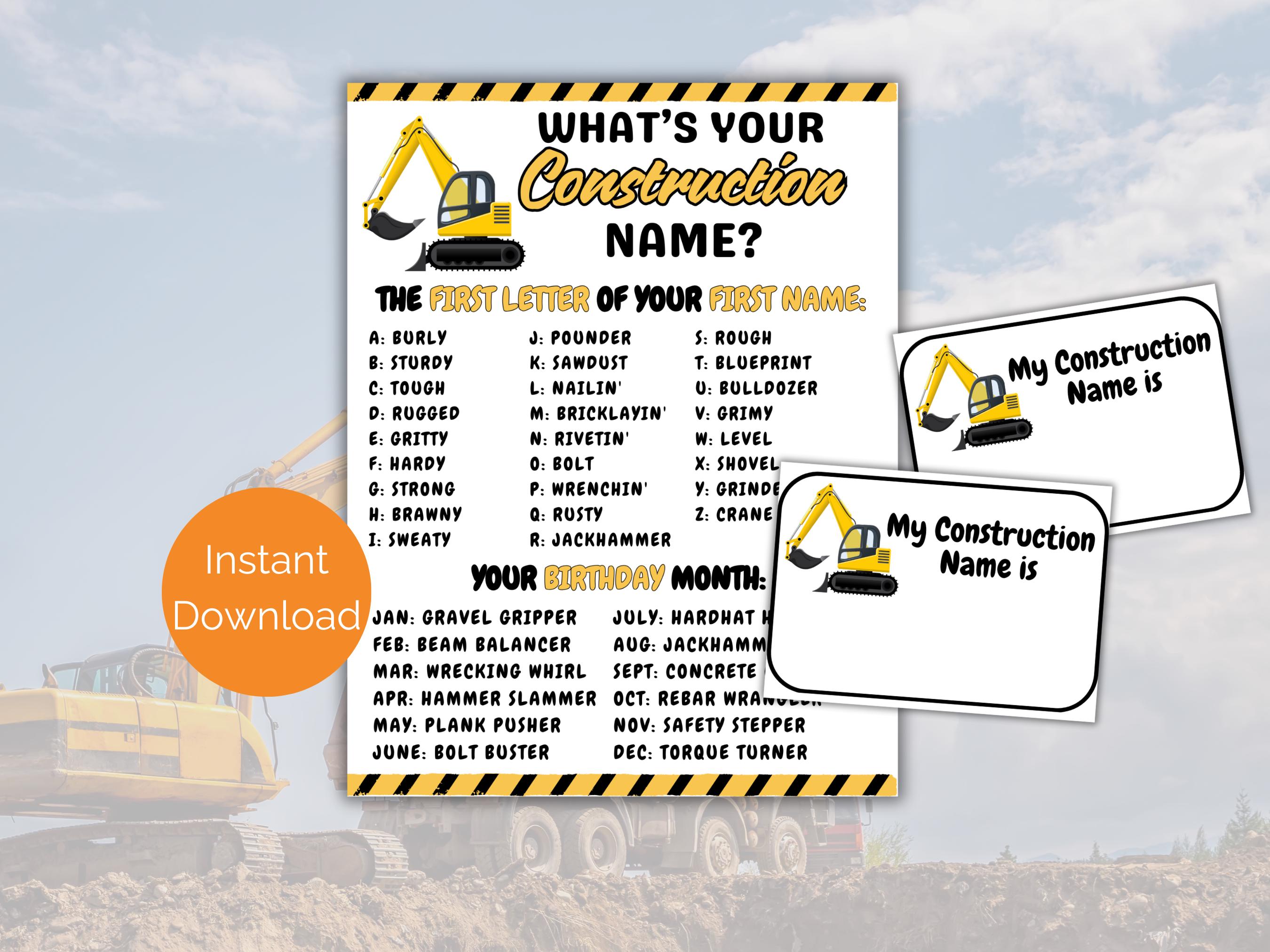
I was chatting with a friend the other day about their new business venture, and the topic of construction name ideas came up. It got me thinking about how important a good name is for any company, especially in the construction industry. So, let's explore this topic and uncover some insights!
Choosing a Name for Your Construction Business
When it comes to construction name ideas, it's all about finding something unique and memorable. Your business name is often the first impression you make on potential clients, so it's crucial to get it right. Think about what sets your company apart and try to capture that essence in a name. It could be a play on words, a nod to your expertise, or a simple, catchy phrase.
Consider the following factors:
- Simplicity: Keep it easy to remember and spell. Avoid long, complicated names that might be a mouthful.
- Relevance: Make sure your name reflects your construction services. It should give an idea of what you do.
- Uniqueness: Aim for something original. You don't want to be confused with another company, especially a competitor.
- Availability: Check if your desired name is available for registration and domain purchase. You don't want legal issues down the line.
Here are a few original name suggestions to get your creative juices flowing:
- Build-it-Right
- Hammer & Saw
- Constructive Solutions
- HomeCrafters
- BuildPro
- Skyrise Builders
Hiring a Contractor: What to Look For
When you're ready to hire a contractor for your construction project, the name of the company is just one piece of the puzzle. Here are some tips to help you find the right fit:
- Research: Look for companies with a solid reputation and positive reviews. Check online platforms and ask for referrals.
- Experience: Ensure the contractor has experience with projects similar to yours. Ask about their portfolio and previous work.
- Licensing and Insurance: Verify that the contractor is licensed and insured. This protects you and ensures they are legitimate.
- Quotes and Estimates: Get multiple quotes to compare pricing and services. Be cautious of extremely low bids, as they might indicate hidden costs or poor quality.
- Communication: Choose a contractor who communicates clearly and keeps you informed throughout the project.
Industry Tools and Resources
In the construction industry, tools like RSMeans can be incredibly valuable. RSMeans provides cost databases and estimating tools, helping contractors and businesses accurately estimate project costs. It's a useful resource for both large and small-scale projects.
Additionally, staying updated on industry trends and outlooks is essential. Construction companies often rely on cost indexes and escalation data to make informed decisions and provide accurate quotes to clients.
Final Thoughts
So, there you have it! Choosing a name for your construction business is an important step, but it's just one aspect of running a successful company. Remember to focus on the quality of your work, build a solid reputation, and provide excellent customer service.
If you're still brainstorming construction name ideas, take your time and consider the tips we've discussed. A great name can be a powerful asset, but it's just the beginning of your construction journey.