






Invoice Template Zazzle Overview
You've got a project on your hands and need to make sure you're using the right equipment. You're probably thinking, "What's the deal with all these different plugs and connectors?" Well, my friend, the Nema plug chart is here to save the day! It's a handy reference tool that simplifies the world of electrical connections. This chart provides a clear overview of Nema plug types, dimensions, and ratings, ensuring you make the right choices for your project.
Understanding the Nema Plug Chart: A Quick Overview
The Nema plug chart is a handy reference tool that simplifies the process of identifying and selecting the right electrical plug for your needs. It provides a visual representation of various plug types, offering valuable insights into their unique characteristics. This chart serves as a guide, ensuring you choose the appropriate plug for your devices and appliances.
Comparing Nema Plug Standards, Formats, and Categories
The Nema plug chart covers a range of plug configurations, each designed for specific voltage and current requirements. These configurations are categorized based on factors like the number of pins, their arrangement, and the plug's overall shape. Common voltage ratings on the chart include 125V and 250V, indicating the plug's suitability for different electrical systems. It's essential to note that the chart may vary depending on the standard being used, so always check the relevant specifications.
A Step-by-Step Guide to Using the Nema Plug Chart
To make the most of the Nema plug chart, follow these simple steps:
Identify the plug type: Start by examining your device or appliance. Look for the plug type, which is often labeled or indicated by its shape.
Match the plug type: Refer to the Nema plug chart and locate the corresponding plug type. The chart typically provides visual representations or descriptions to help you identify the correct category.
Check voltage and current: Once you've found the right plug type, verify the voltage and current ratings. Ensure these match the requirements of your device to prevent any electrical issues.
Confirm wiring details: The Nema plug chart may also provide information on the wiring configuration. Check if the chart offers guidance on the wire gauge, color coding, or other relevant details.
Double-check specifications: While the chart is a valuable tool, it's always a good practice to cross-reference the exact specifications provided by the manufacturer or in the device's manual. This ensures accurate and safe usage.
Common Misreadings and How to Avoid Them
One common mistake is assuming that the Nema plug chart covers all possible variations. It's important to remember that while the chart provides a comprehensive overview, there may be exceptions or specific use cases that require additional research. Always refer to the device's manual or consult an expert if you encounter any uncertainties.
Another pitfall is neglecting to consider the region-specific standards. The chart may present information based on a particular standard, such as the Nema standard in the United States. If you're working with international devices or traveling abroad, ensure you're using the correct chart for the relevant region.
Factors Affecting Accuracy and Real-World Application
Voltage and Current Requirements: Different devices have varying electrical needs. Ensure the Nema plug you choose matches the voltage and current ratings of your appliance.
Plug Configuration: Pay attention to the number of pins and their arrangement. Mismatched configurations can lead to improper connections.
Wiring: The Nema plug chart may provide wiring details, but always confirm the wire gauge and color coding to avoid electrical hazards.
Regional Standards: Be mindful of the electrical standards in your region. The chart's information may be based on specific standards, so adapt accordingly.
Device Compatibility: Not all devices are compatible with every Nema plug. Check the manufacturer's guidelines to ensure a safe and proper connection.
Remember, the Nema plug chart is a valuable resource, but it's just one tool in your electrical toolkit. Stay informed, and always prioritize safety when working with electrical devices.
Hey there, we hope this guide has given you a clear understanding of the nema plug chart and its practical uses. Remember, while the basics remain the same, there might be slight variations in the details, so it's always good to refer to the specific standards and sources for your exact needs.
Our site offers a range of helpful guides and resources to explore, so feel free to browse and discover more practical tips and insights. Happy learning, and stay tuned for more!
Related: House Addition Contractors Essential Guide
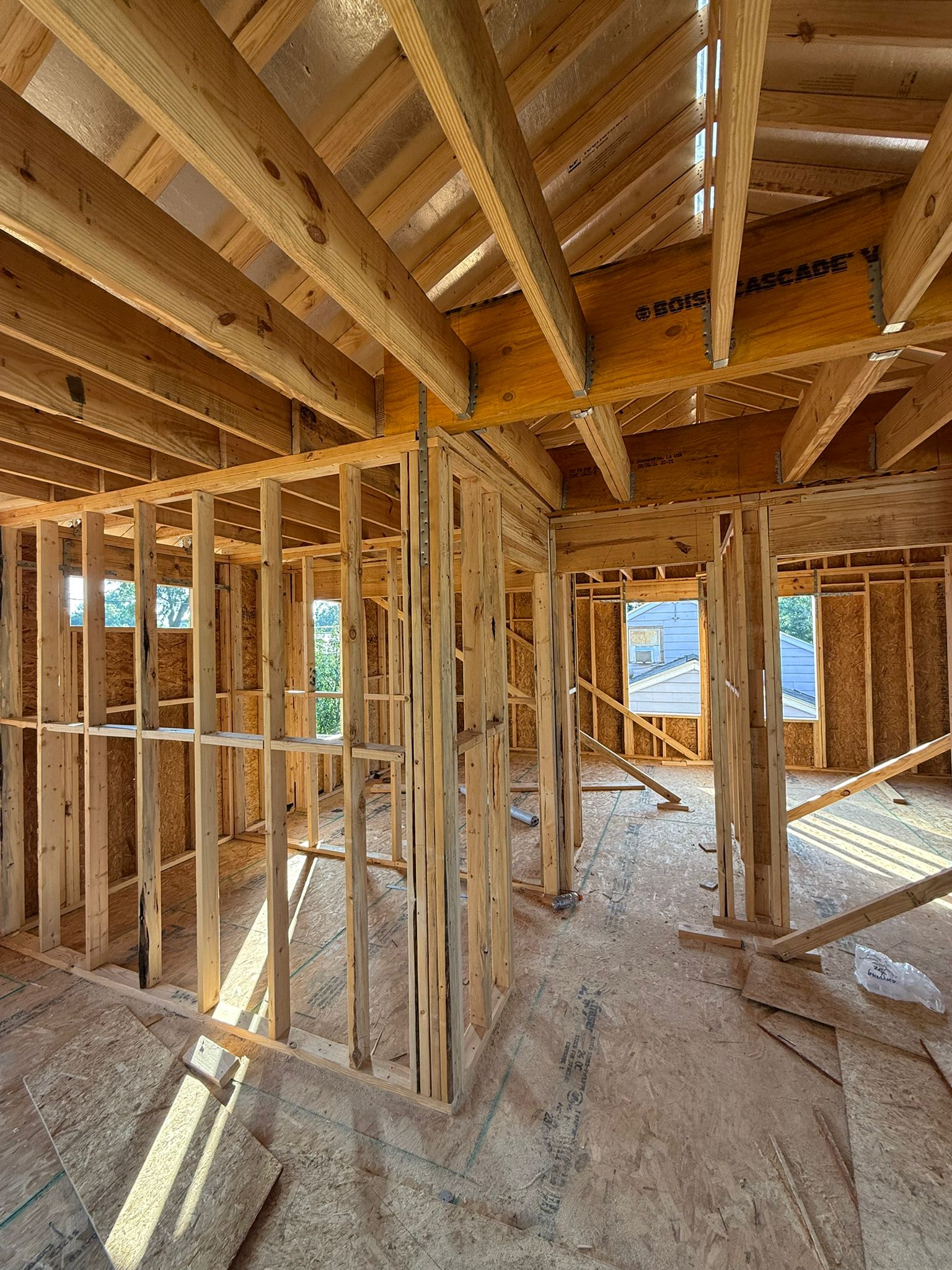
House addition contractors can be a real lifesaver when you need some extra space in your home. Whether you're looking to expand your family or just need a dedicated home office, these pros can help make it happen. But before you dive in, it's good to know what you're getting into and how to find the right people for the job.
What Do House Addition Contractors Do?
House addition contractors are the experts you call when you want to add a new room, bump out a wall, or even build a whole new floor on your house. They handle the entire process, from planning and permits to construction and finishing. These pros will work with you to design the addition, ensuring it fits your needs and the style of your home. They'll then manage the build, coordinating the various tradespeople and keeping the project on track.
Finding and Hiring the Right Contractor
When it comes to hiring a house addition contractor, it's important to do your research. Check out their past projects and read reviews to get a sense of their work. You'll want to ask about their experience with similar projects and ensure they're licensed and insured. Get quotes from a few contractors to compare prices and services. A good quote will include a detailed breakdown of costs, the timeline, and any potential issues or challenges.
Costs and Pricing
The cost of a house addition can vary widely depending on factors like the size and complexity of the project, the materials used, and local labor rates. It's a good idea to get several written quotes to compare. Remember, the cheapest quote might not always be the best value. Look for a contractor who offers a fair price and has a track record of delivering high-quality work.
Construction and Remodeling Companies
There are many construction and remodeling companies out there, from small, family-run businesses to large, established firms. The size of the company doesn't always determine the quality of their work. It's more about finding a company that suits your needs and budget. Larger companies might offer more services and have more resources, but smaller firms can often provide a more personalized experience.
Company Names and Branding
Naming a construction business can be fun, but it's important to choose a name that's memorable and reflects your company's values and services. It should be unique and easy to recognize. Some examples could be "Build-It-Right Contractors," "Home Expansion Specialists," or "Room for Growth." Before settling on a name, check its availability for local registration and domain names to ensure you can establish an online presence.
Jobs and Salaries in the Industry
The construction industry offers a range of roles, from general contractors and project managers to skilled tradespeople like carpenters, plumbers, and electricians. Salaries can vary depending on experience, qualifications, and the specific role. Many construction jobs are advertised through online job boards and local newspapers, but it's also worth checking with local trade associations and construction companies directly.
Industry Tools and Data
Construction professionals often use tools like RSMeans to estimate costs and plan projects. RSMeans provides cost data and resources to help contractors and estimators accurately price their work. It's a valuable tool for ensuring projects stay on budget. Cost databases like these are essential for the industry, providing up-to-date information on materials, labor, and other costs.
The Outlook for House Addition Contractors
The demand for house addition contractors can vary depending on the housing market and local trends. In areas with a growing population or a shortage of housing, these professionals are in high demand. It's always a good idea to check with local building departments to understand the market and any specific rules or regulations that might impact your project.
So, if you're thinking of adding some space to your home, house addition contractors are the way to go. With the right research and a bit of planning, you can find the perfect team to help bring your vision to life.
Related: How to use the Tybee tide chart?
Many assume that reading a Tybee tide chart is complex, but it's a straightforward process once you know the basics. This chart, often found in coastal regions like Tybee Island, provides essential information for various activities and safety measures. Understanding its simple layout and key elements ensures you can quickly reference and utilize it effectively.
Understanding the Tybee Tide Chart: A Quick Overview
The tybee tide chart is a valuable tool for anyone planning activities along the Tybee Island coastline. It provides a visual representation of the daily tide fluctuations, offering insights into the rise and fall of the Atlantic Ocean's waters. This chart is an essential reference for coastal enthusiasts, helping them navigate the dynamic nature of the sea.
Comparing Tide Chart Formats: Standard vs. Regional Variations
Tide charts can vary based on the standards and regions they represent. While the basic concept remains consistent, the specific measurements and categories may differ. For instance, the tybee tide chart follows the standard used along the Georgia coastline, which might differ from international or metric systems. It's crucial to ensure you're using the correct chart for your location to avoid any discrepancies.
Step-by-Step Guide: Reading the Tybee Tide Chart
To read the tybee tide chart, follow these simple steps:
- Identify the date and time of your planned activity.
- Locate the corresponding time on the chart's horizontal axis.
- Read the tide height indicated by the vertical line at that time.
- Interpret the height as the sea level relative to a standard reference point.
- Plan your activities accordingly, considering the tide's impact on your chosen location.
Common Misconceptions and How to Avoid Them
A common misconception is assuming the tide chart provides an exact prediction of the water's behavior. While the chart offers a reliable guide, it's essential to understand that natural phenomena can cause variations. Always consider weather conditions, seasonal changes, and other factors that might influence the tide's behavior. Double-check the latest information and be prepared for minor deviations from the predicted tide times.
Factors Affecting Accuracy: Nature's Influence on Tide Charts
The accuracy of the tybee tide chart can be influenced by various natural factors. Wind patterns, atmospheric pressure, and even lunar cycles can cause the tides to fluctuate beyond the predicted norms. Additionally, extreme weather events like storms or hurricanes can significantly impact the water levels. It's crucial to stay updated with the latest weather forecasts and consider these factors when relying on the tide chart for planning.
Adapting the Tybee Tide Chart: Choosing the Right Format
The tybee tide chart is designed to provide a general overview of the tide's behavior. However, for more specific activities or locations, a customized chart might be beneficial. Consider your unique needs and the level of detail required. If you're planning an event or activity that relies on precise tide times, consult with local experts or nautical specialists to ensure you have the most accurate information.
Keeping Your Reference Reliable: Maintaining Chart Accuracy
To ensure the continued reliability of your tybee tide chart, it's essential to keep it updated. Regularly check for the latest versions or updates, especially if there have been significant weather events or seasonal changes. Consider investing in a reputable source for your charts, ensuring they are regularly maintained and reflect the most current conditions. By staying proactive, you can trust your chart to provide accurate guidance for your coastal adventures.
Well, there you have it! We've covered a lot of ground, ensuring you're equipped with the knowledge to navigate the Tybee tide chart like a pro. From understanding the different formats to avoiding common pitfalls, you're now ready to tackle the tides with confidence.
Remember, each situation is unique, so be sure to consider your specific needs and adapt the information accordingly. With this guide, you're well-prepared for your next adventure. So, until next time, happy charting! And don't forget to bookmark this page for a quick refresh whenever you need it.