








Iready Score Chart Template Overview
Many people assume that a boys size chart is a simple, universal tool, but it's important to understand that these charts can vary and require a bit of know-how to use accurately. While they provide a helpful framework, the values and measurements can differ based on various factors. A boys size chart is a valuable resource, offering a quick reference for standard body measurements, but it's essential to know how to interpret it for your specific needs.
Boys Clothing Size Chart: A Practical Guide
A boys clothing size chart is an essential tool for parents and caregivers to ensure a perfect fit for their little ones. This guide will walk you through the chart, its key details, and how to use it effectively.
Understanding the Chart: Key Details
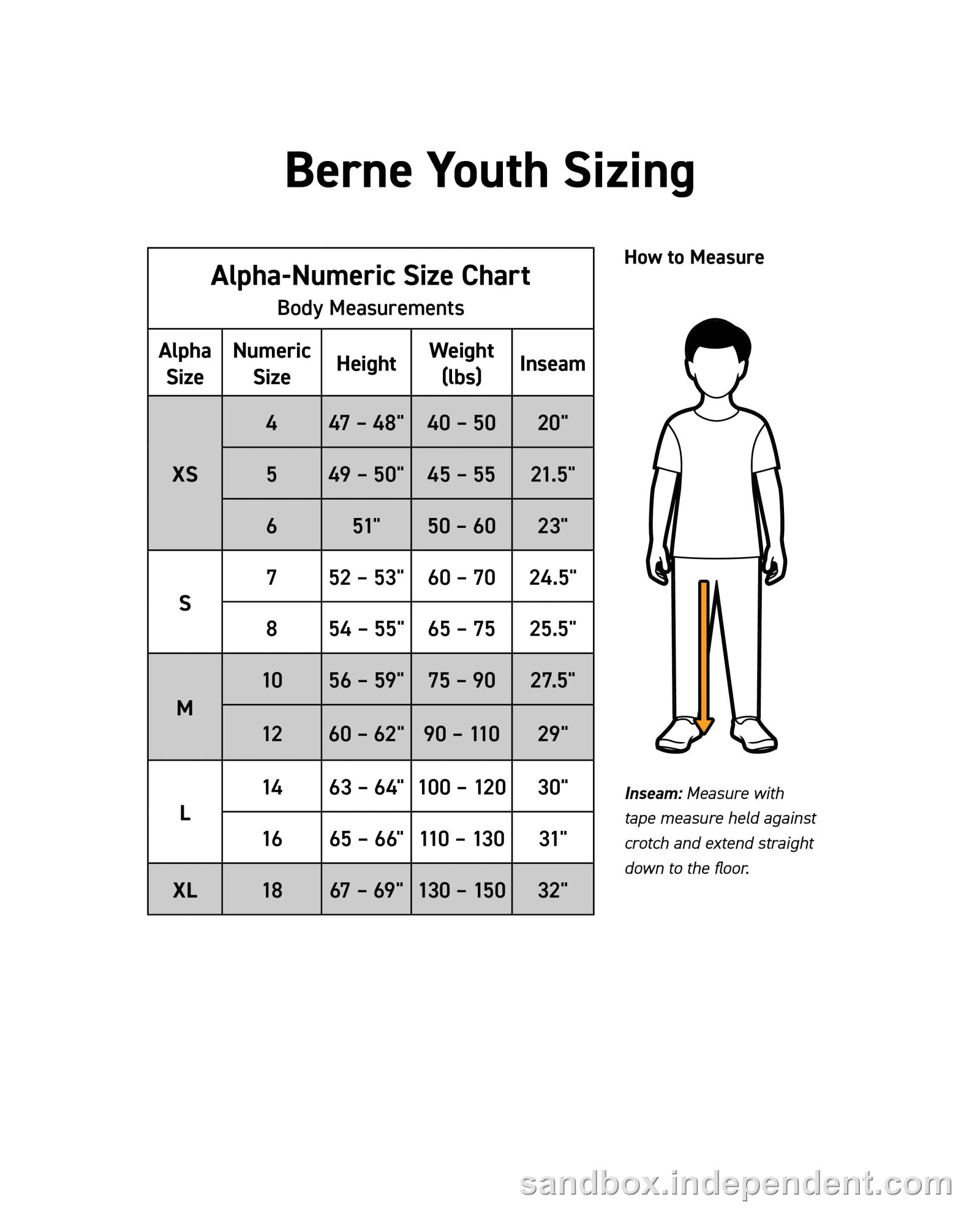
The boys size chart provides a reference for clothing sizes based on standard body measurements. It typically includes categories such as age, height, and weight, along with the corresponding clothing size. The chart is designed to offer a general guide, and the measurements are in both centimeters (cm) and inches. It is important to note that the chart may vary depending on the standard being used, whether it is a regional or international standard.
Reading and Applying the Chart: Step-by-Step
To use the boys size chart accurately, follow these steps:
Identify the relevant category: Start by determining whether you need to refer to the age, height, or weight category. This will depend on the clothing item and its specific sizing requirements.
Measure accurately: For height and weight, use a reliable measuring tape or scale. Ensure the child is standing straight and relaxed for height measurements. Weigh the child without any heavy clothing or accessories.
Find the corresponding size: Locate the measured value on the chart and identify the associated clothing size. For example, if the height is 110 cm, the chart may indicate a size 6 for tops and a size 7 for bottoms.
Consider the garment type: Different clothing items may have slight variations in sizing. For instance, tops and bottoms may have different size recommendations. Refer to the specific garment's size guide for more precise information.
Allow for growth: Keep in mind that children grow rapidly, so it is wise to choose a size that allows for some growth. Opting for a slightly larger size ensures the clothing will fit for a longer period.
Variations and Differences: Why They Occur
Boys size charts can vary due to several factors:
Regional standards: Different countries and regions may have their own sizing systems, leading to variations in measurements and categories.
International standards: Even within the same region, clothing manufacturers may follow different international sizing guidelines, resulting in slight differences.
Manufacturer preferences: Individual brands or designers may have unique sizing charts, especially for specialized clothing or unique designs.
Garment type: Certain clothing items, like shoes or hats, may have their own specific sizing systems.
Common Mistakes and How to Avoid Them
To ensure accurate sizing, avoid these common mistakes:
Relying solely on age: Age is just one factor; height and weight play crucial roles in determining the right size.
Neglecting to measure: Always measure the child accurately to get the most precise size recommendation.
Ignoring growth: Remember to allow for growth, especially for rapidly growing children.
Assuming consistency: Different brands and styles may have varying fits, so always refer to the specific size chart for each item.
Practical Tips for Accurate Results
Follow these tips for the best results when using a boys size chart:
Measure regularly: Children grow quickly, so update measurements every few months to ensure an accurate fit.
Compare multiple charts: If you are unsure, compare size charts from different brands or standards to get a broader perspective.
Consider the fabric: The stretch and flexibility of the fabric can impact the fit, so take this into account when choosing sizes.
Try before you buy: Whenever possible, try on the clothing to ensure a perfect fit, especially for special occasions or formal wear.
Double-Checking and Handling Exceptions
In certain cases, it is essential to double-check or seek additional information:
Unique body types: If your child has a unique body shape or size, consult a professional or seek advice from experienced parents to ensure the best fit.
Specific garment requirements: Some clothing items, like sports gear or formal wear, may have specific sizing guidelines. Refer to the manufacturer's instructions or seek expert advice.
International travel: When traveling abroad, be aware of different sizing systems and convert sizes accordingly.
By following these guidelines and understanding the variations, you can confidently use the boys size chart to find the perfect fit for your child's clothing.
Remember, when working with size charts, it's essential to consider the specific context and requirements of your project. While the information provided here serves as a general guide, exact values can vary slightly depending on the standard or source you use.
Take a moment to review the key points and ensure you have all the necessary details before moving forward. And feel free to explore our other resources and guides; we have a range of practical tools and tips to offer, so there's always something new to discover!
Related: A Beginner's Guide to TCU Depth Chart
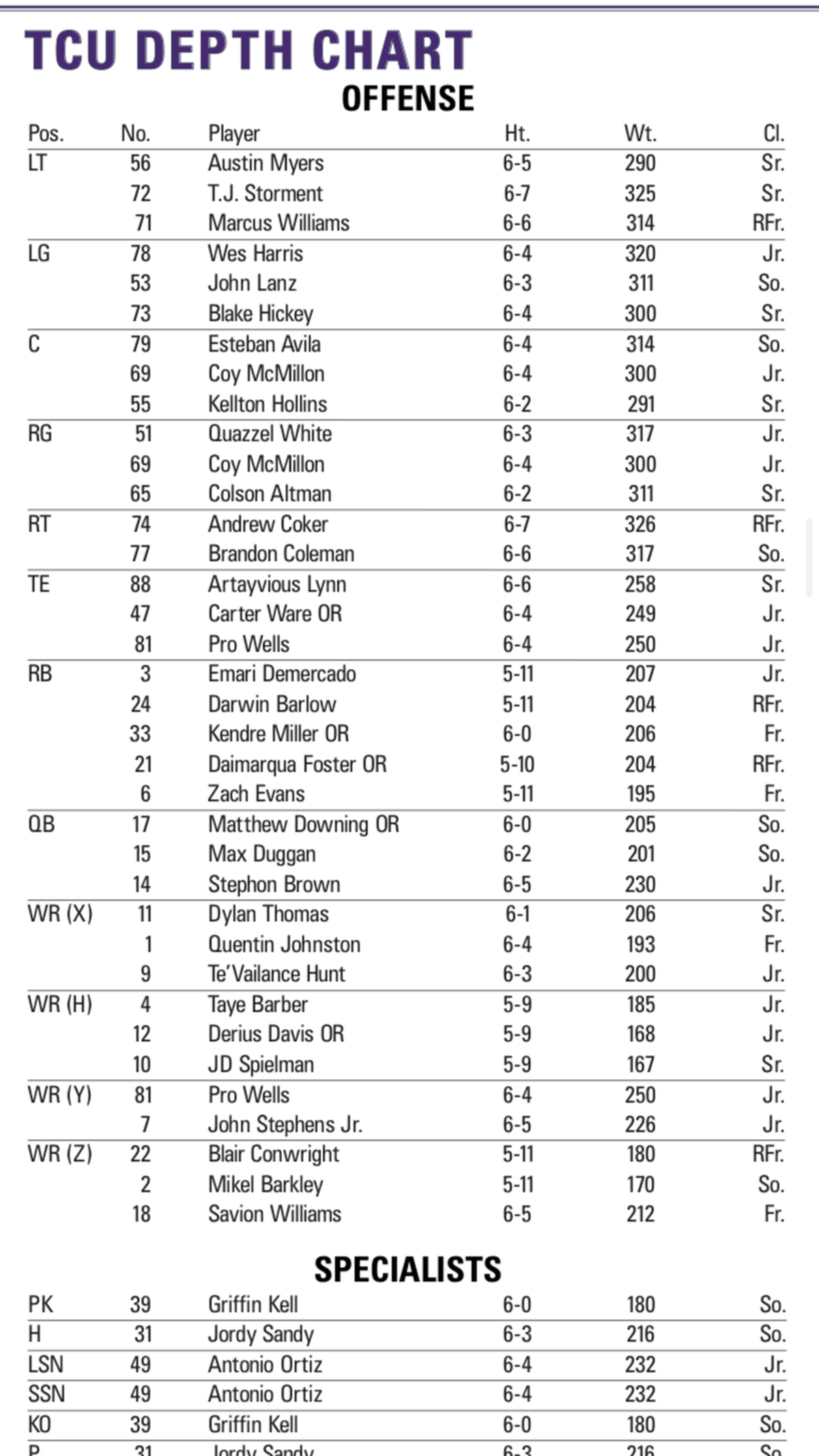
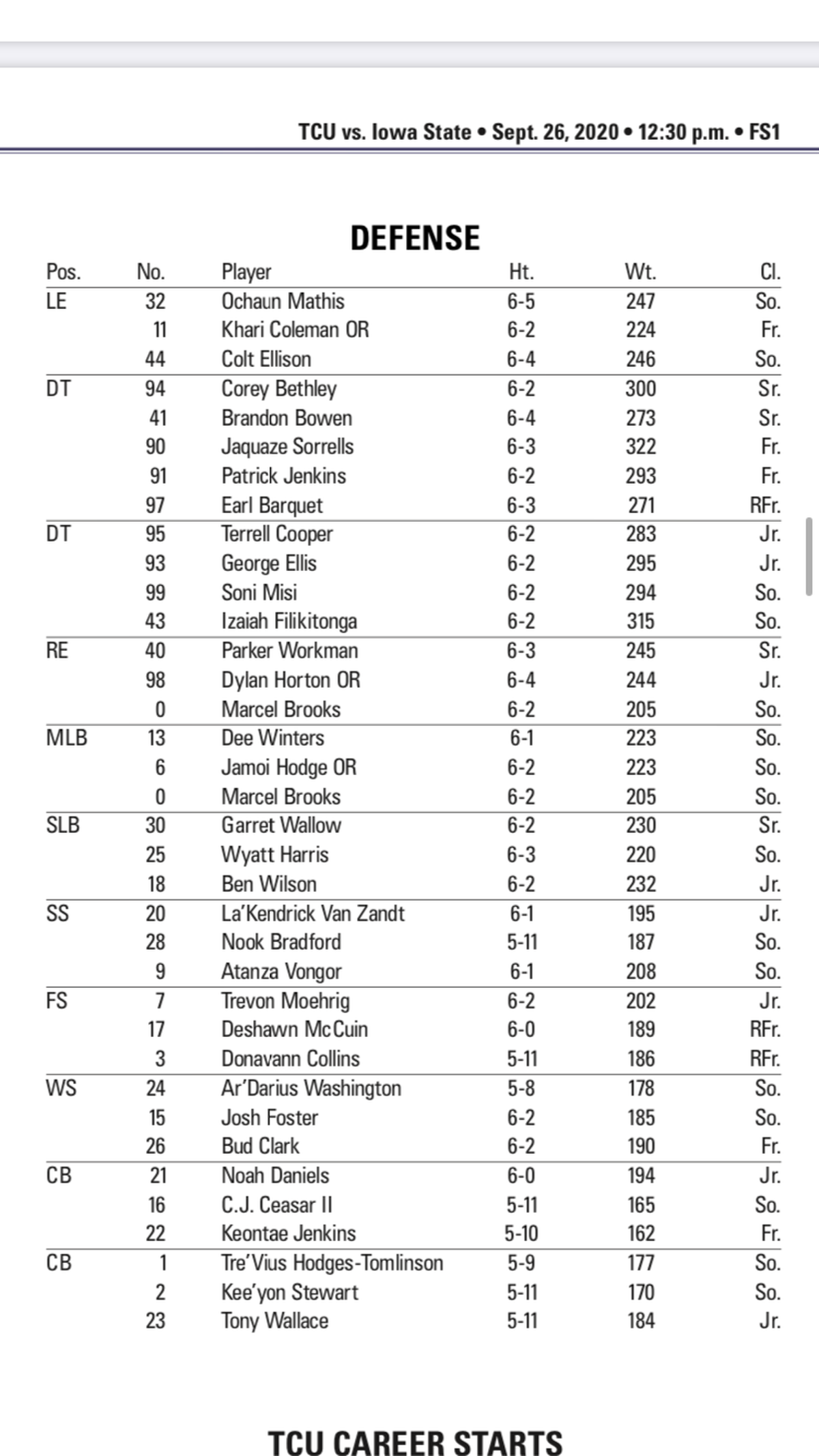
A tcu depth chart is a handy tool for any sports fan or enthusiast, offering a quick glimpse into the team's lineup and player positions. This guide will break down the essentials, ensuring you can read and understand these charts like a pro.
The depth chart is a simple yet effective way to visualize the team's structure. It displays the starter positions and provides insights into the tcu roster, offering a clear picture of the football depth chart and the team's lineup strategy. While formats may vary, the core purpose remains the same: to provide a reliable reference.
Understanding the TCU Depth Chart: A Practical Overview
The TCU depth chart is a valuable tool for any sports enthusiast, especially when it comes to football. It provides an organized view of a team's player lineup, giving you insights into their positions and rankings. Think of it as a roadmap to the team's strategy!
Comparing Common Positions and Player Rankings
The depth chart categorizes players based on their roles and skills. It typically lists offensive and defensive positions, with starters and backups clearly indicated. For instance, you'll find quarterbacks, running backs, wide receivers, and more, each with their own depth of talent.
Step-by-Step Guide to Reading the TCU Depth Chart
- Start by identifying the main positions on the chart. These are usually the core roles like quarterback, running back, and so on.
- Next, focus on the starters. They are often listed first and are the players who will begin the game.
- Look for the backups. These are the players who can step in if needed, and they are usually listed in order of their skill level or experience.
- Pay attention to the depth. A well-balanced chart will show a good spread of talent, ensuring the team has options and flexibility.
Avoiding Misreadings and Pitfalls
One common mistake is assuming the depth chart is set in stone. In reality, it can change frequently due to injuries, performance, or strategic decisions. Always check the latest version to ensure you have accurate information. Additionally, remember that the chart is a guide, and actual game-time decisions may vary.
Factors Affecting Accuracy and Real-World Use
The accuracy of the TCU depth chart depends on various factors. Firstly, it is influenced by the team's coaching staff and their strategic choices. Secondly, player performance and health can lead to adjustments. Lastly, external factors like weather or opponent strategies might impact the chart's effectiveness. It's essential to consider these variables when interpreting the chart.
Hey there! We've covered a lot of ground, but remember, every depth chart is unique, and the specifics can differ. It's always a good idea to tailor it to your needs and the context you're working with.
Feel free to explore our other guides; we've got a bunch of practical tips and tricks to help you navigate various topics. Happy learning, and don't hesitate to dive into more resources!
Related: Need a shirt size chart? Find your perfect fit!
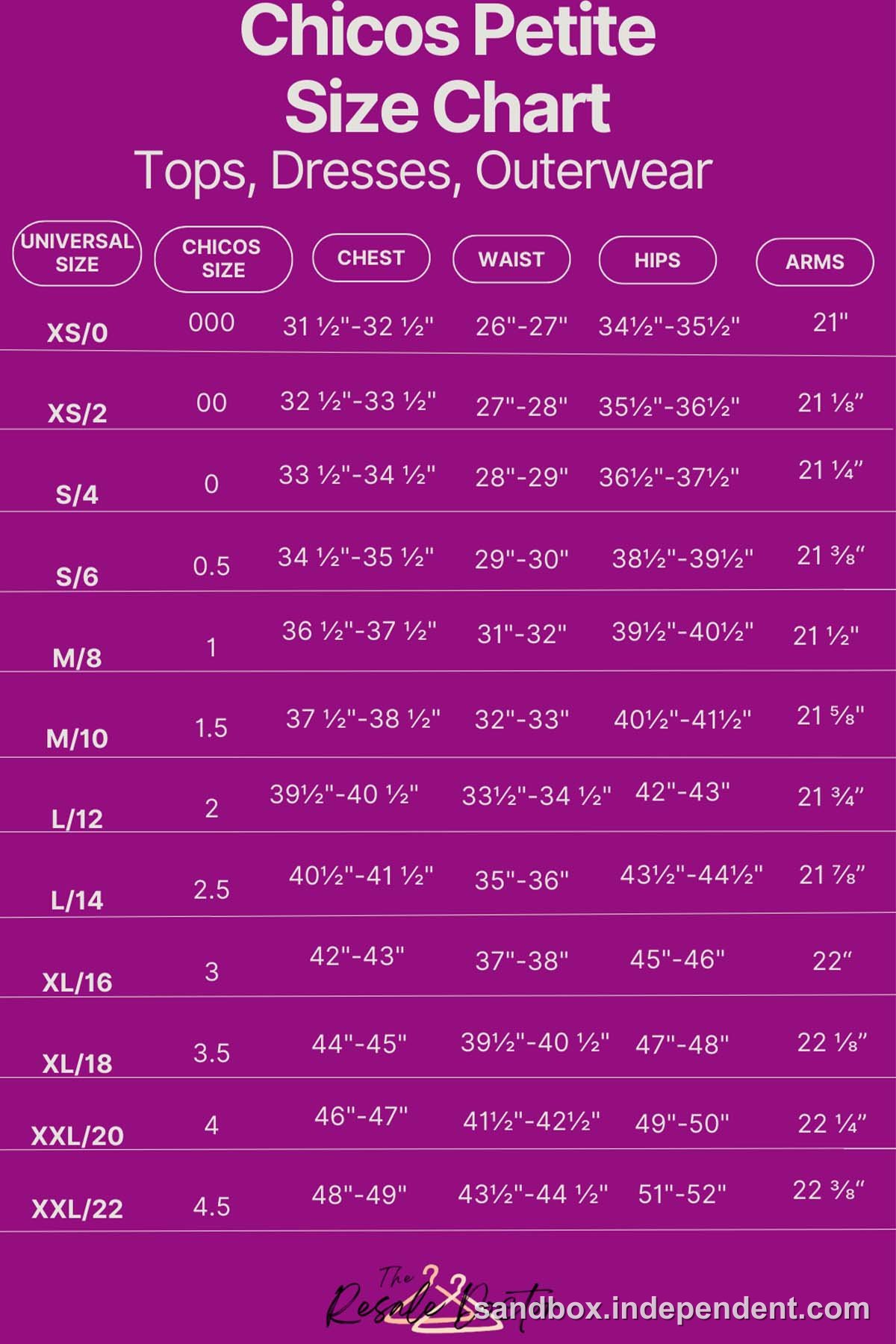
You're probably here because you need a quick fix, a simple solution to finding your perfect shirt size. And what better tool than a shirt size chart? It's a handy reference, a map to navigate the world of clothing sizes, and it's right at your fingertips. These charts offer a straightforward way to ensure you get the right fit, and they can vary slightly depending on the brand or region, so it's always good to have a reliable guide.
Shirt Size Chart: A Practical Guide
A shirt size chart is a handy reference tool that helps you find the perfect fit for your shirts. It provides a standardized way to determine your size based on key body measurements. These charts are essential for online shopping or when you need to order custom-made shirts.
Key Details and Categories
The shirt size chart typically includes measurements for chest circumference, waist circumference, and sometimes arm length. These measurements are usually given in inches or centimeters, depending on the standard being used. The chart also provides a range of sizes, often in small increments, to ensure a precise fit. For example, a chart might offer sizes from XS to 5XL, with each size representing a specific measurement range.
Step-by-Step Guide: Reading and Using the Chart
Follow these steps to accurately determine your shirt size using a size chart:
Measure your chest circumference at the fullest part of your chest, keeping the measuring tape parallel to the floor. This measurement is crucial for finding the right fit.
Locate your chest measurement on the chart. The chart will guide you to the corresponding size, often with a range of measurements for each size. For instance, a size Medium might fit chest circumferences between 38 and 40 inches.
If the chart provides waist circumference measurements, repeat the process for your waist. This measurement ensures a comfortable fit around your midsection.
Compare your measurements to the size chart's ranges. Choose the size that aligns most closely with your measurements. If your measurements fall between two sizes, consider factors like your preferred fit (more relaxed or snug) and the fabric's stretchability.
For more precise fitting, some charts may include arm length measurements. Measure your arm length from the base of your neck to your wrist. Match this measurement to the chart's arm length column to ensure a perfect sleeve length.
Understanding Variations and Differences
It's important to note that shirt size charts can vary depending on the brand, manufacturer, or even the specific style of shirt. Some brands may have slightly different measurement standards or size increments. Additionally, the intended fit of the shirt (e.g., slim, regular, or relaxed) can impact the size chart. Always check the brand's size guide or any notes about fit to ensure an accurate selection.
Common Mistakes and How to Avoid Them
One common mistake is relying solely on your usual shirt size without considering the specific brand or style. Each brand may have its own unique sizing system, so it's crucial to refer to their size chart. Another mistake is neglecting to measure yourself accurately. Take precise measurements, especially for the chest and waist, to ensure an accurate fit. Avoid guessing or estimating, as this can lead to disappointment with the final product.
Practical Fitting Tips for Accurate Results
To ensure the best fit, consider these tips:
When measuring, stand naturally and relax your arms. Avoid pulling the measuring tape too tight or too loose.
If you're between sizes, choose the larger size for a more comfortable fit, especially if the shirt has a slim or tailored cut.
Pay attention to the fabric and its stretchability. Some fabrics, like cotton blends, have more give, while others, like linen, are more rigid.
Check the brand's size guide for any specific notes or recommendations. They might offer tips for their unique sizing or suggest sizing up or down for certain styles.
Consider the intended use of the shirt. If it's for a formal occasion, you might want a more tailored fit, while casual shirts can allow for a looser fit.
Remember, the shirt size chart is a valuable tool, but it's just a guide. Always prioritize your comfort and personal style when making a final decision.
Well, there you have it! A shirt size chart is a handy tool to ensure you get the perfect fit every time. Remember, while these charts provide a great starting point, exact values can vary, so it's always wise to check the specific guidelines for your chosen brand or standard.
Don't forget to explore our other guides and resources; we've got plenty of practical tips to help you navigate the world of fashion and sizing with ease. Stay tuned for more!