Is Cricut Vinyl Dishwasher Safe Overview
A ductwork cfm chart is a handy tool for anyone needing a quick reference on airflow and duct sizing. This guide will cover the basics, showing you how to read and utilize these charts effectively.
The charts provide a simple way to ensure your ductwork is correctly sized and efficient. They offer standard values, but it's worth noting that specific details can vary depending on local standards and your unique project requirements.
Understanding the Ductwork CFM Chart
A ductwork CFM chart is a valuable tool for anyone working with HVAC systems or designing ventilation networks. It provides a quick reference for determining the airflow capacity of different duct sizes and configurations. This chart is a handy guide to ensure your system's efficiency and performance.
Key Details and Units
The ductwork CFM chart typically displays two main categories: duct sizes and their corresponding CFM (Cubic Feet per Minute) ratings. Duct sizes are often given in inches or as a diameter, and the CFM rating indicates the volume of air that can pass through the duct per minute. It's essential to note that these charts are usually based on specific standards, such as the American Society of Heating, Refrigerating, and Air-Conditioning Engineers (ASHRAE) guidelines.
Reading and Applying the Chart
Here's a step-by-step guide on how to use the ductwork CFM chart:
- Identify the duct size you are working with. This could be the diameter or a specific size code.
- Locate the corresponding CFM rating on the chart. The rating will tell you the maximum airflow capacity for that duct size.
- Ensure you are using the correct standard. Different regions and organizations may have slightly varying charts, so double-check to avoid errors.
- If needed, convert the CFM rating to other units like liters per second or m³/h using conversion factors.
- Apply this information to your system design or troubleshooting. For instance, you can calculate the total airflow required for a space and then select the appropriate duct sizes based on the chart.
Variations and Differences
While ductwork CFM charts are incredibly useful, it's important to understand that variations can occur due to several factors:
- Different standards and organizations may have slight variations in their charts. Always refer to the relevant standard for your project.
- The chart's accuracy assumes ideal conditions. Real-world factors like duct friction, bends, and fittings can affect actual airflow.
- The chart might not cover every possible duct size or configuration. In such cases, you may need to interpolate values or consult more specialized charts.
- Duct sizing guides and air flow rate charts can provide additional context and help you make informed decisions.
Remember, the ductwork CFM chart is a practical tool, but it's essential to consider the specific context and potential variations to ensure accurate system design and performance.
Hey there, ductwork enthusiasts! We hope this guide has given you a clear understanding of the ductwork CFM chart and its practical applications. Remember, while the basics remain consistent, the exact details can vary slightly depending on the specific context and standards you're working with.
Feel free to explore our other guides for more insights into the fascinating world of HVAC and its many components. We've got plenty of resources to keep you informed and inspired!
Related: Cake Size Chart: A Quick Reference Guide
You're probably here because you need a quick answer, right? Well, you've come to the right place. A cake size chart is your go-to tool for nailing those cake measurements and serving sizes. It's a simple yet effective way to ensure your cakes turn out perfectly, every time. These charts provide a clear guide, offering standard cake measurements and portion size estimates. While the exact values may vary depending on your region or the recipe, a good cake size chart will have you covered.
A Quick Overview of Cake Size Charts
A cake size chart is a handy reference tool for bakers and anyone planning a cake-centric event. It provides a visual guide to help you choose the right cake pan size and understand the resulting cake's dimensions and serving capacity. These charts are particularly useful when you need to scale a recipe up or down or when you're baking for a specific number of people.
Comparing Common Formats and Standards
Cake size charts typically come in two main formats: one based on pan dimensions and the other on cake serving sizes. The pan-dimension charts list standard pan sizes, often in inches or centimeters, and provide the corresponding cake volume and approximate serving capacity. On the other hand, serving-size charts focus on the number of portions a cake can yield, with dimensions and volumes derived from those. It's important to note that these charts are based on standard cake recipes and may vary slightly depending on factors like cake density, recipe variations, and personal preferences for portion sizes.
Step-by-Step Guide to Using a Cake Size Chart
Using a cake size chart is straightforward. First, identify the type of chart you're using - is it based on pan dimensions or serving sizes? If you're using a pan-dimension chart, start by measuring your pan's diameter and depth. Then, locate the corresponding dimensions on the chart to find the cake volume and serving capacity. For serving-size charts, identify the number of portions you need, and the chart will guide you to the appropriate pan size and cake dimensions. Remember, these charts provide a general guide, and actual results may vary slightly.
Avoiding Common Misreadings and Pitfalls
Misinterpreting a cake size chart is easy if you're not careful. Always double-check the units of measurement - is it inches or centimeters? Ensure you're using the correct side of the chart (pan dimensions or serving sizes). Another common mistake is assuming that all recipes will yield the same results. Different cake recipes can vary in density and rise, affecting the final volume and serving size. It's always a good idea to cross-reference with a trusted recipe or baking resource to ensure accuracy.
Factors Affecting Accuracy and Real-World Use
Several factors can influence the accuracy of a cake size chart and its real-world application. These include:
- Cake density: Cakes with a higher density will yield fewer servings than a lighter, fluffier cake.
- Recipe variations: Ingredients and methods can impact the final cake's volume and serving size.
- Pan shape: While most charts focus on round pans, other shapes like square or rectangular pans may yield different results.
- Baking skill: Experienced bakers may achieve different results due to their technique and equipment.
- Portion size preferences: The chart's serving size is an estimate; personal preferences can vary.
Remember, while cake size charts are valuable tools, they are guides and may not account for every variable. Always consider these factors and use your judgment when planning your cake.
So, there you have it! A handy cake size chart to keep at your fingertips. It's a simple yet effective tool to ensure your cakes turn out just right, whether you're baking for a crowd or a smaller gathering.
Remember, while this chart provides a great starting point, it's always wise to double-check your specific needs. Exact values can vary, so ensure you adapt the chart to your context and requirements. Bookmark this page for a quick reference guide; it'll be a lifesaver the next time you need to bake a cake!
Related: Understand NPT Thread Chart: A Quick Guide
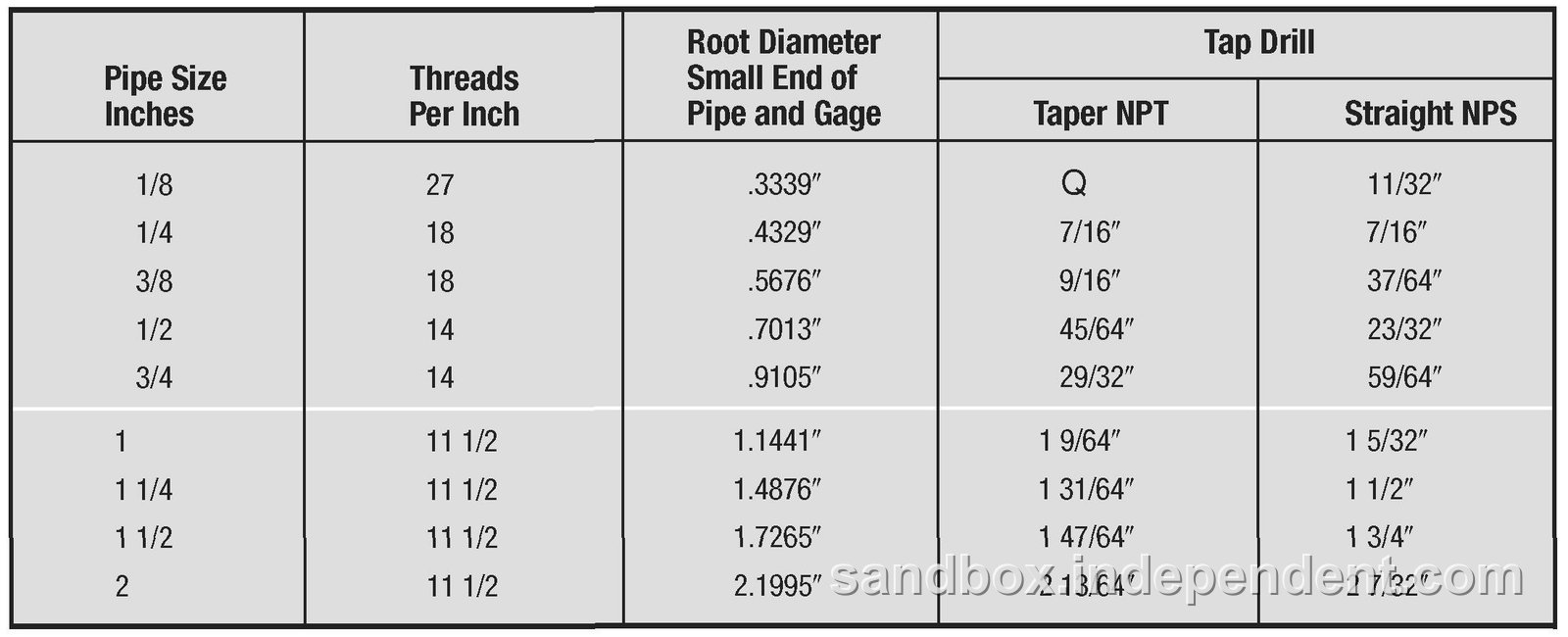
A common misconception about the NPT thread chart is that it's solely for professionals; however, this handy reference tool is accessible to anyone seeking precise thread information. The chart, often presented as a concise table or diagram, serves as a quick guide to understanding and identifying different NPT thread dimensions and standards. It's an essential resource for those working with pipes and fittings, offering a clear overview of the various thread types and their specifications.
Understanding the NPT Thread Chart
The NPT thread chart is a valuable reference tool for anyone working with pipe fittings and connections. It provides a comprehensive overview of the National Pipe Thread standards, offering a quick and accurate way to identify and select the right thread size and type for your needs. This chart is an essential guide for engineers, plumbers, and anyone dealing with fluid systems and piping.
Key Details and Categories
The NPT thread chart typically includes columns for thread size, pitch, and depth, along with other relevant specifications. Thread size refers to the nominal size of the pipe, usually in inches, and is a critical factor in ensuring a proper fit. Pitch, measured in threads per inch, indicates the spacing between threads, while depth refers to the height of each thread. Other details may include the thread's taper and the recommended sealing method. It's important to note that the chart's measurements and categories are based on the NPT standard, which is widely used in the United States.
Reading and Applying the Chart: A Step-by-Step Guide
- Identify the nominal pipe size you require. This is usually specified by the system or component you are working with.
- Locate the corresponding size on the NPT thread chart. The chart typically lists sizes in ascending order, making it easy to find.
- Check the thread pitch and depth for your chosen size. These values ensure a compatible fit with other components.
- Note any additional specifications, such as the thread's taper or sealing recommendations. These details are crucial for a secure and leak-free connection.
- Select the appropriate fittings and components based on the chart's specifications. Ensure that all parts align with the NPT standard for a proper seal.
Variations and Differences Across Standards
While the NPT thread chart provides a comprehensive guide, variations can occur due to different standards and regional practices. For instance, the NPT standard is specific to the United States, and other countries may use different thread standards, such as the metric system. Additionally, within the NPT standard, there are variations like the NPTF (dryseal) and NPSM (straight mechanical) threads, each with unique specifications. It's essential to double-check the exact standard and any specific requirements for your project to avoid compatibility issues.
Common Mistakes and How to Avoid Them
One of the most common mistakes is assuming that all pipe threads follow the NPT standard. Always confirm the thread standard for your project, especially when working internationally or with specialized systems. Another pitfall is overlooking the thread's taper, which can lead to leaks or poor connections. The NPT thread chart includes this information, so be sure to check it. Finally, remember that while the chart provides a guide, exact specifications and tolerances may vary slightly between manufacturers. Always refer to the manufacturer's documentation for precise details, especially for critical applications.
Well, that's a wrap on our guide to the NPT thread chart. We've covered a lot of ground, from the basics to the practical application, and I hope it's given you a clear understanding of this useful reference tool.
Remember, while this guide provides a solid foundation, it's always wise to verify the specific details for your unique situation. Exact values and standards can vary, so double-check the relevant sources for your project. Consider this page bookmarked for a quick refresh whenever you need a reminder!