

Itemized Cleaning Invoice Overview
You're likely here because you're seeking a simple, straightforward answer about hair length. Perhaps you're curious about the different categories and measurements used to describe hair length, or maybe you're looking for a quick reference guide to understand your own hair's growth progress.
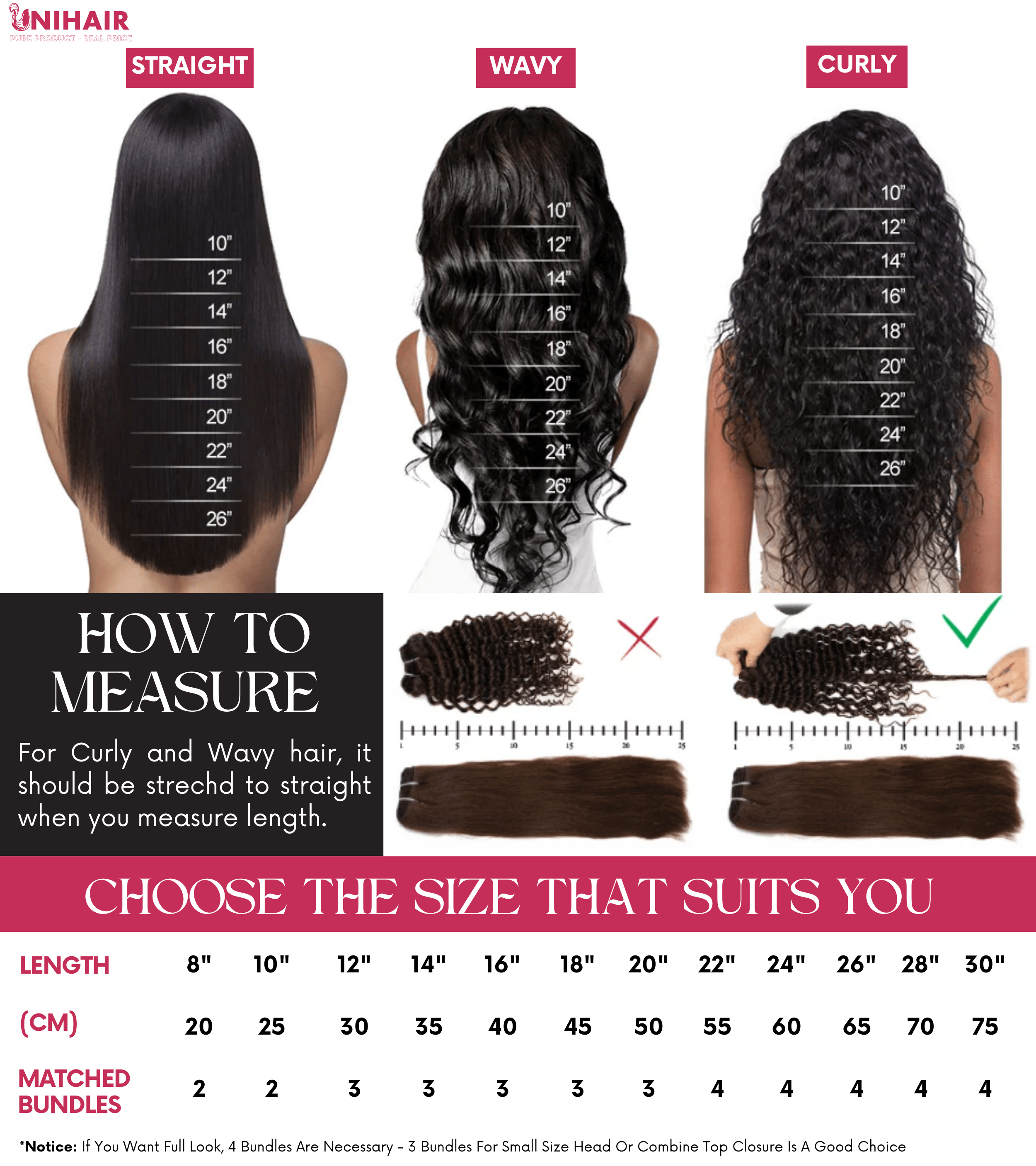
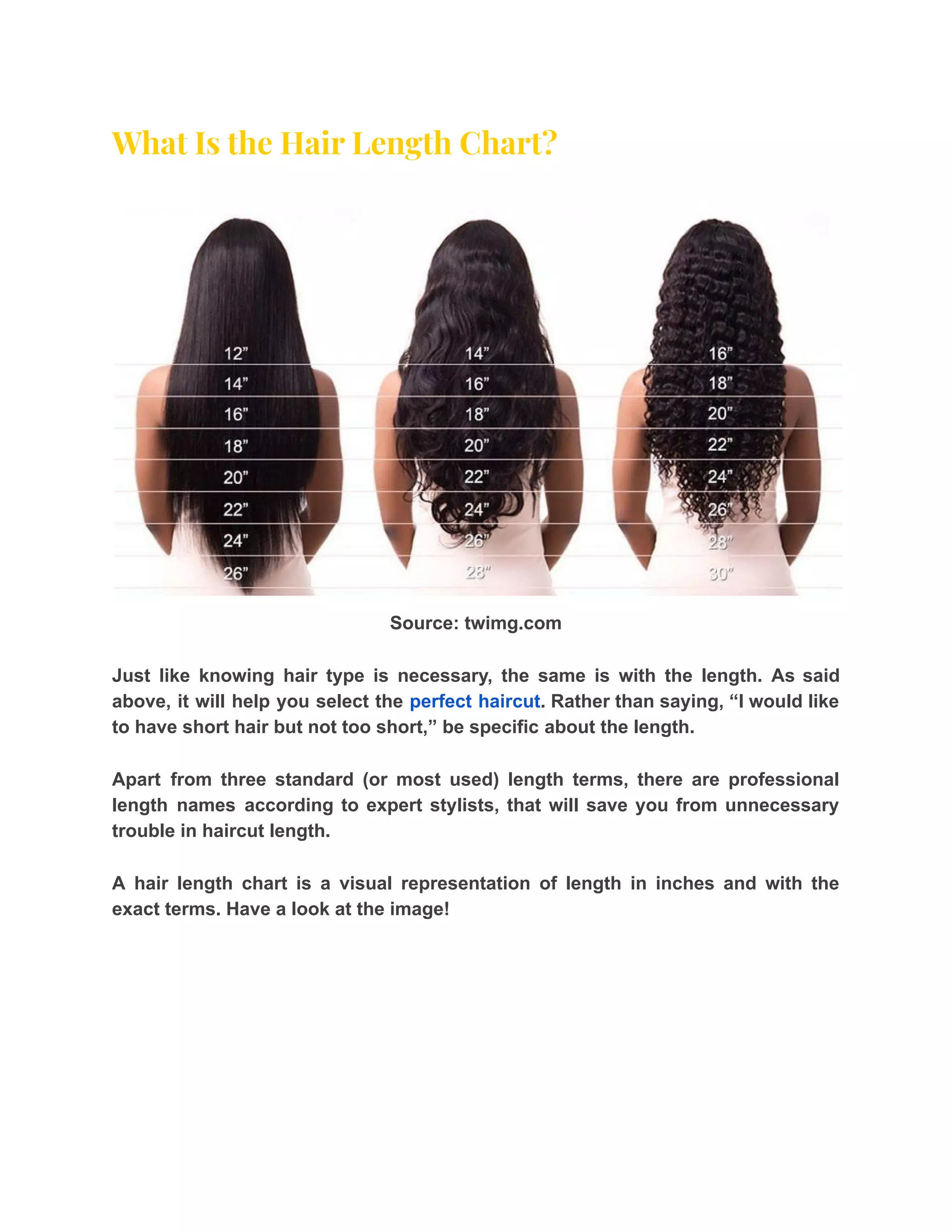
The hair length chart is a valuable tool, offering a visual representation of various hair lengths, often categorized into standard ranges. These charts can provide a clear indication of your hair's current length and its potential for growth, and they may also offer insights into the time frames associated with different growth stages. While the specific values and formats can vary, the concept remains a practical and accessible way to measure and monitor hair length.
Hair Length Chart: A Comprehensive Guide
The hair length chart is a valuable tool for anyone interested in understanding and measuring hair growth and styles. It provides a standardized reference, allowing you to categorize and compare hair lengths accurately. This guide will help you navigate the chart, understand its categories, and use it effectively.
Key Details and Categories
The hair length chart typically uses inches or centimeters as its primary unit of measurement. It categorizes hair lengths into distinct ranges, often with descriptive names or codes. Common categories include:
- Short Hair: Usually up to 4 inches (or 10 cm) in length.
- Medium Hair: Ranges from 4 to 12 inches (10 to 30 cm).
- Long Hair: Hair exceeding 12 inches (30 cm) in length.
These categories are further divided into sub-ranges to provide more specific measurements. For instance, medium hair might be divided into medium-short (4-6 inches) and medium-long (6-12 inches) sections.
Reading the Chart: A Step-by-Step Guide
Identify the unit of measurement used on the chart. This is crucial, as it ensures accurate interpretation. Common units are inches (in) or centimeters (cm).
Locate the category that best describes your hair length. If your hair falls between two categories, consider the average or consult a professional for a precise measurement.
Within each category, you'll often find sub-ranges or specific measurements. These provide more detail and can be useful for precise styling or growth tracking.
Some charts may also include visual representations or diagrams, offering a quick reference for length comparison.
Common Length Variations and Their Causes
Hair length can vary due to several factors, leading to differences in measurements and categories. These variations are influenced by:
- Natural Hair Growth: Hair grows at different rates for each individual, and growth rates can vary over time.
- Styling and Cutting: Regular trims and styling choices can significantly impact perceived hair length.
- Regional Standards: Hair length standards may differ across regions, especially when comparing imperial (US) and metric (international) systems.
It's important to consider these factors when using a hair length chart, especially when comparing your hair to others or following styling guides.
Avoiding Common Mistakes
To ensure accurate use of the hair length chart, avoid these common pitfalls:
Relying solely on visual estimates: While visual comparisons can be helpful, they may not always provide precise measurements. Always refer to the chart for accurate categorization.
Ignoring personal growth rates: Everyone's hair grows at a unique pace. Regularly measuring and tracking your hair's growth will provide more accurate results over time.
Assuming universal standards: Hair length standards can vary, especially across regions. Always double-check the specific standard being used on the chart.
Forgetting to consider styling: The way you style your hair can impact its perceived length. Take this into account when categorizing your hair length.
By understanding these potential variations and following the step-by-step guide, you can accurately utilize the hair length chart for practical styling tips and growth tracking.
Remember, while this chart provides a handy reference, exact details can vary, so always double-check if you're working with specific standards or unique contexts.
Feel free to bookmark this page for future use, and if you're curious about other practical guides, you might find our other articles just as helpful!
Related: Canvas Size Chart: A Quick Reference Guide
You're probably here because you need a quick fix, a straightforward answer to your canvas size query. Well, you've come to the right place! A canvas size chart is an essential tool for artists and creators, offering a simple visual guide to help you choose the right size canvas for your project. It's a handy reference, especially when you're in the flow and need to make a decision fast. These charts can vary, so it's good to know the basics and be aware of any potential differences.
Understanding the Canvas Size Chart
The canvas size chart is a handy reference tool for artists, painters, and anyone working with canvas materials. It provides a clear and organized overview of different canvas sizes, helping you choose the right dimensions for your art projects. This chart is a visual guide, often presented as a table or diagram, to ensure you have the correct measurements at a glance.
Standard Size Variations
Canvas sizes can vary depending on the standard or region. Two common standards are the imperial and metric systems. The imperial system, used primarily in the United States, measures canvas sizes in inches, while the metric system, used internationally, uses centimeters. These standards impact the exact dimensions and labels on the chart. For instance, a common imperial size might be 16x20 inches, whereas the equivalent metric size would be 40.64x50.8 centimeters.
Step-by-Step Guide to Using the Chart
Using the canvas size chart is straightforward. First, identify the standard you are working with. Then, locate the relevant section on the chart. Each chart will have columns or rows dedicated to specific size categories. You can quickly find the desired size by referring to these categories. For example, if you need an 18x24-inch canvas, look for the "18x24" category on the chart. The chart will provide the exact measurements, often in both imperial and metric units, ensuring you get the right size.
Common Misreadings and How to Avoid Them
One common mistake is assuming all charts use the same units. Always double-check the units on the chart to avoid confusion. Another pitfall is overlooking the standard. Different standards, like imperial and metric, can have slightly different sizes for the same category. Ensure you are using the correct standard for your region or project. Finally, some charts may not cover every possible size variation. If you need a custom or unusual size, it's best to verify the exact measurements separately.
Factors Affecting Accuracy and Real-World Use
Several key factors can influence the accuracy and practicality of using a canvas size chart. Here's a quick overview:
- Standard and Region: As mentioned, the standard and region impact the chart's measurements. Always consider your location and project requirements.
- Tolerance and Precision: Charts provide standard sizes, but actual products might have slight variations or tolerances. Be aware of these potential differences.
- Artwork Scale: The scale and complexity of your artwork can dictate the size you need. Larger, more detailed pieces may require bigger canvases.
- Manufacturer Variations: Different manufacturers might have slight size variations for the same category. Check manufacturer-specific charts if needed.
Choosing the Right Canvas Format
When selecting a canvas size, consider your artistic goals and the intended display or framing. Here are some tips:
- For small, intimate pieces, common canvas formats like 8x10 or 11x14 inches are versatile and easy to frame.
- Larger works, such as landscapes or abstracts, often benefit from sizes like 24x36 or 30x40 inches, providing ample space for detail.
- If you plan to exhibit or sell your art, research standard exhibition sizes to ensure your work fits the display requirements.
- Custom sizes are an option for unique pieces. Always double-check the exact measurements to ensure a perfect fit.
Keeping Your Reference Reliable
To ensure you can rely on your canvas size chart for future projects:
- Keep the chart in a safe, accessible place. A physical copy on your studio wall or a digital version on your device ensures quick reference.
- Update your chart periodically. Standards and measurements can evolve, so stay informed about any changes.
- If you work with multiple standards, have separate charts or sections for each to avoid confusion.
- For digital charts, consider bookmarking reliable sources or saving the files in an organized manner.
So, there you have it! A handy canvas size chart can be a real lifesaver, offering a quick and easy reference for your projects. But remember, while this guide provides a solid framework, it's always wise to double-check the specific requirements of your task. Exact values can vary, so ensure you're using the right measurements for your context.
Consider bookmarking this page for future reference. It's a simple yet effective tool to have at your fingertips, and you never know when you might need to size up (or down) your canvas!
Related: Uncover the Army Ribbons Chart: A Simple Guide
An army ribbons chart is a handy tool for anyone wanting to quickly identify and understand military awards and decorations. This guide will give you a simple breakdown of what these charts are and how they work, covering the basics you need to know.
These charts, often referred to as an army awards chart or military ribbon rack, provide a visual representation of the various service ribbons and medals. While the specific values and formats may vary, they offer a clear and concise way to display and organize these awards, ensuring an accurate and efficient reference.
Understanding Army Ribbons Chart
An army ribbons chart is a visual guide that displays the various awards and decorations earned by military personnel. It provides a clear and organized way to showcase an individual's achievements and honors. This chart is an essential tool for understanding and appreciating the recognition given to service members.
Key Details and Categories
The chart typically includes different types of ribbons, each representing a specific award or decoration. These ribbons are arranged in a specific order, known as the "award and decoration order." The order is crucial as it indicates the seniority and importance of each award. Common ribbon categories include service ribbons, campaign ribbons, and achievement medals. Each ribbon has its own unique design and color scheme, making it easy to identify.
Reading the Rack: A Step-by-Step Guide
When reading an army ribbons chart, pay attention to the placement and arrangement of the ribbons. The chart often follows a standard format, with ribbons displayed in rows or columns. Start by identifying the top row, which usually represents the highest-ranking awards. Work your way down, noting the different ribbons and their positions. Each ribbon's position indicates its order of precedence, with the most prestigious awards placed higher.
Variations and Differences
It's important to note that army ribbons charts can vary depending on the military branch and the specific standards followed. Different countries and regions may have their own unique award systems and ribbon designs. Additionally, within the same military branch, variations can occur due to changes in regulations or the introduction of new awards. Common factors that cause variations include the individual's service record, unit-specific awards, and the time period in which the awards were earned.
To ensure accuracy, it's recommended to refer to official sources and guidelines provided by the relevant military branch. These sources will provide detailed information on the correct placement and order of ribbons, ensuring an accurate and respectful display. Remember, the army awards chart is a dynamic representation of an individual's achievements, and understanding these variations is key to interpreting it correctly.
Well, there you have it! A handy chart to keep close by for all your army ribbon queries. Remember, these are general guidelines, and it's always wise to confirm the specifics for your particular situation.
Feel free to explore our other resources on similar topics. We've got a bunch of guides and references to help you navigate these details with ease. Happy learning!