








January Digital Planner Stickers Overview
"Tsp live charts" provide a quick and accessible way to visualize and understand measurements, especially in cooking and dosage scenarios. This guide will cover the basics of reading and utilizing these charts effectively, offering a simple yet powerful tool for accurate conversions.
The beauty of tsp live charts lies in their ability to present live data in a clear, visual format. Whether you're converting teaspoon measurements to milliliters or determining precise dosages, these charts offer a reliable reference, ensuring your calculations are spot on. Keep in mind that while the values and formats may vary depending on your region or specific needs, the core principle remains the same: an easy, accurate conversion guide.
Understanding TSP Live Charts
TSP live charts are an essential tool for anyone who needs precise measurements, especially in cooking and medicine. These charts provide a visual representation of teaspoon conversions, offering a quick and accurate way to understand and apply different measurements.
Key Details and Units
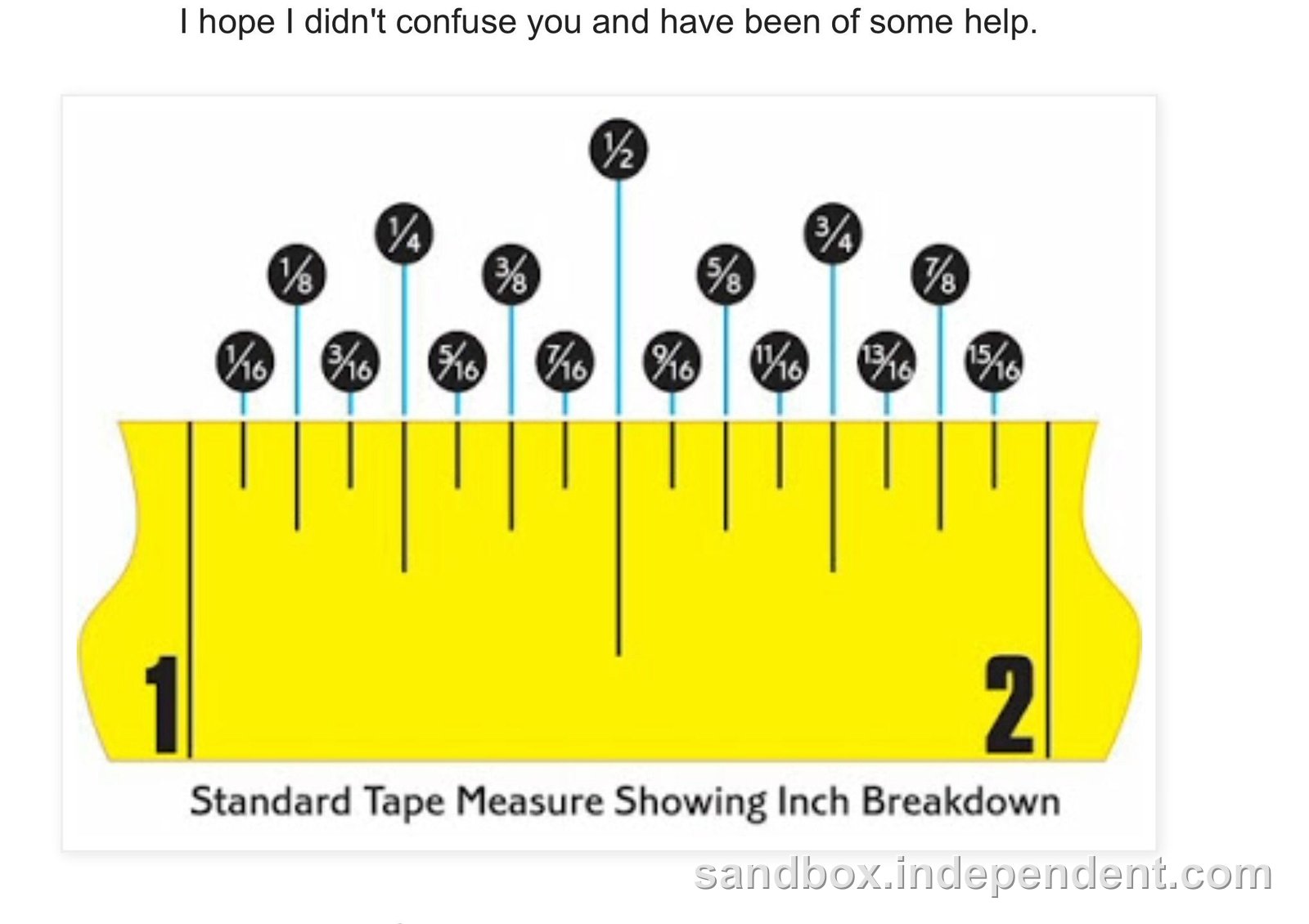
The primary unit of measurement on these charts is the teaspoon, often abbreviated as "tsp." However, it's important to note that the chart also includes conversions to other units, such as milliliters (ml) and cubic centimeters (cc). These charts typically cover a range of values, from small doses like 1/4 tsp to larger quantities like 2 tsp or more.
Reading and Applying the Chart
To use a TSP live chart, follow these steps:
Identify the measurement you need to convert. Let's say you have a recipe that calls for 1/2 tsp of an ingredient, and you want to know the equivalent in milliliters.
Locate the relevant column or row on the chart. In this case, find the column labeled "1/2 tsp."
Read the corresponding value in the desired unit. Under the "ml" column, you might find the value "2.5 ml." This means that 1/2 tsp is equivalent to approximately 2.5 milliliters.
Apply the conversion in your recipe or dosage. So, if your recipe requires 1/2 tsp, you can use 2.5 ml instead.
Variations and Differences
TSP live charts may vary depending on the standard or region they are designed for. For instance, some charts might use the US customary system, while others might follow the metric system. This means that the exact conversions and labels can differ. Always ensure you are using a chart that aligns with your specific needs and measurement system.
Common Mistakes and How to Avoid Them
One common mistake is assuming that all TSP charts are universal. Always check the units and labels on the chart to ensure they match your requirements. Another pitfall is rounding off values too aggressively. While charts provide quick references, it's best to use the exact conversions, especially for critical applications like medicine.
Practical Tips for Accurate Results
When working with TSP live charts, consider these tips:
- Always double-check the units and ensure they match your needs.
- If you require precise measurements, consider using a digital scale or measuring spoons for the best accuracy.
- Keep in mind that some ingredients, especially powders, can vary in density, which might affect the volume-to-weight ratio.
- For critical applications like medication, always consult a healthcare professional for the most accurate dosage information.
Double-Checking and Handling Exceptions
While TSP live charts are a valuable tool, they might not cover every possible exception or specialized measurement. In such cases, it's best to refer to the original source or consult a professional. For instance, if you're dealing with highly technical or scientific measurements, you might need to consult more specialized charts or formulas. Always err on the side of caution and double-check critical measurements.
Well, there you have it! You should now feel equipped with the knowledge to navigate tsp live charts and make the most of this practical tool. Remember, while this guide offers a solid foundation, always consider your unique context and requirements. Exact values and standards may vary, so a quick double-check ensures you're on the right track.
Feel free to bookmark this page for future reference. It's always handy to have a reliable guide at your fingertips, ready to assist when needed.
Related: Bathroom Remodeling Contractor Essential Guide
I was standing in my bathroom, staring at the dated tiles and worn-out fixtures, when it hit me: it's time for a renovation! I started thinking about finding a bathroom remodeling contractor and all the possibilities that come with it. So, here's a little guide to help you navigate this exciting process.
What's a Bathroom Remodeling Contractor?
A bathroom remodeling contractor is your go-to expert for transforming your bathroom into a stylish and functional space. They handle everything from design to construction, ensuring your vision becomes a reality. It's like having a personal bathroom makeover team!
The Cost Factor
When it comes to costs, it's a bit of a wild card. Prices can vary widely depending on the scope of your project. A simple update might be more affordable, while a full-scale renovation could be a bigger investment. It's all about balancing your dream bathroom with your budget.
Finding the Right Contractor
Hiring a bathroom remodeling contractor is a big decision. You want someone reliable, experienced, and aligned with your vision. Check their past projects, ask for references, and ensure they have the necessary licenses and insurance. It's also a good idea to get multiple quotes to compare prices and services.
Naming Your Business
If you're in the construction business, choosing a catchy name is crucial. It should be memorable and reflect your services. Some ideas could be:
- Build-it-Right Construction
- Renovate & Revive
- Home Transformation Team
- Modern Bath Solutions
Remember to check name availability and secure your domain and local registration.
Construction Jobs and Salaries
The construction industry offers a range of roles, from estimators to project managers. Salaries can vary based on experience and the specific job. If you're looking for opportunities, check online job boards and local construction companies. It's a great field with plenty of growth potential.
Tools of the Trade
In the world of construction, tools like RSMeans can be a game-changer. It's a cost database that helps contractors estimate project expenses accurately. It's a valuable resource for both small and large-scale projects.
The Big Picture
The construction industry is diverse, with companies of all sizes. Larger firms often have more resources and can take on bigger projects, while smaller companies might offer more personalized service. It's all about finding the right fit for your needs.
Local Connections
When it comes to bathroom remodeling contractors, local knowledge can be a plus. They understand the unique challenges and regulations of your area. For example, in Atlanta, you might need to consider specific building codes. It's always a good idea to check with your local building department for any specific requirements.
So, there you have it! A little insight into the world of bathroom remodeling contractors. It's an exciting process, and with the right team, you can create a bathroom that's truly yours.
Related: How to Read a Gap Size Chart?
Many people often overlook the importance of a gap size chart, assuming it's just a simple diagram with little practical use. However, this chart is a valuable tool, offering precise guidance that ensures accurate measurements and quality control. It's a quick reference, providing the information needed to understand the gap sizes and their significance in various applications. These charts can vary depending on the industry and standards, but their purpose remains the same: to provide clarity and consistency.
Understanding Gap Size Charts
A gap size chart is a handy reference tool used in various industries, especially manufacturing and engineering. It provides a clear and concise way to understand and communicate the sizes and tolerances of gaps or clearances between two objects or surfaces. This chart is a crucial guide for ensuring precise measurements and maintaining quality standards.
Key Details and Categories
The gap size chart typically includes two main categories: the nominal gap size and the tolerance range. Nominal gap size refers to the intended or designed size of the gap, often expressed in millimeters or inches. This value is the target measurement. The tolerance range, on the other hand, defines the acceptable variation or deviation from the nominal size. It is usually shown as a plus/minus value, indicating the maximum and minimum acceptable limits. For example, a nominal gap size of 5 mm with a tolerance of ±0.2 mm means the actual gap can vary between 4.8 mm and 5.2 mm.
Interpreting the Chart: A Step-by-Step Guide
To use a gap size chart effectively, follow these steps:
Identify the Nominal Size: Locate the nominal gap size you need on the chart. This is usually listed in ascending or descending order, making it easy to find.
Check the Tolerance: Next to the nominal size, you'll find the tolerance range. This range defines the acceptable variation. Ensure the actual gap size falls within this range.
Consider Context: Remember that the chart provides a general guide. In some cases, specific projects or industries may have unique requirements. Always double-check any critical applications or when precise tolerances are essential.
Variations and Differences
While gap size charts provide a standardized reference, variations can occur due to several factors:
Manufacturing Standards: Different industries or regions may follow specific standards, such as ISO or regional guidelines, which can influence the nominal sizes and tolerances.
Application-Specific Needs: Certain applications, like aerospace or medical devices, may require tighter tolerances or unique gap sizes.
Material and Process: The choice of materials and manufacturing processes can impact the achievable tolerances.
Environmental Factors: Operating conditions, such as temperature and pressure, can affect the actual gap size.
It's essential to consider these factors when using a gap size chart to ensure accurate and reliable results. Always refer to relevant standards and guidelines for your specific application.
Well, there you have it! A gap size chart is a handy tool, and now you know how to use it effectively. Remember, these charts provide a great starting point, but it's always wise to check the specific requirements for your project. Exact values might differ slightly across different standards or sources, so a quick double-check never hurts.
Consider this blog post your go-to reference guide. No need to scour the internet every time you need a gap size chart. Just bookmark this page, and you'll have all the info you need at your fingertips!