







January Monthly Planner Overview
You're here, perhaps with a Navajo clan chart in front of you, wanting a straightforward guide to understanding this unique system. These charts are an essential tool for anyone exploring Navajo culture and its intricate kinship ties. While the Navajo clan chart may seem complex at first, with its specific symbols and terms, it's a valuable resource for navigating the traditional Navajo family structure and its unique clan system diagram.
Understanding the Navajo Clan Chart
The navajo clan chart is a fascinating tool that provides insight into the traditional Navajo kinship system. It visually represents the complex web of relationships and connections within Navajo communities, offering a unique perspective on their cultural heritage.
Key Details and Categories
This chart is a reference guide to the Navajo clan system, which is based on a complex set of relationships and roles. It consists of various symbols and categories that represent different clans, their affiliations, and the associated kinship terms. The chart typically includes four main sections: clan names, kinship terms, clan affiliations, and symbols. Each section provides specific information to navigate the clan system effectively.
Reading the Chart: A Step-by-Step Guide
- Start by identifying the clan names. These are often represented by unique symbols or icons. Understanding the clan names is crucial as they form the foundation of the kinship system.
- Next, locate the kinship terms. These terms describe the relationships between individuals within the clan system. For example, there are specific terms for parents, siblings, cousins, and other extended family members.
- Clan affiliations are an essential part of the chart. They indicate the relationships between different clans and how they are interconnected. This section helps navigate the complex web of clan relationships.
- Symbols play a significant role in the navajo clan chart. Each symbol represents a specific clan or kinship term. Learning to recognize these symbols is key to understanding the chart's visual representation.
Common Variations and Differences
While the navajo clan chart provides a comprehensive overview, it's important to note that variations may exist across different Navajo communities and regions. These variations can include slight differences in kinship terms, clan names, or even the visual representation of symbols. It's essential to be aware of these potential variations when using the chart, especially when dealing with specific cultural contexts.
Avoiding Common Mistakes
One common mistake is assuming that the navajo clan chart is a universal guide applicable to all Navajo communities. While it provides a solid framework, it's crucial to respect the diversity within Navajo culture and be mindful of regional differences. Another pitfall is misinterpretation of symbols. Each symbol has a specific meaning, so it's essential to refer to reliable sources or consult with knowledgeable individuals to ensure accurate interpretation. Lastly, remember that the chart is a tool for understanding, not a strict rulebook. Flexibility and cultural sensitivity are key when applying the navajo clan chart in real-life situations.
Well, there you have it! A handy Navajo clan chart to guide you through the basics. Remember, this chart provides a general overview, so be sure to cross-reference and double-check any specific details or unique cases that may apply to your situation.
Consider bookmarking this page for future reference; it's a quick and easy way to refresh your memory on the Navajo clan system and its key components. Happy exploring!
Related: Understanding the Chicken Poop Chart
You've likely heard the saying, "Don't count your chickens before they hatch." But when it comes to using chicken poop chart, you can count on accurate and reliable information. This handy reference tool is a valuable resource for anyone seeking a quick and easy way to understand chicken manure's nutrient content and its application rates. Whether you're an experienced gardener or new to organic farming, the chicken poop chart offers a straightforward guide to utilizing this natural resource effectively.
Understanding the Chicken Poop Chart: A Practical Guide
The chicken poop chart is an essential tool for anyone using chicken manure as a natural fertilizer or soil amendment. This chart provides valuable insights into the nutrient content of chicken manure, allowing you to determine the right application rates for your garden or farming needs. By understanding the values and categories on this chart, you can make informed decisions to enhance soil health and promote sustainable organic gardening.
Comparing Chart Formats and Standards
Chicken manure charts come in various formats, depending on the region and standard used. The most common charts provide nutrient content values in either US customary units or metric units. It's crucial to ensure you are using the correct chart for your location and preferences. The chart typically displays the nutrient content as a percentage, with columns for nitrogen (N), phosphorus (P), and potassium (K), which are the primary macronutrients essential for plant growth.
Step-by-Step Guide to Using the Chicken Poop Chart
To utilize the chicken poop chart effectively, follow these steps:
- Identify the nutrient content of your chicken manure. This information is usually available from the source or can be tested by sending a sample to a laboratory.
- Refer to the chart and locate the corresponding nutrient percentages for your manure. For instance, if your manure has 1.5% nitrogen, 1.2% phosphorus, and 0.8% potassium, you would find these values on the chart.
- Determine the desired nutrient levels for your soil or plants. This information can be found in gardening guides or by consulting with agricultural experts.
- Calculate the application rate by comparing the nutrient content of your manure with the desired levels. The chart often provides a recommended range of application rates based on the nutrient content.
- Adjust the application rate based on factors such as soil type, plant needs, and environmental conditions. For example, sandy soils may require higher application rates compared to clay soils.
- Apply the calculated amount of chicken manure to your garden or farming area, following safe handling practices.
Avoiding Common Misinterpretations
While the chicken poop chart is a valuable resource, it's essential to avoid common misreadings and misinterpretations:
- Chicken poop chart values are averages and may vary based on factors like the chicken's diet and management practices. Always consider these variations when interpreting the chart.
- The chart provides a general guide, and specific conditions may require adjustments. For instance, if you have nutrient-rich soil, you may need to apply less manure to avoid over-fertilization.
- Ensure you are using the correct chart for your region and units of measurement. Using an incorrect chart can lead to inaccurate application rates.
Factors Affecting Accuracy and Real-World Application
Several key factors can influence the accuracy of the chicken poop chart and its real-world application:
- Chicken diet: The nutrient content of manure can vary depending on the chickens' diet. A diet rich in protein and minerals will result in manure with higher nutrient concentrations.
- Management practices: How chickens are raised and managed can impact manure quality. Clean and well-managed poultry houses produce better-quality manure.
- Age of manure: Fresh manure has higher nutrient content, but it is also more likely to burn plants due to its high nitrogen levels. Aging or composting manure reduces this risk.
- Soil type: Different soil types have varying nutrient-holding capacities. Sandy soils may require higher application rates compared to loamy or clay soils.
- Environmental conditions: Factors like temperature, rainfall, and sunlight can affect nutrient availability and plant growth, influencing the effectiveness of manure application.
By considering these factors and using the chicken poop chart as a guide, you can accurately determine the appropriate application rates for your specific needs, promoting healthy soil and thriving plants while practicing sustainable organic gardening.
Remember, when working with the chicken poop chart, it's essential to consider your unique circumstances. While this guide offers a solid foundation, exact values can vary, so always double-check the specific standards and sources relevant to your situation.
Feel free to bookmark this page for future reference. It's a handy tool to have at your fingertips, ensuring you're always prepared when navigating the world of chicken poop analysis. Until next time, happy charting!
Related: Construction Company Name Suggestions Easy Guide
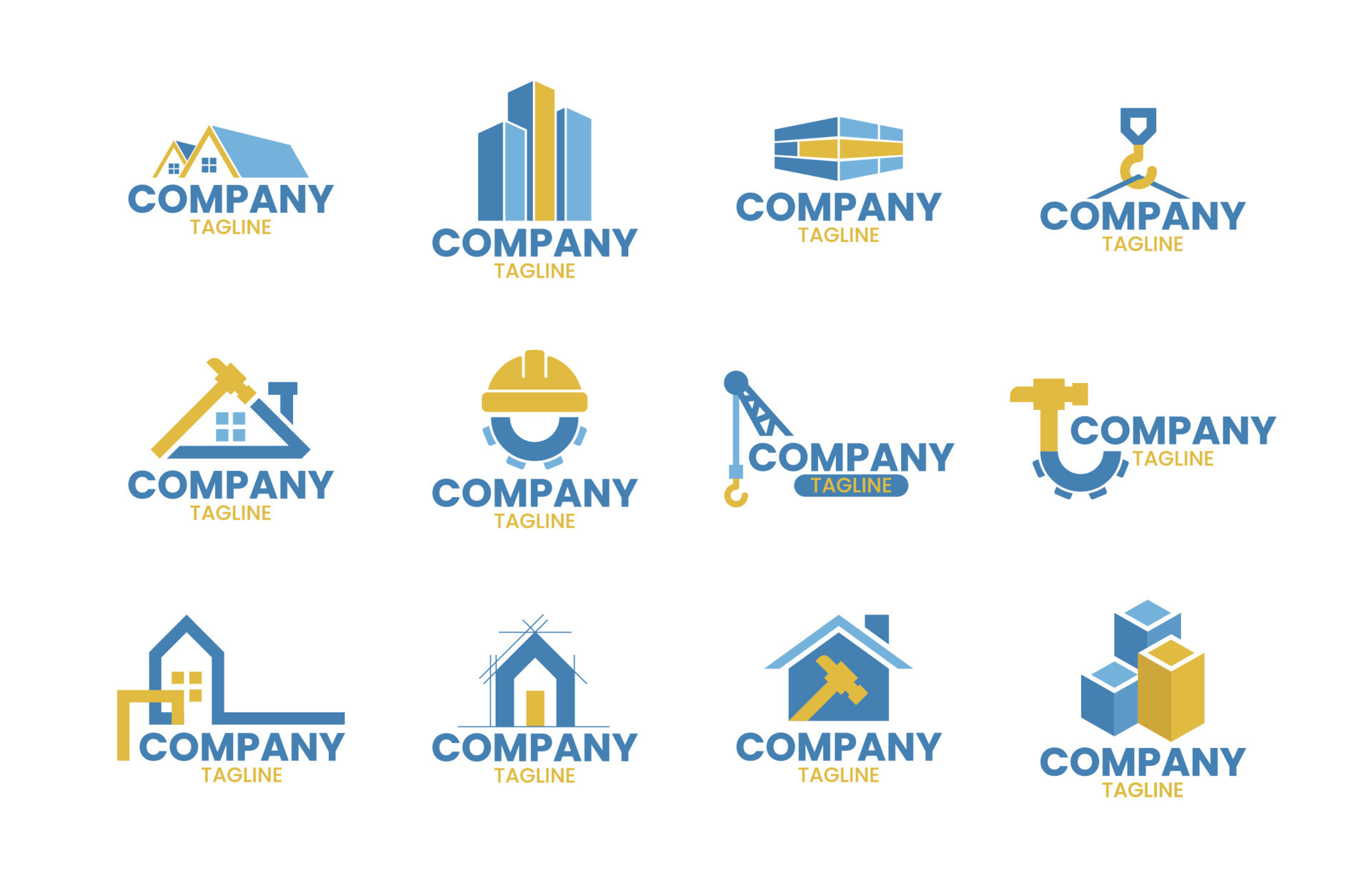
I've got a question for you: when you think of a construction company, what's the first thing that pops into your mind? Is it the name? I mean, let's be real, some of those names are pretty memorable, right? But for those of us starting out or rebranding, finding the perfect name can be a challenge. So, let's dive into construction company name suggestions and uncover some tips and ideas to help you out.
Unlocking the Perfect Name
When it comes to naming your construction business, there's more to it than just coming up with a catchy phrase. You want a name that represents your company's values, services, and maybe even your unique selling point. It should be memorable and professional, leaving a lasting impression on potential clients. So, how do you achieve this? Well, let's explore some key considerations.
First, think about the services you offer. Are you a general contractor, a remodeling expert, or do you specialize in a particular area like green building or historic restoration? Your name can reflect this, giving customers an instant idea of what you do. For example, "Green Build Construction" hints at an eco-friendly focus, while "Classic Renovations" suggests a company that specializes in restoring older homes.
Next, consider your target audience. Are you aiming for a local, neighborhood feel, or do you want a name that conveys a more regional or national reach? A name like "Baltimore Builders" might appeal to a local audience, while "Nationwide Construction" could attract a wider client base.
Standing Out and Staying Legal
A unique and memorable name is great, but you also want to avoid any legal issues. Check the availability of your chosen name with your local business registration office and domain name registrars. You don't want to spend time and effort building a brand only to discover someone else has already claimed the name!
It's also worth considering the tone and imagery your name conveys. You might want to avoid anything too playful or lighthearted if you're aiming for a more serious, high-end clientele. On the other hand, a fun and catchy name could be perfect for a company targeting younger, more casual customers.
A Few Name Ideas to Inspire
Here's a short list of name suggestions to get your creative juices flowing:
- Build & Beyond
- Renovate & Restore
- Constructive Solutions
- Home Crafters
- BuildTech Innovations
- Skyrise Builders
Remember, these are just a few ideas, and you can get creative and come up with something truly unique to your business.
Wrapping Up
Naming your construction company is an important step in building your brand. It's a chance to make a great first impression and showcase your business's personality and services. So, take your time, consider your options, and don't be afraid to get creative. And, of course, always check the legal aspects to ensure a smooth start to your business journey.