



Jazz Depth Chart 2026 Overview
You're likely here because you need a straightforward guide to understanding the iready score chart. This chart is a valuable tool, offering a quick snapshot of a student's progress and performance. It provides an easy-to-read overview, allowing you to quickly grasp key insights into a student's educational journey. While the exact values and formats may vary, the iready score chart serves as a consistent reference, helping to track and compare performance across different assessments and subjects.
An Overview of the i-Ready Score Chart
The i-ready diagnostic chart is a valuable tool for educators and parents to understand a student's academic progress and areas of improvement. This chart provides a snapshot of a student's performance across different subjects, offering insights into their learning journey. It is a standardized assessment, commonly used in educational settings, to track student growth and set appropriate learning goals.
Interpreting Scores and Percentile Rankings
The i-ready assessment scores are presented on a scale, typically ranging from 100 to 300, with each score representing a specific proficiency level. These scores are further categorized into percentiles, which indicate how a student's performance compares to their peers. For instance, a score in the 75th percentile means the student has performed better than 75% of their peers. Understanding these percentiles is crucial as it provides a clear picture of a student's academic standing.
Step-by-Step Guide to Using the i-Ready Score Chart
To utilize the i-ready score chart effectively, follow these steps:
- Obtain the latest assessment results for the student, ensuring the data is up-to-date.
- Locate the student's score on the chart, noting the subject and specific area assessed.
- Identify the corresponding percentile ranking, which is often displayed alongside the score.
- Analyze the score in relation to the student's previous assessments to track growth over time.
- Discuss the results with the student, highlighting areas of strength and those requiring additional focus.
- Set achievable goals based on the assessment, ensuring they are tailored to the student's needs and abilities.
Avoiding Common Misinterpretations
While the i-ready score chart is a useful tool, it is essential to avoid certain pitfalls:
- Avoid comparing scores across different subjects without considering the unique skills and challenges each subject presents.
- Be cautious when interpreting scores from different assessment periods, as student performance can vary due to various factors, including motivation and external influences.
- Understand that a single score is a snapshot and may not fully represent a student's overall academic ability. Continuous assessment and observation are crucial for a comprehensive understanding.
Factors Affecting Accuracy and Real-World Application
Several key factors can influence the accuracy and real-world applicability of the i-ready score chart:
- Student motivation and engagement during the assessment can impact results. Encouraging a positive mindset and providing a supportive environment can enhance accuracy.
- External factors, such as personal circumstances or health issues, may affect a student's performance. Consider these factors when interpreting scores, especially if there are significant deviations from previous assessments.
- The chart's effectiveness relies on regular and consistent use. Conducting assessments at appropriate intervals ensures accurate tracking of student growth.
Adapting the i-Ready Score Chart for Specific Needs
While the standard i-ready score chart provides a general framework, it can be adapted to meet specific educational goals and requirements:
- For specialized programs or subjects, create customized charts with tailored proficiency scales and goals.
- When working with students with diverse learning needs, modify the chart to accommodate different assessment tools and methods, ensuring an inclusive approach.
- Regularly review and update the chart based on educational research and best practices to ensure it remains relevant and effective.
Remember, while this guide offers a comprehensive overview, it's essential to tailor your approach to your unique circumstances. The i-Ready score chart is a versatile tool, and its effectiveness relies on understanding your specific needs and context.
So, before you finalize your plan, take a moment to ensure you've considered all the relevant factors. Then, feel free to bookmark this page for future reference. It's always here to help you navigate the world of i-Ready scores with ease and confidence.
Related: Need a T-Shirt Size Chart? Find Your Perfect Fit!
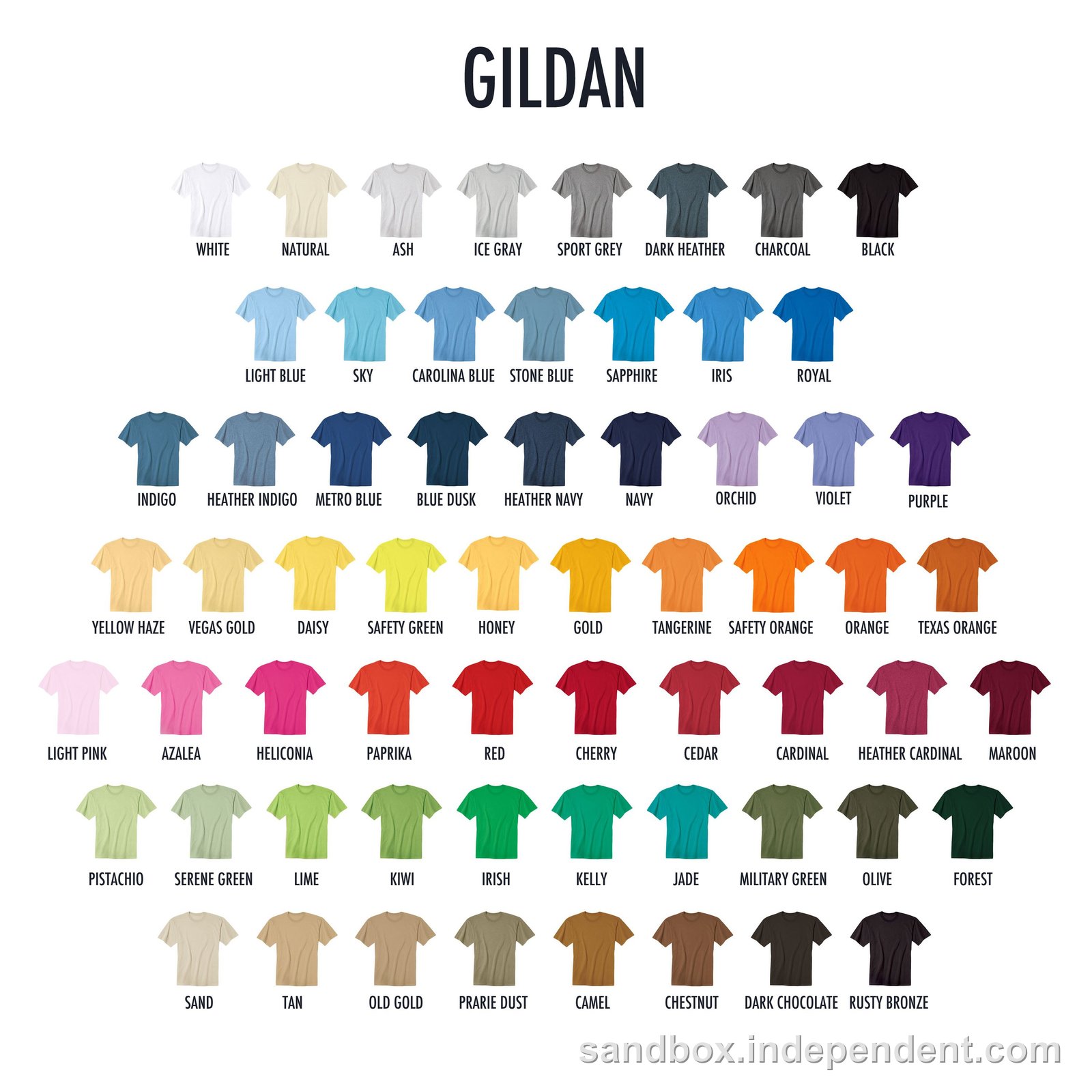
You're probably here because you need a quick answer, right? Maybe you're trying on a new T-shirt and it's a bit of a mystery whether it fits or not. Well, fear not! A T-shirt size chart is your handy guide to cracking this code. It's a simple tool that helps you find your perfect fit, and it's especially useful when shopping online or trying out a new brand. These charts can vary slightly, but they usually give you a clear idea of measurements and sizes, often with a T-shirt sizing guide and a clothing size chart to refer to.
Understanding the Chart: A Quick Overview
The t-shirt size chart is your practical guide to finding the perfect fit. It's a reference tool that simplifies the process of choosing the right size, ensuring comfort and style. This chart provides a standardized way to measure and categorize t-shirts, making online shopping or in-store browsing a breeze.
Comparing Standards and Formats
T-shirt size charts can vary depending on the region and manufacturer. The most common standards are the US sizing system and the international metric system. US sizes often use alphabetical letters (e.g., S, M, L) with numerical values for specific measurements. International sizes, on the other hand, typically use numerical values for height and weight ranges. It's essential to know which standard you're dealing with to ensure accurate sizing.
Measuring for Accuracy: A Step-by-Step Guide
To use a t-shirt size chart accurately, follow these simple steps:
- Gather your measuring tools: a flexible tape measure and a notepad.
- Measure your body: Take accurate measurements of your chest, waist, and height. For chest and waist, wrap the tape measure around the fullest part of your body. For height, stand straight and measure from the top of your head to the floor.
- Refer to the chart: Locate your measurements on the chart. Match your chest and waist measurements to the corresponding size categories. If your measurements fall between sizes, consider the fit you prefer: a looser or tighter look.
- Consider fabric and fit: Different fabrics and styles can affect the fit. Stretchier fabrics may require a smaller size, while structured fabrics might need a larger size. Always check the product description for any specific fitting notes.
- Double-check: If you're unsure, try comparing your measurements with a well-fitting t-shirt you already own. Place it flat and measure the width and length to get an idea of the ideal size.
Common Misreadings and How to Avoid Them
Misinterpreting a t-shirt size chart is easy, especially with varying standards. Here's how to avoid common mistakes:
- Don't assume: Always double-check the sizing standard. US and international sizes can differ significantly.
- Consider the fabric: The stretch and drape of the fabric can impact the fit. If the t-shirt is made of a stretchy material, it might fit differently than a structured fabric.
- Know your brand: Some brands have unique sizing systems. Check the brand's size guide or customer reviews for any specific sizing notes.
- Don't rely on vanity sizing: Some brands use vanity sizing, which means their sizes may not align with standard measurements. Always trust the measurements provided rather than the size label.
Key Factors Affecting Accuracy
Several factors can influence the accuracy of your t-shirt size chart readings:
Fabric type: As mentioned, different fabrics have varying levels of stretch and drape, which can affect the fit.
Brand variations: Each brand may have slight variations in their sizing, so always check their specific size guide.
Personal preference: Your desired fit can impact the size you choose. Do you prefer a loose, relaxed fit or a more tailored look?
International differences: Sizing can vary between countries and regions. Always check if the chart follows the US or international standard.
Body shape: Different body types may require adjustments. For example, a muscular build might need a different size than indicated by height and weight alone.
Adapting the Chart for Specific Needs
While t-shirt size charts provide a general guide, you may need to adapt them for specific situations:
- Layering: If you plan to wear the t-shirt as a base layer, consider going for a size up to accommodate additional clothing.
- Style variations: Different t-shirt styles, like slim-fit or oversized, may require adjustments. Check the product description for any fitting recommendations.
- Custom sizing: Some brands offer custom sizing options, allowing you to input your exact measurements for a perfect fit.
- Pregnancy or weight fluctuations: During these periods, your body shape may change, requiring temporary adjustments to your usual size.
Remember, the t-shirt size chart is a helpful tool, but it's not an exact science. Always consider your personal preferences and the specific characteristics of the t-shirt you're buying. With these tips, you'll be a pro at finding the perfect fit!
Hey there! I hope this guide has been helpful in navigating the world of T-shirt size charts. Remember, while the basics remain the same, there can be slight variations in measurements and standards. It's always a good idea to double-check and ensure you're referring to the right chart for your needs.
Feel free to bookmark this page for future reference, and don't hesitate to explore other guides on related topics. We've got you covered!
Related: Grout Color Chart: Your Quick Reference Guide
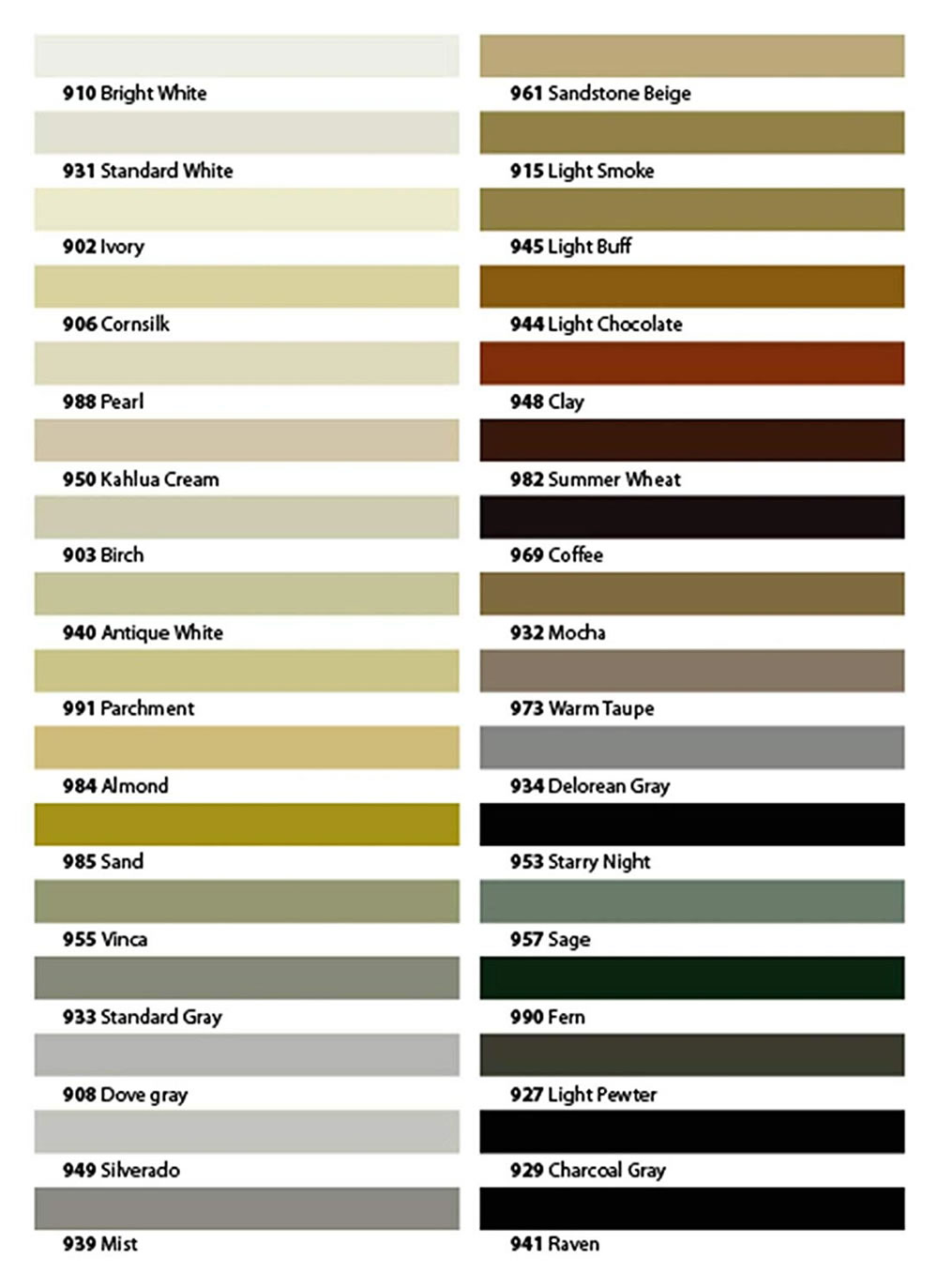
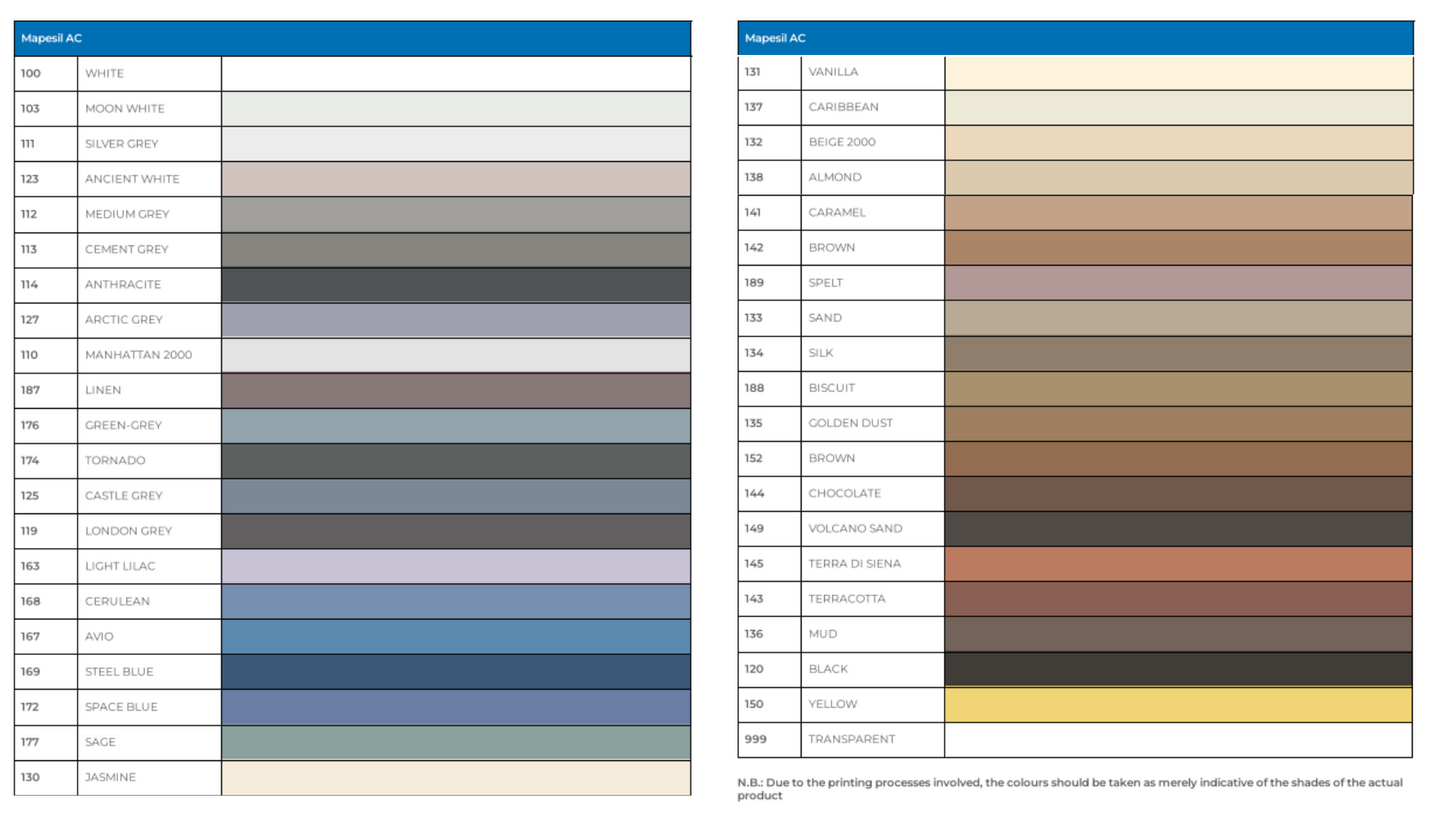
Finding the right grout color can be a tricky task, and that's where a grout color chart comes in handy. It's a simple yet effective tool, providing a quick reference to help you choose and match the perfect shade for your tiles. With various colors and shades available, this chart ensures you get it right, offering a visual guide to navigate the world of grout color options.
Grout Color Chart: A Practical Guide to Selecting the Right Shade
The grout color chart is a handy reference tool for anyone working with tiles and grout. It provides a visual guide to help you choose the perfect grout shade for your project, ensuring a cohesive and aesthetically pleasing result. This chart is a valuable resource for both professionals and DIY enthusiasts, offering a simple way to navigate the world of grout colors.
Key Details and Categories to Know
The grout color chart typically presents a range of grout shades, often organized in a grid or palette format. Each shade is assigned a name or code for easy reference. The chart may also include additional information such as the grout type, whether it's sanded or unsanded, and sometimes even the manufacturer's brand. It's important to note that the specific categories and details can vary depending on the standard or brand you're using.
Step-by-Step Guide to Reading and Using the Chart
Using the grout color chart is straightforward. First, identify the type of grout you need - sanded or unsanded - as this will narrow down your options. Then, assess the color options available for your chosen grout type. The chart will provide a visual representation of the shades, allowing you to compare and contrast. You can also refer to the color names or codes to find the perfect match for your tiles. Once you've selected your preferred shade, simply note down the corresponding code or name to ensure you get the right grout product.
Understanding Variations and Differences
Variations in grout color charts can occur due to several factors. Different manufacturers may have their own unique color palettes, so it's essential to refer to the specific brand's chart for accurate results. Additionally, the lighting conditions and surface materials can affect how grout colors appear. It's always a good idea to view grout samples in the intended lighting and against the actual tile surface to get a true representation of the shade.
Common Mistakes and How to Avoid Them
One common mistake is relying solely on the chart without considering the actual grout sample. Always request a physical sample or visit a store to see the grout in person. Another pitfall is not accounting for lighting differences. Grout colors can appear differently under various lighting conditions, so ensure you view samples in the intended lighting environment. Lastly, be mindful of the grout type - sanded vs. unsanded - as using the wrong type can affect the final outcome.
Practical Tips for Accurate Results
To ensure you achieve the desired grout color, consider these tips. Firstly, obtain multiple samples of your chosen shade to account for any variations in lighting and surface conditions. Secondly, compare the samples side by side with your tiles to ensure a harmonious match. Thirdly, if you're working with a large area, it's advisable to purchase grout from the same batch to minimize color variations. Lastly, don't be afraid to seek advice from professionals or experienced DIYers who can offer valuable insights and recommendations.
By following these guidelines and utilizing the grout color chart effectively, you'll be able to select the perfect grout shade for your project, adding the finishing touch to your tiled space. Remember, the right grout color can enhance the overall aesthetic and create a seamless, polished look.
Well, there you have it! Grout color charts are a handy tool to have in your toolkit, and while the basics are covered here, it's always worth exploring the specific details for your project. Exact colors and shades can vary, so it's a good idea to double-check and ensure you're using the right references.
Don't forget to explore our other guides for more practical tips and tricks. We've got a whole range of topics to help you with your home improvement projects, so feel free to browse and discover more!