


Jordan Shoe Chart Template Overview
Many folks new to verb anchor charts might think they're just for kids or a basic tool. But these charts are powerful, offering a quick, visual way to grasp verb tenses and forms. A verb anchor chart is an essential reference, a simple yet effective diagram that ensures your verb usage is spot on. It's a handy tool to have, and its format can vary, offering a tailored verb guide for different needs.
Understanding the Verb Anchor Chart
The verb anchor chart is a handy tool that provides a visual representation of verbs and their various forms and tenses. It's like a map for verb usage, guiding you through the different ways verbs can be expressed. This chart is a reference point, offering a clear and organized layout to enhance your understanding and application of verbs.
Key Details and Categories
The verb chart typically includes columns representing different verb tenses, such as present, past, and future, along with their progressive and perfect forms. Each row contains a verb, often listed alphabetically, with its corresponding forms in the respective tense columns. You'll find regular verbs following a consistent pattern, while irregular verbs stand out with their unique forms. The chart may also indicate the verb's type, like action or linking verbs, and provide examples of usage.
Reading and Applying the Chart
To use the verb anchor chart effectively, follow these steps:
Identify the verb you wish to explore. Let's say you're interested in the verb "run."
Locate "run" on the chart. You'll find it listed under the present, past, and future tense columns.
Read across the row to see the different forms. For "run," you'll see "runs" (present), "ran" (past), and "will run" (future).
If you need to use a progressive tense, look for the "-ing" form. In this case, it's "running."
For perfect tenses, check the "have/has" and "had" columns. So, "has run" and "had run" are the perfect tenses for "run."
By following this simple process, you can quickly find the correct verb form for your sentence, ensuring accurate and consistent verb usage.
Variations and Differences
It's important to note that verb charts can vary based on the standard or context. Different regions or styles may have slight variations in verb forms or tenses. Here are some key factors that can cause these variations:
Regional differences: Verb usage can vary between countries or even within regions. For example, British English and American English have some distinct verb forms.
Style guides: Various style guides, like APA or MLA, may have specific preferences for verb tenses or forms, especially in academic writing.
Contextual usage: The verb's function in a sentence, such as whether it's an action or linking verb, can impact its form.
Irregular verbs: These verbs don't follow the typical patterns, so they require special attention and memorization.
Common Mistakes and How to Avoid Them
When using a verb diagram or chart, it's easy to make mistakes if you're not careful. Here are some common pitfalls to watch out for:
Misreading the chart: Always double-check the verb's tense and form. Mistakes can happen when you confuse past and present tenses, for instance.
Neglecting context: Remember that verb forms can change based on the sentence's context. Ensure you choose the right form for your specific usage.
Relying solely on the chart: While the chart is a great tool, it's not exhaustive. Some verbs have unique forms or usages that may not be covered. Always refer to additional resources or examples when in doubt.
Ignoring regional variations: Be mindful of regional differences, especially if your audience is from a different region. Ensure your verb usage aligns with their expectations.
By being aware of these potential issues and taking a careful, contextual approach, you can ensure accurate and effective verb usage in your writing.
So, there you have it! A handy verb anchor chart can be an incredibly useful tool to have in your kit. It's a simple yet effective way to keep your language skills sharp and ensure you're using verbs accurately.
Remember, while this guide offers a general overview, it's always wise to double-check any specific requirements or context-related nuances. Every situation is unique, and language can be a tricky beast!
Feel free to explore our other guides; we've got plenty of resources to help you master various language-related topics. Happy learning, and keep those verbs in check!
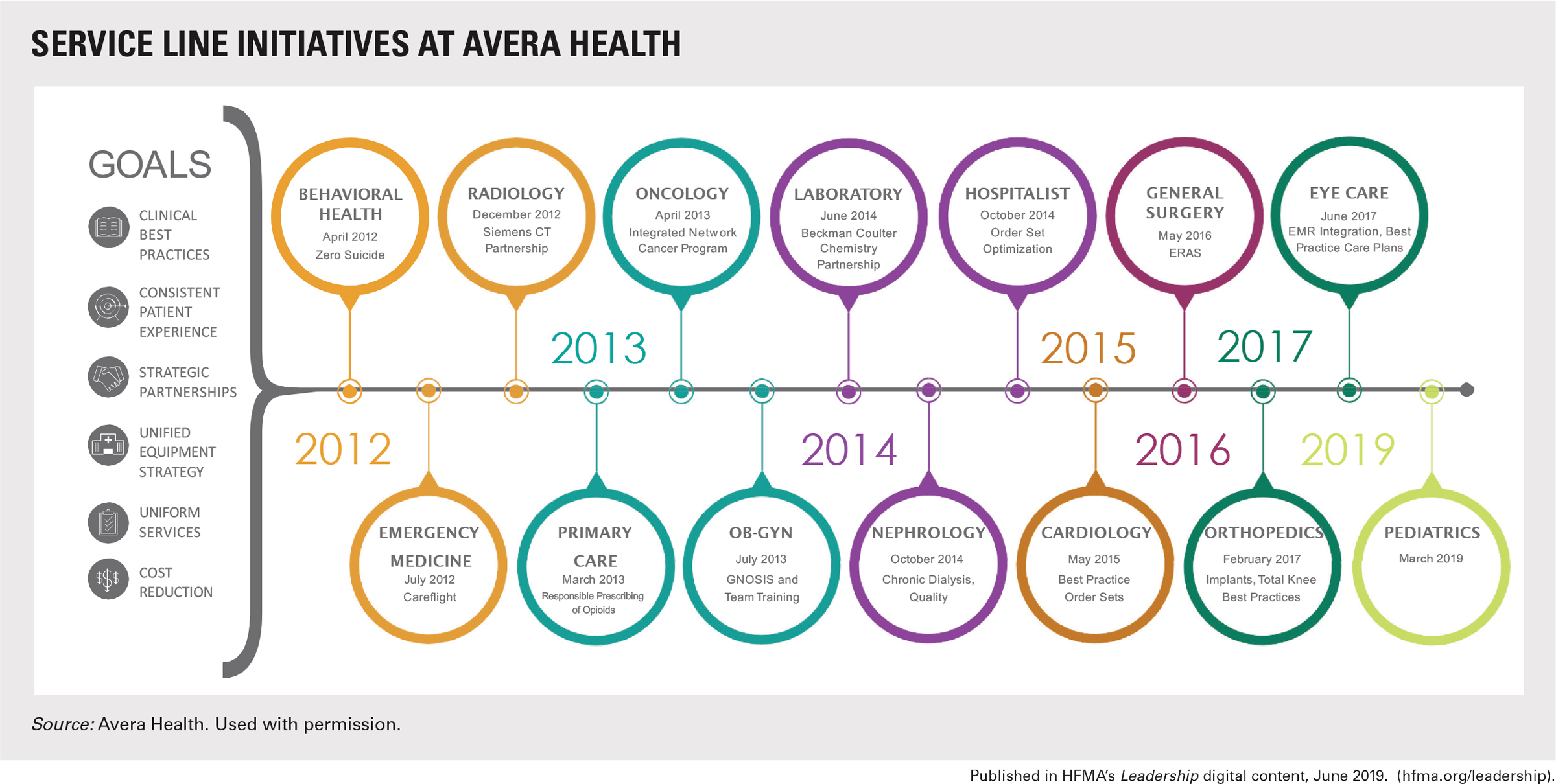
Related: How to Access Your Avera Chart Login?
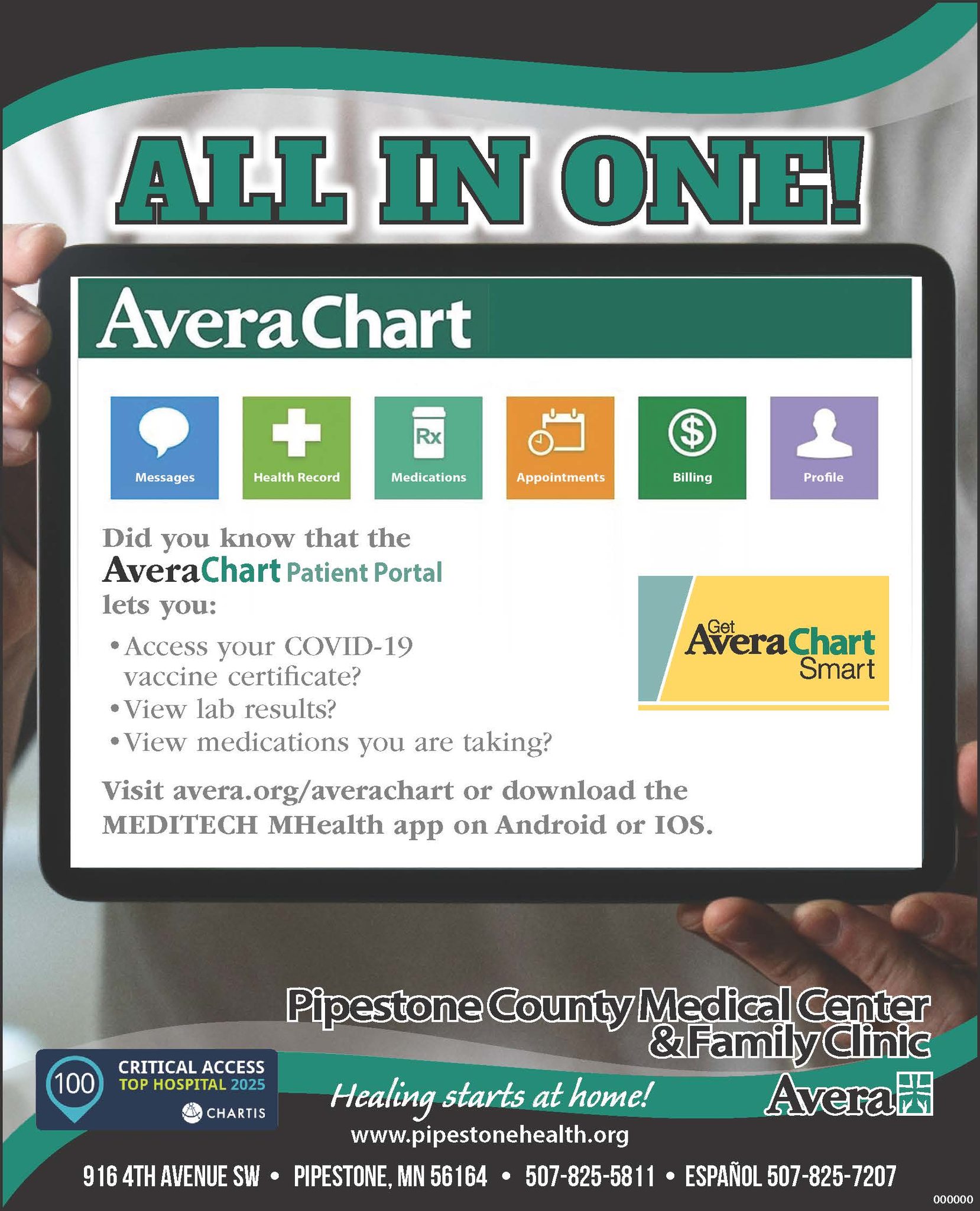
"Avera Chart Login" is a handy tool for accessing your health records and managing your medical information. This guide will walk you through the process, ensuring you can navigate this resource with ease.
The Avera Chart Login system is a secure gateway to your personal health data. It offers a straightforward way to view and manage your records, and it's a great resource for staying on top of your healthcare journey. You can access your Avera medical records, view test results, and even connect with healthcare providers through the patient portal. It's a simple, yet powerful, way to take control of your health information.
Understanding Your Avera Chart Login
The Avera Chart Login is your gateway to accessing and managing your personal health records through the Avera Health system. It's like having a digital health companion, giving you control over your medical information and providing a clear overview of your health journey.
Key Details and Prerequisites
Before diving into the chart, it's essential to know a few key details. The Avera Chart Login typically displays information in a table format, with rows representing different health parameters and columns showing the corresponding values. You'll find categories such as vital signs (like blood pressure and heart rate), lab results, medications, allergies, and more. Each category has its own set of units and measurements, which are standardized for accuracy.
Navigating the Portal: A Step-by-Step Guide
Accessing and reading your Avera Chart Login is straightforward:
- Visit the Avera Health website and locate the "Avera Chart Login" or "Avera MyChart" section.
- Enter your username and password. If you're a new user, you'll need to create an account first.
- Once logged in, you'll see an overview of your health records.
- To explore specific categories, click on the relevant tabs or use the search function.
- When viewing a category, pay attention to the units and ranges. For example, blood pressure is typically measured in mmHg (millimeters of mercury), and normal ranges are usually indicated.
- For lab results, understand the reference ranges provided. These ranges are specific to the test and can vary based on factors like age and gender.
- If you have any questions or concerns, the portal often provides tooltips or additional information icons to clarify certain values or categories.
Variations and Differences: Why They Happen
It's important to note that health charts, including the Avera Chart Login, can vary based on several factors. These variations ensure accuracy and relevance to your specific health situation:
- Age: Reference ranges for various health parameters often differ for children, adults, and the elderly.
- Gender: Some health indicators, like certain lab results, can vary between males and females.
- Medical Conditions: Pre-existing conditions or recent illnesses can impact your health readings and their interpretation.
- Lifestyle Factors: Diet, exercise, and other lifestyle choices can influence your health metrics.
- Time of Day: Certain readings, like blood pressure, can vary throughout the day.
Common Mistakes and How to Avoid Them
To ensure you're using your Avera Chart Login accurately, watch out for these common mistakes:
- Misinterpreting Reference Ranges: Understand that reference ranges are guidelines, and your results might fall outside these ranges without being cause for concern. Discuss any anomalies with your healthcare provider.
- Ignoring Units: Always pay attention to the units of measurement. For instance, weight can be recorded in pounds or kilograms, and the difference matters.
- Assuming Consistency: Health metrics can fluctuate, so don't assume your results will always be the same. Regular monitoring provides a more accurate picture.
Practical Tips for Accurate Results
Here are some tips to make the most of your Avera Chart Login:
- Customize Your Chart: Personalize your chart by adding or removing categories based on your specific health needs.
- Set Reminders: Use the portal's reminder function to stay on top of upcoming appointments, medication refills, or lab tests.
- Share with Your Provider: Discuss your chart with your healthcare provider to ensure they have a complete picture of your health.
- Stay Informed: Regularly review your chart to stay informed about your health status and any changes.
Double-Checking and Handling Exceptions
While the Avera Chart Login provides a comprehensive overview, it's always a good idea to double-check certain details, especially when:
- Dealing with Critical Values: If a health parameter falls significantly outside the reference range, verify the result with your healthcare provider.
- New Diagnoses or Treatments: When starting a new medication or treatment, confirm any expected changes in your health metrics with your doctor.
- Unusual Symptoms: If you experience unusual symptoms, compare your chart data with your symptoms to identify any potential correlations.
Remember, your Avera Chart Login is a powerful tool for managing your health, but it's always best to consult with healthcare professionals for personalized advice and guidance.
Well, that's a wrap on our Avera Chart Login guide! You should now feel confident in understanding the basics, reading the chart, and avoiding common pitfalls. Remember, every context is unique, so be sure to check your specific requirements and double-check the values and units to ensure accuracy.
We've covered a lot of ground, but there's always more to explore. If you're keen to dive deeper into related topics, feel free to browse our other guides and resources. They're a great way to expand your knowledge and keep your skills sharp!
Related: How to Read a Knife Steel Chart?
A knife steel chart is a handy tool for anyone wanting to understand knife steel properties and grades. It's a simple yet effective way to compare and contrast different steel types used in knife-making.
This guide will take you through the basics of reading and interpreting these charts, covering the key steel properties and how they impact your knife's performance. You'll discover the variations in steel hardness, composition, and grades, which can differ based on region and brand.
Understanding Steel Ratings
The knife steel chart is your go-to tool for comparing and understanding the different types of steel used in knife-making. It's a handy reference guide that simplifies the complex world of steel properties and grades. This chart helps you make informed decisions when choosing a knife, whether you're a chef, an outdoor enthusiast, or a collector.
Comparing Steel Options
The knife steel chart typically presents various steel types in a clear, organized manner. It often includes columns for steel grades, hardness ratings, and other relevant properties. You'll find a range of steel options, from common and affordable choices to premium, high-performance steels. Each steel type has its unique characteristics, and the chart helps you quickly grasp these differences.
Practical Steel Selection: A Step-by-Step Guide
Using the knife steel chart is straightforward:
Identify your needs: Determine what you'll primarily use the knife for, such as kitchen tasks, outdoor adventures, or collection purposes. Different steel types excel in different areas.
Check the chart: Locate the steel grades column and review the options. Look for steels suitable for your intended use, considering factors like edge retention, sharpness, and corrosion resistance.
Compare hardness: The hardness scale is a critical factor. Harder steels generally hold an edge longer but can be more brittle. Softer steels are more flexible and easier to sharpen but may dull faster. Find a balance that suits your needs.
Consider other properties: Besides hardness, the chart provides insights into steel composition, corrosion resistance, and ease of sharpening. These factors are crucial for long-term performance and maintenance.
Make an informed choice: With the chart's guidance, you can now select the steel that best aligns with your knife's intended use and your personal preferences.
Avoiding Common Misreadings
While the knife steel chart is a valuable tool, it's essential to interpret it accurately:
Understand the scale: Different charts may use varying hardness scales, like Rockwell C (HRC) or Mohs. Ensure you're familiar with the scale used in your chart.
Know your steel: Steel grades can vary between regions and manufacturers. Always double-check the exact specifications, especially for less common steels.
Consider real-world factors: The chart provides a snapshot of steel properties, but actual performance can vary based on knife design, heat treatment, and maintenance.
Key Factors Affecting Accuracy
Several factors influence the accuracy and real-world performance of steel in knives:
Heat treatment: This process can significantly impact a steel's hardness and overall performance. Well-heat-treated steel can outperform its chart rating.
Knife design: The geometry and thickness of the blade can affect how steel performs. A thinner blade may not fully utilize the potential of a high-hardness steel.
Maintenance: Proper care and sharpening techniques are crucial. Neglecting maintenance can lead to premature dulling, even with premium steels.
Environmental factors: Corrosion resistance is essential, especially for outdoor use. The chart provides a guide, but real-world conditions can vary.
Adapting the Chart for Your Needs
The knife steel chart is versatile and can be tailored to your specific requirements:
Focus on key factors: If you prioritize edge retention, narrow your search to steels known for their durability. If corrosion resistance is vital, choose steels with high chromium content.
Compare similar steels: When in doubt, compare steels within the same family. For instance, compare different stainless steel grades to find the best balance of hardness and corrosion resistance.
Seek expert advice: If you're unsure, consult knife experts or experienced users. They can provide valuable insights and recommendations based on their experience.
Keeping Your Reference Reliable
To ensure the knife steel chart remains a reliable reference:
Update regularly: Steel technology and manufacturing processes evolve. Stay updated with the latest charts and sources to access the most accurate information.
Cross-reference: When in doubt, compare multiple charts and sources. This helps verify the accuracy of the information and ensures you have a well-rounded understanding of steel properties.
Seek specialized charts: For specific knife types or uses, consider specialized charts. These charts provide detailed insights tailored to your needs, ensuring you make the best choice.
Hey there, I hope this guide has given you a clear understanding of knife steel charts and their practical use. Remember, these charts are a fantastic tool, but the exact details can vary, so always double-check the specific standards and sources you're working with.
Consider bookmarking this page for future reference; it's a quick and handy way to refresh your memory and ensure you're using the right info. There are plenty more guides like this on various topics, so feel free to explore and find the tools that work best for you!