







Kansas Special Education Handbook Overview
"What is a specialty contractor?" I asked myself as I started planning my home renovation. It's a term I kept seeing, but I wasn't sure what it meant exactly. So, I did some digging and here's what I found out.
The Basics: Who Are These Specialists?
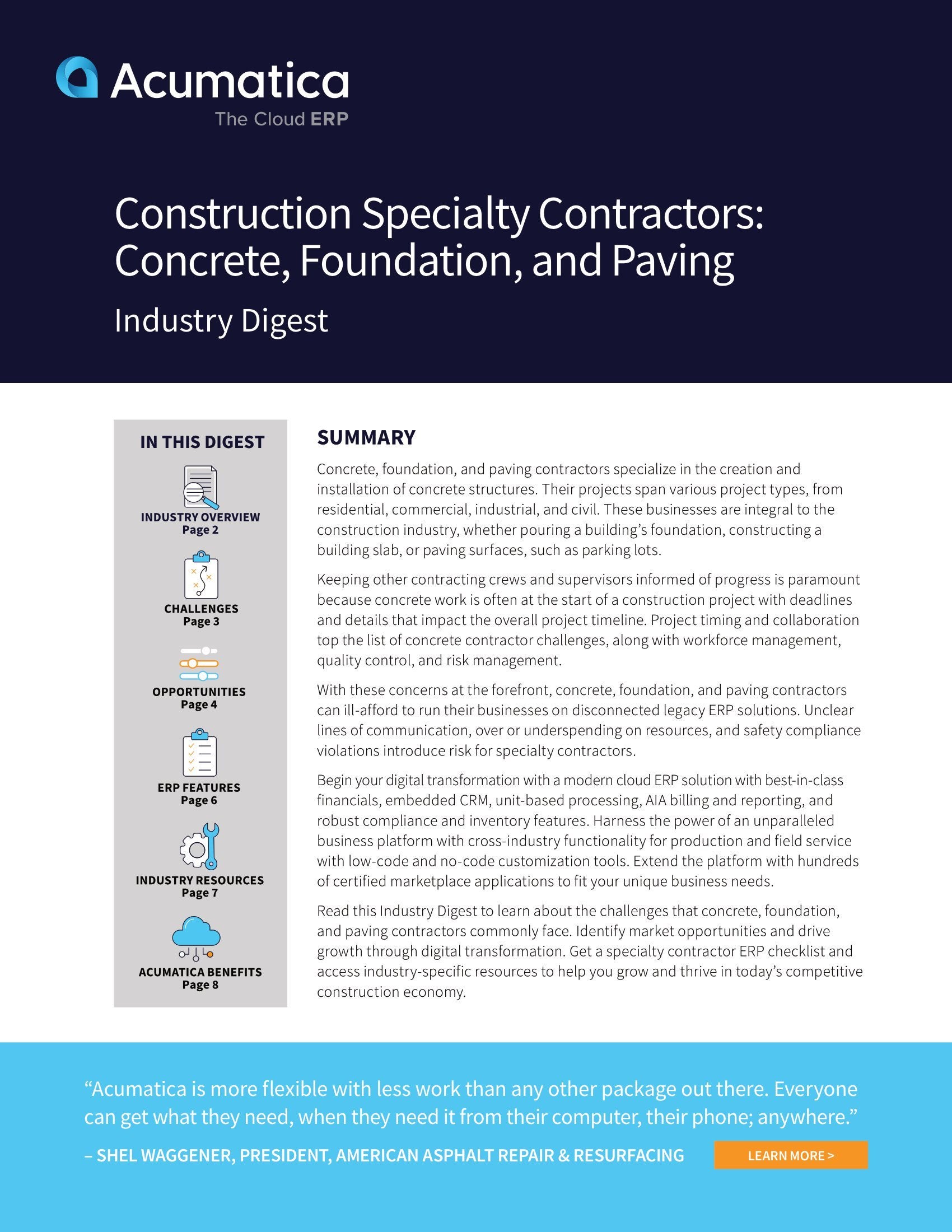
A specialty contractor is a pro who focuses on one specific trade or skill. Unlike a general contractor who oversees the whole project, these guys are the experts in their field. They might handle plumbing, electrical work, roofing, or even something more niche like pool installation or solar panel setup. It's all about having a deep knowledge of one area.
Why Does It Matter?
Well, if you're planning a project, knowing who to call can save you time and money. For example, let's say you need a new roof. You could hire a general contractor who will then subcontract the roofing work out to a specialist. But why not go straight to the source? A specialty contractor will likely be more efficient and offer better value. They're the masters of their craft and can often complete jobs faster and with fewer surprises.
Finding and Hiring a Specialist
When you're ready to hire, do your research. Get quotes from a few different companies and compare. Look for experience, references, and check their licensing and insurance. It's also a good idea to ask about their process and how they handle unexpected issues. Remember, the cheapest quote might not always be the best value. You want someone who understands your vision and can deliver high-quality work.
Company Names and Branding
If you're in the construction game and thinking of starting your own business, choosing a name is key. It should be memorable, unique, and reflect your specialty. Something like "Atlanta Electrical Experts" or "Helena's Roofing Masters" tells people exactly what you do. But don't forget to check name availability and secure your domain and local registration too.
Jobs and Industry Outlook
Specialty contractors often work for larger construction companies or are self-employed. The work can be varied and rewarding, and there's always demand for skilled tradespeople. If you're looking for a career change, consider training in a specialty trade. It's a stable industry with plenty of opportunities. You'll find jobs listed on construction-focused job boards and local classifieds.
Tools of the Trade
In the construction world, tools like RSMeans can be a big help. It's a cost database and estimating tool used by contractors and estimators to price projects accurately. It takes into account things like materials, labor, and escalation (changes in costs over time). Having access to reliable data like this can make a big difference when quoting for jobs.
Big vs. Small Firms
The construction industry has a mix of large and small firms. Big companies often have more resources and can take on larger projects, but smaller firms might offer more personalized service. It's a balance between scale and specialization. As a customer, it's worth considering what matters most to you and your project.
Final Thoughts
Understanding what is a specialty contractor can really help when planning a project. Knowing who to call and what to expect can make the process smoother. And if you're thinking of a career change, the construction industry offers a world of opportunities. So, whether you're a homeowner, a business owner, or considering a new path, specialty contractors are a key part of the picture.
Related: How to Read the OBX Tide Chart?
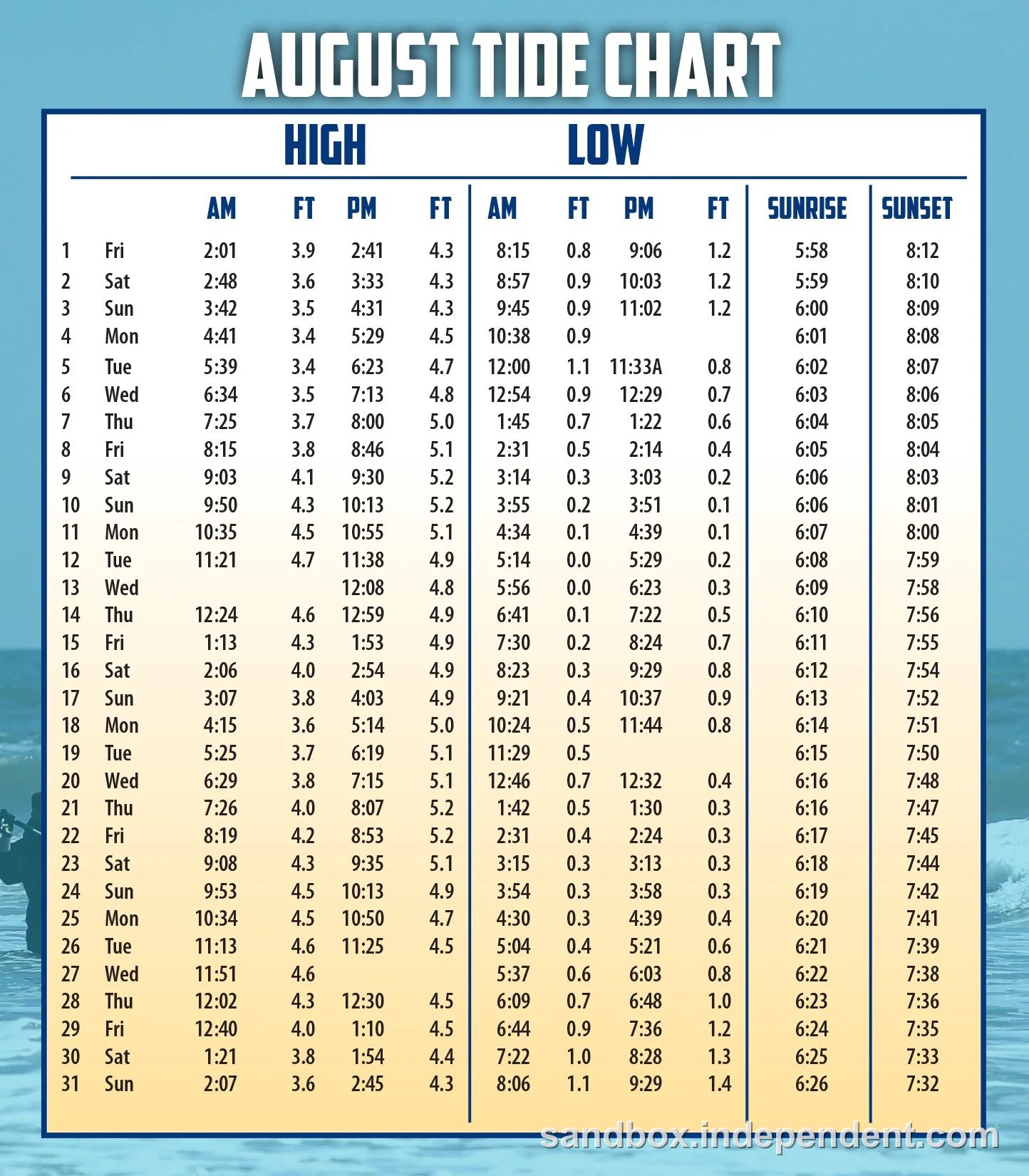
As you seek a reliable reference, the obx tide chart is an essential tool for anyone planning coastal activities. This chart, a concise visual guide, offers a quick glance at tide times and heights, a vital consideration for various pursuits. Whether you're a local or a visitor, understanding the tides is key to a successful and enjoyable experience, and the obx tide chart provides an accurate snapshot of the ocean's rhythm.
Understanding the OBX Tide Chart
The OBX tide chart is a valuable tool for anyone planning activities along the Outer Banks coastline. It provides a visual representation of the predicted tide levels and times, offering a glimpse into the ever-changing nature of the ocean's tides. By understanding and interpreting this chart, you can make informed decisions about your beach adventures, fishing trips, or coastal explorations.
Key Details and Categories
The OBX tide chart typically displays tide data for a specific location, such as Oregon Inlet or Ocean City. It presents two primary categories: tide heights and corresponding times. Tide heights are represented in feet or meters, depending on the standard used, and indicate the vertical movement of the water level. The chart often covers a 24-hour period, showing the predicted high and low tides, along with the times they occur.
Reading the Chart: A Step-by-Step Guide
- Identify the Location: Ensure you are referencing the correct OBX tide chart for your desired location. Different areas along the Outer Banks may have slight variations in tide patterns.
- Understand the Scale: Familiarize yourself with the scale used for tide heights. This scale is usually located on the side or bottom of the chart, indicating the range of tide levels.
- Locate the Current Date and Time: Find the date and time you are interested in on the chart. The chart often displays a timeline, making it easy to identify the current or future tide conditions.
- Interpret Tide Heights: Read the tide heights along the scale. High tide indicates the maximum water level, while low tide represents the minimum. The chart may use different colors or shading to differentiate between high and low tides.
- Plan Your Activities: With the tide information at hand, you can now plan your beachcombing, fishing, or boating activities accordingly. For instance, low tide might be ideal for exploring tidal pools or collecting shells, while high tide offers different opportunities, such as kayaking or surfing.
Common Tide Variations
Tide patterns can vary due to several factors, including:
- Geographical Location: Different areas along the Outer Banks experience unique tidal influences due to variations in coastal geography and ocean currents.
- Weather Conditions: Wind patterns, atmospheric pressure, and storm systems can impact tide levels and timing.
- Lunar Cycle: The gravitational pull of the moon affects tidal patterns. Spring tides, occurring during full and new moons, result in higher high tides and lower low tides, while neap tides, during quarter moons, produce less extreme tidal ranges.
Avoiding Common Mistakes
- Misinterpreting the Scale: Ensure you understand the scale used for tide heights. Misreading the scale can lead to inaccurate planning.
- Neglecting Weather Updates: Always check the latest weather forecasts, as unexpected weather events can influence tide patterns.
- Assuming Universal Tide Patterns: Remember that tide charts are location-specific. Using the wrong chart for your area can result in incorrect planning.
Practical Tips for Accurate Results
- Stay Informed: Regularly check the OBX tide chart for updates, especially if you are planning activities over multiple days.
- Consider Seasonal Variations: Tide patterns can differ throughout the year. Be mindful of seasonal changes and their impact on tidal behavior.
- Explore Local Knowledge: Engage with local fishing communities or beach enthusiasts who may have valuable insights into tide behavior and the best times for specific activities.
- Use Multiple Sources: Cross-reference tide information from different sources to ensure accuracy and reliability.
Remember, while this guide offers a solid foundation, it's always wise to verify the specific tide charts and conditions for your exact location and date. These natural phenomena can be influenced by various factors, so staying informed is key.
Feel free to explore our other guides and resources for a deeper understanding of coastal adventures and the many factors that influence them. Happy exploring!
Related: A Beginner's Guide to Reading Trumpet Note Charts
A trumpet note chart is a handy tool for any trumpeter, offering a quick glance at the notes and their corresponding fingerings. This guide will take you through the basics, ensuring you can read and use the chart with ease.
It's a simple reference, but an essential one, as it covers the standard range and common scales. While the exact values may vary slightly, the chart provides a solid foundation for understanding note names and their pitch frequencies.
Understanding the Trumpet Note Chart
The trumpet note chart is a valuable tool for any trumpeter, offering a visual representation of the notes and their corresponding fingerings. It's like a map, guiding you through the world of trumpet playing. This chart simplifies the process of learning and mastering different notes, making it an essential resource for beginners and experienced players alike.
Key Details and Categories
Before diving into the chart, it's crucial to understand some basics. The chart typically covers the standard range of a trumpet, which includes both the natural notes and those produced using valve combinations. You'll find notes organized by their pitch frequency, from low to high. Each note is represented by a specific fingering, often shown as a combination of valve positions. Additionally, some charts may include alternate fingerings, offering options for different playing styles or instruments.
Reading the Notation and Applying It
Using the trumpet note chart is straightforward. Start by identifying the note you want to play. Then, locate it on the chart, which will show you the correct fingering. For example, if you want to play a C note, you'll see a specific valve combination indicated. Follow this fingering, and you'll produce the desired note. It's as simple as that! Practice reading the chart and applying the fingerings to become more comfortable with it. Over time, you'll develop muscle memory, making note transitions seamless.
Variations and Differences
While the trumpet note chart provides a solid foundation, it's important to note that variations exist. Different standards, such as US or international, may have slight differences in note names or fingerings. Additionally, some charts might focus on specific scales or playing techniques. Always double-check the exact specifications for your instrument and playing style. Here are some common factors that can cause variations:
- Standard range variations: Some charts may extend beyond the standard range, offering additional notes.
- Instrument type: Different trumpet models might have slight variations in fingering.
- Playing style: Certain charts cater to specific genres or techniques, like jazz or classical.
- Alternate fingerings: These provide options for achieving the same note with different finger combinations.
Remember, the trumpet note chart is a versatile tool, but it's essential to adapt it to your specific needs and context. With practice and familiarity, you'll navigate the chart with ease, unlocking the full potential of your trumpet playing.
Well, there you have it! A handy trumpet note chart can be a great tool to have in your musical arsenal. Remember, these charts provide a solid foundation, but exact values might differ slightly across different standards or resources.
So, before you put your new knowledge into practice, take a moment to ensure you're using the right chart for your specific needs. And don't forget to explore our other guides; there's plenty more musical magic to discover!