



Kids Worksheets Writing Overview
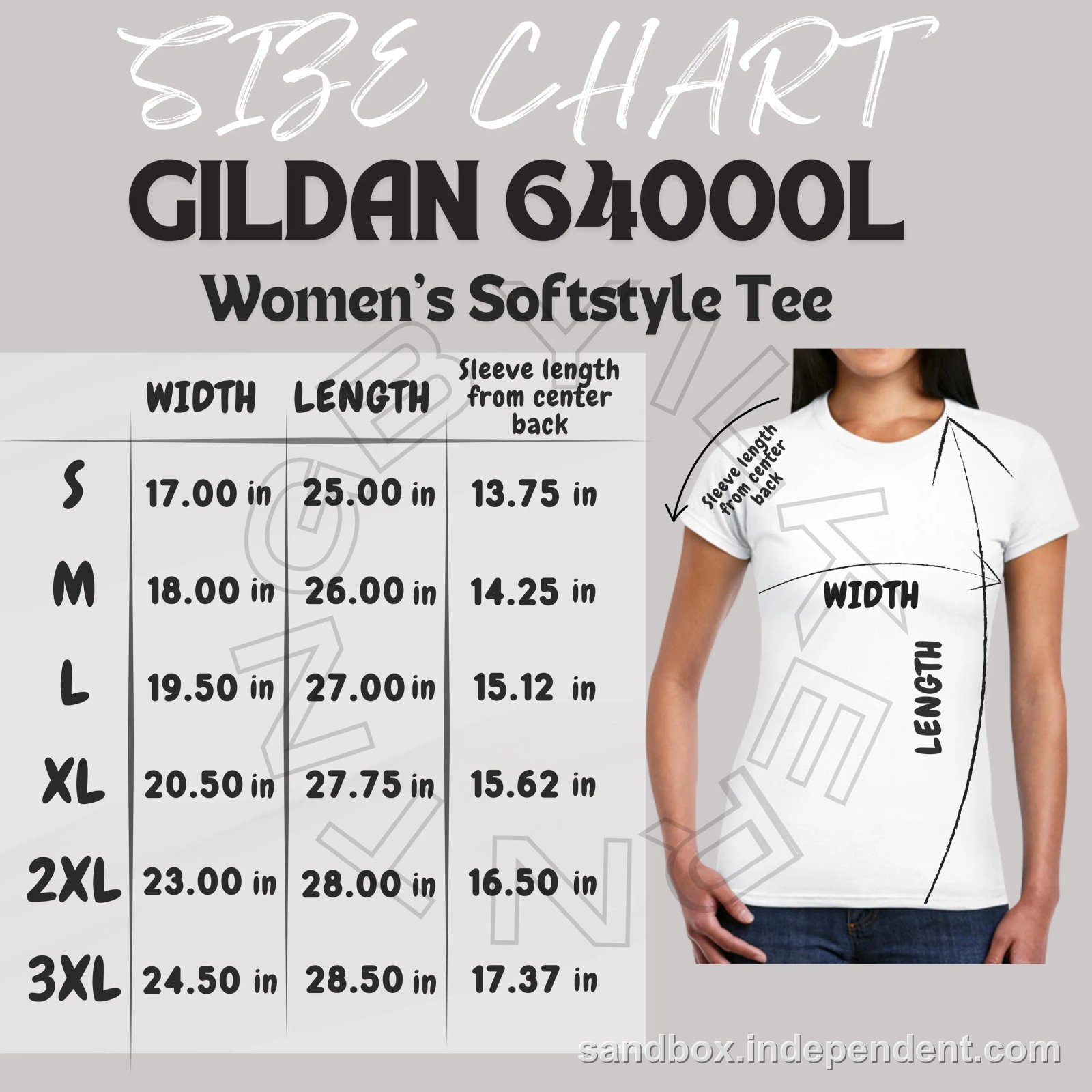
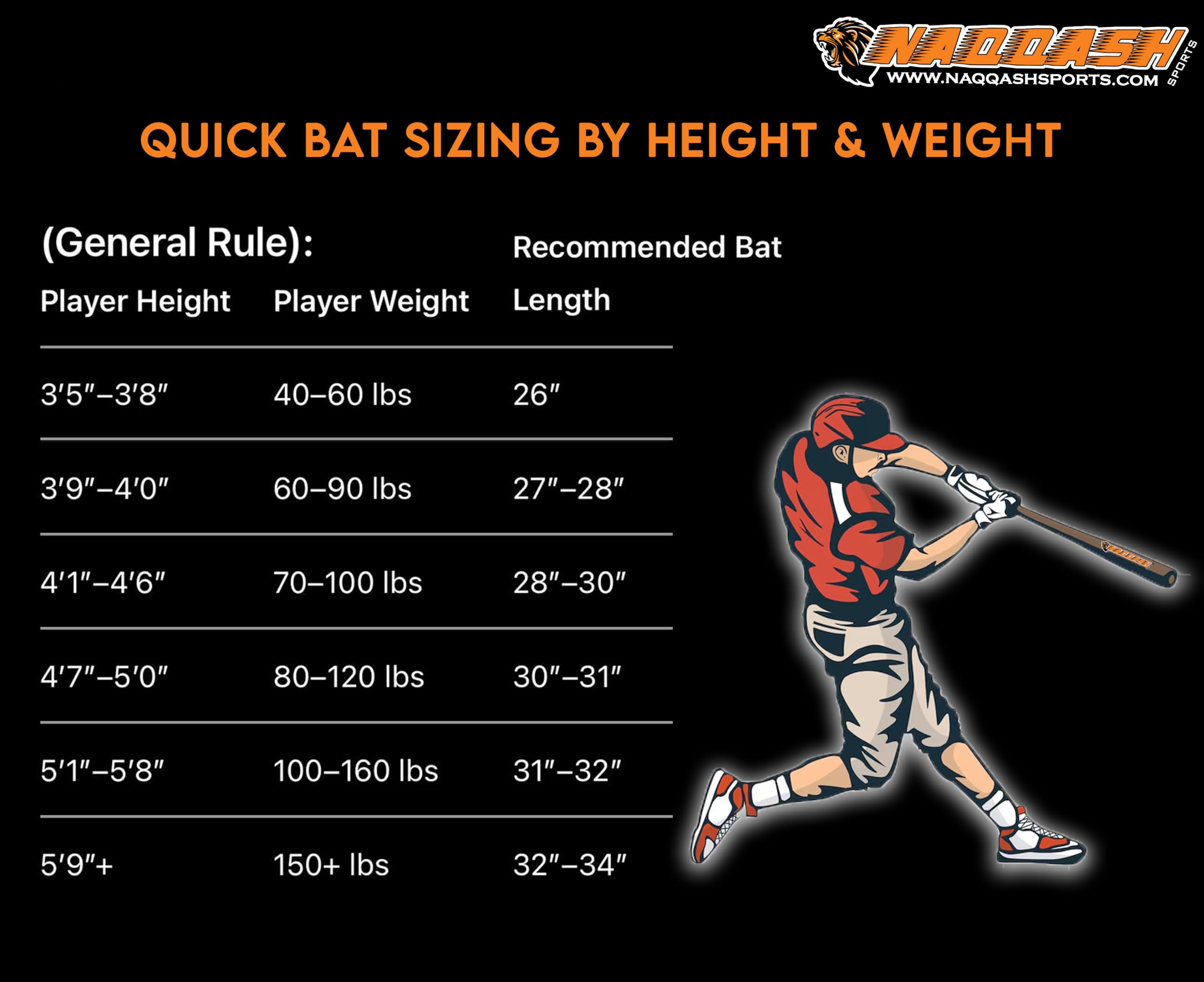
Many people assume that a bat size chart is solely about the length of a bat, but it's actually a comprehensive guide covering various dimensions and specifications. While length is an essential factor, a bat size chart also provides insights into other critical aspects, ensuring you choose the right equipment. This simple yet effective tool offers a quick reference, guiding you through the process of selecting the perfect bat size, whether for yourself or a young player.
Understanding the Bat Size Chart: A Quick Overview
The bat size chart is an essential tool for anyone involved in baseball or softball, offering a simple yet effective way to determine the appropriate bat size for players of all ages and skill levels. This chart acts as a reference guide, providing measurements and recommendations to ensure players have the right equipment for their physical attributes and playing style.
Comparing Bat Size Standards and Formats
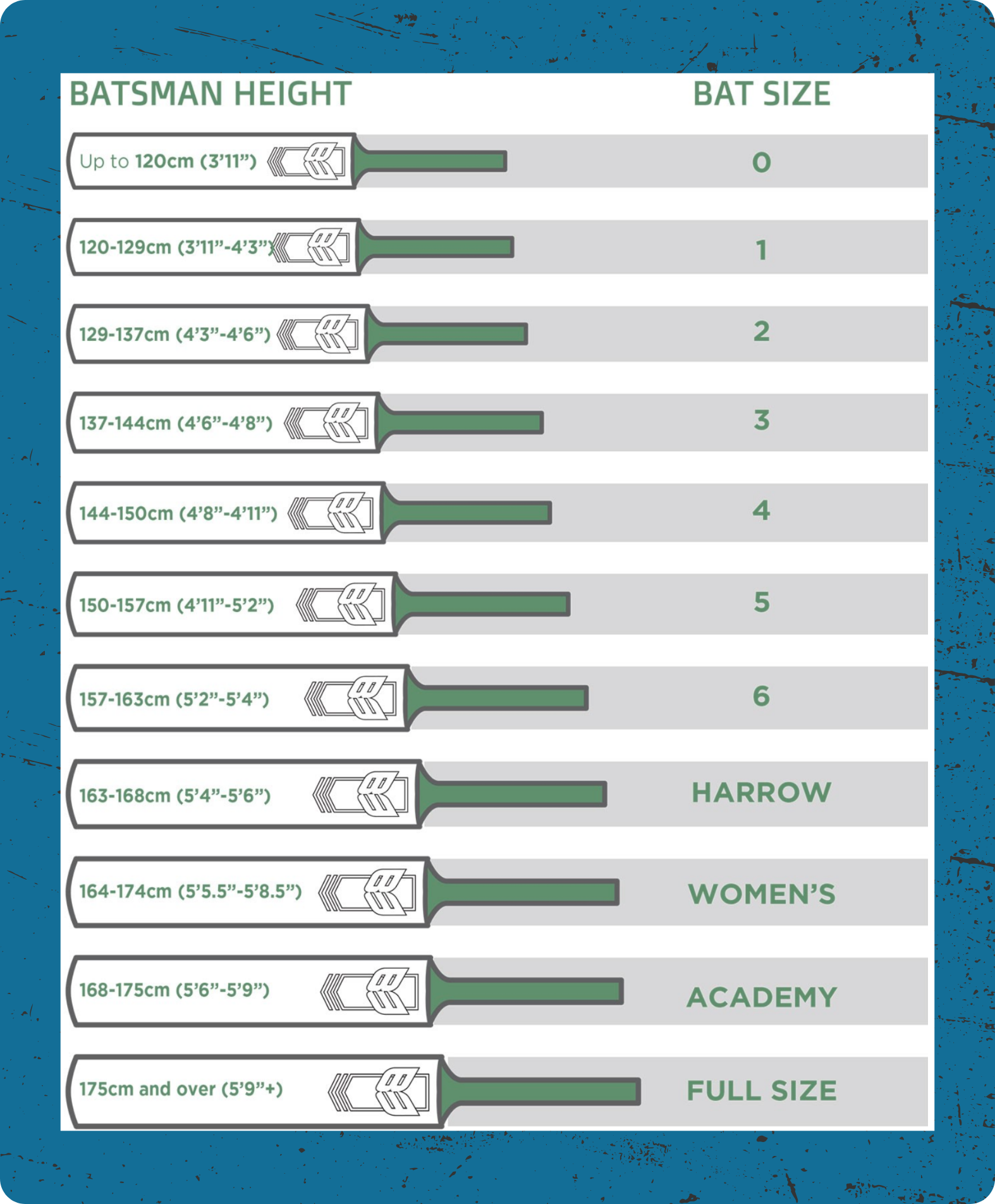
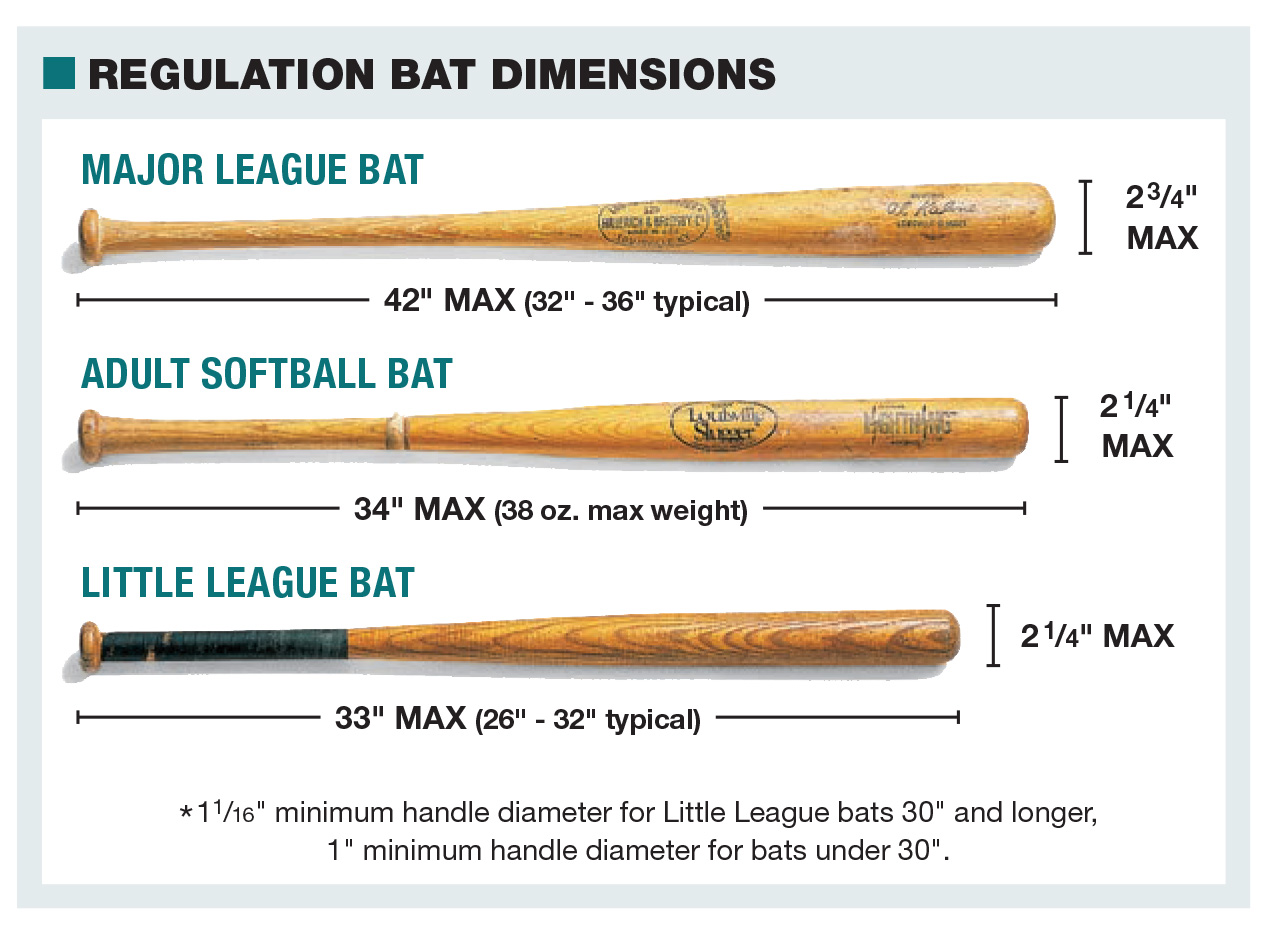
Bat size charts can vary depending on the sport and the specific standards or regulations followed. For instance, baseball and softball often have different size charts, and even within these sports, there might be variations for youth leagues, adult recreational play, or professional leagues. These charts typically cover bat length and weight, with some also including additional factors like drop weight (the difference between bat length and weight) and barrel diameter.
Measuring for the Right Bat Size: A Step-by-Step Guide
To use a bat size chart accurately, follow these steps:
- Identify the relevant chart for your sport and league.
- Measure the player's height and, if applicable, their weight.
- Refer to the chart to find the recommended bat length based on the player's height and weight.
- Consider the player's age and skill level, as these can influence the ideal bat weight and drop.
- Select a bat within the recommended range, keeping in mind that personal preference and comfort are also important factors.
Common Size Variations and How to Avoid Misreadings
While bat size charts provide a great starting point, there can be variations due to several factors:
- Height and weight are just two of many physical attributes that can influence bat size. Hand size, arm length, and overall strength can also play a role.
- Age and skill level are often used as general guidelines, but individual player development and experience can vary widely.
- Manufacturer variations can occur, as different brands might have slightly different size recommendations or use unique sizing systems.
To ensure a perfect fit, it's essential to consider these factors and not solely rely on the chart. Always allow for some flexibility and personal preference, as the ultimate goal is to find a bat that feels comfortable and performs well for the individual player.
Before you put this guide to use, remember to cross-check your specific needs and requirements. While the chart offers a comprehensive overview, exact values can vary, so it's essential to ensure you're referring to the right standard or source for your context.
Consider bookmarking this page for future reference; it's a handy tool to have at your fingertips when you need a quick reminder of bat sizes. Stay organized, and happy batting!
Related: How to Read a Debate Round Chart
You're here because you need a quick guide to understanding the debate round chart and its purpose. This handy tool, often presented as a visual aid, is a great way to keep track of the flow and structure of a debate, offering a simple yet effective strategy visualization. The chart can provide a round-by-round breakdown, ensuring you stay on top of the arguments and speaker order.
Understanding the Debate Round Chart: An Overview
The debate round chart is a visual tool that simplifies the complex structure of a debate, making it easier to grasp the flow and strategy of the entire process. It's like a roadmap for debaters, providing a clear overview of the key elements and helping them navigate the rounds efficiently.
Comparing Debate Round Chart Formats and Standards
There are various formats and standards for these charts, depending on the type of debate and the preferences of the organizers or teams. Some common categories or sections you might find on a debate round chart include:
- Speaker Order: This section outlines the order in which speakers will present their arguments, including the time limits for each speech.
- Round Phases: Here, you'll see a breakdown of the different phases within a round, such as constructive speeches, rebuttals, and cross-examination periods.
- Argument Tracking: A visual representation of the main arguments and rebuttals, showing how they develop and connect throughout the debate.
- Time Management: A simple timeline or bar graph indicating the duration of each segment, ensuring teams stay within the allocated time.
Step-by-Step Guide to Using the Debate Round Chart
Using a debate round chart effectively can enhance your debate strategy and time management:
- Study the Chart: Familiarize yourself with the chart's layout and understand the symbols or notations used. Each section should be clearly labeled to avoid confusion.
- Plan Your Strategy: Review the speaker order and allocate roles to your team members based on their strengths and the flow of arguments.
- Time Allocation: Refer to the time management section to ensure you're aware of the time limits for each speech and prepare accordingly.
- Argument Preparation: Use the argument tracking section to visualize your team's strategy and anticipate potential counterarguments.
- During the Debate: Refer to the chart for a quick reminder of the current round's structure and your team's plan. It's a handy reference to keep you on track.
Avoiding Misreadings and Pitfalls
Misinterpreting a debate round chart can lead to confusion and missteps during the debate. Here are some common mistakes to avoid:
- Assuming Standard Formats: Always double-check the specific format and standards used for your debate. Different tournaments or leagues may have variations.
- Ignoring Time Limits: The time management section is crucial. Stick to the allocated times to avoid penalties and ensure a fair debate.
- Misinterpreting Symbols: If you're unfamiliar with a particular symbol or notation, clarify its meaning before proceeding.
- Overlooking Key Details: Pay attention to all sections of the chart, especially the speaker order and argument tracking, to ensure you're prepared for every aspect of the debate.
Key Factors Affecting Accuracy and Real-World Use
The accuracy of a debate round chart relies on several factors:
- Standardization: Adhering to recognized debate standards ensures consistency and reduces confusion.
- Up-to-Date Information: Charts should be regularly updated to reflect any changes in debate rules or formats.
- Clear Communication: Effective communication between organizers, judges, and debaters is essential to ensure everyone understands the chart's purpose and content.
- Practice and Familiarity: The more familiar debaters become with these charts, the better they can utilize them during actual debates.
Adapting the Chart for Specific Needs
Debate round charts can be tailored to meet the unique requirements of different debate formats or teams:
- Customization: Depending on the debate style (e.g., parliamentary, policy, or public forum), you can customize the chart to highlight specific aspects relevant to that format.
- Team Preferences: Some teams may prefer a more detailed chart with additional sections, while others might opt for a simpler layout.
- Regional Variations: Consider regional differences in debate structures and adjust the chart accordingly. For instance, time limits may vary between countries or leagues.
Maintaining Reliability for Future Debates
To ensure the debate round chart remains a reliable reference tool:
- Update Regularly: Keep the chart up-to-date with any rule changes or modifications to the debate format.
- Feedback and Review: Encourage feedback from debaters and judges to identify areas for improvement.
- Standardize Symbols: Establish a set of standard symbols or notations to ensure consistency across different charts and tournaments.
- Digital Accessibility: Consider creating digital versions of the chart, making it easily accessible and shareable among teams and organizers.
Well, there you have it! A comprehensive guide to help you navigate the world of debate round charts. We've covered a lot of ground, from understanding the different options to ensuring accuracy and adapting to your needs.
Remember, when it comes to these charts, it's important to consider your unique situation and requirements. While we've provided a solid framework, exact values and formats may vary, so be sure to double-check and tailor it to your specific context.
Feel free to explore our other guides and resources for further insights and inspiration. We've got you covered!
Related: What is a piano chords chart?
Frustrated by the hunt for the perfect piano chords chart? You're not alone. Whether you're a beginner or an experienced player, having a reliable and easy-to-read chart is essential for quick reference and practice. A good piano chords chart should be your go-to resource, offering a clear layout of chord structures, from basic major and minor chords to more complex progressions.
Understanding Chord Symbols
A piano chords chart is a handy reference tool for musicians, especially pianists. It's like a map that shows you the layout of different chords and their components. This chart is a great way to quickly grasp the basics of chord construction and progressions. The symbols on the chart represent the notes that make up each chord, and by understanding these symbols, you can easily build and play various chords on the piano.
Common Chord Progressions and Formats
There are several standard chord progressions and formats used in music. The piano chords chart typically includes major and minor chords, which are the most common. These chords are represented by symbols like C, Dm, G7, and so on. The chart might also feature more complex chords like suspended chords (Csus) or added-note chords (Cadd9). Each symbol gives you a snapshot of the notes that create that specific chord.
Reading Chord Charts: A Step-by-Step Guide
When reading a piano chords chart, follow these steps:
- Identify the chord symbol you want to play.
- Locate the symbol on the chart and find the corresponding notes.
- Place your fingers on the piano keys according to the chart's diagram.
- Play the chord and listen to its unique sound.
For example, if you see the symbol C, you'll find it represents the notes C, E, and G. Place your fingers on these keys, and you've just played a C major chord!
Avoiding Misreadings and Pitfalls
While piano chords charts are incredibly useful, it's important to be aware of a few potential pitfalls:
- Variations: Different charts may use slightly different symbols or notations. Always double-check the specific chart's key or legend to ensure you're interpreting the symbols correctly.
- Complex Chords: Some chords, especially those with added notes or extensions, can have multiple variations. Be sure to explore all the possible fingerings to find the one that works best for you.
- Practice: Reading chord charts takes practice. Start with simple major and minor chords, and gradually work your way up to more complex progressions.
Remember, a piano chords chart is a valuable tool, but it's just one part of your musical journey. Keep exploring, practicing, and enjoying the beautiful world of music and chord progressions!
Hey there, fellow music enthusiasts! We've covered a lot of ground in this blog post, and I hope it's given you a solid foundation to start exploring piano chords. Remember, the specifics might differ slightly based on your needs and the context, so feel free to adapt and make it your own.
If you're keen to dive deeper into the world of music theory and practice, why not check out some of our other guides? We've got a whole range of topics to explore, from basic music theory to more advanced techniques. It's a great way to keep learning and growing as a musician, so take a look and see what piques your interest!