Kilo Chart To Lbs 2026 Overview
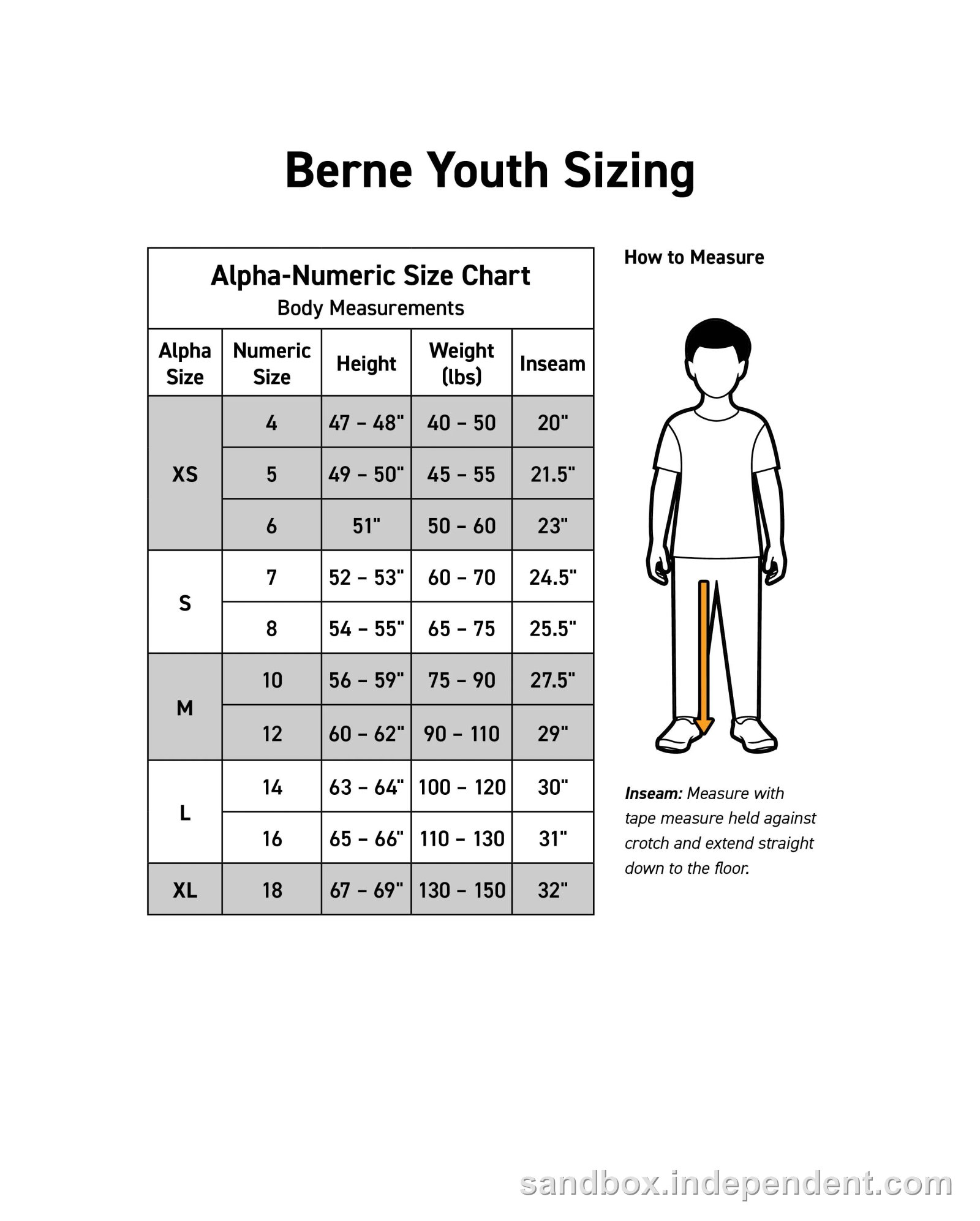
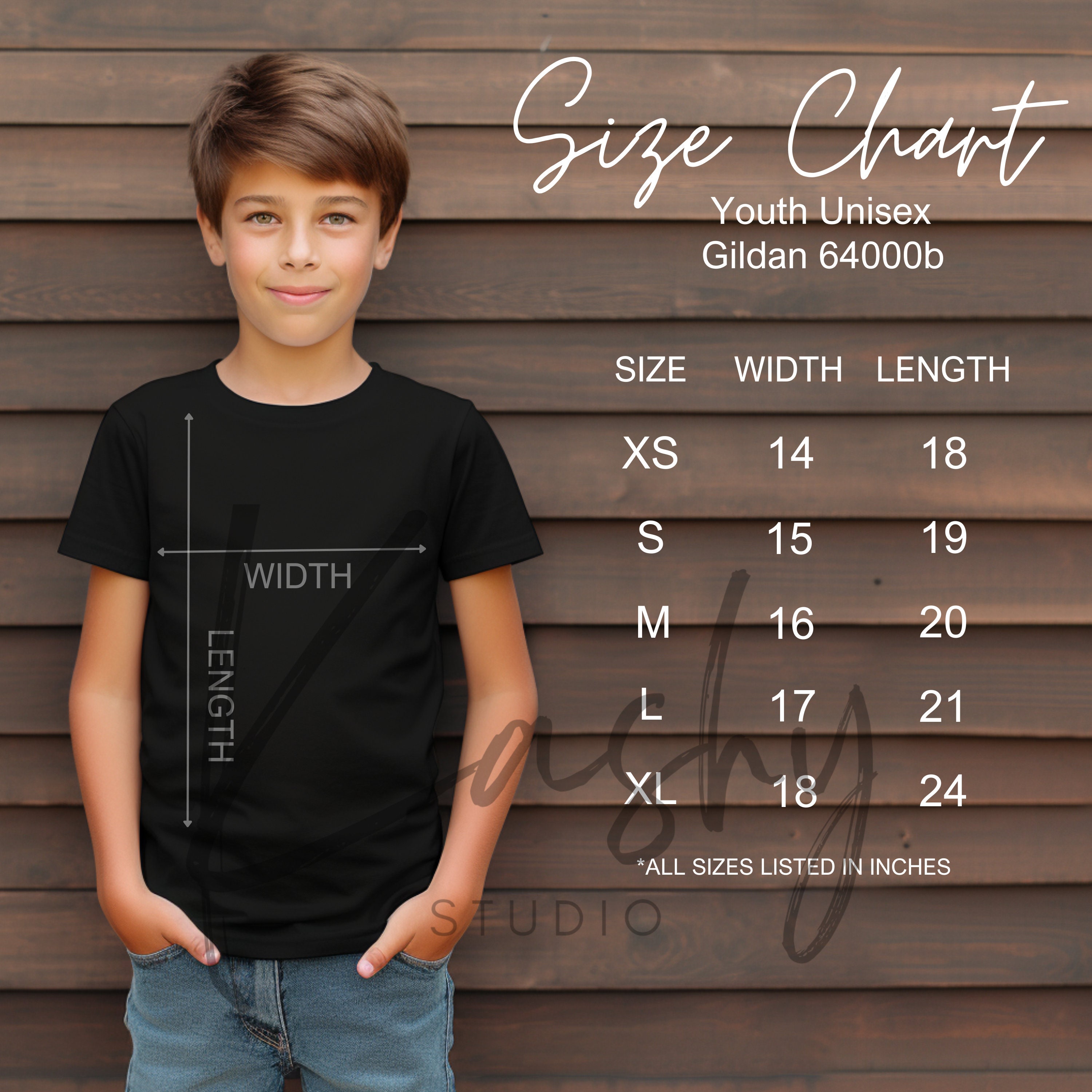
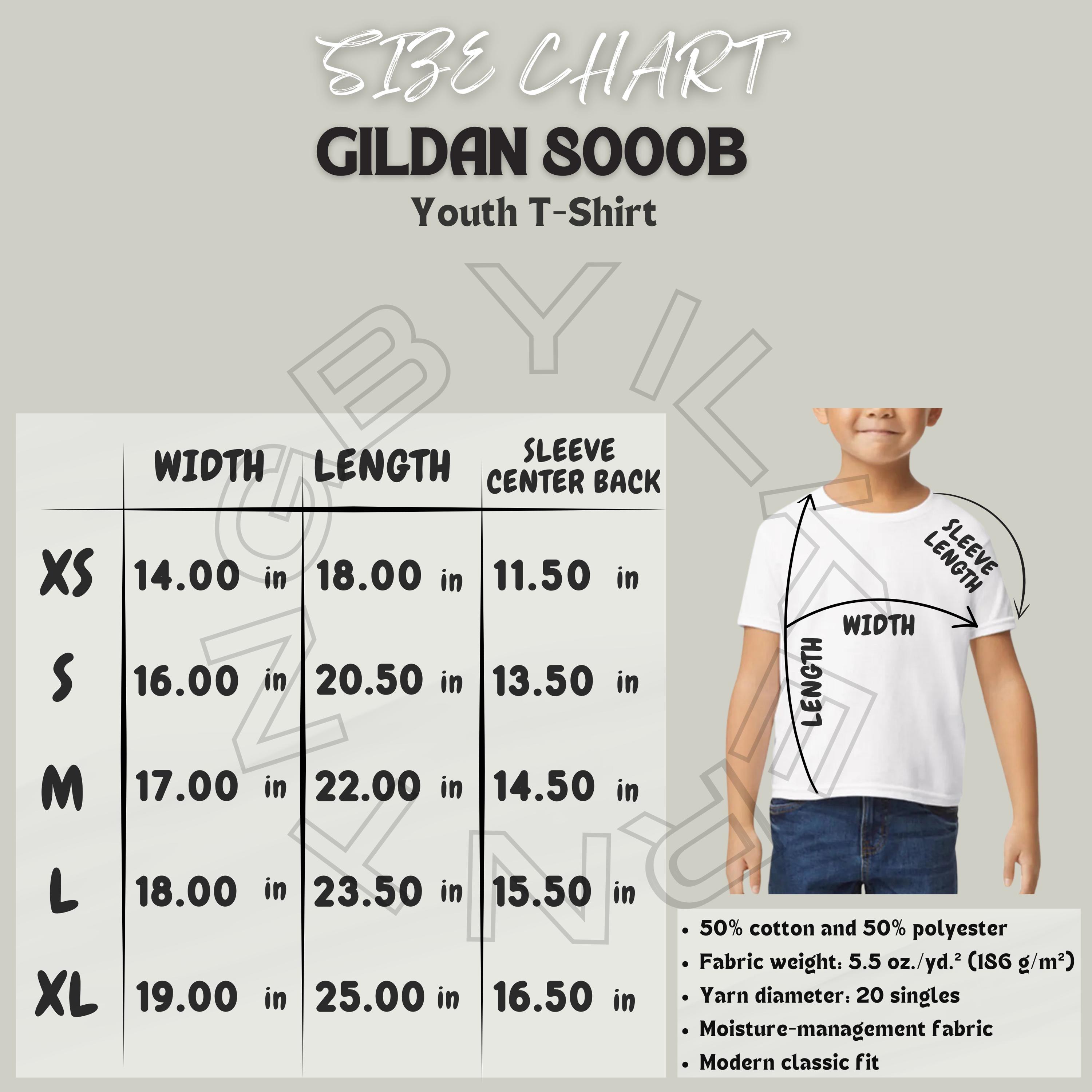
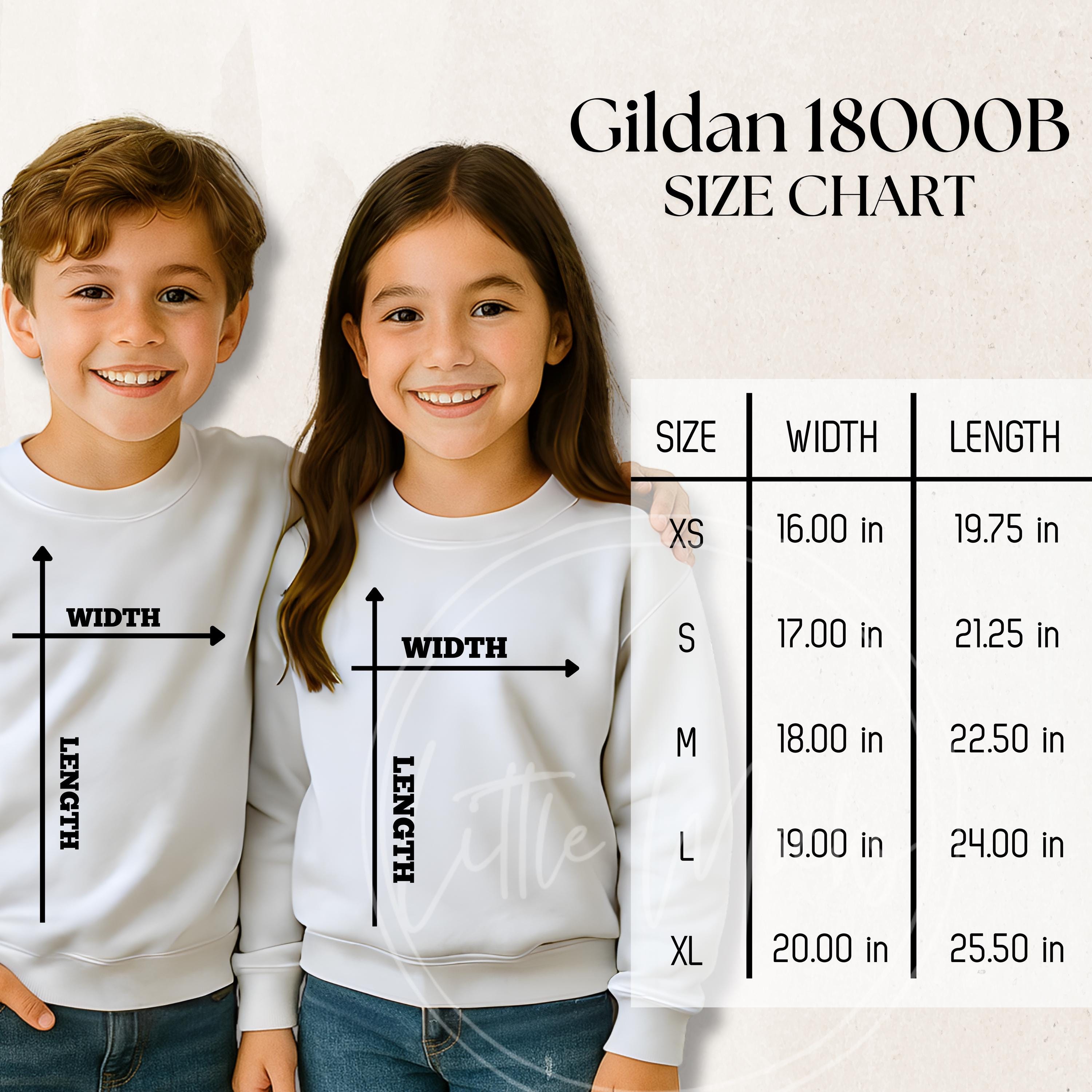
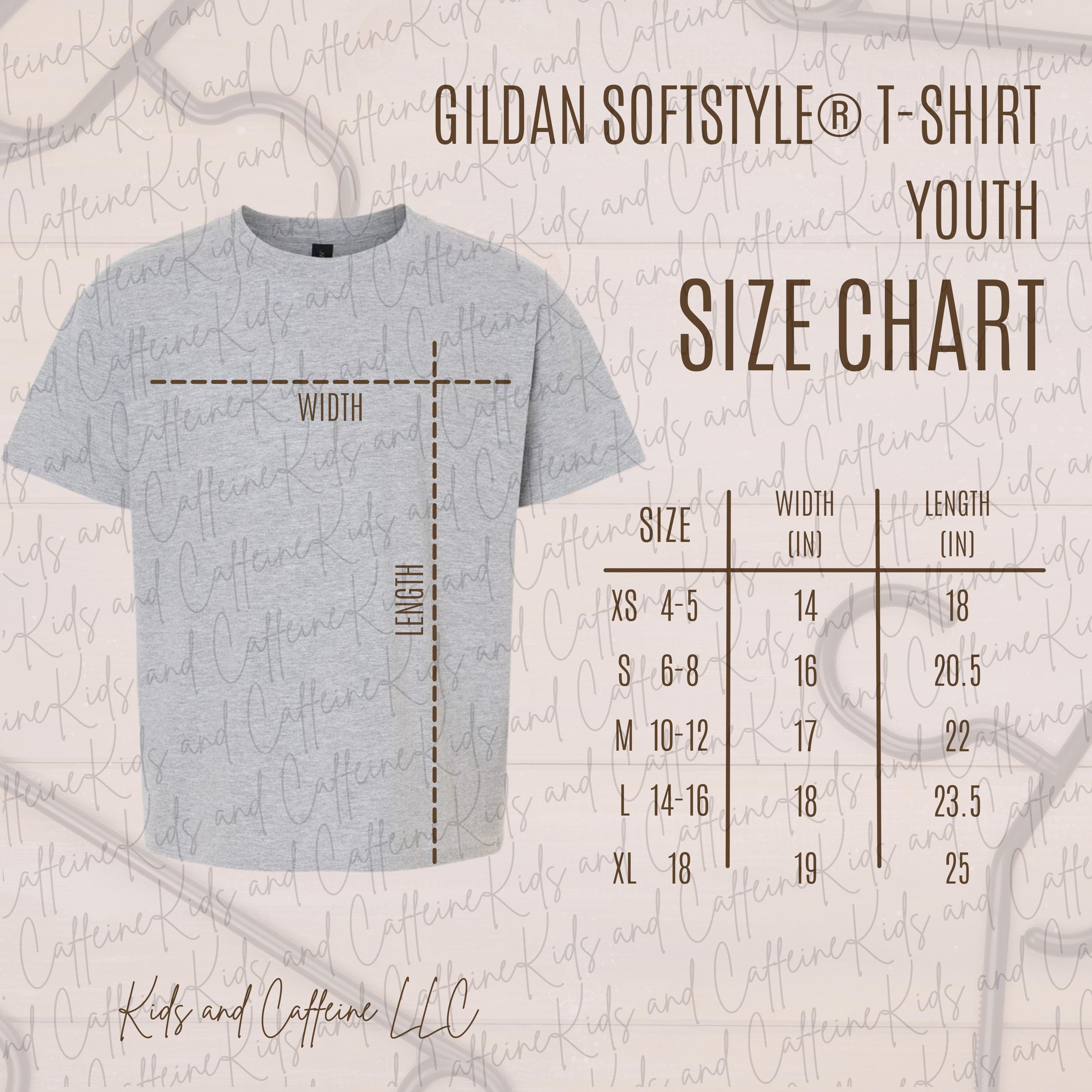
A youth size chart is a handy tool for parents and caregivers, offering a quick and accurate way to find the right fit for kids' clothing and shoes. This guide will show you how to navigate these charts, ensuring you get the perfect size every time.
Understanding the youth size chart is essential, especially when shopping online or for specific brands. While the charts provide standard measurements, they can vary slightly, so knowing how to read them is key.
Youth Size Chart: A Practical Guide
A youth size chart is an essential tool for parents and caregivers to ensure kids' clothes and shoes fit comfortably and correctly. This chart provides a standardized guide to help you choose the right size for children's apparel and footwear.
Key Details and Categories
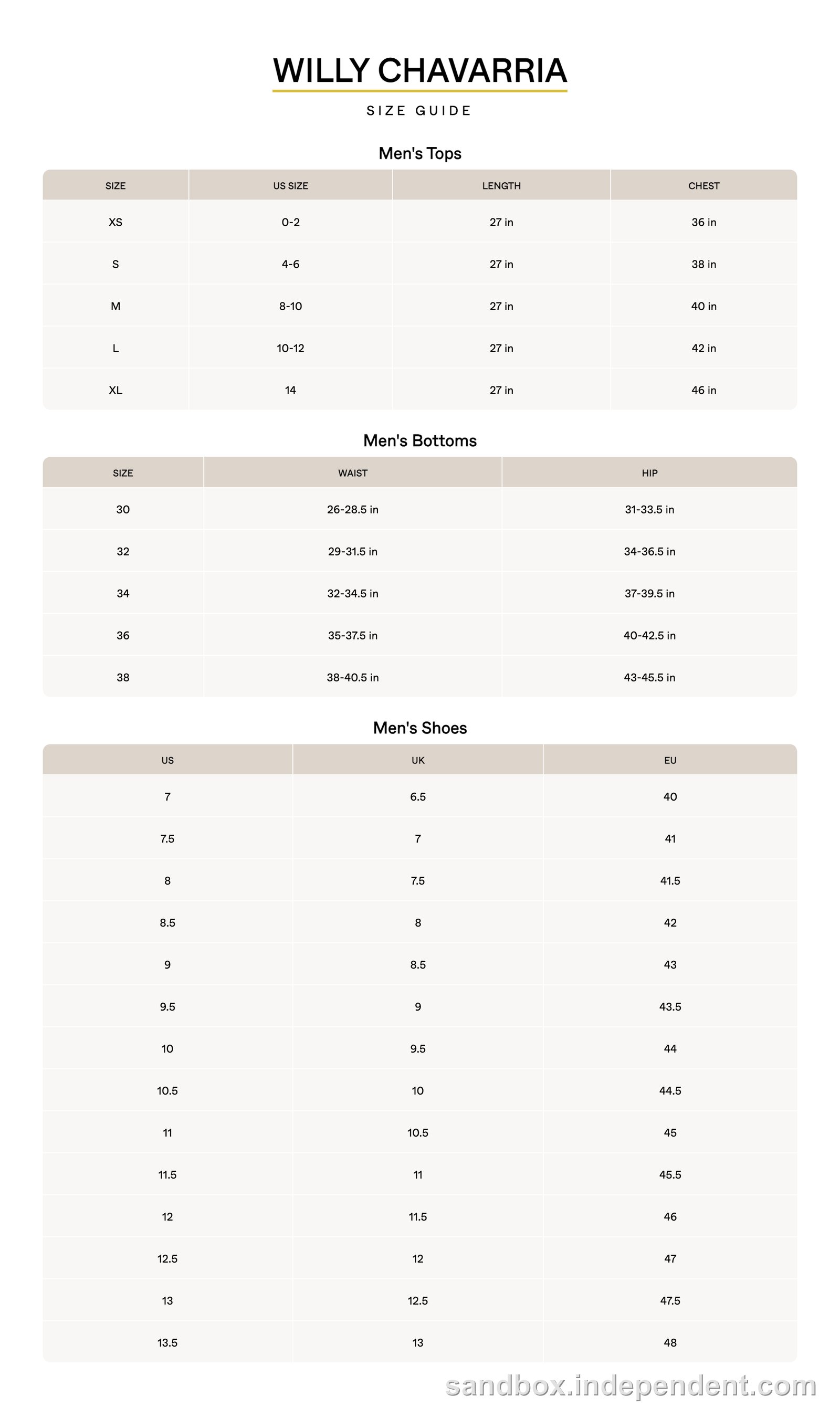
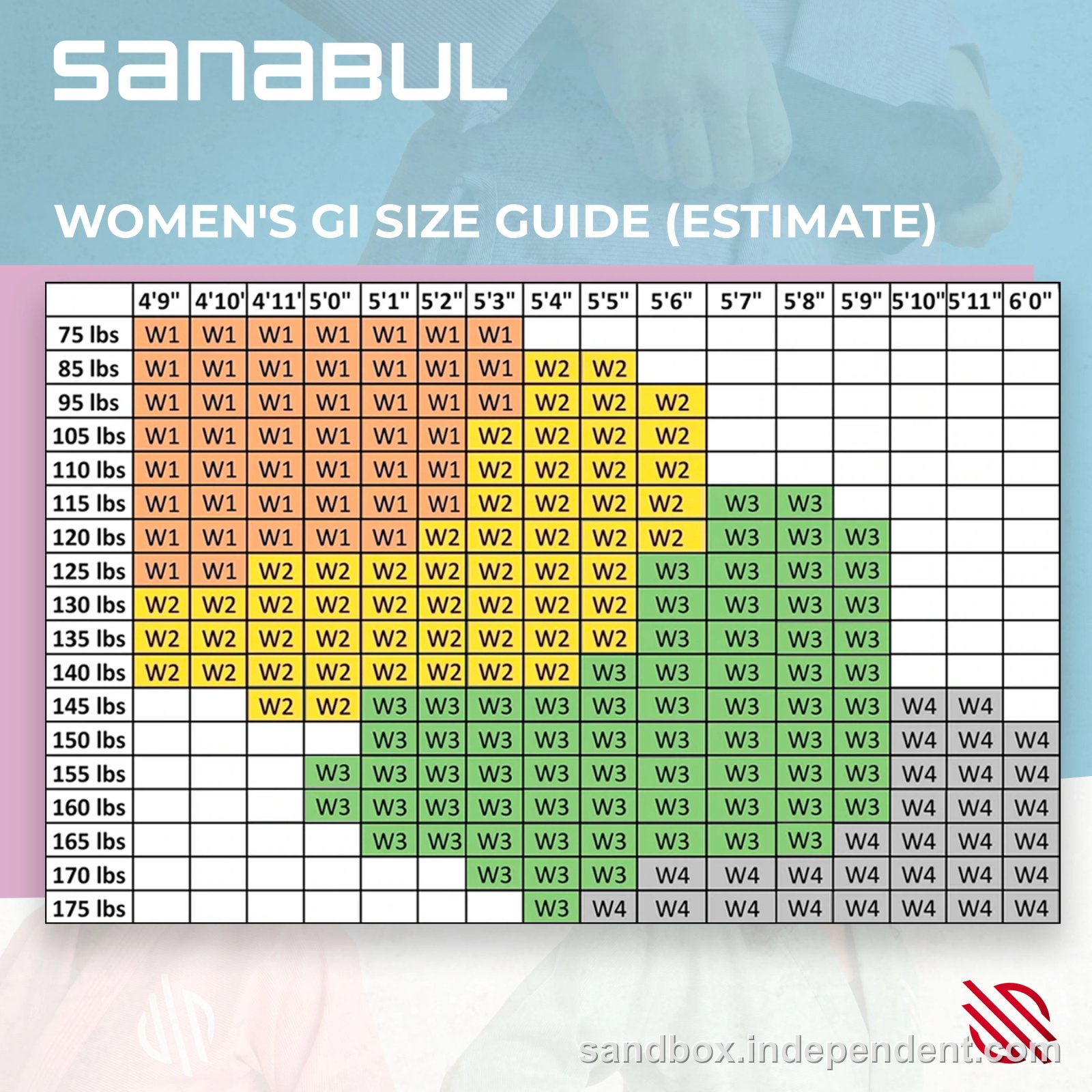
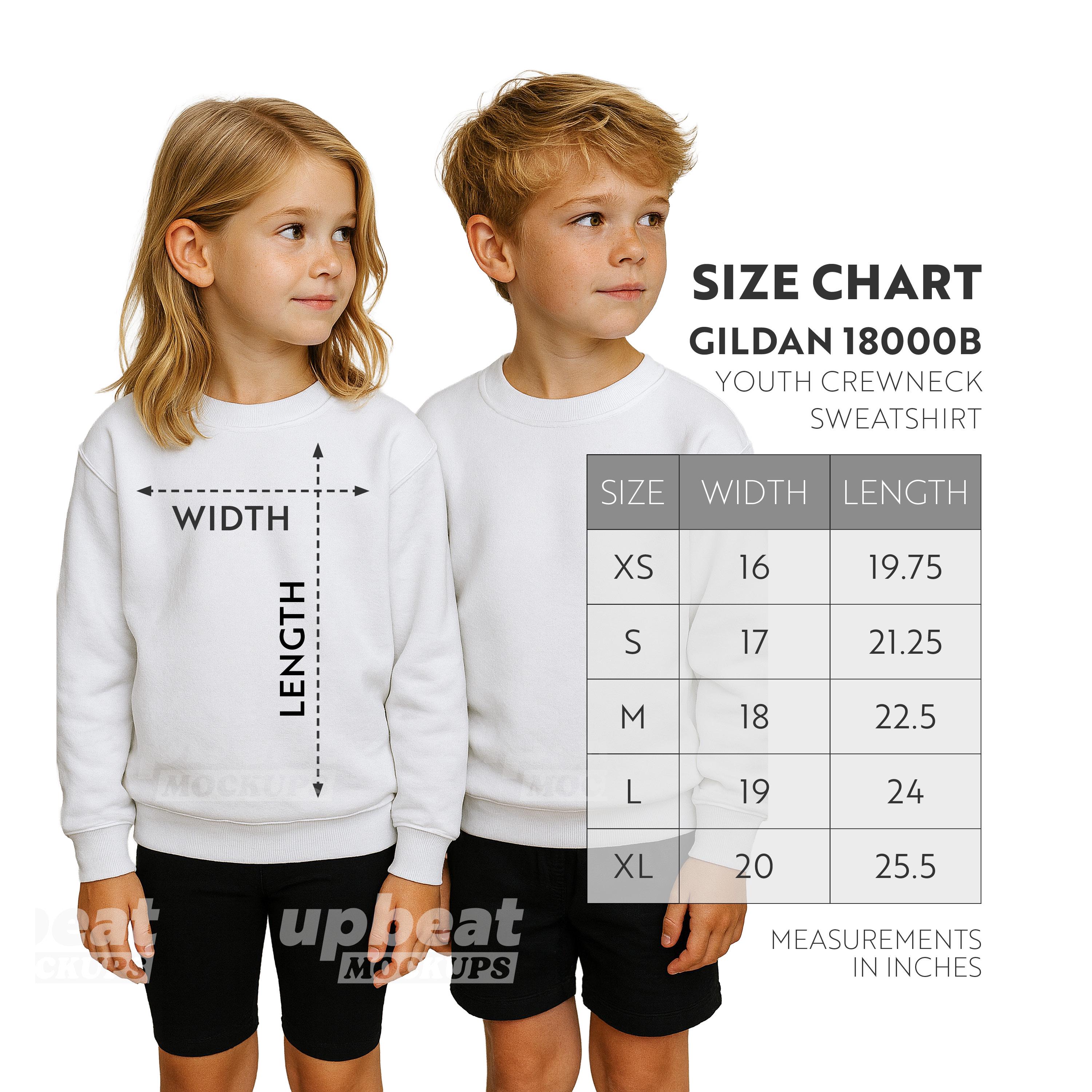
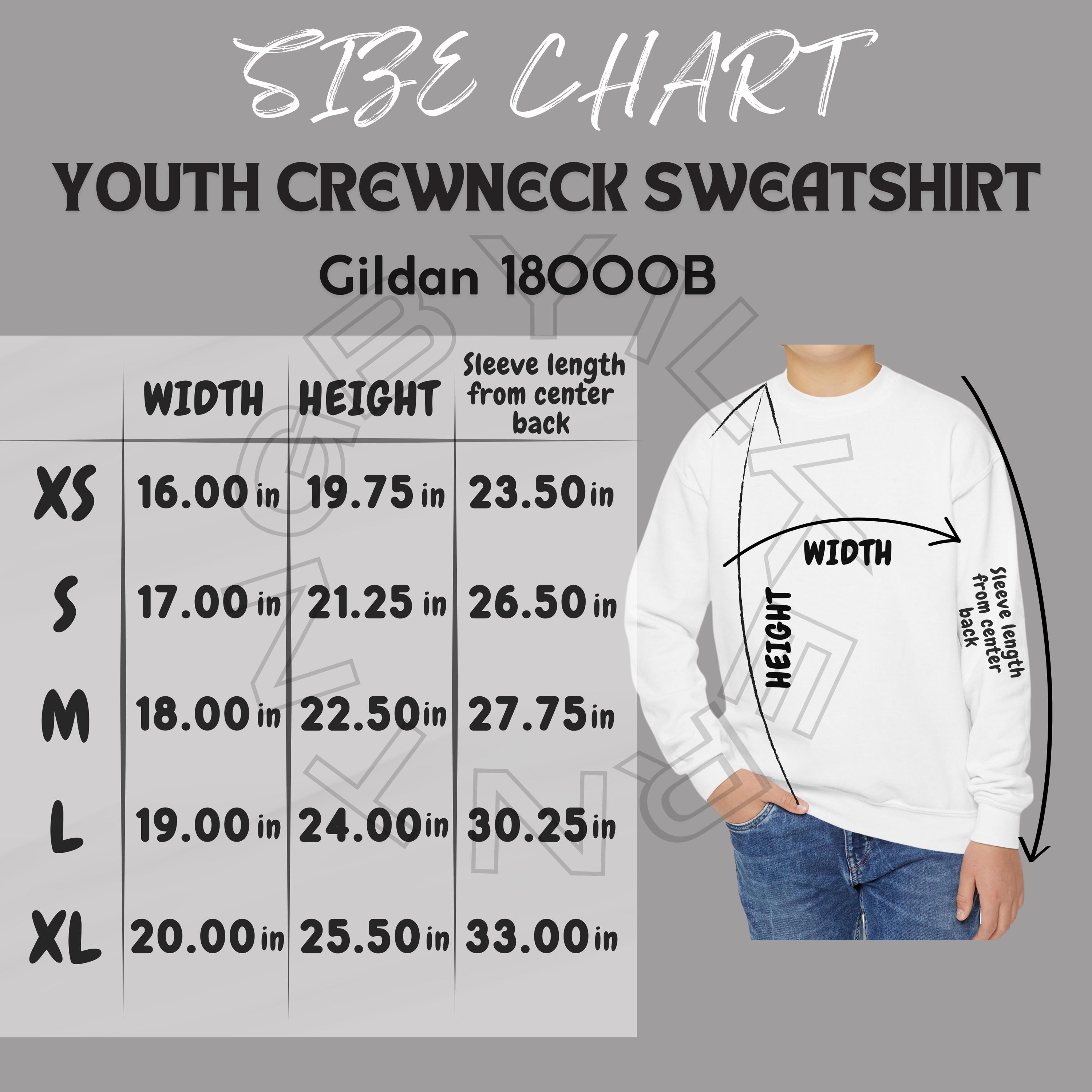
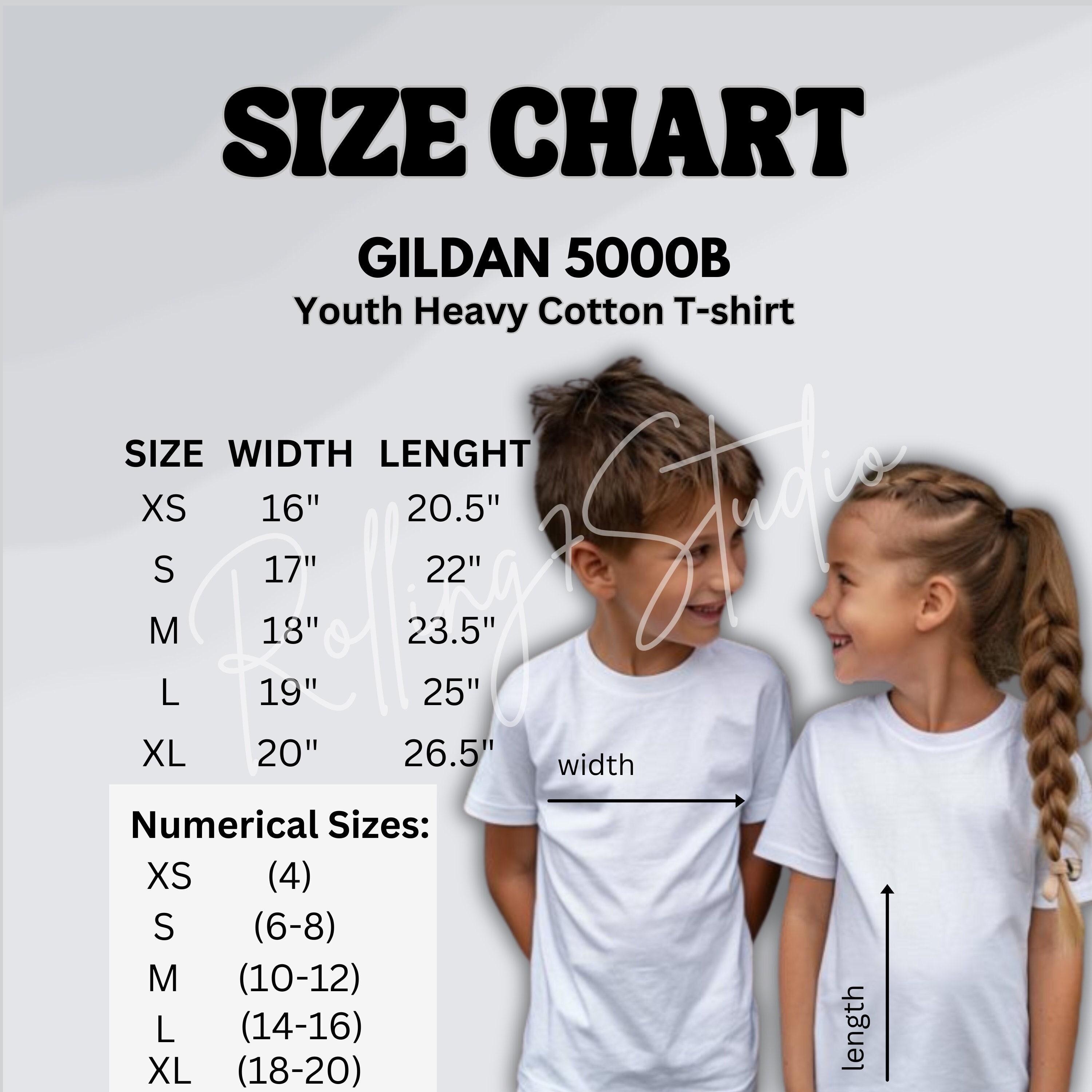
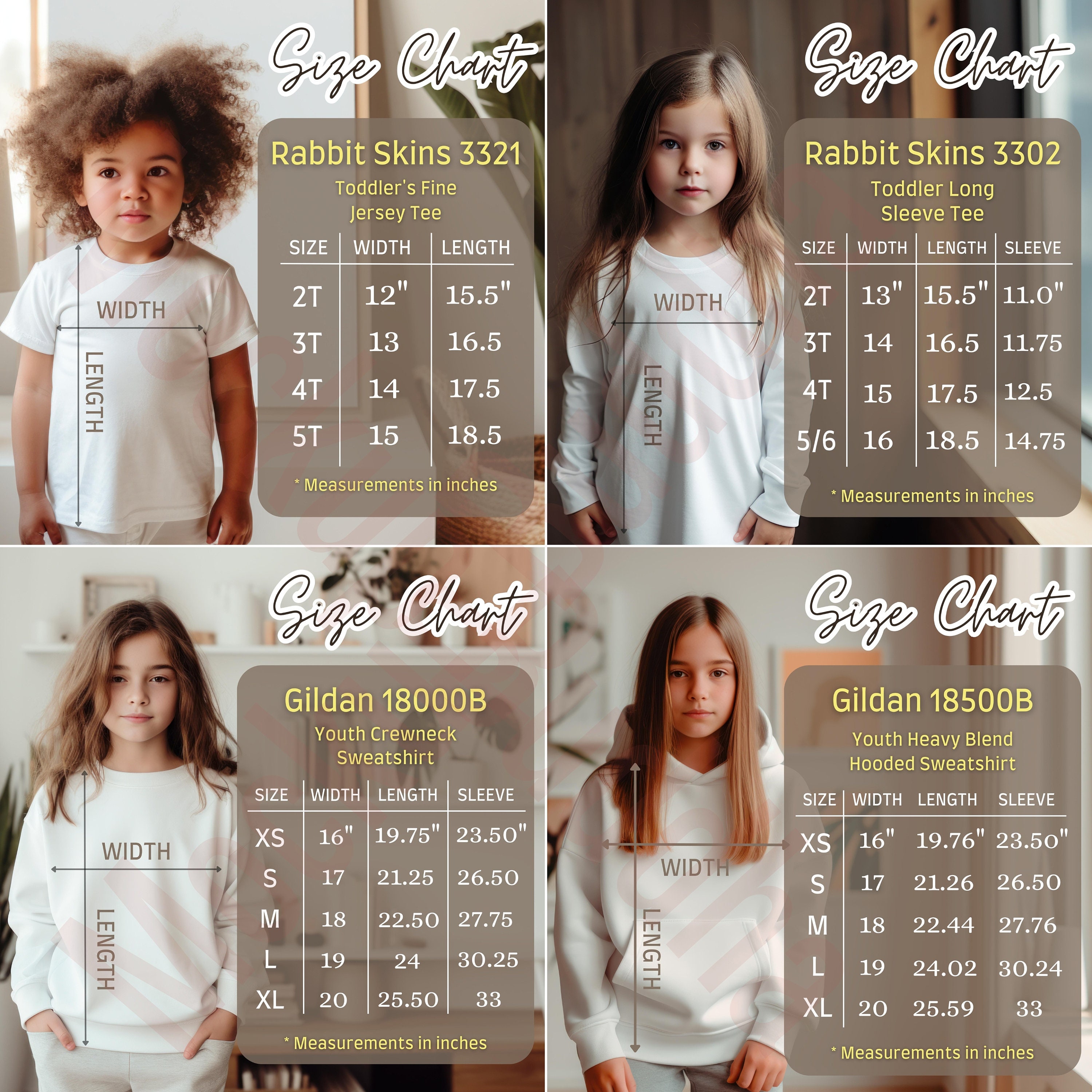
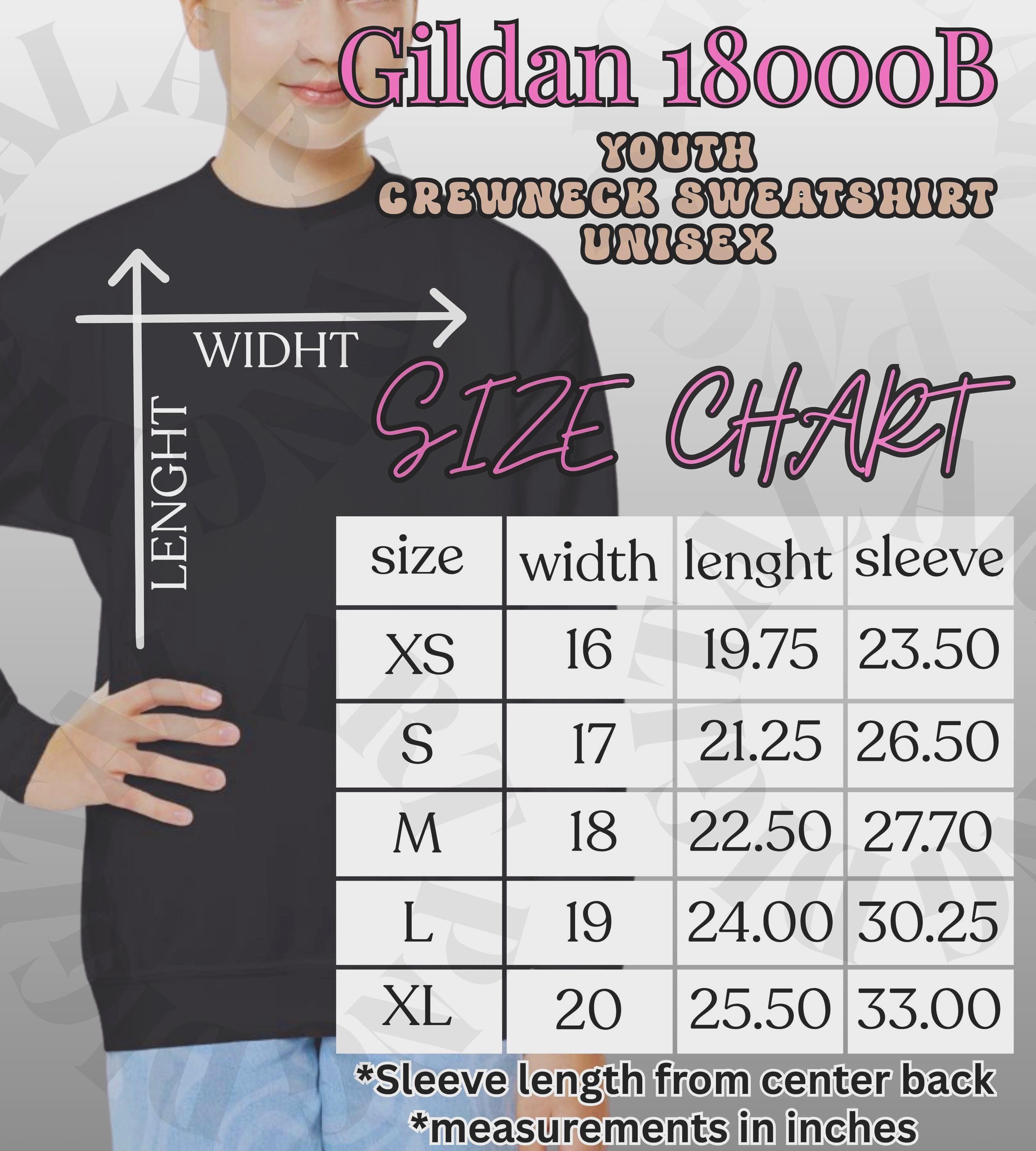
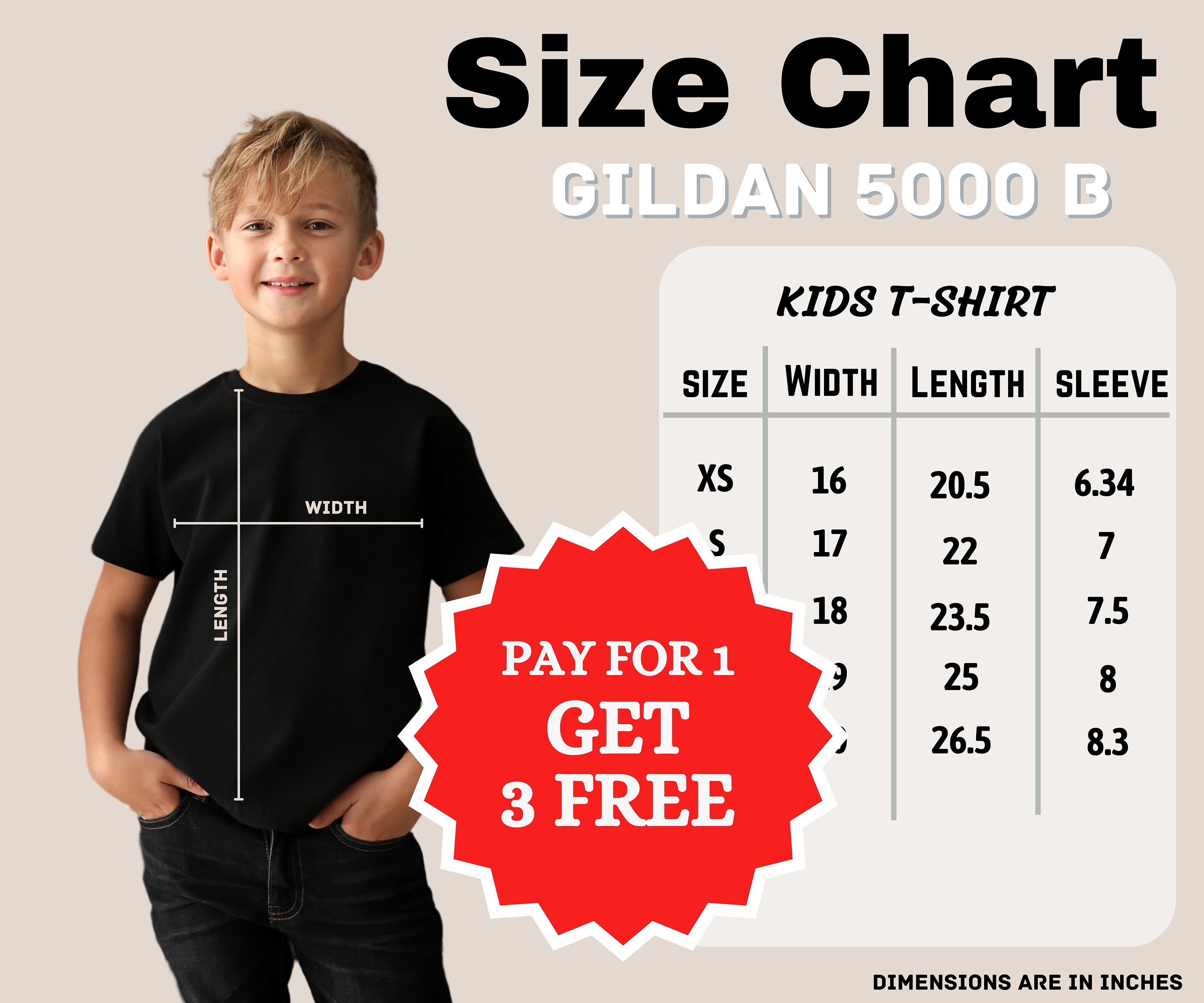
The youth size chart typically includes categories for clothing and shoes, with specific measurements for each. For clothing, you'll find sizes ranging from XS (extra small) to XL (extra large), each with corresponding chest, waist, and height measurements in inches or centimeters. Shoe sizes, on the other hand, are numbered and often include an age range as a reference.
Understanding the Chart: Step-by-Step
To use the youth size chart accurately, follow these steps:
- Measure your child's chest, waist, and height. Ensure you use a flexible measuring tape for an accurate reading.
- Locate the appropriate category on the chart: clothing or shoes.
- For clothing, find the size that best matches your child's measurements. If their measurements fall between two sizes, choose the larger size for comfort and room to grow.
- For shoes, identify the size that aligns with your child's age or foot length.
- Always double-check the specific brand or manufacturer's guidelines, as sizing can vary slightly between brands.
Common Size Variations and Why They Occur
It's important to note that youth sizes can vary depending on several factors:
- Region and Standard: International youth size charts may use different units or have slightly different measurements. Always check if the chart follows US or international standards.
- Clothing Style: Different types of clothing, like shirts, pants, or jackets, may have unique sizing requirements.
- Shoe Type: Athletic shoes, for instance, might have a different fit compared to dress shoes.
- Individual Differences: Every child's body is unique, so variations in body shape and size are common.
Practical Sizing Tips and Common Mistakes to Avoid
Here are some tips to ensure accurate sizing:
- Measure your child regularly, as they grow quickly!
- Don't assume that all brands follow the same sizing guidelines.
- When in doubt, opt for a slightly larger size to allow for growth.
- Avoid relying solely on age for shoe sizing; foot length is a more accurate indicator.
- Remember that comfort and fit are crucial, so always try items on if possible.
By following these guidelines and understanding the factors that influence youth sizing, you'll be able to choose the perfect fit for your child's clothes and shoes.
Hey there, I hope this youth size chart guide has been a helpful resource for you. Remember, when it comes to sizing, exact values can differ slightly, so always double-check the source and standard you're using.
It's always a good idea to bookmark pages like these for future reference, especially when you're shopping for kids and need a quick reminder of the right measurements. Feel free to explore our other guides too; we've got plenty of practical tips and tricks to make your life easier!
Related: How to Use the 0-Ring Size Chart?
Frustrated with finding the right O-ring size? The 0-ring size chart is your go-to tool for a quick and accurate solution. This handy reference guide simplifies the process, ensuring you get the right fit every time. It's like having a secret weapon to avoid any sizing headaches!
The chart provides a clear overview of O-ring dimensions, covering standard measurements and even offering insights into metric sizes. With this visual aid, you'll navigate sizes and tolerances with ease, making your task a breeze!
Understanding the 0-ring Size Chart: A Quick Overview
The 0-ring size chart is a valuable tool for anyone working with o-rings, offering a quick and easy reference guide to their dimensions. This chart provides a standardized way to identify and select the right o-ring for your needs, ensuring a proper fit and function. It's a simple yet effective resource for engineers, mechanics, and anyone dealing with seals and gaskets.
Comparing Chart Standards and Formats
There are different standards and formats for 0-ring size charts, primarily based on the measurement system used. The most common are the US Customary and Metric systems. These charts organize o-rings by their inner diameter and cross-section, offering a clear visual guide to their dimensions. While the layout and categories may vary, the purpose remains the same: to provide an accurate and accessible reference.
Step-by-Step Guide to Using the 0-ring Size Chart
Using the 0-ring size chart is straightforward:
- Identify the inner diameter (ID) and cross-section (CS) of the o-ring you need. These measurements are critical for a proper fit.
- Locate the ID and CS values on the chart. The chart will typically have these values along the edges, with the o-ring sizes displayed in a grid format.
- Find the intersection of the ID and CS values. This will give you the specific o-ring size you're looking for.
- Check the chart's key or legend to confirm the o-ring's material and any additional specifications.
- Select the o-ring that matches your requirements, ensuring a precise fit for your application.
Avoiding Common Misreadings and Pitfalls
It's essential to read the 0-ring size chart accurately to avoid misidentifying o-ring sizes. Always double-check the units of measurement, as some charts may use different systems. Pay attention to the chart's scale and ensure you're not mistaking the ID for the outer diameter (OD). Additionally, be aware that some charts may have slight variations or rounding, so always confirm the exact specifications, especially for critical applications.
Factors Affecting Size Variations and Accuracy
Several factors can cause variations in o-ring sizes and affect the accuracy of the 0-ring size chart. These include the o-ring's material, which can influence its flexibility and dimensions. Environmental factors, such as temperature and pressure, can also impact an o-ring's performance and size. Manufacturing tolerances and quality control can introduce slight variations, so always refer to the manufacturer's specifications for precise dimensions.
Choosing the Right Format for Your Needs
When selecting an 0-ring size chart, consider your specific needs and the measurement system you're most comfortable with. If you're working in the US, a chart using US Customary units might be more practical. For international projects, a Metric chart is often the best choice. Some charts also offer additional features, like color-coding or material-specific sections, which can be helpful for quick identification.
Keeping Your Reference Reliable for Future Use
To ensure the reliability of your 0-ring size chart, keep it up-to-date and in a safe place. Regularly check for updated versions, as charts may change due to new standards or improvements. Consider laminating your chart or storing it digitally for easy access and preservation. By maintaining a reliable reference, you can quickly and accurately select the right o-ring for your projects, saving time and ensuring a proper seal.
Hey there! I hope this guide has been helpful in understanding the world of O-ring sizing. Remember, while the basics are covered here, there's always room for variation. Exact values might differ based on the specific standards or sources you refer to.
Feel free to explore other guides on our site to dive deeper into related topics. We've got a whole collection of practical resources to keep you informed and equipped!
Related: Understand Teeth Color Chart: A Quick Guide
A teeth color chart is a handy tool for anyone seeking a quick and accurate way to assess and match tooth shades. This guide will walk you through the basics, covering what these charts are and how to use them effectively.
These charts, often in the form of a simple table or visual guide, provide a reference for tooth shade comparison. While the specific values and formats may vary, the concept remains the same: an easy-to-read resource for dental shade matching.
What is a Teeth Color Chart?
A teeth color chart is a visual guide that helps dental professionals and patients understand and communicate tooth shade accurately. It provides a standardized reference for comparing and matching tooth colors, ensuring consistency in dental procedures and treatments.
Key Details and Categories
The chart typically consists of a range of tooth shades, often organized in a grid or tabulated format. Each shade is represented by a unique code or label, making it easy to identify and communicate. The shades are usually based on a recognized standard, such as the Vitapan Classical Shade Guide, which is widely used in dentistry. This guide categorizes tooth colors into various groups, with each group further divided into sub-shades, providing a comprehensive and precise color reference.
Reading and Applying the Teeth Color Chart
To use the teeth color chart effectively, follow these steps:
- Prepare the teeth for shade matching by cleaning and drying them thoroughly. Natural light or specialized lighting can enhance color accuracy.
- Compare the patient's teeth with the shades on the chart. Hold the chart close to the teeth and observe the color match.
- Identify the closest shade match. Consider the overall color and any subtle variations.
- Confirm the shade with the patient and document it for future reference.
- Repeat the process for multiple teeth if needed, ensuring consistency across the dental arch.
Understanding Shade Variations
Shade variations can occur due to several factors. Natural tooth color can differ based on genetics, age, and lifestyle factors like diet and oral hygiene. External factors like staining from food, drinks, or tobacco can also impact tooth color. Additionally, lighting conditions and the observer's perception can influence shade matching. It's essential to consider these variables when using a teeth color chart to ensure accurate results.
Common Mistakes and How to Avoid Them
When working with a teeth color chart, it's crucial to avoid these common pitfalls:
- Relying solely on memory: Always refer to the chart for an accurate shade match. Avoid guessing or relying on past experiences.
- Inconsistent lighting: Ensure consistent lighting conditions to minimize errors. Natural daylight or specialized dental lighting is recommended.
- Neglecting patient feedback: Involve the patient in the shade selection process. Their perception and feedback are valuable for an accurate match.
- Overlooking oral health: Ensure the teeth are clean and free from debris or stains before shade matching.
- Using outdated charts: Keep your teeth color chart up-to-date to reflect the latest standards and shades. Regularly check for new versions or updates.
Well, there you have it! A teeth color chart is a handy tool, and now you know how to navigate it like a pro. Remember, the exact shades and values might differ slightly depending on the source or standard, so always double-check.
Feel free to explore other guides on our site for more practical tips and tricks. We've got you covered with a range of topics, so take a look and discover something new!