The world of kindergarten art projects is a vibrant and imaginative one, full of opportunities for young minds to explore, create, and express themselves. At this tender age, the focus is not on creating perfect pieces of art but on fostering creativity, fine motor skills, and self-confidence. In this article, we’ll delve into a variety of fun and engaging art project ideas suitable for kindergartners, exploring their benefits, and providing insights into how these activities can be tailored to meet the diverse needs and interests of young learners.
Finger Painting Fun
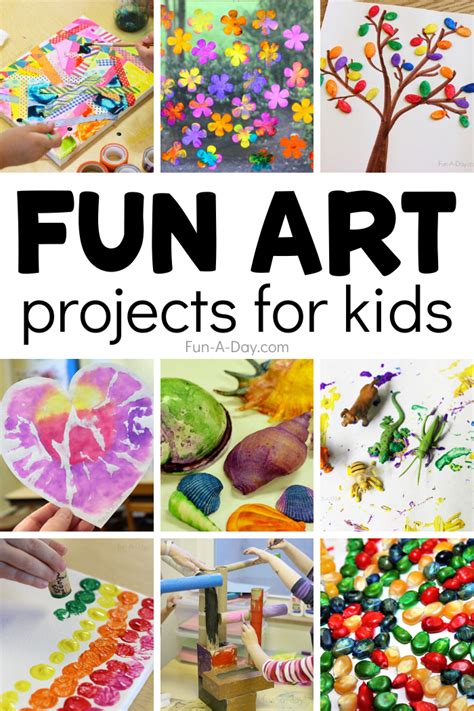
Finger painting is a classic kindergarten art activity that never goes out of style. It’s a tactile experience that allows children to explore colors and textures in a very hands-on way. Here are a few ways to make finger painting even more engaging: - Nature Inspiration: Use leaves, flowers, or branches to create natural prints on the paper. - Color Mixing: Limit the palette to two or three colors and let the children discover how to mix them to create new hues. - Storytelling: Encourage children to create scenes or stories with their finger paintings, promoting both creativity and narrative skills.
Collage Making
Collage making is another versatile art form that can be adapted in numerous ways to suit the interests and skills of kindergartners. It introduces children to the concept of layering and texturing, enhancing their understanding of dimension and composition. - Theme-Based Collages: Use themed materials (like leaves for a nature theme or construction paper shapes for a cityscape) to guide the collage towards a specific concept or story. - Texture Exploration: Incorporate various textures such as felt, glitter, sandpaper, or fabric to add depth to the collages. - Recycled Materials: Teach the value of recycling by using old magazines, cardboard, and other recycled materials for the collages.
Sculpture and 3D Art
Moving into the third dimension, sculpture and 3D art projects challenge kindergartners to think about space and form. These projects can help develop spatial awareness and fine motor skills. - Playdough Creations: Homemade or store-bought playdough is a fantastic medium for creating 3D shapes and designs. Add some tools like rollers, shape cutters, or even household items like credit cards or combs to further the creativity. - Nature Sculptures: Collect items from nature like sticks, rocks, and seeds to create outdoor or indoor sculptures. This combines art with an appreciation for nature. - Cardboard Box Creations: Provide children with cardboard boxes and various craft supplies and challenge them to transform the boxes into anything they imagine, from houses to robots.
Painting with Unusual Tools
Kindergartners love exploring different ways to apply paint to paper, and using unusual tools can add an extra layer of fun and discovery to the painting process. - Bubble Painting: Mix baking soda and vinegar to create bubbles that can be applied to the paper using a straw or a bubble wand. - Footprint and Handprint Art: A classic approach to introducing symmetry and self-portrait concepts. These can be used to create fun characters or patterns. - Leaf and Branch Painting: Dip leaves or branches into paint and use them as stamps or brushes to create unique patterns and textures.
Digital Art
In today’s digital age, introducing kindergartners to digital art can be both fun and educational. It opens up a new world of possibilities for creativity and expression. - Drawing Apps: Utilize kid-friendly drawing apps on tablets or smartphones that offer a range of tools and colors. Some apps even allow for collaboration on a single piece of art. - Digital Collage: Some educational software or apps allow children to create digital collages using pre-made shapes, colors, and textures. - Photography: For older kindergartners, introducing basic photography concepts using kid-friendly cameras or smartphones can be a great way to encourage observation and composition skills.
Conclusion
Kindergarten art projects are a celebration of creativity, curiosity, and the joy of learning. By providing a supportive and stimulating environment, educators and parents can encourage young artists to explore, experiment, and express themselves in countless ways. Remember, the process is often more valuable than the product, and it’s the journey of discovery and creation that truly enriches the experience of making art.
What are the benefits of art projects for kindergartners?
+Art projects for kindergartners offer a multitude of benefits, including the development of fine motor skills, enhancement of creativity and self-expression, and the fostering of critical thinking and problem-solving abilities. They also provide a platform for children to learn about colors, textures, and different materials, promoting an understanding of the physical world.
How can I tailor art projects to meet the diverse needs and interests of kindergartners?
+To tailor art projects to the diverse needs and interests of kindergartners, consider offering a variety of mediums and themes, allowing children to choose their preferred activities. Also, incorporate inclusive materials and tools that cater to different learning styles and abilities. Observing and engaging with the children during these activities can provide insights into their interests and how to adapt projects accordingly.
What role does technology play in kindergarten art projects?
+Technology, such as drawing apps and digital cameras, can play a significant role in enhancing kindergarten art projects. It introduces children to new mediums for creativity, teaches them about digital tools, and can facilitate collaboration and sharing of their artwork. However, it's essential to balance technology use with traditional art practices to ensure a well-rounded creative experience.
By embracing the diversity of art projects and adapting them to the unique needs and interests of kindergartners, we can nurture a love for creativity and learning that will stay with them for years to come. Whether through traditional mediums like painting and collage making or more modern digital art forms, the key is to provide a supportive environment that encourages exploration, imagination, and most importantly, fun.