Kindergarten Winter Holiday Crafts Overview
Easy paper craft for kindergarten is a fun and simple way to get creative with your little ones, and it's something I've really enjoyed doing with my kids. It's a great activity to keep them entertained and engaged, and it's so satisfying to see their little faces light up with pride when they've made something cool.
So, what is this all about? Well, it's basically a collection of craft ideas that use paper as the main material. These crafts are designed to be accessible and fun for kids, with simple steps and minimal supervision needed. It's a brilliant way to encourage their creativity and fine motor skills, and it's an affordable activity too!
You can find a whole range of ideas online, from the classic paper chain to more intricate pop-up cards. Some ideas are seasonal, like making paper snowflakes for Christmas, while others are more general and can be done anytime. The best part is that these crafts often require very few materials - paper, scissors, glue, and maybe some crayons or markers.
Getting Started
If you're new to this, I'd recommend starting with some basic folding and cutting activities. You can teach them how to make simple shapes like squares and triangles, and then use those to create fun designs. For example, folding a piece of paper into a fan shape is a great way to introduce the concept of symmetry and pattern-making.
Step It Up
Once they've got the hang of the basics, you can introduce more complex crafts. One of my favorites is making paper boats. It's a classic for a reason - it's easy, and kids love seeing their creations float in water! You can also try making paper hats, which is a fun way to encourage imagination and role-play.
The beauty of easy paper craft for kindergarten is that it's so adaptable. You can tailor the difficulty level to your child's age and abilities, and you can often use these crafts as a springboard for other activities. For instance, making a paper doll might lead to a fun dress-up game, or creating a paper city could inspire some imaginative play.
So, why not give it a go? It's a brilliant way to spend some quality time with your kids, and you might just discover a new hobby together!
Related: What is the BYU Depth Chart?
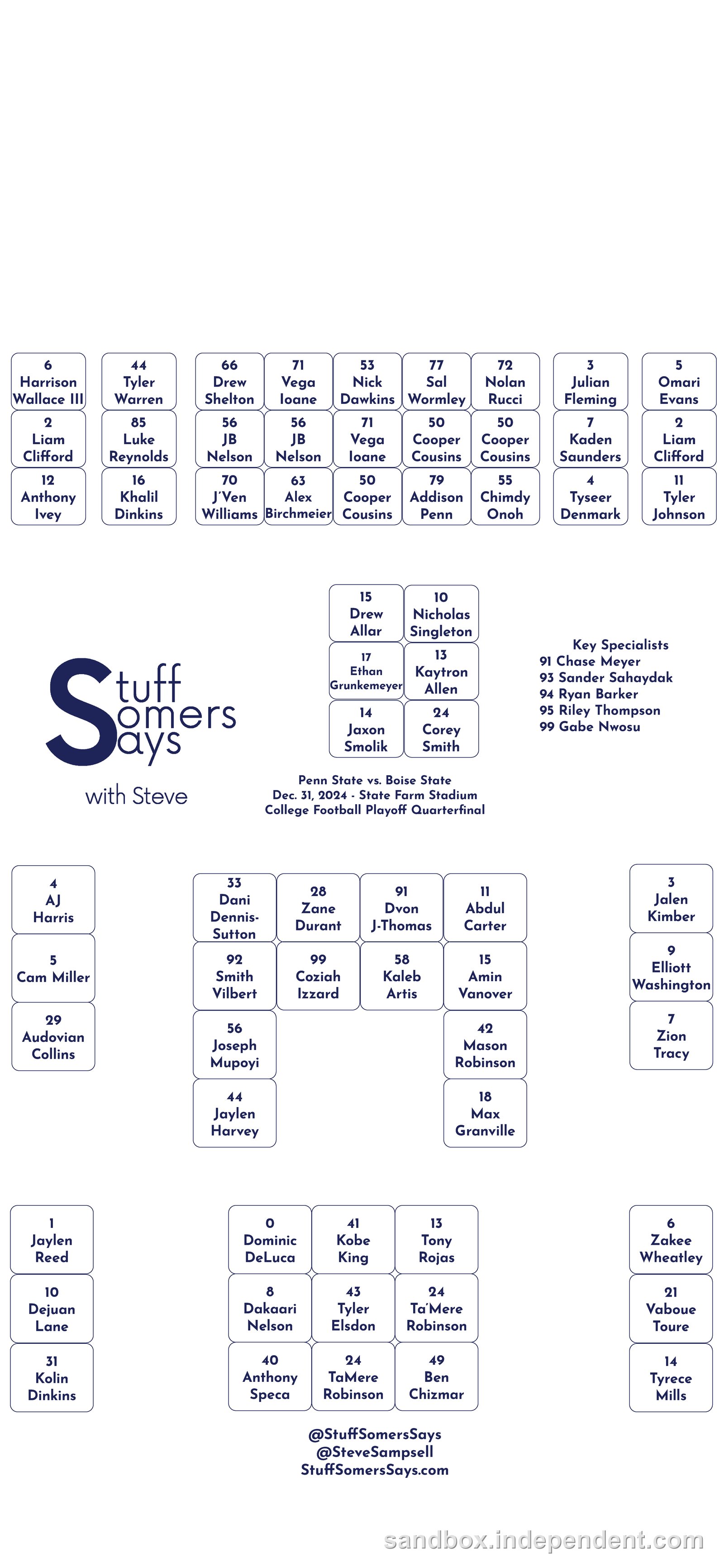
You're here, searching for a BYU depth chart, a handy tool for any sports fan or enthusiast. This chart is your go-to reference, offering a clear overview of the Cougars' roster and player positions. It's a simple yet effective way to understand the team's lineup and game strategy.
Understanding the BYU Depth Chart
The BYU depth chart is a valuable tool for anyone interested in BYU football. It provides an overview of the Cougars' roster and their player positions, giving you a clear picture of the team's lineup and potential game strategies. This chart is an essential reference for fans, analysts, and even the team itself, as it offers a visual representation of the players' depth and roles.
Comparing the Chart's Categories and Standards
The BYU depth chart typically follows a standard format, displaying players in their respective positions. You'll find categories like offense, defense, and special teams, each with its own set of positions. For example, the offense might include quarterbacks, running backs, wide receivers, and more. Each position is ranked by depth, showing the starting players and their backups. The chart often uses official measurements and standard abbreviations to keep things concise and clear.
Step-by-Step Guide to Reading the Depth Chart
Reading the BYU depth chart is straightforward. Start by identifying the different sections for offense, defense, and special teams. Within each section, you'll see the positions listed vertically, with the starters at the top and backups below. Pay attention to the abbreviations used; for instance, QB for quarterback or WR for wide receiver. The depth chart might also include additional information, such as jersey numbers or player heights and weights, depending on the specific chart's design.
Avoiding Common Misinterpretations
While the BYU depth chart is a useful tool, it's important to remember a few things. Firstly, the chart is a snapshot of the team's current lineup and can change over time due to injuries, player performance, or coaching decisions. Secondly, depth charts often simplify complex strategies; they don't always reflect the dynamic nature of a game. Lastly, be aware of any regional or standard variations. For example, some charts might use different abbreviations or follow slightly different formats. Always double-check the source and date of the chart to ensure accuracy.
Factors Affecting Accuracy and Real-World Use
Several key factors can influence the accuracy and real-world application of the BYU depth chart. These include:
Player injuries or illnesses: Unexpected injuries can quickly change a team's lineup.
Coaching decisions: Coaches may make strategic changes to the lineup based on game plans or opponent analysis.
Player performance: Outstanding or underperforming players can influence their position on the depth chart.
Team dynamics: Chemistry and communication among players can impact their roles and positions.
Game strategy: The depth chart is just one piece of the puzzle; coaches consider various factors when devising game plans.
Adapting the Chart for Specific Needs
The BYU depth chart can be adapted to meet specific needs or preferences. For instance, you might want to focus on a particular position or create a simplified version for younger fans. Additionally, some charts offer interactive features, allowing you to explore player stats or watch highlights. Remember, the chart is a flexible tool, and you can customize it to enhance your understanding of the team and its strategies.
Hey there! I hope this guide has given you a clear understanding of the BYU depth chart and its practical applications. Remember, while the basics remain consistent, the exact details might shift a little based on your specific needs and the context.
Feel free to explore our other guides for more insights and tips. We've got a whole library of resources to help you navigate various topics, so take a look around and find something that piques your interest!
Related: Cox and Charter: A Simple Reference Guide
Many people often mistake cox and charter for being interchangeable terms, but they are, in fact, distinct concepts with specific applications. Cox and charter, a reference table, offers a clear and organized way to understand and utilize a set of standards and measurements. It provides a visual guide, ensuring accuracy and consistency, which is crucial for various practical purposes.
Understanding the Cox and Charter Chart
The cox and charter chart is a valuable reference tool, providing a visual representation of standard measurements and categories. It offers a quick and easy way to compare and understand various specifications, making it an essential guide for professionals and enthusiasts alike. This chart is particularly useful when dealing with complex systems or processes that involve multiple variables.
Comparing Options: Cox vs. Charter
The cox and charter chart presents two primary categories: Cox and Charter. Each category has its own set of measurements and specifications, allowing for a clear comparison. The Cox category often represents a more traditional or established standard, while Charter offers an alternative, sometimes with modern adaptations. The chart provides a side-by-side view, making it simple to identify the differences and choose the most suitable option for a given application.
Step-by-Step Guide to Using the Chart
- Identify the Category: Begin by determining whether your specific application falls under the Cox or Charter category. This initial step is crucial as it sets the foundation for accurate interpretation.
- Locate the Relevant Measurements: Once you've identified the category, locate the corresponding measurements or specifications on the chart. These measurements are typically presented in a clear, tabular format, making it easy to find the values you need.
- Interpret the Data: The chart provides a range of values for each measurement. Understand the context and purpose of your application to interpret these values accurately. Consider any specific requirements or tolerances that may apply to your project.
- Apply the Information: With the relevant measurements in hand, you can now apply this knowledge to your project. Whether it's selecting the right components, calculating dimensions, or making informed decisions, the cox and charter chart ensures you have the necessary data to proceed with confidence.
Common Misreadings and How to Avoid Them
While the cox and charter chart is designed for simplicity, misreadings can occur. One common mistake is failing to consider the specific standard being used. Remember, measurements and categories may vary depending on the standard, so always double-check the applicable standard for your project. Another pitfall is assuming the chart covers every possible scenario. While it provides a comprehensive overview, there may be exceptions or unique cases that require additional research or consultation with experts.
Factors Affecting Accuracy and Real-World Use
The accuracy of the cox and charter chart relies on several key factors. Firstly, the chart's effectiveness depends on staying up-to-date with the latest standards and specifications. Regular updates ensure the chart remains relevant and accurate. Secondly, the chart's applicability varies across industries and regions. What may be standard in one field might differ in another, so understanding the specific context is essential. Lastly, while the chart provides a valuable reference, it is always beneficial to cross-reference with other resources or seek expert advice for complex or critical applications.
Remember, while this guide provides a solid framework, the specifics may shift based on your unique context. Every situation is different, so adapt these principles to fit your needs.
Feel free to explore our other guides, where you'll find a wealth of practical information and tips to enhance your understanding and skills. We've got you covered, whether you're seeking more comparisons, step-by-step guides, or insights into potential pitfalls. Happy learning!