

Kindergarten Worksheets Games Overview
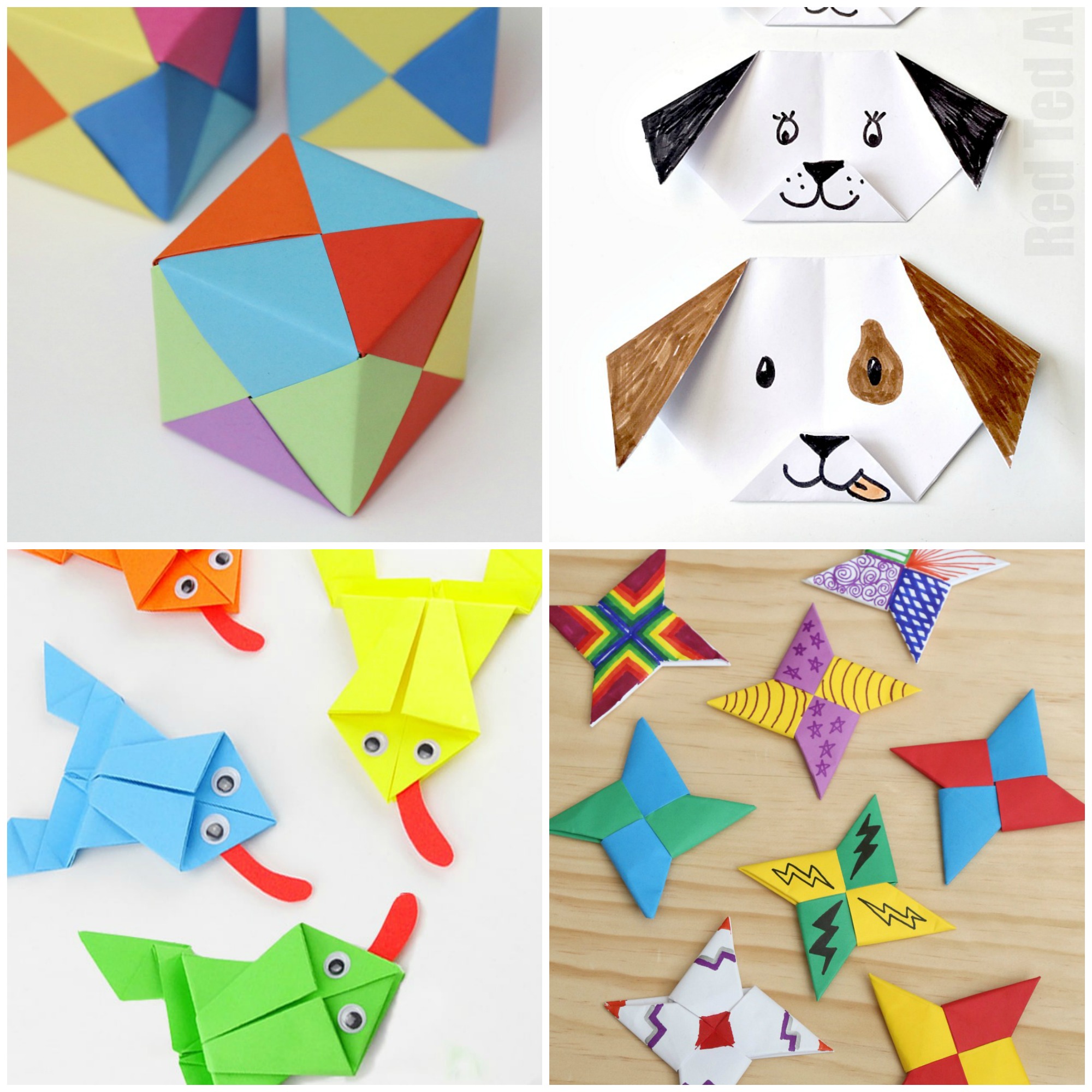
Easy paper craft for kindergarten is a fun and simple way to get creative with your little ones, and it's something I've really enjoyed doing with my kids. It's a great activity to keep them entertained and engaged, and it's so satisfying to see their little faces light up with pride when they've made something cool.
So, what is this all about? Well, it's basically a collection of craft ideas that use paper as the main material. These crafts are designed to be accessible and fun for kids, with simple steps and minimal supervision needed. It's a brilliant way to encourage their creativity and fine motor skills, and it's an affordable activity too!
You can find a whole range of ideas online, from the classic paper chain to more intricate pop-up cards. Some ideas are seasonal, like making paper snowflakes for Christmas, while others are more general and can be done anytime. The best part is that these crafts often require very few materials - paper, scissors, glue, and maybe some crayons or markers.
Getting Started
If you're new to this, I'd recommend starting with some basic folding and cutting activities. You can teach them how to make simple shapes like squares and triangles, and then use those to create fun designs. For example, folding a piece of paper into a fan shape is a great way to introduce the concept of symmetry and pattern-making.
Step It Up
Once they've got the hang of the basics, you can introduce more complex crafts. One of my favorites is making paper boats. It's a classic for a reason - it's easy, and kids love seeing their creations float in water! You can also try making paper hats, which is a fun way to encourage imagination and role-play.
The beauty of easy paper craft for kindergarten is that it's so adaptable. You can tailor the difficulty level to your child's age and abilities, and you can often use these crafts as a springboard for other activities. For instance, making a paper doll might lead to a fun dress-up game, or creating a paper city could inspire some imaginative play.
So, why not give it a go? It's a brilliant way to spend some quality time with your kids, and you might just discover a new hobby together!
Related: Construction Companies in USA 50 Reliable Picks
Hey, I'm curious about this list of top 50 construction companies in the USA I found online. Who are these giants, and how do they stack up? I mean, what's the deal with these big names in the industry? Let's explore and see what we can uncover!
Unveiling the Top 50: A Closer Look
When we talk about the top 50 construction companies in the USA, we're referring to the industry's heavyweights. These are the firms that have made a significant impact and left their mark on the construction landscape. But what sets them apart? Well, it's a combination of factors. These companies often have a long-standing reputation, a solid track record, and a diverse range of projects under their belt. They might specialize in certain areas, like commercial or residential construction, and have the resources to take on large-scale ventures.
One of the key aspects to consider is their reach. Many of these top companies operate nationwide, with a presence in multiple states. This allows them to tackle projects of all sizes and cater to a wide range of clients. It's also worth noting that their size often translates to a larger workforce, which can be an advantage when it comes to managing complex projects with tight deadlines.
Practical Insights for Construction Enthusiasts
So, why does this list matter to us? Well, for one, it can be a great resource when you're looking to hire a contractor or company for your own construction needs. These top companies often have a wealth of experience and can offer a certain level of assurance when it comes to quality and reliability. However, it's important to remember that just because a company is on this list, it doesn't mean they're the right fit for every project.
When hiring, it's crucial to assess your specific needs and compare quotes. Don't be afraid to ask questions and seek references. A good quote should provide a detailed breakdown of costs, including labor, materials, and any additional fees. It's also a good idea to check their licensing and insurance, especially for larger projects.
Naming and Branding: A Quick Note
Naming a construction company can be an art in itself. A great name should be memorable, reflect the company's values or services, and be unique enough to stand out. Some companies opt for a straightforward approach, using their founder's name or a simple description of their services. Others go for a more creative route, choosing a name that's catchy and easy to remember.
Here are a few original name ideas:
- BuildCraft
- Constructive Solutions
- Skyrise Builders
- Foundation First
- HomeCrafters
- BuildPro
Remember, before finalizing a name, check its availability for domains and local registration to avoid any legal hiccups.
A Glimpse into the Industry
The construction industry is a diverse and dynamic field, offering a range of roles and opportunities. From general contractors to estimators and project managers, there's a role for almost every skill set. Salaries can vary greatly depending on experience, location, and the specific role.
When it comes to finding construction jobs, online job boards and industry-specific websites are a great place to start. Many companies also post their openings on social media or their own websites, so it's worth keeping an eye out.
Tools of the Trade: A Brief Overview
In the construction world, tools like RSMeans are highly valued. RSMeans is a cost database that provides valuable insights and estimates for construction projects. It's a go-to resource for many in the industry, offering accurate data on material and labor costs.
Another important aspect is escalation, which refers to the potential increase in costs over time. This could be due to factors like inflation or changes in the market. Construction companies often use cost indexes to track and predict these escalations, helping them provide more accurate quotes and manage projects effectively.
Final Thoughts
So, there you have it! A quick dive into the world of the top 50 construction companies in the USA. While we can't delve into every detail or provide exact rankings, we've uncovered some practical insights and interesting aspects of the industry. Remember, when it comes to construction, it's always a good idea to do your research, compare quotes, and ensure you're getting the best fit for your specific needs. Happy building!
Related: What is the Lund Browder Chart and How to Use It?
So, you're here, searching for information on the Lund Browder chart, probably wanting a quick guide to understanding this essential tool. It's a handy reference, often used to assess burn injuries, and it's important to know how to interpret it correctly. The chart provides a visual representation, usually as a diagram or table, detailing the body's surface area and the percentage burned, which is crucial for medical professionals when treating burn victims.
The Lund Browder Chart: A Burn Assessment Tool
The Lund Browder chart is an essential tool for healthcare professionals, particularly those working in burn care. It provides a visual representation of the human body, divided into various regions, to help assess and calculate the extent of burns on a patient's body. This chart is widely used due to its accuracy and ability to provide a detailed analysis.
Understanding the Chart's Details
The Lund Browder chart displays the body as a series of regions, each with a specific percentage value. These values represent the proportion of the total body surface area (TBSA) that each region covers. The chart considers age-specific variations, as the body surface area distribution changes as we grow. You'll find different charts for adults and children, ensuring accurate assessments. The units used are percentages, and the chart provides a comprehensive guide to help healthcare professionals quickly estimate burn surface areas.
Reading and Applying the Lund Browder Chart
Using the Lund Browder chart involves a systematic approach. First, identify the burned areas on the patient's body and locate the corresponding regions on the chart. Then, estimate the percentage of each region affected by the burn. Add up these percentages to calculate the total burn surface area. For example, if a patient has a burn on their arm (9% of TBSA) and leg (18% of TBSA), the total burn surface area would be 27%. This calculation is crucial for determining the severity of the burn and the required treatment.
Variations and Differences
It's important to note that there can be variations in Lund Browder charts depending on the standard used. Different regions or organizations may have slight differences in the percentage values or the way the body is divided. These variations are usually minor and don't impact the overall assessment significantly. However, it's essential to use the appropriate chart for your region or follow the guidelines set by your healthcare facility.
Common Mistakes and How to Avoid Them
One common mistake is misinterpreting the chart's values. Remember, the percentages represent the relative size of each body region, not the absolute size. Another pitfall is neglecting to consider age-specific charts. Adults and children have different charts due to their varying body proportions. Using the wrong chart can lead to inaccurate assessments. Always ensure you're using the correct chart for the patient's age group.
Practical Tips for Accurate Results
To ensure accuracy, it's crucial to have a good understanding of the human body's anatomy and how it relates to the chart. Familiarize yourself with the different body regions and their corresponding percentages. Practice estimating burn surface areas using the chart to improve your skills. Additionally, consider using other burn assessment tools, like the rule of nines or the parkland formula, to cross-reference your calculations and enhance accuracy.
Handling Edge Cases and Exceptions
While the Lund Browder chart is a valuable tool, it's not without its limitations. In certain cases, such as burns affecting multiple body regions or unusual body proportions, the chart may not provide an accurate representation. In such situations, it's essential to consult with experienced burn care specialists or use advanced imaging techniques to get a more precise assessment. Always prioritize accuracy and seek expert advice when needed.
Hey there, we've covered a lot of ground with the Lund Browder Chart and its applications. Remember, while the fundamentals remain the same, the exact details can vary slightly depending on the specific context and standards you're working with.
Feel free to explore our other guides and resources to dive deeper into related topics and discover more practical tools and insights. Keep learning, keep growing, and stay curious!