

Kindergarten Worksheets Writing Numbers 1 100 Overview
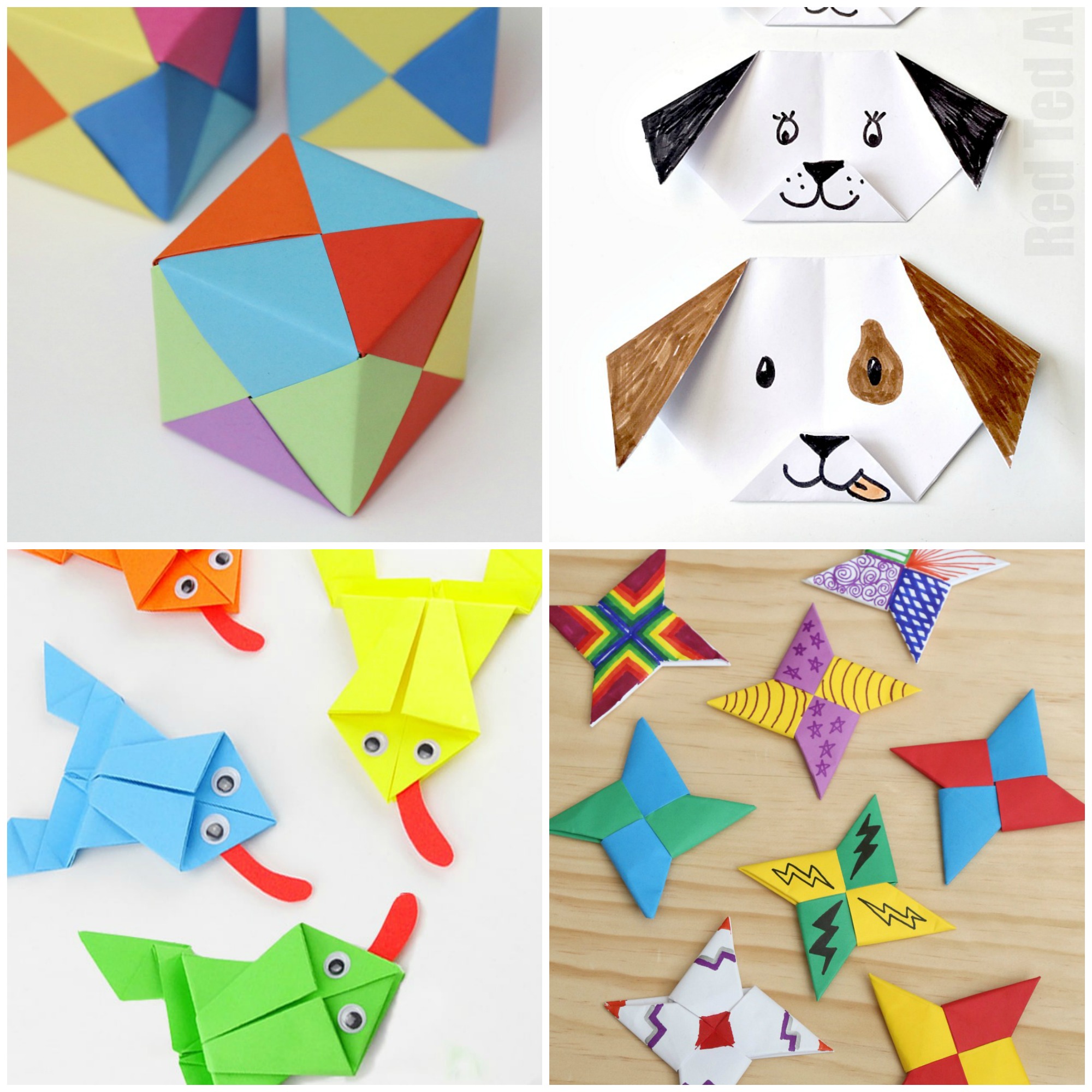
Easy paper craft for kindergarten is a fun and simple way to get creative with your little ones, and it's something I've really enjoyed doing with my kids. It's a great activity to keep them entertained and engaged, and it's so satisfying to see their little faces light up with pride when they've made something cool.
So, what is this all about? Well, it's basically a collection of craft ideas that use paper as the main material. These crafts are designed to be accessible and fun for kids, with simple steps and minimal supervision needed. It's a brilliant way to encourage their creativity and fine motor skills, and it's an affordable activity too!
You can find a whole range of ideas online, from the classic paper chain to more intricate pop-up cards. Some ideas are seasonal, like making paper snowflakes for Christmas, while others are more general and can be done anytime. The best part is that these crafts often require very few materials - paper, scissors, glue, and maybe some crayons or markers.
Getting Started
If you're new to this, I'd recommend starting with some basic folding and cutting activities. You can teach them how to make simple shapes like squares and triangles, and then use those to create fun designs. For example, folding a piece of paper into a fan shape is a great way to introduce the concept of symmetry and pattern-making.
Step It Up
Once they've got the hang of the basics, you can introduce more complex crafts. One of my favorites is making paper boats. It's a classic for a reason - it's easy, and kids love seeing their creations float in water! You can also try making paper hats, which is a fun way to encourage imagination and role-play.
The beauty of easy paper craft for kindergarten is that it's so adaptable. You can tailor the difficulty level to your child's age and abilities, and you can often use these crafts as a springboard for other activities. For instance, making a paper doll might lead to a fun dress-up game, or creating a paper city could inspire some imaginative play.
So, why not give it a go? It's a brilliant way to spend some quality time with your kids, and you might just discover a new hobby together!
Related: Construction Management Companies Essential Guide
Top construction management companies are a key part of any major building project, but when you're not in the industry, it can be hard to know where to start. So, let's break it down and explore what these companies do and why they matter.
What's the Deal with Top Construction Management Companies?
These companies are the experts who oversee the entire construction process, from planning and budgeting to managing contractors and ensuring the work is completed on time and to a high standard. They're like the conductors of an orchestra, keeping everything in harmony and on beat.
When you're taking on a big building project, whether it's a new home, a renovation, or a commercial development, you want to make sure it's done right. That's where these companies come in. They bring a wealth of experience and knowledge to the table, ensuring your project runs smoothly and efficiently.
Hiring the Right Team
When it comes to hiring a top construction management company, there are a few key things to consider. First, check their track record and experience. You want a company that has a proven history of successful projects, especially in the type of work you need. Ask for references and take the time to call and chat with previous clients.
Next, look at their team. A good company will have a range of skilled professionals, from project managers and estimators to site supervisors and safety officers. Make sure they have the right people for the job and that their team is well-organized and communicates effectively.
Finally, get quotes from a few different companies. Compare their proposals, not just on price, but also on the scope of work, timeline, and any guarantees or warranties they offer. A detailed, itemized quote is a good sign that they've thought through the project thoroughly.
Company Names and the Industry
In the construction industry, company names can be a bit of a giveaway. Often, they'll include the founder's name, a reference to the type of work they do, or a unique, memorable phrase. For example, "Smith & Sons Construction" or "Blue Sky Builders."
When coming up with a name for your construction business, think about what makes you unique and how you can stand out. Keep it simple, memorable, and reflective of your brand. And don't forget to check name availability and secure the right domain and local registration before you start using it.
Industry Insights and Tools
The construction industry has its own language and tools. One you might have heard of is RSMeans, a popular cost database and estimating tool. It's a go-to resource for many in the industry, providing accurate cost information for a range of construction projects.
Other tools and topics to be aware of include escalation, which refers to the increase in construction costs over time, and the cost indexes, which track and predict these changes. These tools are essential for accurate budgeting and forecasting, especially on larger, long-term projects.
Taking the Next Step
If you're ready to dive into a construction project, whether it's a renovation or a new build, consider reaching out to a few top construction management companies in your area. They can provide valuable insights, help you navigate the process, and ensure your project is a success.
Remember, it's all about finding the right team for your vision and ensuring they have the skills and experience to bring your project to life.
Related: Need a Ribbon Chart? Create One Easily Here
A common misconception about ribbon chart makers is that they are solely for creating pretty visuals. While these tools certainly produce aesthetically pleasing charts, their true power lies in their ability to simplify complex data. Ribbon charts are an effective way to compare multiple data series, making them a valuable tool for anyone needing to interpret and present information clearly.
What is a Ribbon Chart?
A ribbon chart is a visual representation of data, often used to compare multiple categories or variables. It gets its name from its distinctive appearance, resembling a series of stacked ribbons or bars. This chart type is a great way to showcase and analyze data, especially when you want to highlight the distribution and relationships between different groups.
Key Details and Categories
The ribbon chart typically displays data across two dimensions: the x-axis and the y-axis. The x-axis represents the categories or groups you are comparing, while the y-axis shows the values or quantities associated with each category. Each category is represented by a "ribbon," which is essentially a stacked bar, with the height of the ribbon indicating the value or quantity. The ribbons are color-coded, allowing you to easily distinguish between different categories and their respective values.
Reading and Interpreting a Ribbon Chart
To read a ribbon chart, start by identifying the labels on the x-axis, which represent the categories. Then, look at the height of the ribbons for each category. The taller the ribbon, the higher the value or quantity it represents. You can quickly compare the sizes of the ribbons to understand which categories have higher or lower values. Additionally, the colors of the ribbons provide a visual cue, making it easier to track and interpret the data.
Variations and Differences
While the basic structure of a ribbon chart remains consistent, there can be variations based on the specific standard or context. For instance, the number of categories displayed, the range of values, and the color scheme can differ. Some charts might use a specific color-coding system to represent different variables or groups. It's important to be aware of these variations, especially when comparing data from different sources or when working with specialized charts.
Common Mistakes and How to Avoid Them
One common mistake is misinterpreting the scale or assuming a uniform scale across different charts. Always check the axis labels and scales to ensure accurate interpretation. Another pitfall is ignoring the context or failing to understand the purpose of the chart. Each chart is designed to highlight specific aspects of the data, so make sure you grasp the intended message before drawing conclusions. Finally, be cautious when comparing data from different sources, as variations in standards and formats can lead to misinterpretation.
Practical Tips for Accurate Results
When creating or interpreting a ribbon chart, pay attention to the labels and legends. Ensure that the categories and values are clearly defined and easily understandable. Consistency is key; maintain a uniform scale and color scheme to avoid confusion. Additionally, consider the audience and their familiarity with charts. Provide a brief explanation or legend if necessary to ensure everyone can interpret the data accurately.
Handling Edge Cases and Exceptions
While ribbon charts are versatile, there are situations where they might not be the best choice. For instance, if you have a large number of categories or very detailed data, a different chart type might be more suitable. In such cases, consider alternatives like a stacked bar chart or a multi-series ribbon chart with additional features to accommodate the complexity. Always refer to the specific guidelines or standards relevant to your field or industry to ensure you are using the right chart for your data.
Hey there, we hope you found this guide helpful in understanding ribbon charts and how to create them. Remember, while the basics remain the same, the exact details can vary slightly depending on your specific needs and the context you're working with.
Feel free to explore our other guides; we've got a range of topics covered to help you on your data visualization journey. Stay tuned for more tips and tricks!