





King Kong Coloring Page Overview
Many folks tend to overlook the steak cooking chart as a simple, basic tool, but it's a powerful guide that can transform your steak game. This chart is your secret weapon, a quick reference to ensure your steaks are cooked to perfection every time.
It's a straightforward, visual representation of the ideal cooking times and internal temperatures for different steak doneness levels. From rare to well done, the chart offers a reliable roadmap, ensuring your steak is cooked just the way you like it.
The Steak Cooking Chart: Your Guide to Steak Perfection
The steak cooking chart is a handy reference tool for anyone wanting to cook the perfect steak. It provides a visual guide to help you achieve your desired level of doneness, from rare to well done. This chart is a simple yet effective way to ensure your steak turns out just right every time.
Key Details and Categories
The steak cooking chart typically displays two key pieces of information: cooking time and internal temperature. These are the two critical factors in determining the doneness of your steak. The chart usually presents these values in a table format, with cooking times on one axis and corresponding internal temperatures on the other. It's important to note that the chart may vary slightly depending on the standard used, so be sure to refer to a reliable source for accurate measurements.
How to Use the Steak Cooking Chart
Using the steak cooking chart is straightforward. First, decide on your preferred doneness: rare, medium-rare, medium, medium-well, or well-done. Each category has a recommended cooking time and a target internal temperature range. For example, a rare steak might have a cooking time of 3-4 minutes per side and an internal temperature of 125-130°F (52-54°C). Follow these steps for a perfect steak:
- Preheat your cooking surface (grill, pan, or oven) to the desired temperature.
- Place your steak on the preheated surface and cook for the recommended time.
- Flip the steak and repeat the cooking process for the other side.
- Use a meat thermometer to check the internal temperature. Ensure it is inserted into the thickest part of the steak, away from any bone.
- Once the steak reaches the desired temperature, remove it from the heat and let it rest for a few minutes before serving.
Understanding Variations
While the steak cooking chart provides a great starting point, there can be variations and differences in the outcomes. Factors such as the thickness of the steak, the type of cut, and the cooking method can all influence the final result. Thicker steaks may require longer cooking times, and different cuts of meat may have varying internal temperature ranges for the same doneness. It's essential to consider these factors and adjust your cooking technique accordingly.
Common Mistakes and How to Avoid Them
One common mistake is relying solely on cooking time without checking the internal temperature. Every steak is unique, and factors like thickness and initial temperature can affect cooking times. Always use a meat thermometer to ensure accuracy. Another mistake is overcooking the steak. It's easy to go from medium-rare to well done in a matter of minutes, so be mindful of the cooking time and check the temperature regularly.
Practical Tips for Perfect Results
To achieve the best results, consider these tips:
- Ensure your steak is at room temperature before cooking. This helps it cook more evenly.
- Use a good-quality meat thermometer for accurate temperature readings.
- Rest your steak properly after cooking. This allows the juices to redistribute, resulting in a juicier steak.
- Experiment with different cooking methods and techniques to find your preferred style.
- Practice makes perfect! The more you use the steak cooking chart, the easier it will be to achieve consistent results.
The steak cooking chart is a valuable tool for any steak enthusiast, offering a simple and reliable guide to cooking the perfect steak. With a little practice and attention to detail, you'll be serving up delicious, mouth-watering steaks every time!
Well, there you have it! A handy steak cooking chart to guide you through the perfect steak experience. Remember, it's a great starting point, but always consider your personal preferences and the specific cut of meat you're working with.
Exact values and cooking times can vary slightly, so it's a good idea to keep an eye on your steak and trust your instincts. Now you're equipped with the knowledge to create steak magic! Don't forget to bookmark this page for future steak adventures; it's a quick and easy reference to have on hand.
Related: What's the AC Pressure Chart All About?
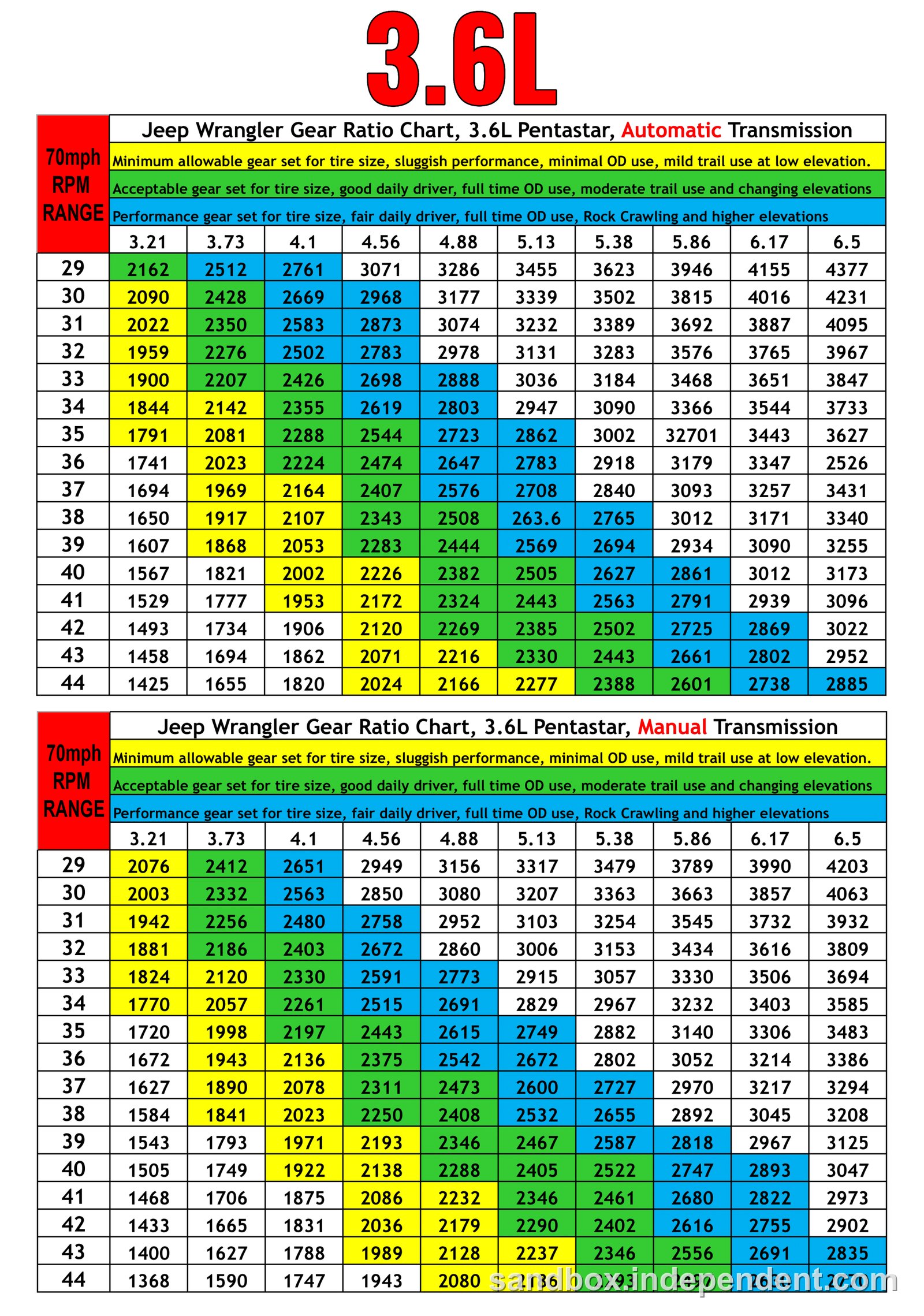
Many folks new to AC pressure charts might assume they're complex and confusing, but they're actually a simple and handy tool. It's a common misconception that these charts are hard to interpret, when in fact, they provide a clear snapshot of your AC system's health.
The AC pressure chart is a visual guide, often in table format, that displays pressure readings and their corresponding temperatures. These charts can vary slightly, but they offer a quick way to identify any issues and ensure your AC is running smoothly.
Understanding AC Pressure Charts
An AC pressure chart is a handy tool for anyone working with air conditioning systems. It's a visual representation of the relationship between pressure and temperature, helping you understand the state of your AC system and make informed decisions. These charts are like a map, guiding you through the complex world of AC diagnostics and maintenance.
Key Details and Units
Before diving into the chart, let's cover some basics. The AC pressure chart typically displays pressure readings in two units: psi (pounds per square inch) and kPa (kilopascals). These units measure the force exerted by the refrigerant gas inside your AC system. The chart also shows temperature, often in degrees Fahrenheit or Celsius, which is crucial for understanding the refrigerant's state.
Reading and Applying the Chart: A Step-by-Step Guide
Start by identifying the type of refrigerant used in your AC system. Common refrigerants like R134a or R410A have specific pressure-temperature relationships, so knowing this is essential.
Find the corresponding AC pressure chart for your refrigerant. These charts are readily available online or in AC maintenance manuals.
Locate the pressure reading on the chart. Pressure is usually displayed on the y-axis, with higher values indicating greater pressure.
Next, identify the temperature reading. Temperature is typically on the x-axis, with higher temperatures to the right.
Now, simply trace a line from your pressure reading to the temperature reading. The point where these lines intersect gives you the refrigerant's state.
Interpret the chart reading. If the point falls within the normal operating range, your AC system is likely functioning correctly. However, if it's outside this range, it could indicate an issue.
Variations Across Standards and Contexts
It's important to note that AC pressure charts can vary depending on the standard being used. Different regions and manufacturers may have slight variations in pressure and temperature ranges. Always refer to the specific chart for your AC system to ensure accuracy. Additionally, environmental factors like altitude can affect pressure readings, so be mindful of these variables when interpreting the chart.
Common Mistakes and How to Avoid Them
One common mistake is using the wrong AC pressure chart for your refrigerant type. Always double-check the refrigerant and ensure you have the correct chart. Another pitfall is misinterpreting the chart readings. Remember, the chart provides a snapshot of the refrigerant's state, but it doesn't account for other factors like airflow or system efficiency. Always consider the bigger picture when troubleshooting.
Practical Tips for Accurate Results
When using an AC pressure chart, ensure your AC system is running under normal conditions. This means the system should be operating at full capacity with a steady airflow. Avoid taking readings during start-up or shutdown, as these transient states can provide misleading results. Additionally, ensure your pressure gauge is calibrated and accurate. Even a small error in pressure reading can lead to incorrect interpretations.
Double-Checking and Handling Edge Cases
While AC pressure charts are valuable, they are not foolproof. Always cross-reference your chart readings with other diagnostic tools and your AC system's performance. If you suspect an issue, consider using a pressure-temperature chart or consulting an AC professional. Remember, these charts provide a general guide, but real-world conditions can vary. Always err on the side of caution and seek expert advice when needed.
Remember, while this guide provides a solid foundation, it's always a good idea to check your specific needs and requirements. Exact values can vary, so double-check the standards and sources relevant to your project.
Take a moment to explore our other resources; we've got plenty of practical guides to keep you informed and inspired. Happy reading, and stay tuned for more!
Related: Public Listed Construction Company Essential Guide
I was walking past a busy construction site the other day, and it got me thinking about public listed construction companies. Who are these firms, and what do they do? Well, let's find out!
Understanding Public Listed Construction Companies
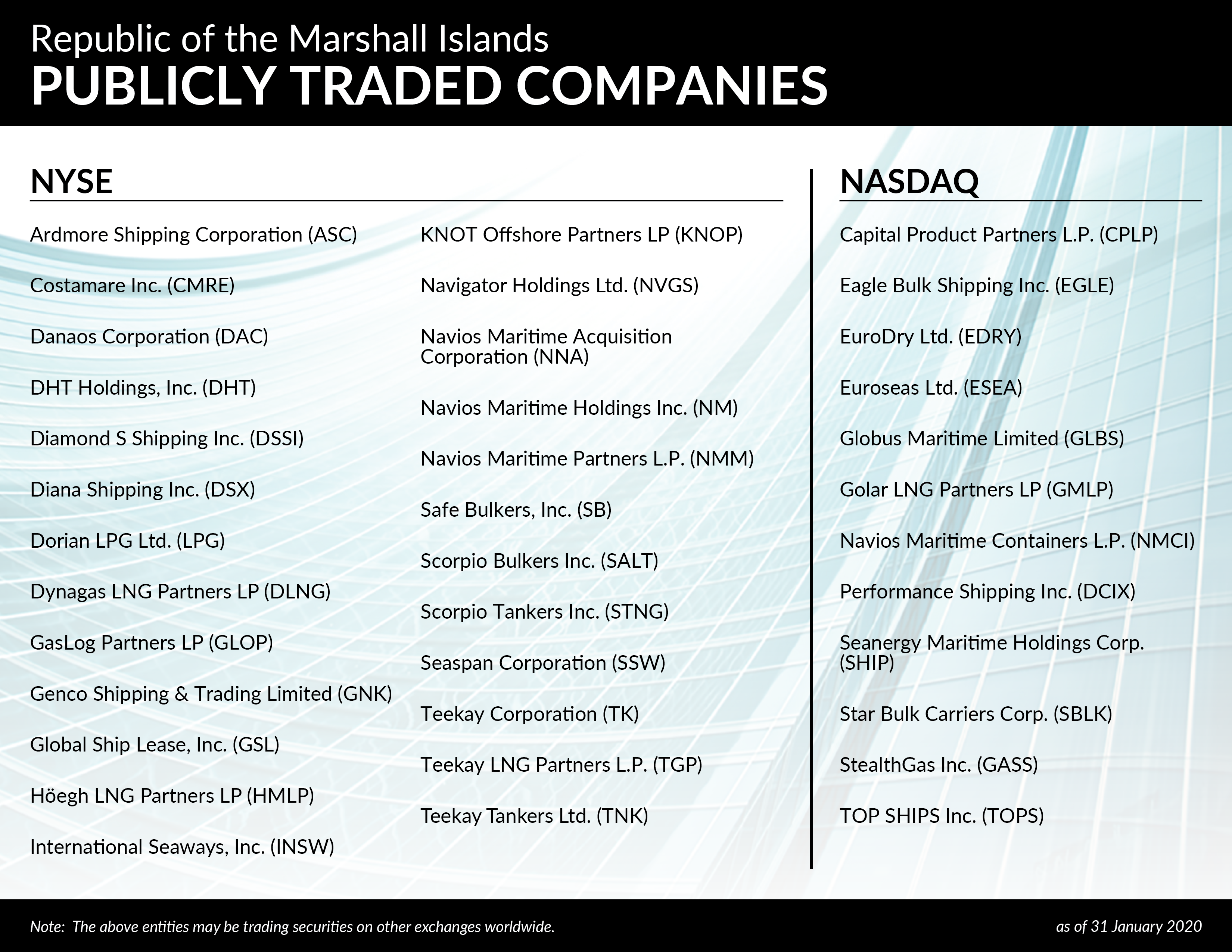
A public listed construction company is a business that builds and renovates structures, from homes to commercial buildings, and everything in between. These companies are often large-scale operations, with the resources to take on major projects. They might construct new buildings from the ground up or handle complex renovations and additions. The key here is that these companies are publicly listed, which means their shares are traded on a stock exchange and anyone can invest in them.
So, why does this matter? Well, for one, it means these companies are usually well-established and financially stable. They have the backing of investors and the public market, which can be a good sign of their long-term viability. This stability is important when you're considering hiring a contractor for a big project. You want to know they'll be around to honor their warranty and provide ongoing support.
Hiring a Contractor: What to Look For
When you're in the market for a contractor, whether it's for a home renovation or a new build, there are a few key things to consider. First, check their licensing and insurance. Make sure they're properly registered and insured for the work they do. This protects you in case of accidents or issues down the line. Next, ask for references and check their online reviews. Seeing what past clients have to say can give you a good idea of the company's reliability and quality of work.
It's also important to get multiple quotes. Prices can vary widely, and you want to make sure you're getting a fair deal. Compare apples to apples though; make sure the scope of work is the same across all quotes. And don't forget to ask about the timeline. A good contractor will give you a realistic estimate of how long the project will take, and they should be able to explain any potential delays.
Naming Your Construction Business
If you're in the construction business or thinking of starting one, you'll need a great name. A catchy, memorable name can help you stand out and make a good first impression. But what makes a good name? It should be unique, easy to remember, and reflect your business's personality or services. Avoid names that are too generic or could be confused with other businesses.
Here are a few original name ideas:
- BuildCraft
- Renova Solutions
- StructureWorks
- HomeRevamp
- ConstructoPros
- BuildTech
Remember to check the availability of these names and secure the relevant domains and local registrations before you finalize your choice.
The Construction Industry: A Quick Overview
The construction industry is a vast and diverse field, with roles ranging from general contractors to specialized tradespeople. Estimators, for example, play a crucial role in calculating costs and providing accurate quotes. Then there are project managers, who oversee the entire operation, ensuring it stays on track and within budget. These jobs can be found through various channels, including online job boards, industry-specific websites, and even word-of-mouth recommendations.
Data and Tools: RSMeans and More
In the construction world, tools like RSMeans are essential. RSMeans provides cost data and estimating tools, helping contractors and companies accurately price their work. It's a valuable resource for staying competitive and ensuring projects are financially viable. Similarly, cost databases and indexes are used to track and predict construction costs, helping businesses plan and budget effectively.
Large vs. Small Construction Firms
The construction industry is diverse, with a range of company sizes. Large firms often have the resources to take on big, complex projects and may have a national or even international presence. They can offer a wide range of services and have the manpower to handle multiple projects simultaneously. On the other hand, smaller firms might specialize in a particular area, like home renovations, and offer a more personalized service. They might be better suited to local projects and have a strong understanding of the specific market and its needs.
So, there you have it! A quick dive into the world of public listed construction companies. Whether you're looking to hire a contractor or just curious about the industry, I hope this gives you a better understanding of what these companies do and how they operate.