





Klamath County Jail Roster Overview
A thread size chart is a handy tool for anyone working with screws, bolts, and fasteners. It's a simple yet effective way to ensure you're using the right size and type of thread for your project. This guide will cover the basics of reading and using these charts, so you can tackle any fastening task with confidence.
You'll find charts for both metric and imperial thread sizes, and they often include details like thread pitch and bolt sizes. While the values may vary depending on the standard and region, these charts provide a reliable reference point to get you started.
Understanding Thread Dimensions: A Quick Overview
The thread size chart is your practical guide to understanding the various dimensions and specifications of threads, a crucial component in fasteners like bolts and screws. This chart simplifies the process of identifying and selecting the right thread size for your project, ensuring a perfect fit and secure connection.
Comparing Common Thread Types and Standards
There are two main standards for thread sizes: metric and imperial. The metric thread size chart uses millimeters for measurements, while the imperial chart relies on inches. Both charts provide essential information, including thread diameter, pitch (the distance between threads), and sometimes even the thread's length.
Reading the Chart: A Step-by-Step Guide
Here's a simple process to read and utilize a thread size chart:
Identify the Standard: Determine whether you need a metric or imperial thread size chart. This choice depends on the region and the specific project requirements.
Locate the Diameter: Find the column or row that represents the thread's diameter. This value is typically given in millimeters (mm) for metric threads and inches for imperial threads.
Check the Pitch: Once you've identified the diameter, locate the corresponding pitch value. The pitch is often given as a number followed by the symbol "TPI" (threads per inch) for imperial threads, or simply "mm" for metric threads.
Consider Additional Factors: Some charts may provide extra details, such as thread length or specific thread types (e.g., coarse or fine threads). These additional factors can influence your choice, especially for specialized applications.
Common Misreadings and How to Avoid Them
One common mistake is confusing the thread diameter with the bolt or screw's overall diameter. Remember, the thread size chart focuses on the thread's dimensions, not the entire fastener. Another pitfall is assuming that all threads of the same diameter have the same pitch. Always double-check the pitch, especially when working with different thread types or standards.
Factors Affecting Accuracy and Real-World Use
Several factors can impact the accuracy and applicability of a thread size chart. Firstly, always refer to the specific standard being used, as thread sizes can vary slightly between different regions and industries. Additionally, the chart may not cover every possible thread size or type, so it's essential to cross-reference with manufacturer specifications for precise information, especially for specialized or custom threads.
Hey there! I hope this thread size chart has been a helpful resource for you. Remember, while the basics are covered here, there can be slight variations in measurements and standards, so it's always good to double-check the specific details for your project.
Feel free to explore our other guides and resources; we've got a range of practical topics to keep you informed and inspired. Happy crafting!
Related: RSMeans Cost Estimating Essential Guide
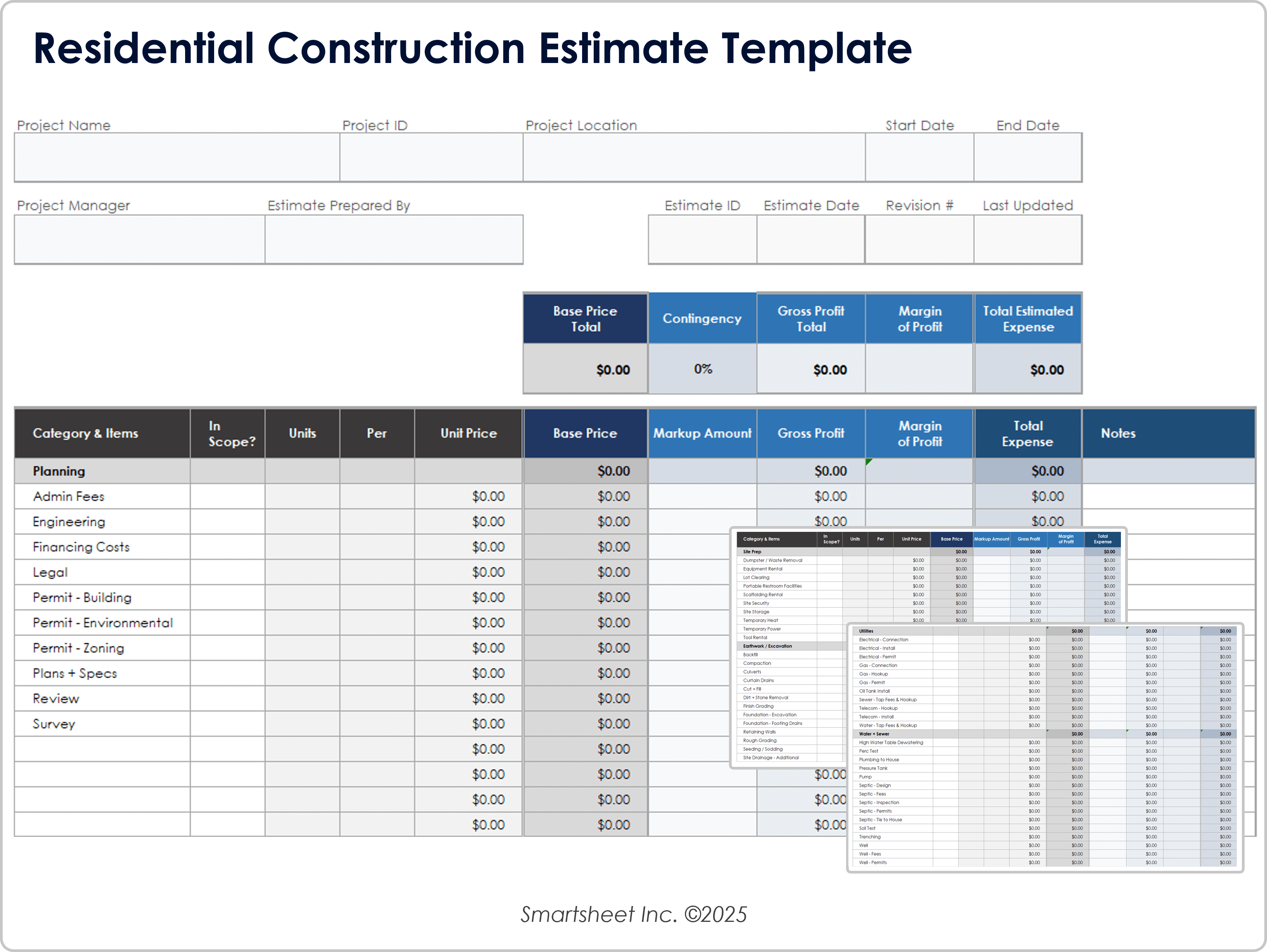
I was chatting with a friend the other day, and they mentioned they were planning a home renovation. It got me thinking about the whole process, especially the costs involved. So, I did some research, and RSMeans cost estimating kept popping up. Let's break it down and see what it's all about.
Understanding RSMeans
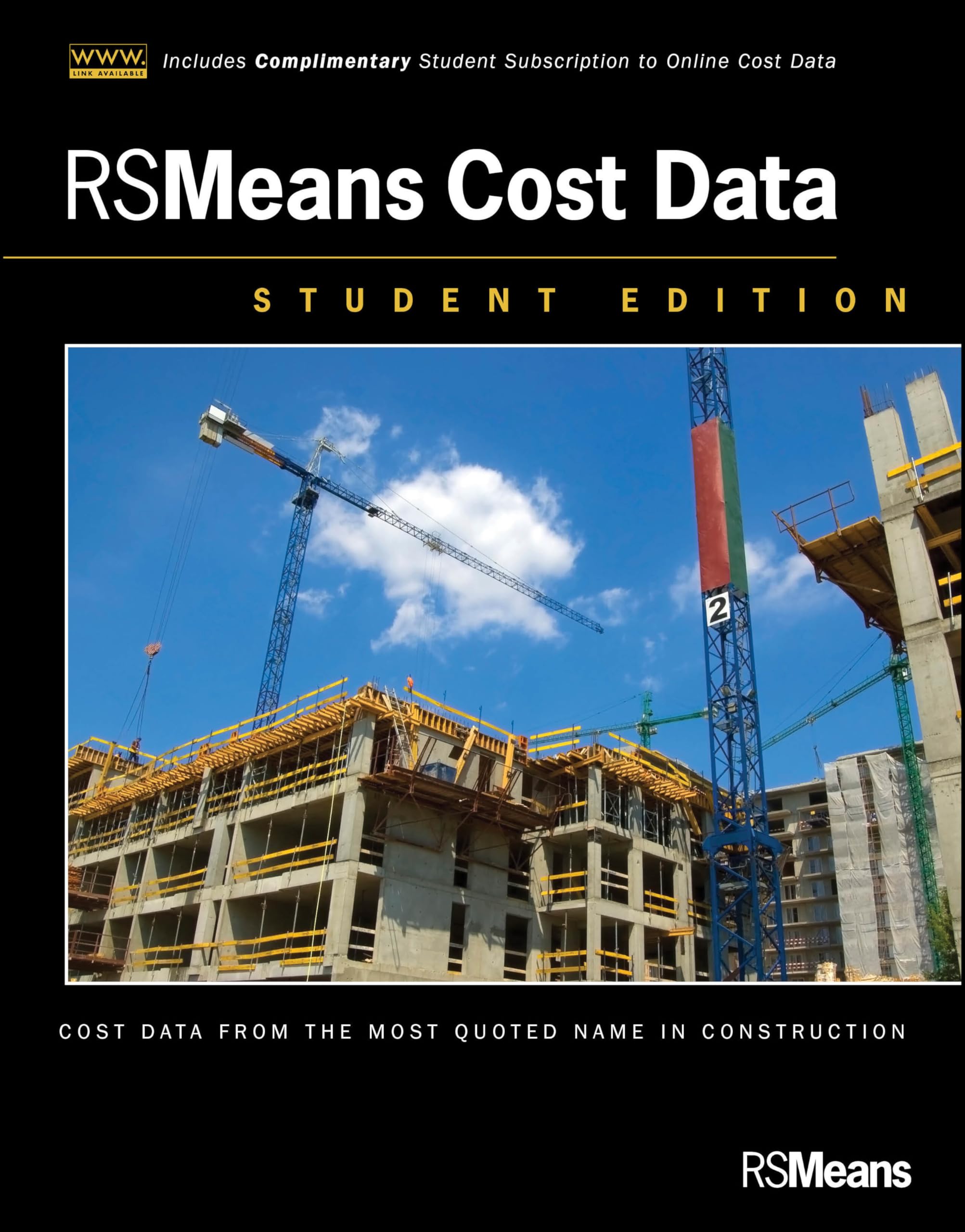
RSMeans is a well-known name in the construction industry, and for good reason. It's a comprehensive cost database and resource for estimating the costs of construction projects. Whether you're a homeowner planning a remodel or a contractor bidding on a new build, RSMeans provides valuable data to help you make informed decisions. It covers a wide range of construction costs, from materials and labor to equipment and overhead.
The beauty of RSMeans is its ability to provide accurate and up-to-date information. It takes into account various factors like location, market conditions, and project specifics. So, you can get a realistic estimate for your project, ensuring you're not overspending or underestimating the costs.
Using RSMeans for Your Project
When it comes to using RSMeans for your construction or remodeling project, it's all about getting the right information for your specific needs. Here's a simple guide:
First, identify the scope of your project. Are you building a new deck, remodeling your kitchen, or constructing an entire house? The more detailed your plan, the better your estimate will be.
Next, access the RSMeans database. You can find it online or through industry resources. The database will provide you with cost data for various components of your project, like framing, electrical work, plumbing, and more.
Compare the RSMeans data with other estimates and quotes you receive from contractors. This will help you understand if the quotes are reasonable and if any contractors are trying to overcharge you.
Contractor Hiring and Quotes
When hiring a contractor, it's essential to do your due diligence. Check their credentials, ask for references, and ensure they're licensed and insured. Get multiple quotes for your project, and compare them to the RSMeans data.
A good quote will break down the costs clearly, explaining the labor, materials, and any other expenses. It should also include a timeline for the project. Don't be afraid to ask questions and negotiate. Remember, you want a fair price and a contractor who understands your vision.
Construction Jobs and Salaries
For those interested in construction careers, RSMeans can also be a valuable tool. It provides insight into the industry and the various roles involved. From general contractors and project managers to estimators and specialists, there are diverse opportunities.
Salaries in the construction industry can vary widely depending on the role, experience, and location. Estimators, for example, play a crucial role in the early stages of a project, ensuring accurate cost estimates. Their expertise is highly valued, and their salaries reflect that.
Naming Your Construction Business
If you're starting a construction business, choosing the right name is important. It should be memorable, reflect your services, and be unique. Here are a few name ideas to get you started:
- BuildMaster
- Crafted Constructions
- Renova Remodeling
- Stronghold Builders
- GreenSpace Builders
- BluePrint Builders
Remember to check the availability of the name, domain, and local registration before finalizing your choice.
Wrapping Up
So, there you have it! RSMeans cost estimating is a powerful tool for anyone involved in construction or remodeling. It provides valuable insights and helps ensure your project stays on track financially. Whether you're a homeowner, contractor, or industry professional, it's worth exploring further.
I hope this overview has been helpful. Feel free to delve deeper into the world of RSMeans and discover more about its benefits and applications.
Related: Understand Your Dog's Dental Health with a Teeth Chart
Many dog owners might assume that a dog teeth chart is a complex and intimidating tool, but it's actually a simple and incredibly useful resource. While it may seem like a foreign concept at first, this chart is a straightforward visual guide to understanding your dog's teeth. It's not as scary as it sounds! A dog teeth chart is a handy reference, offering a clear layout of your pup's dental structure, and it can vary slightly depending on the source.
Understanding the Dog Teeth Chart: A Practical Overview
The dog teeth chart is a handy reference tool for dog owners and veterinary professionals. It provides a visual representation of a dog's dental anatomy, offering insights into tooth positions, types, and development. This chart is an essential guide for anyone looking to maintain their furry friend's oral health.
Comparing Chart Formats and Standards
Dog teeth charts come in various formats, but the most common ones follow either the international or US standard. These standards dictate the tooth numbering system, ensuring consistency across veterinary practices. The international standard uses a three-digit system, while the US standard employs a simpler two-digit approach. Both systems have their merits, and it's crucial to know which standard your chart follows to interpret it accurately.
Step-by-Step Guide to Reading the Chart
Reading a dog teeth chart is straightforward once you know the basics. Here's a simple guide:
- Identify the tooth type: The chart typically categorizes teeth into incisors, canines, premolars, and molars. Each tooth type has a unique shape and function.
- Locate the tooth position: The chart displays teeth in their correct positions within the dog's mouth. Understand the left and right sides and the upper and lower jaws.
- Read the tooth notation: Each tooth has a specific notation, following the chosen standard. For instance, the international standard might label an upper right incisor as "101," while the US standard would use "UR1."
- Interpret the tooth's development: The chart often includes information on tooth eruption, showing when permanent teeth replace milk teeth. This is vital for monitoring a dog's dental development.
Avoiding Common Misreadings
Misinterpreting a dog teeth chart can lead to incorrect dental care. Here are some common pitfalls:
- Mixing up left and right sides: Always double-check the chart's orientation to ensure you're treating the correct side.
- Confusing tooth types: Incisors, canines, and premolars can look similar. Pay attention to their unique characteristics and positions.
- Ignoring the standard: Different standards use different notations. Ensure you're familiar with the one your chart follows.
- Assuming universal applicability: While charts provide a general guide, some breeds may have unique dental characteristics. Always consult a veterinarian for breed-specific advice.
Factors Affecting Accuracy
Several factors can influence the accuracy of a dog teeth chart:
- Breed variations: Different dog breeds have distinct dental anatomies. For instance, a Chihuahua's teeth may be smaller and more delicate than a German Shepherd's.
- Age: A dog's dental development changes over time. Puppies have milk teeth, which are replaced by permanent ones as they grow.
- Dental anomalies: Some dogs may have extra or missing teeth, impacted teeth, or other dental abnormalities. These cases require specialized attention.
- Standard variations: As mentioned, different standards exist. Always confirm the standard your chart follows to avoid confusion.
Choosing the Right Chart for Your Needs
When selecting a dog teeth chart, consider your specific requirements:
- Breed-specific charts: If you own a unique breed, opt for a chart tailored to that breed's dental characteristics.
- Age-appropriate charts: For puppies or senior dogs, choose charts designed for their specific dental stages.
- Specialized charts: Some charts focus on specific dental issues, like tooth extraction or orthodontic treatment. Select one relevant to your dog's needs.
- Digital vs. physical charts: Digital charts offer convenience, while physical charts provide a tangible reference. Choose based on your preference and accessibility.
Maintaining Reliable References
To ensure the accuracy and reliability of your dog teeth chart setup:
- Regularly update your chart: Dental science evolves, and new research may impact tooth identification and care. Stay informed and update your chart as needed.
- Consult professionals: Veterinarians and dental specialists are valuable resources. Seek their advice to ensure you're using the most appropriate and up-to-date charts.
- Double-check measurements: When in doubt, verify tooth measurements and positions with a trusted source. Accuracy is crucial for effective dental care.
- Keep a record: Maintain a log of your dog's dental history, including any anomalies or treatments. This record will help you track progress and identify potential issues.
Hey there, dog lovers! We hope this guide has given you a clear understanding of dog teeth charts and how to use them effectively. Remember, while we've covered the basics, the specifics can differ slightly, so always double-check your sources.
Feel free to bookmark this page for future reference; it's always handy to have a quick reminder when you need it. And don't forget to explore our other guides for more practical tips and tricks! We've got you covered.