



Kmart Weekly Planner Overview
A chore weekly chart is a handy tool to keep your household tasks organized and ensure a smooth daily routine. This guide will show you how to make the most of your chart, offering a simple and effective way to manage chores.
The beauty of a chore chart is its adaptability; you can customize it to fit your family's needs. Whether you prefer a simple task list or a more visual weekly planner, the key is finding a format that works for you and helps keep everyone on track with their household duties.
What is a Chore Weekly Chart?
A chore weekly chart is a practical tool to help you organize and manage household tasks efficiently. It's a visual representation of your weekly chores, making it easier to stay on top of your responsibilities and ensure a clean and well-maintained home.
Understanding the Key Details
The chart typically consists of a grid with days of the week across the top and chore categories down the side. Each cell represents a specific chore for a particular day. Common categories include cleaning tasks like vacuuming, laundry, dishes, and grocery shopping. The chart provides a clear overview of what needs to be done and when.
Reading and Applying the Chart
Here's a step-by-step guide to using your chore weekly chart:
- Start by identifying the tasks you want to include. Consider daily, weekly, and monthly chores, as well as any specific tasks that need to be done regularly, like taking out the trash or changing bed linens.
- Assign tasks to each day of the week. Distribute the chores evenly to avoid an overwhelming workload on any single day.
- Use symbols or colors to indicate the status of each chore. For example, a checkmark can signify completion, while a red X might mean the task is overdue.
- Review and update your chart regularly. As you complete tasks, mark them off. If something comes up and a chore needs to be rescheduled, adjust the chart accordingly.
- Involve your family or housemates. If you're sharing the workload, ensure everyone understands their responsibilities and can refer to the chart for guidance.
Variations and Differences
While the basic concept of a chore weekly chart remains consistent, there can be variations based on personal preferences and household needs. Here are some factors that may cause differences:
- Household size: A larger family may require more complex chore rotations to ensure fairness.
- Individual preferences: Some people prefer a simple list format, while others like the visual appeal and organization of a chart.
- Task frequency: Certain chores may need to be done daily or monthly, influencing how you structure your chart.
Common Mistakes and How to Avoid Them
It's easy to make mistakes when creating a chore weekly chart, but these tips can help you avoid them:
- Overloading: Avoid assigning too many tasks to one day. Spread the workload evenly to prevent burnout.
- Forgetting regular tasks: Include all recurring chores, even if they seem obvious. It's easy to overlook something like taking out the recycling or wiping down kitchen counters.
- Not updating: Regularly review and update your chart to reflect changes in your routine or household needs.
Tips for Success
To make the most of your chore weekly chart and ensure it works effectively for your household, consider these best practices:
- Personalize your chart: Tailor it to your specific needs and preferences. Add notes or symbols that make sense to you and your family.
- Keep it visible: Display your chart in a central location, like the kitchen or family room, so everyone can refer to it easily.
- Review and adjust: Regularly assess how well your chart is working and make adjustments as needed. Flexibility is key to a successful chore management system.
- Involve everyone: Encourage participation and ownership of chores by involving all family members or housemates in creating and maintaining the chart.
A chore weekly chart is a great way to stay organized and ensure everyone pitches in. With the right approach, you can create a simple and effective system for your household. Remember, it's all about finding a balance and making it work for your unique situation.
When adapting any guide, it's important to consider your specific needs and context. While these charts offer a solid framework, they can be tailored to suit your family's routines and preferences. So, take the time to customize and make it your own! And don't forget to explore our other resources for even more practical tips and tricks.
Related: Decoding the Firewood BTU Chart
You're here because you need a straightforward answer, and the firewood btu chart is your go-to resource. It's a simple yet powerful tool, offering a quick glance at the energy content of different woods. This chart is a handy reference, providing values for the heating value of firewood, often measured in btu per cord or pound. With this information, you can make informed choices, ensuring your firewood stack is efficient and effective.
Understanding the Firewood BTU Chart: A Quick Overview
The firewood BTU chart is a valuable tool for anyone using wood as a heat source. It provides a reference guide to the energy content of various firewood types, helping you make informed choices for efficient heating. This chart offers a standardized way to compare the heating value of different woods.
Comparing Firewood Types and Their BTU Ratings
The chart categorizes firewood by species, offering a range of common and less-common woods. Each wood type has a BTU (British Thermal Unit) rating, which indicates the heat energy it can produce. BTUs measure the amount of heat needed to raise the temperature of water by one degree Fahrenheit. The higher the BTU rating, the more heat potential the wood has. For example, hardwoods like oak and maple tend to have higher BTU ratings compared to softwoods like pine.
Step-by-Step Guide to Reading the Firewood BTU Chart
When using the firewood BTU chart, follow these steps:
- Identify the wood species you are using or considering.
- Locate the corresponding BTU rating on the chart.
- Understand the rating in the context of your heating needs. A higher BTU rating means the wood will produce more heat, but it may also burn faster.
- Consider the efficiency of your fireplace or stove. Some appliances are more efficient at extracting heat from the wood, so the BTU rating can be a guide for optimal wood selection.
- If you're buying firewood, use the chart to estimate the energy content of a cord of wood. A cord is a standard measurement for firewood, typically 128 cubic feet.
Avoiding Misreadings and Pitfalls
It's important to note that the firewood BTU chart provides a general guide, and actual heat output can vary. Factors like wood moisture content, density, and the efficiency of your heating appliance can impact the results. Always ensure your wood is properly seasoned (dried) to achieve the best heat output. Additionally, be aware that the BTU ratings on the chart are for green (freshly cut) wood. As wood dries, its energy content can increase, so the actual BTUs may be higher than the chart indicates.
Factors Affecting Accuracy and Real-World Use
Several key factors influence the accuracy of the firewood BTU chart and its application:
- Wood Moisture Content: Freshly cut wood has a higher moisture content, which reduces its energy content. As wood dries, its BTU value increases.
- Wood Density: Denser woods, like oak, have higher BTU ratings due to their compact structure.
- Heating Appliance Efficiency: The efficiency of your fireplace or stove can significantly impact the heat output from the wood.
- Seasoning Time: Properly seasoned wood, typically dried for 6-12 months, burns more efficiently and produces more heat.
- Regional Variations: Different regions may have variations in wood species and growth conditions, which can affect the BTU ratings.
Adapting the Firewood BTU Chart for Specific Needs
The firewood BTU chart is a versatile tool, and you can adapt it to suit your specific heating requirements. If you have a high-efficiency fireplace or stove, you may want to focus on woods with higher BTU ratings for maximum heat output. For traditional fireplaces, a mix of hardwoods and softwoods can provide a balanced burn. If you're unsure about the BTU ratings of local wood species, consult with local firewood suppliers or forestry experts. They can provide valuable insights into the best wood choices for your region.
Well, that's a wrap on our firewood BTU adventure! We've covered a lot of ground, from understanding the chart's purpose to navigating its various components and potential pitfalls.
Remember, while this guide offers a comprehensive overview, your unique circumstances may require further consideration. Always refer to reliable sources and adapt the information to your specific needs. It's a simple step that can make a big difference in your firewood choices and overall experience.
Consider bookmarking this page for future reference. It's a handy tool to have at your fingertips when you need a quick reminder or a deeper dive into the world of firewood BTUs. Until next time, happy (and informed) burning!
Related: How to Read a Chest Size Chart?
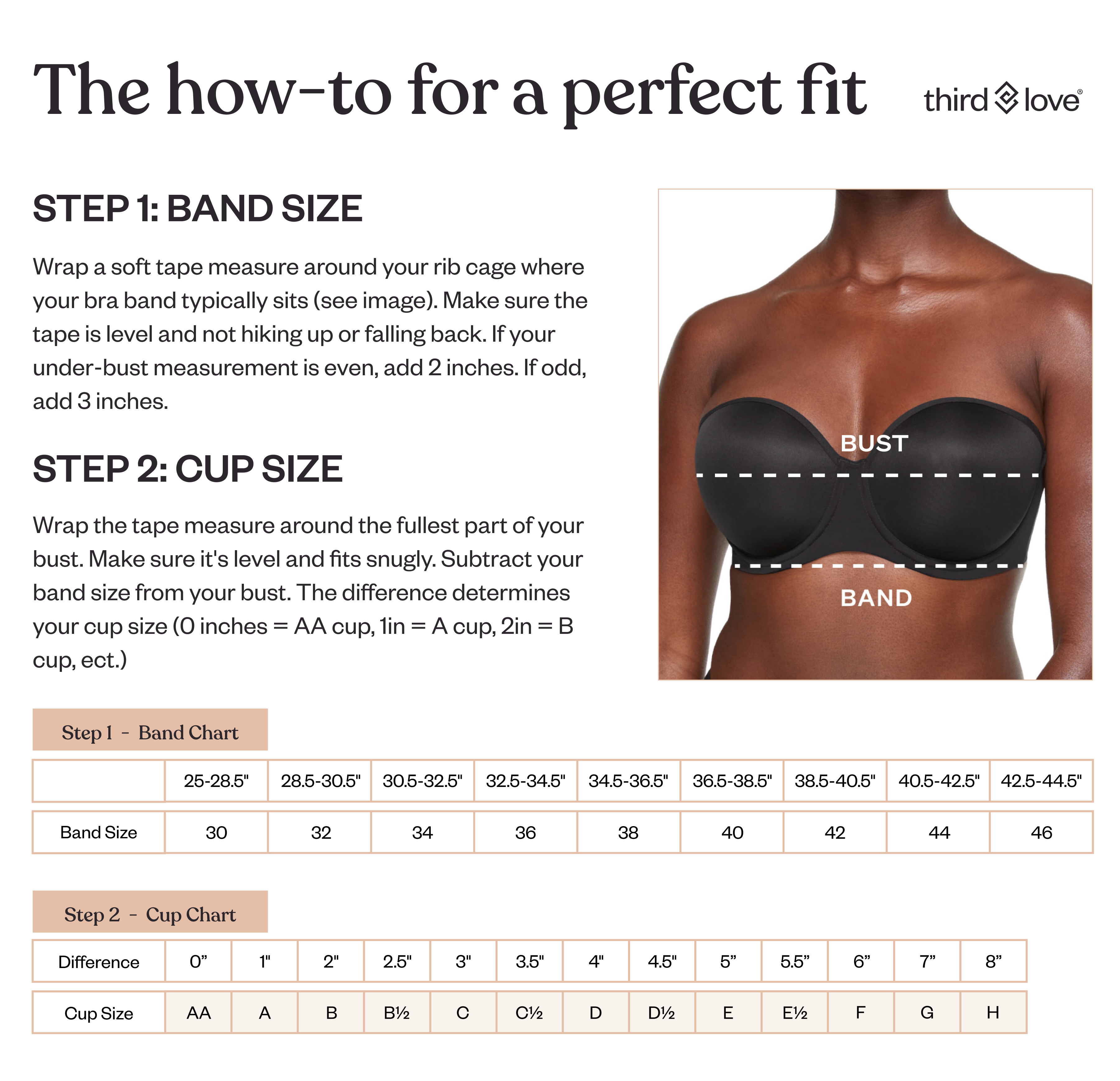
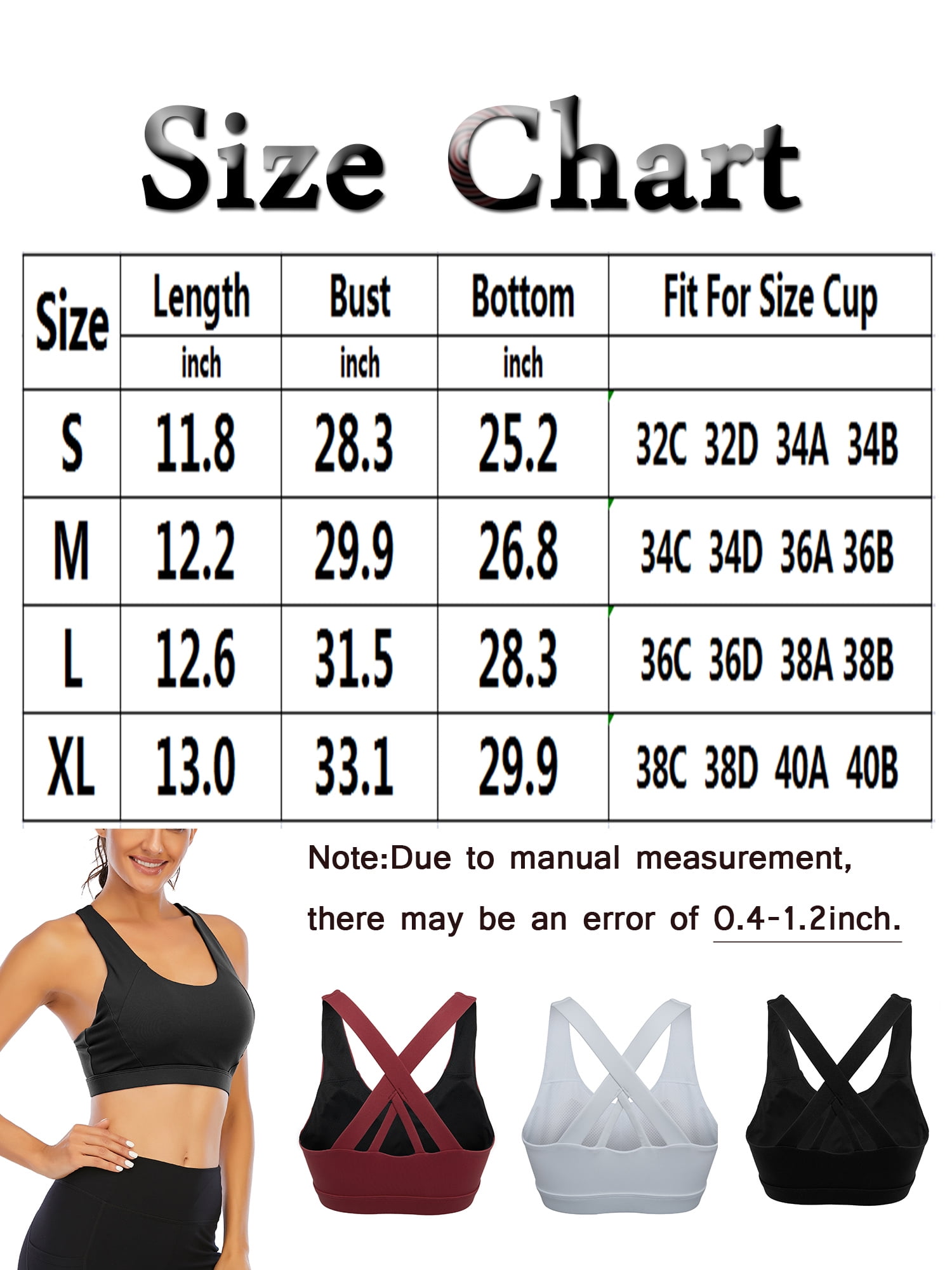
You're probably here because you need a quick answer, and who can blame you? A chest size chart is a handy tool, offering a simple visual guide to understanding bra sizes and fit. It's a reference that can save you time and ensure you get the right size, every time. These charts can vary slightly, but they're an essential guide for anyone wanting an accurate bra size and a comfortable fit.
Understanding the Chest Size Chart
The chest size chart is a handy tool to help you find the right fit for clothing and accessories, especially when shopping online. It provides a reference for measuring and understanding your chest size, ensuring you make informed choices. This chart is particularly useful for women's sizing, including bra size charts, but it can also guide men's clothing choices.
Comparing Measurement Standards
Measurement standards can vary depending on the region and manufacturer. For example, the US and international (metric) systems have different size categories and ranges. The chest size chart typically includes both systems, making it versatile. It's essential to check which standard is being used to ensure accuracy.
Measuring Accurately: A Step-by-Step Guide
- Prepare a flexible measuring tape. Ensure it's not too tight or loose.
- Stand in a relaxed position, with your arms slightly away from your sides.
- Measure the fullest part of your chest, usually across the nipple line.
- Wrap the tape around your body, ensuring it's level and parallel to the floor.
- Take the measurement in inches or centimeters, depending on the standard.
- Refer to the chest size chart to find your size. It will provide a range of measurements and corresponding sizes.
- If you fall between sizes, consider the fabric's stretch and your personal preference for a snug or loose fit.
Common Mistakes and How to Avoid Them
One common mistake is measuring too tightly or too loosely. This can lead to an inaccurate reading and an ill-fitting garment. Always ensure the tape is snug but not constricting. Another pitfall is assuming all brands use the same sizing. Different manufacturers may have slight variations, so it's best to refer to their specific size charts. Additionally, some charts may not cover all body types, so be mindful of any special considerations you may have.
Factors Affecting Accuracy and Real-World Use
Several factors can influence the accuracy of your chest size measurement. These include your posture during measurement, the type of clothing you're wearing, and any recent weight changes. It's essential to stand upright and maintain a consistent posture. The fabric of your clothing can also affect the measurement, so consider measuring over a thin, form-fitting garment. If you've recently gained or lost weight, your chest size may have changed, so it's beneficial to remeasure periodically.
So, now you're equipped with a handy chest size chart and the knowledge to use it effectively. Remember, these charts provide a great starting point, but it's always wise to consider your unique needs and measurements.
Don't forget to check out our other guides for more practical tips and insights. We've got a range of topics to explore, so feel free to browse and discover something new!