

Komodo Dragon Coloring Page Overview
Many people struggle with understanding wig length charts, often assuming they are complex and intimidating. But fear not, they are actually a simple and handy tool!
The wig length chart is your friend, providing a clear visual guide to help you choose the right wig length. It's a straightforward reference, offering a quick solution to ensure you get the perfect fit and style. While the values might vary slightly, the chart's purpose remains the same: to make your wig journey an easy and enjoyable one!
Wig Length Chart: Unlocking the Perfect Fit
Wig length charts are your secret weapon to finding the ideal wig. These charts provide a visual guide to help you understand and choose the right wig length based on your preferences and head shape. It's like having a personal stylist at your fingertips!
Key Details and Categories
The wig length chart typically displays different wig lengths, often categorized into short, medium, and long. These categories are further divided into sub-lengths, offering a more precise selection. You'll find measurements in inches or centimeters, depending on the standard used. For instance, a short wig might range from 8 to 14 inches, while a long wig could go beyond 20 inches.
Reading and Applying the Chart
Using the wig length chart is simple:
- Identify your preferred wig length. Are you aiming for a chic bob or a flowing, Rapunzel-inspired look?
- Check the chart for the corresponding category. Short, medium, or long?
- Within each category, find the specific length that matches your vision.
- If you're between sizes, consider your face shape and personal style. A little adjustment can make a big difference!
Variations and Differences
It's important to note that wig length charts may vary slightly across different manufacturers and standards. Some brands might offer more detailed sub-lengths, while others keep it simple. Additionally, the chart's categories and measurements can differ between human hair wigs and synthetic ones. Always double-check the specific chart for the wig you're interested in to ensure an accurate fit.
Common Mistakes to Avoid
A common pitfall is relying solely on the chart without considering your head size and shape. Remember, wig lengths are just one aspect; the overall fit is crucial. Another mistake is ignoring the hair density and style. Thicker hair might require a slightly larger wig cap for comfort. Always measure your head accurately and refer to a wig cap size chart for guidance.
Practical Tips for Accurate Results
To ensure the best fit, measure your head circumference at the widest point, usually just above the ears. This measurement will help you choose the right wig cap size. When trying on wigs, adjust the straps or combs for a comfortable, secure fit. If you're between sizes, consider going up a size for a more relaxed feel.
Double-Checking and Edge Cases
While the wig length chart is a valuable tool, it's not an exact science. Individual head shapes and preferences can vary greatly. If you're unsure, consult a professional stylist or wig expert. They can provide personalized advice and help you find the perfect wig length and style to complement your features.
In conclusion, the wig length chart is a fantastic resource for finding your ideal wig. By understanding the categories, reading the chart accurately, and considering your unique features, you'll be well on your way to a confident and comfortable wig experience. Happy wig hunting!
Well, there you have it! A handy wig length chart that will be your go-to resource for all things wig-related. Remember, while this chart provides a great starting point, it's always wise to double-check the specific requirements or standards relevant to your project or context.
Consider bookmarking this page for future reference; it's a simple yet effective tool that will save you time and effort. Happy wig adventures!
Related: Understand Tread Depth Chart: A Simple Guide
A tread depth chart is a handy tool for anyone wanting to keep an eye on their tire health. It's a simple yet effective way to visualize and understand the wear and tear of your tires. This guide will show you how to read and interpret these charts, ensuring you can quickly identify when it's time to replace your tires.
The chart provides a clear indication of tire tread depth, often using visual aids or measurements, which can vary depending on the type of vehicle and region. It's an essential reference for keeping your vehicle safe and road-worthy, and we'll cover all you need to know to use it effectively.
Understanding Tread Wear: What's the Deal with Tread Depth Charts?
Tread depth charts are your go-to guides for keeping an eye on your tire's health. They show you the wear and tear of your tires, helping you stay safe and avoid unexpected breakdowns. These charts are like a map, guiding you through the life of your tires.
Comparing the Standards: Metric vs. Imperial
When it comes to tread depth charts, you'll often find two main standards: metric and imperial. The metric system, used internationally, measures tread depth in millimeters (mm). On the other hand, the imperial system, common in the US, uses inches. So, depending on where you are or the manufacturer's specifications, you'll need to know which standard to follow.
Reading Tread Depth: A Step-by-Step Guide
Using a tread depth chart is simple once you know how. Here's a quick guide:
- Find the right chart for your tire's specifications. This could be based on the tire's make, model, or the standard (metric or imperial) it follows.
- Locate the tread wear indicator bars on your tire. These are usually small raised bars across the tread pattern.
- Compare the depth of the tread grooves to the indicator bars. If the tread is level with or below the bars, it's time to consider replacing the tire.
- Check the tread depth chart for the corresponding depth measurement. This will give you an idea of how much tread life is left and whether it meets legal requirements.
Common Tread Depth Issues and How to Avoid Them
While tread depth charts are straightforward, there are a few potential pitfalls to watch out for:
- Tire rotation can affect tread wear patterns. Regularly rotating your tires according to the manufacturer's recommendations will help ensure even wear and a more accurate reading.
- Environmental factors like road conditions and driving habits can also impact tread wear. Be aware of these variables when interpreting your tread depth chart.
- Always double-check the specifications for your specific tire make and model. While tread depth charts provide a general guide, exact tolerances may vary.
Remember, staying on top of your tire's tread depth is crucial for safety and performance. By understanding and correctly using the tread depth chart, you can ensure your tires are always in top shape!
Hey there, tread depth chart enthusiasts! We hope you found this guide helpful and that it sheds some light on this practical reference tool. Remember, the specifics might differ slightly, as there are various standards and formats out there, so it's always good to double-check the source and your particular needs.
Feel free to explore our other guides; we've got plenty of practical tips and tricks to offer. Happy learning, and stay tuned for more!
Related: Find Your Perfect Fit: The Levi Size Chart Guide
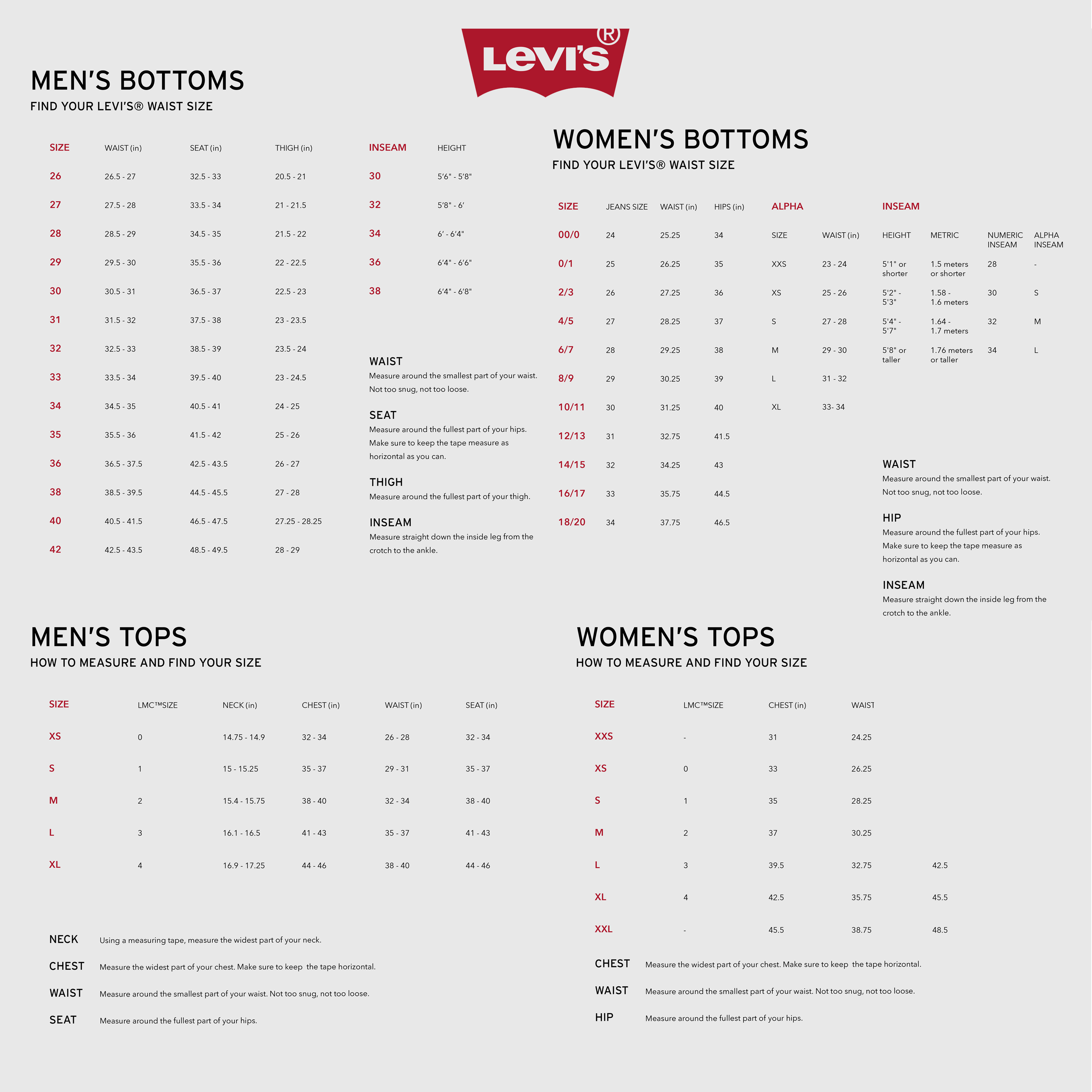
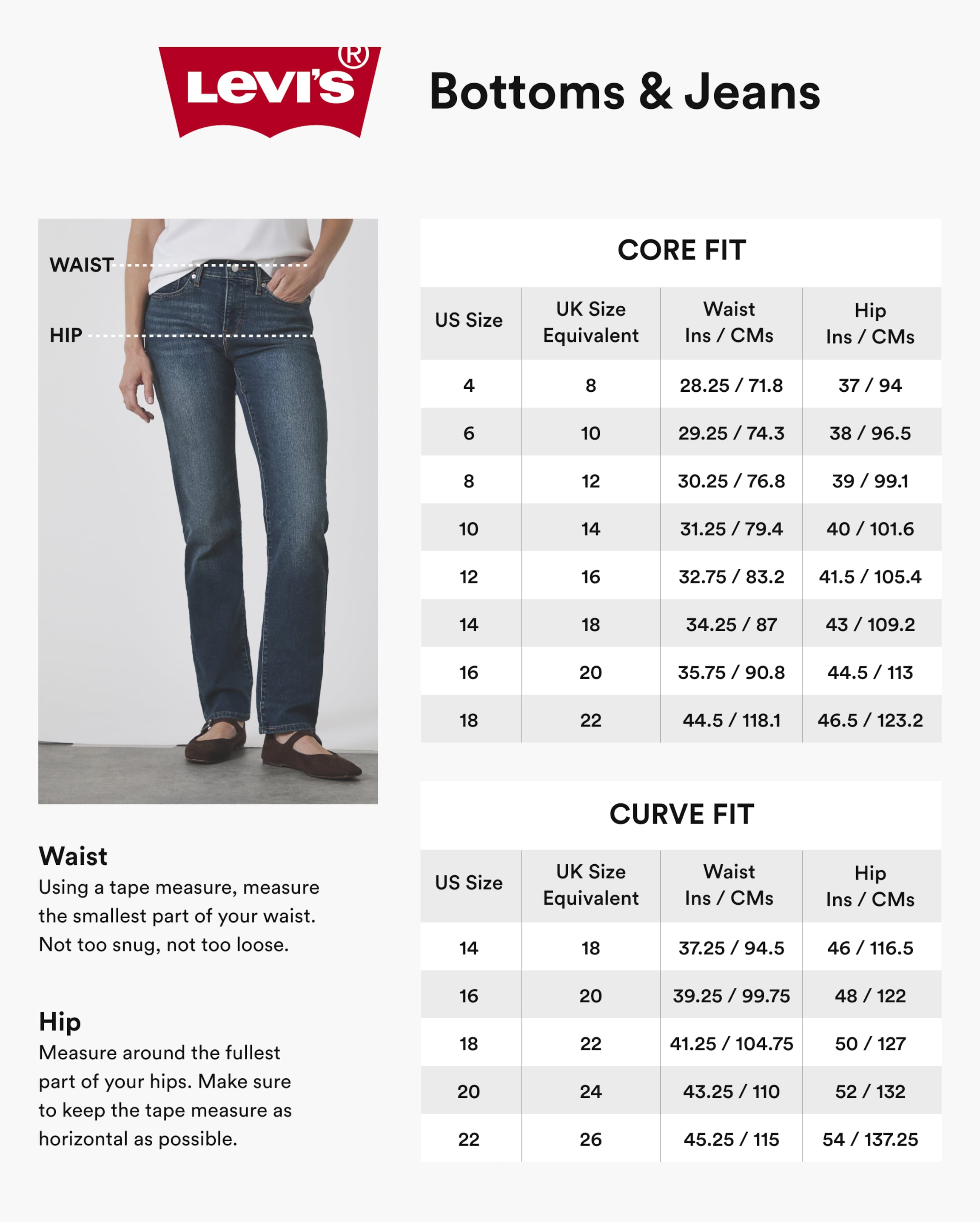
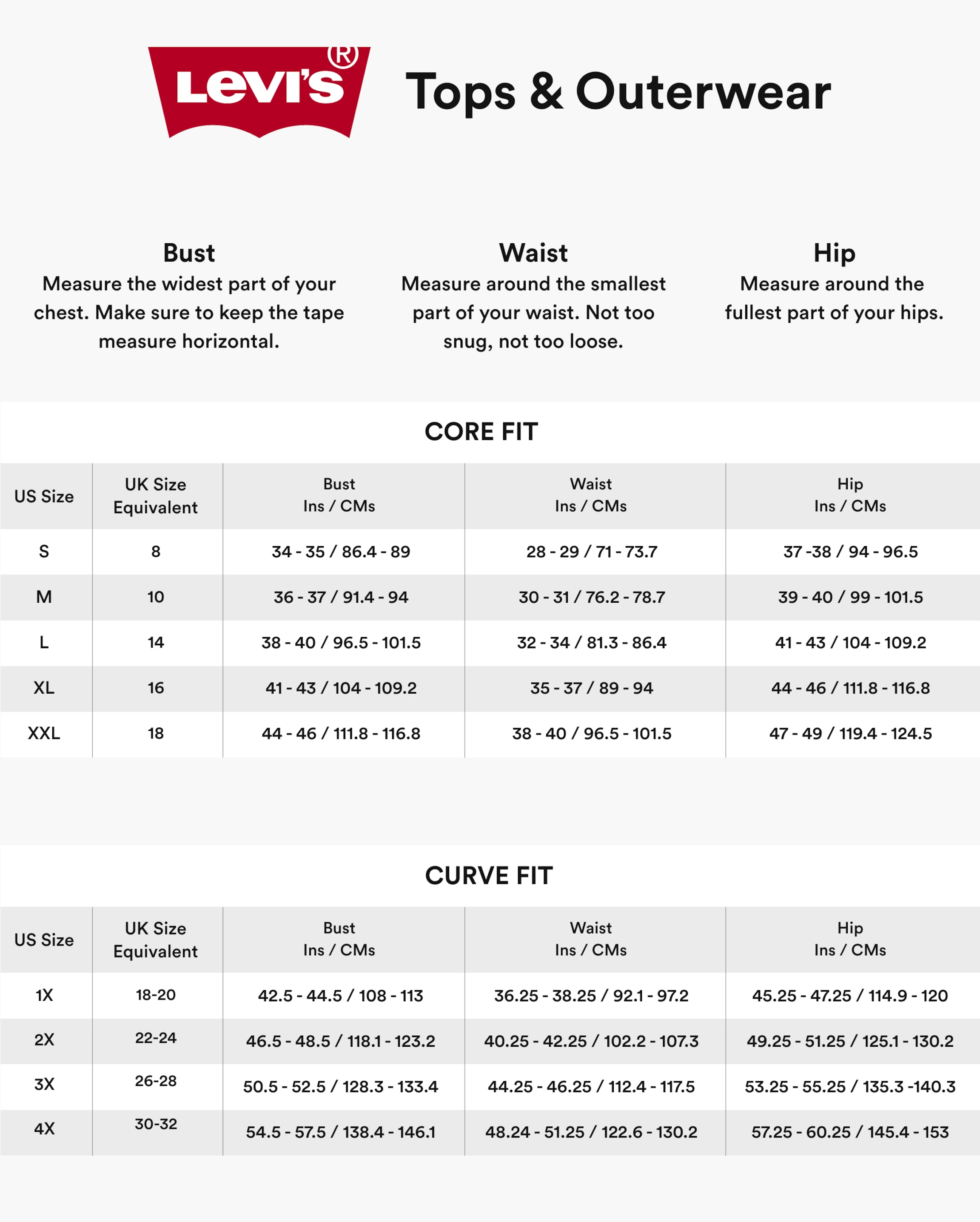
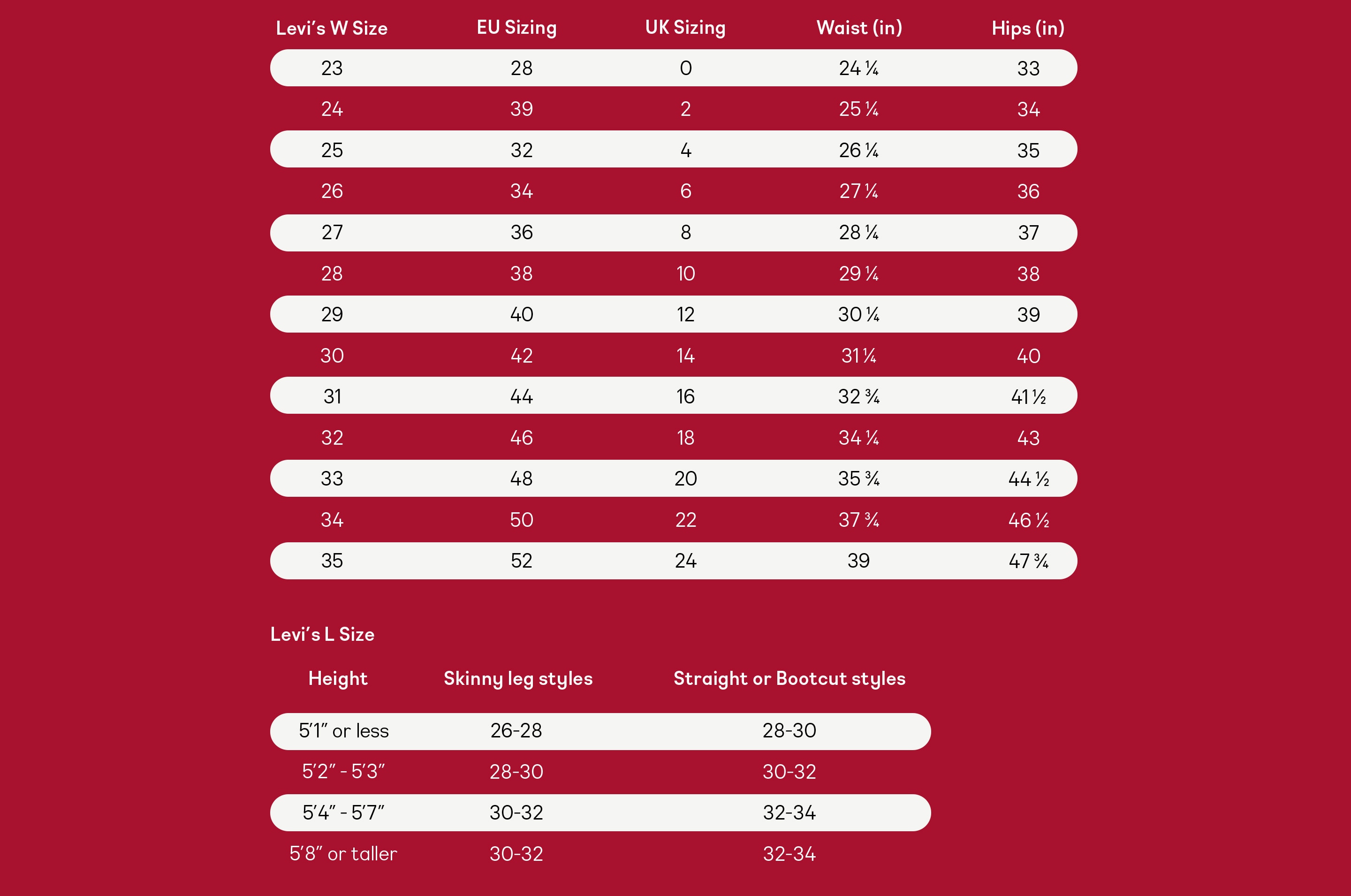
You're here because you need a quick solution, right? Well, if you're looking for a bold and reliable way to find your perfect Levi's fit, the Levi size chart is your go-to tool. It's a simple yet effective guide, offering a visual representation of sizes and measurements, making it easy to navigate. With just a glance, you can ensure you're getting the right size, whether it's for yourself or a gift. This chart is a handy reference, especially when you're in a rush and need a quick sizing solution.
Understanding the Levi Size Chart
The levi size chart is your go-to guide for finding the perfect fit in Levi's jeans and clothing. It's a simple tool to ensure you get the right size, whether you're shopping online or in-store. This chart provides measurements and size categories to help you choose the best fit for your body.
Standard Sizing Options
Levi's size chart follows a standard sizing system, typically based on waist size and inseam length. This means you'll find consistent sizing across their products, making it easier to find your fit. The chart usually includes categories like waist size (in inches or centimeters), inseam length, and sometimes additional measurements like hip and thigh circumference.
How to Use the Levi Size Chart: A Step-by-Step Guide
- Identify your waist size. This is the most critical measurement for jeans. Measure your waist at the point where you usually wear your pants, keeping the tape measure snug but not tight.
- Determine your inseam length. This is the distance from your crotch to the hem of your pants. You can measure this while wearing well-fitting pants or by standing against a wall and measuring the distance from your crotch to the floor.
- Refer to the levi size chart. Find your waist size and inseam length on the chart. The chart will provide you with the corresponding size, typically in numerical or alphabetical categories.
- Consider other measurements. If the chart offers additional measurements like hip or thigh circumference, you can use these to ensure an even better fit.
Common Misreadings and How to Avoid Them
One common mistake is assuming all brands use the same sizing standards. While Levi's size chart is consistent within their brand, sizes may vary across different brands and styles. Always double-check the specific size guide for the item you're interested in. Additionally, be mindful of the units used. Some charts may use inches, while others use centimeters. Ensure you're comparing like with like.
Factors Affecting Size Variations
Several factors can influence the accuracy of your size determination. First, body shape varies, and the chart provides a general guide. Second, the fit you prefer (e.g., slim, regular, or relaxed) can affect the size you choose. Lastly, the fabric and stretchiness of the material can impact the fit, so consider the fabric type when using the chart. Remember, the levi size chart is a helpful tool, but it's always a good idea to try on clothing to ensure the perfect fit.
Hey there! We hope you found this guide on the Levi size chart helpful and that it's made your sizing quest a little easier. Remember, when it comes to size charts, exact details can differ slightly, so always double-check the source and standard you're using.
We've got a bunch of other guides on various topics, so feel free to explore and discover more practical tips and tricks. Happy reading, and we hope to see you around!