


Kpop Coloring Pages Printable Overview
You're here because you need a quick solution, right? Well, a time table chart is your new best friend for getting organized. It's a simple yet powerful tool, a visual guide that keeps your schedule in check. This chart, whether for work or personal use, offers a clear overview of your daily, weekly, or even monthly plans. It's all about efficiency and staying on top of your to-dos. The beauty of it? Time table charts can be tailored to your needs, and they come in various formats, so you can find the perfect fit for your routine.
Time Table Chart: A Quick Overview
A time table chart is a visual tool that helps you organize and plan your time efficiently. It's like a map that guides you through your daily, weekly, or even monthly schedule. This chart is a great way to keep track of your tasks, appointments, and commitments, ensuring you make the most of your time.
Comparing Formats and Standards
There are various formats and standards for time table charts, depending on your needs and preferences. The most common ones include daily, weekly, and monthly layouts. Daily charts provide a detailed view of your schedule, often in hourly increments. Weekly charts offer a broader perspective, allowing you to see trends and patterns across the week. Monthly charts are great for long-term planning and goal setting.
Step-by-Step Guide: Creating and Using Your Time Table Chart
Here's a simple process to create and utilize your time table chart effectively:
Define your goals: Start by identifying what you want to achieve with your time table. Are you aiming for better time management, increased productivity, or a balanced daily routine?
Choose your format: Select the chart format that suits your needs. Daily charts are ideal for detailed planning, while weekly or monthly charts provide a broader overview.
Set up your categories: Decide on the categories or sections you want to include. Common categories include work, personal, exercise, meals, and downtime.
Fill in your schedule: Begin by entering fixed commitments, such as work hours or appointments. Then, allocate time for your other activities, ensuring you leave some flexibility for unexpected tasks.
Review and adjust: Regularly review your chart to ensure you're on track. Make adjustments as needed, especially if you find yourself consistently running late or not allocating enough time for certain tasks.
Avoiding Common Misreadings and Pitfalls
It's easy to misinterpret or overlook important details on a time table chart. Here are some tips to avoid common mistakes:
Pay attention to the scale: Ensure you understand the time increments on your chart. For example, a daily chart might have hourly intervals, while a weekly chart might use half-day blocks.
Check for overlaps: Be mindful of conflicting appointments or tasks. Double-check your chart to avoid scheduling clashes.
Allow for flexibility: While a time table chart provides structure, it's important to leave some room for unexpected tasks or changes. Don't over-commit yourself.
Factors Affecting Accuracy and Real-World Use
Several factors can impact the accuracy and effectiveness of your time table chart:
Personal preferences: Your chart should reflect your unique needs and preferences. Consider your work style, energy levels, and personal commitments when creating it.
Variability of tasks: Some tasks may take longer or shorter than expected. Be prepared to adjust your chart as you gain a better understanding of your task durations.
External factors: Unexpected events or changes in your environment can impact your schedule. Stay flexible and be ready to adapt your chart accordingly.
Personalizing Your Chart for Specific Needs
A time table chart can be tailored to suit your individual requirements. Here are some ideas to customize your chart:
Color-code your categories: Use different colors to distinguish between work, personal, and other categories. This visual cue can make your chart more engaging and easier to read.
Add notes and reminders: Include brief notes or reminders alongside your tasks. This can help you remember important details or provide context for your schedule.
Incorporate icons or symbols: Use simple icons or symbols to represent common activities or tasks. This can save space and make your chart more visually appealing.
Keeping Your Reference Reliable for Future Use
To ensure your time table chart remains a valuable tool, consider these tips for ongoing maintenance:
Regularly update your chart: As your schedule changes or you gain new insights, update your chart to reflect these adjustments.
Archive old charts: Keep a record of your past charts. This can help you identify patterns, see how your schedule has evolved, and make informed decisions for future planning.
Seek feedback: Ask for feedback from colleagues, friends, or family who use similar charts. Their insights can help you refine and improve your own chart.
Well, there you have it! A comprehensive guide to time table charts and their practical use. We've covered a lot of ground, from understanding the different options to avoiding common pitfalls and ensuring accuracy.
Remember, when it comes to these charts, context is key. Double-check your specific needs and requirements to ensure you're using the right format and setup. It's a simple step but an important one to ensure your time table chart serves its purpose effectively. So, before you go, take a moment to bookmark this page. It's a handy reference to have on hand, and you never know when you might need a quick reminder or a refresh on these practical tips.
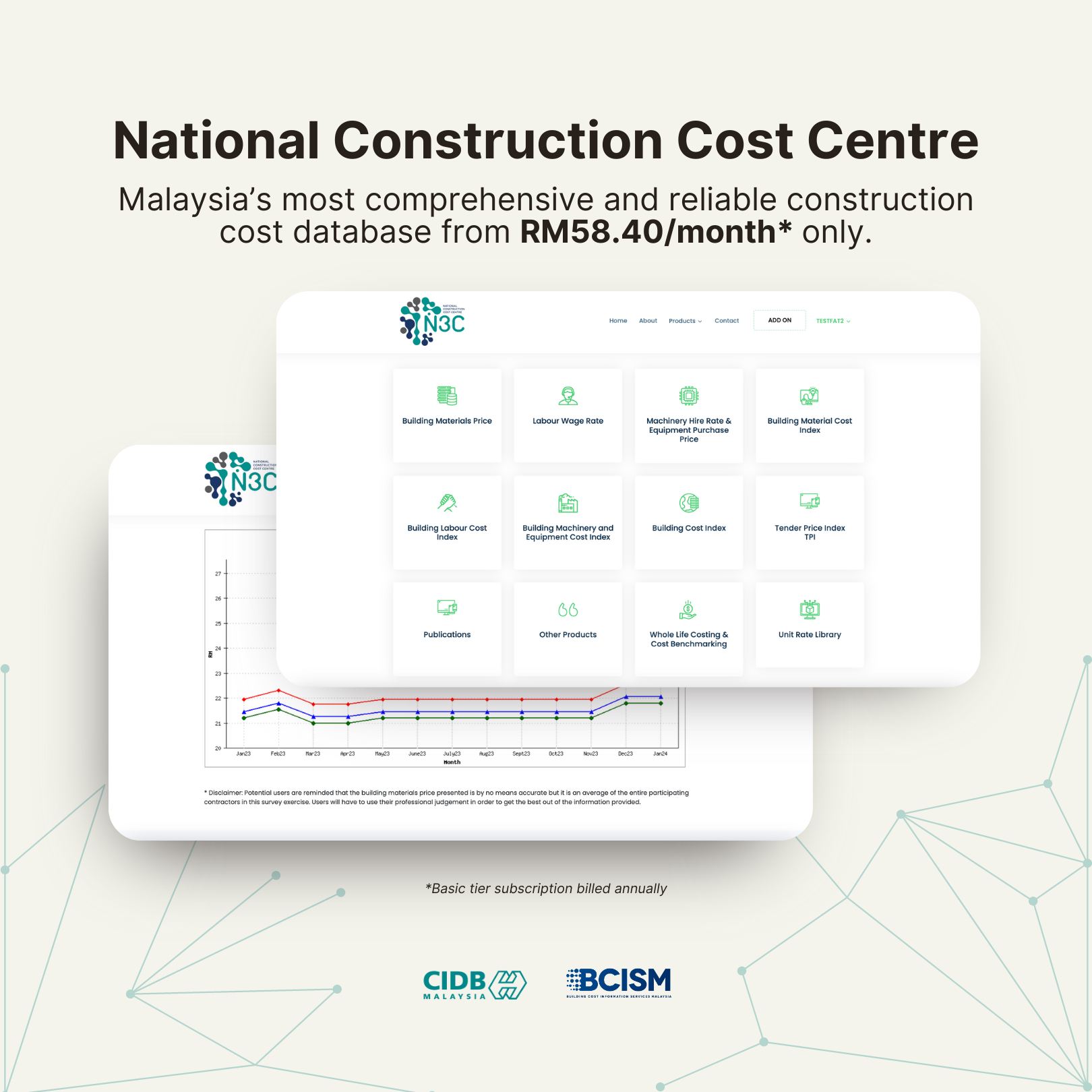
Related: Construction Cost Database Essential Guide
I've been thinking about doing some home renovations lately, and one thing that's been on my mind is how to budget and plan for the costs. That's when I stumbled upon the construction cost database - a handy tool that seems like it could really help me out. So, I did some digging and here's what I found...
Understanding Construction Costs
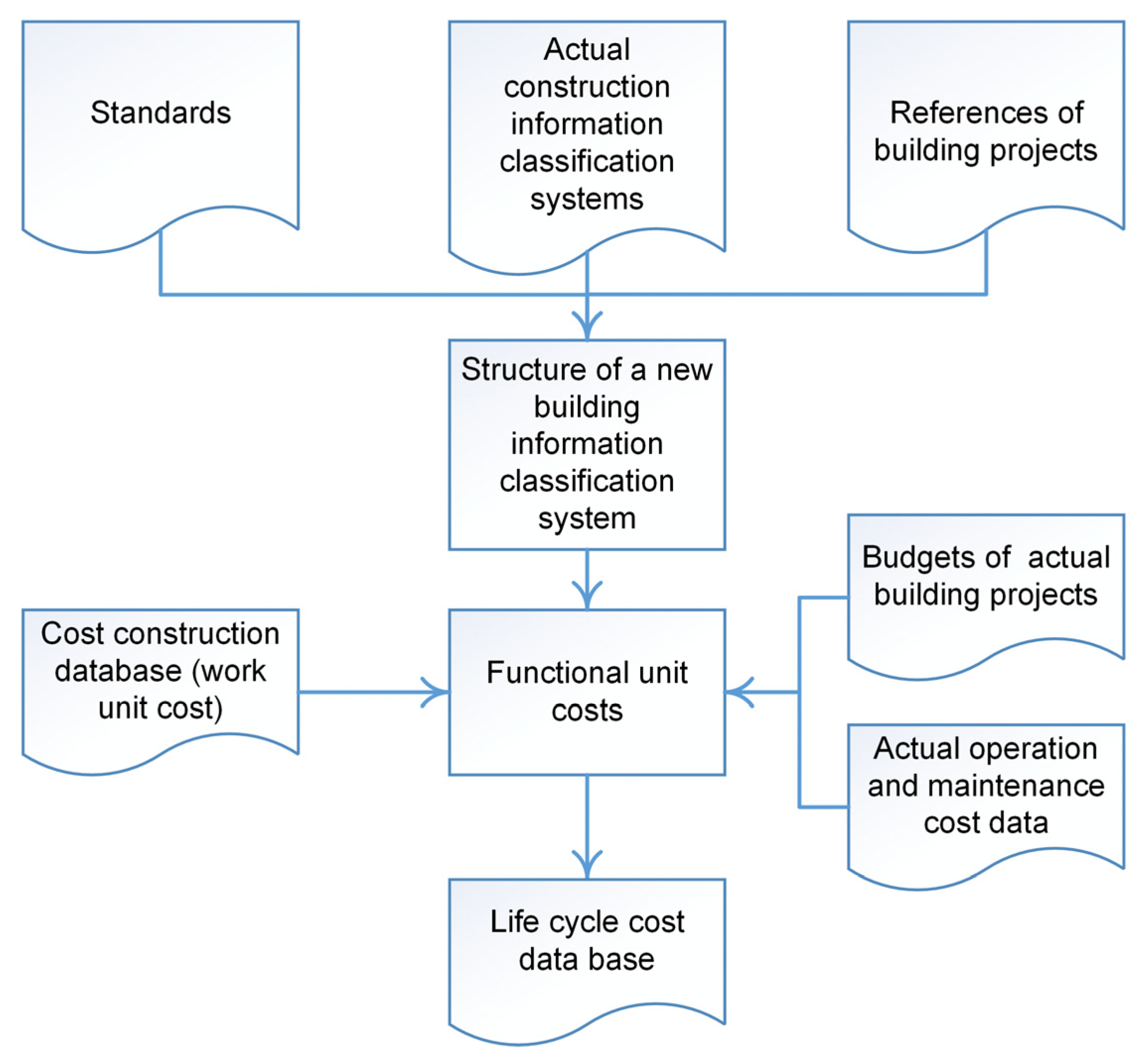
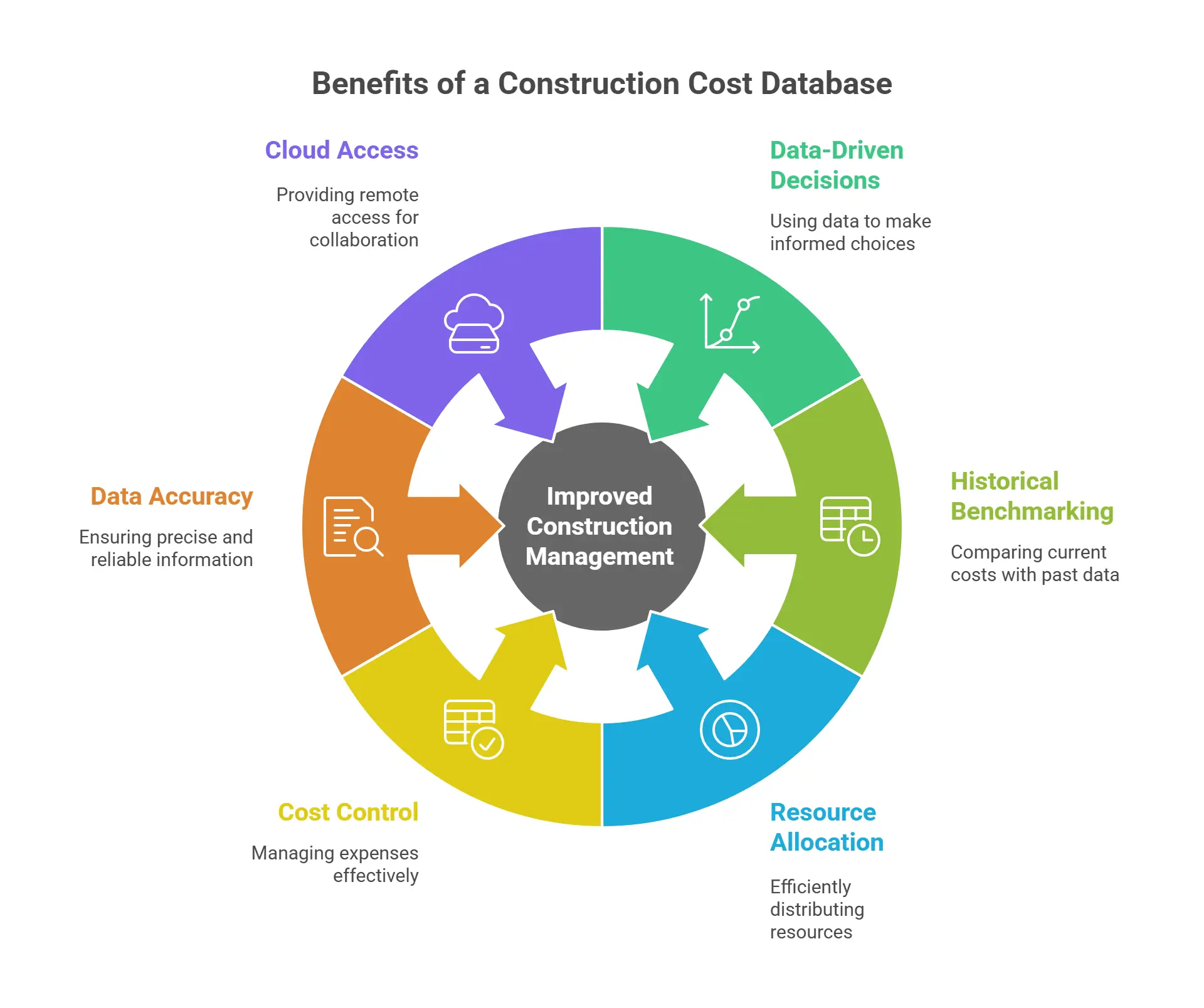
A construction cost database is like a big, detailed library of information about building and renovation costs. It's a resource that construction companies, contractors, and even homeowners like me can use to get a better idea of what projects might cost. This database covers all sorts of construction work, from new builds to remodels and everything in between.
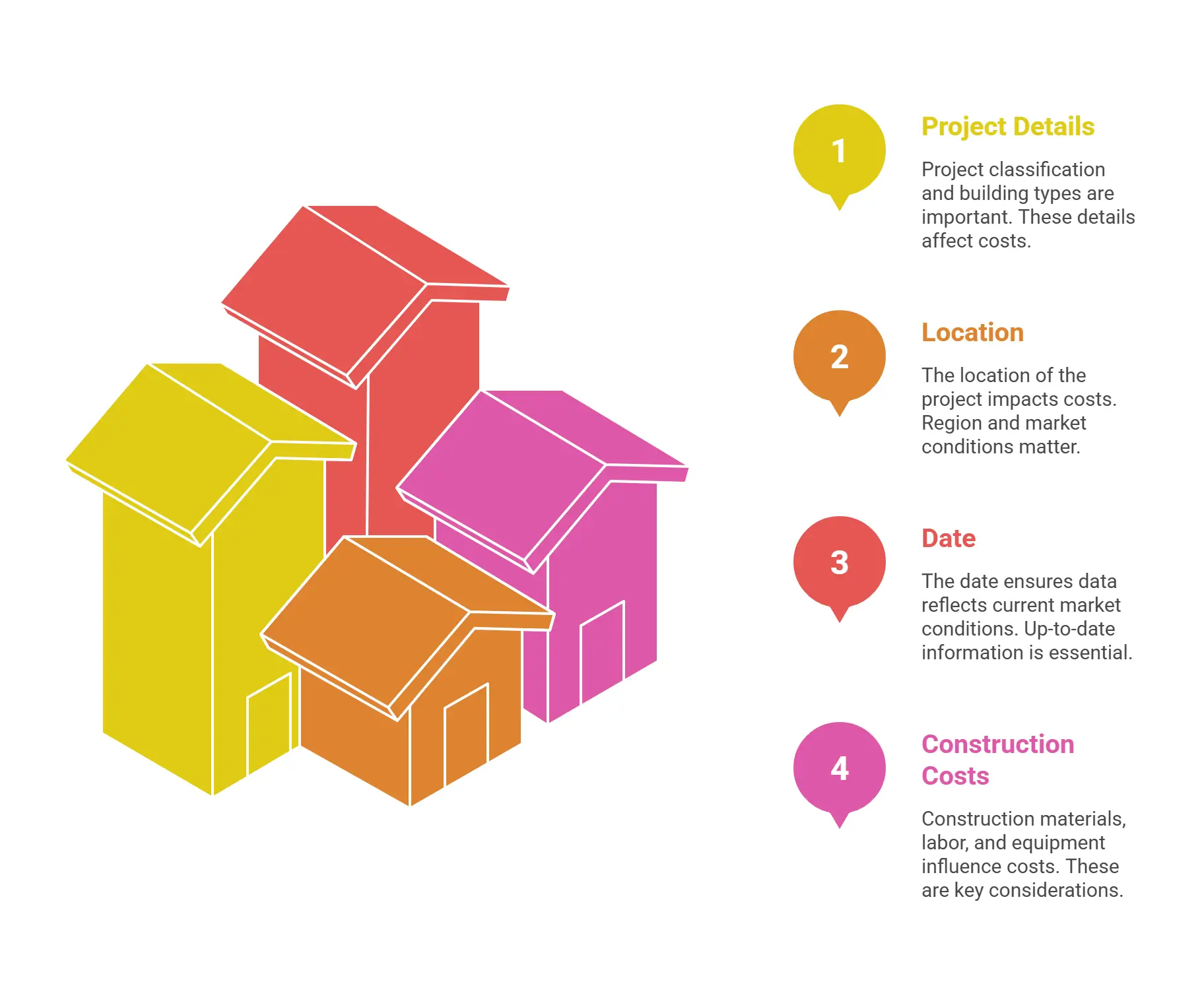
The beauty of it is that it provides estimates for different types of work, like installing a new roof, adding a room, or even just painting a wall. It takes into account things like the size of the project, the materials needed, and even the location, which can affect costs. So, it's a great way to get a rough idea of what you might be looking at financially before you even start a project.
Finding the Right Contractor
When it comes to hiring a contractor, the construction cost database can be a real lifesaver. It can help you compare quotes and ensure you're getting a fair deal. You see, contractors will often use these databases to estimate their quotes, so if you have access to the same info, you can better understand the costs they're quoting you.
Before hiring, make sure to check their references, ask about their experience with similar projects, and get a detailed breakdown of the costs. A good quote will cover all the bases, from labor to materials, and will give you a clear idea of any potential extra costs that might come up.
Company Names and the Industry
In the construction world, company names can be a bit of a giveaway about what they do. Often, you'll see names that are straightforward and to the point, like "Atlanta Building Solutions" or "Helena Home Renovations". These names are easy to remember and give a clear indication of the services offered.
If you're thinking of starting a construction business, choosing a name is an important step. It needs to be unique, memorable, and reflect the services you provide. Some fun examples could be "Build-it-Right Construction", "Hammer & Nail Builders", or "Renovate & Revive". Just remember to check the availability of the name and secure the relevant registrations and domains.
Jobs and Opportunities
The construction industry offers a wide range of jobs, from general contractors and estimators to project managers and specialists in various trades. These roles can vary greatly in terms of responsibility and salary, depending on experience and the size of the company.
If you're interested in construction jobs, you'll likely find opportunities advertised online, through job boards, and even on company websites. It's a good idea to keep an eye on these platforms and to tailor your resume and cover letter to the specific role and company you're applying for.
Industry Tools and Insights
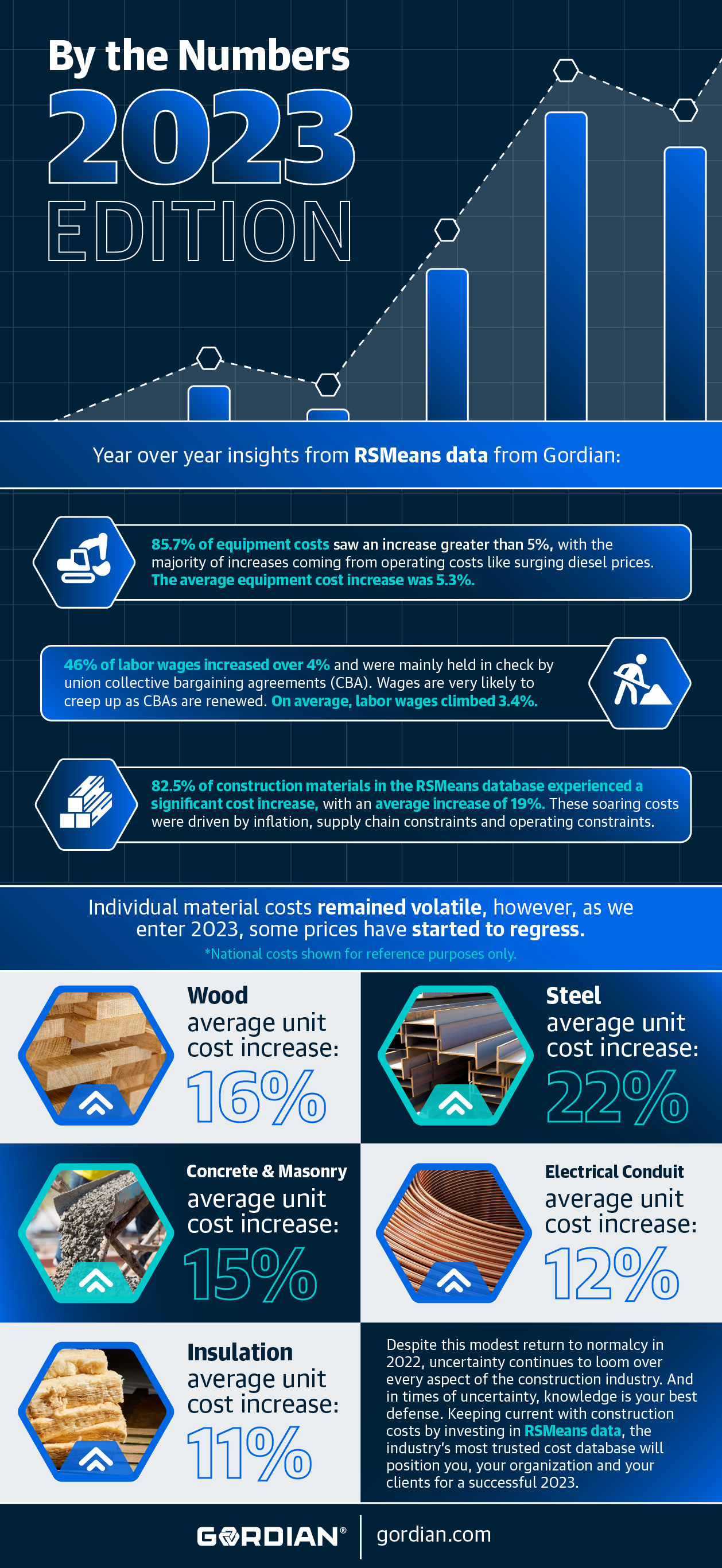
Tools like RSMeans are popular in the construction industry and are essentially detailed cost databases. These tools are used by professionals to estimate costs accurately and efficiently. They provide valuable insights into the costs of different materials, labor, and even the potential impact of economic factors on a project.
Having access to these tools can be a real advantage, especially for larger construction companies. It allows them to provide accurate quotes and plan projects effectively. For homeowners, it's a great way to get a realistic idea of what your renovation might cost.
Big Players and the Industry
The construction industry is diverse, with companies of all sizes. The big players often have the advantage of economies of scale, allowing them to take on larger projects and offer more specialized services. They might have access to better resources, like advanced cost databases and tools, which can give them an edge in the market.
However, smaller companies can offer a more personalized service and often have a strong local presence. It's a balance between size and specialization, and both types of companies play a vital role in the industry.
So, there you have it! The construction cost database is a valuable resource for anyone involved in construction, whether you're a homeowner, a contractor, or a company owner. It's a great way to get a handle on costs and plan effectively.
Related: How to Read a Flute Finger Chart Easily
Many beginners in the flute world often assume that a flute finger chart is some mysterious, complex tool, but it's actually a simple and incredibly useful reference guide. This chart is your go-to resource, offering a clear visual representation of finger placements for different notes. It's like having a secret code to unlock the flute's potential, and it's much easier to grasp than you might think! While there are variations in fingerings across different flute types and styles, the basic concept remains the same.
The Flute Finger Chart: A Visual Guide to Playing the Flute
The flute finger chart is an essential tool for any flute player, offering a visual representation of the finger positions needed to produce different notes. This chart serves as a quick reference, helping players navigate the complex world of flute fingerings. It's like a map for your fingers, guiding you to the right spots to create beautiful music.
Key Details and Categories
Before diving into the chart, it's crucial to understand some basics. The flute finger chart typically displays finger positions for a standard transverse flute, which is the most common type. It shows the placement of fingers on the flute's keys, with each key corresponding to a specific note. The chart often includes a legend or key, explaining the symbols or colors used to represent different fingers. You'll find categories for the left and right hands, as well as specific finger positions for each note.
Reading and Applying the Chart: A Step-by-Step Guide
Start by familiarizing yourself with the chart's layout. Identify the sections for the left and right hands, and understand the symbols or colors used to represent each finger.
Locate the note you want to play on the chart. Each note will have a corresponding finger position, indicated by the symbols or colors.
Place your fingers on the flute's keys according to the chart. Ensure a comfortable and relaxed hand position, with your fingers curved slightly and resting on the keys.
Practice moving between different notes, following the finger positions on the chart. Pay attention to the transitions and ensure a smooth flow between notes.
As you become more familiar with the chart, you can start experimenting with different fingerings for the same note. Some notes have multiple fingerings, offering variations in tone or ease of playing.
Understanding Variations and Differences
It's important to note that flute finger charts can vary slightly depending on the standard or region. While the basic finger positions remain consistent, there might be minor differences in the exact placement or the inclusion of alternative fingerings. Additionally, some charts might cater to specific flute models or styles, so it's essential to choose a chart that aligns with your flute type.
Common Mistakes and How to Avoid Them
One common mistake is relying solely on the chart without developing a sense of muscle memory. It's crucial to practice regularly, internalizing the finger positions and their corresponding notes. Another pitfall is neglecting proper hand and finger placement. Ensure your hands are positioned comfortably and naturally, avoiding tension or strain. Additionally, be mindful of the angle and pressure applied to the keys, as this can affect the sound and accuracy of your playing. Finally, always refer to the chart as a guide, but don't be afraid to explore and experiment with your own fingerings to find what works best for your playing style.
Well, there you have it! A flute finger chart is a handy tool to have in your musical arsenal. Remember, the specifics might shift a little based on your instrument and the context, so always double-check and adapt as needed.
Feel free to explore our other guides for more musical adventures and tips. We've got a whole collection of resources to keep your musical journey exciting and informative!