



Lesson Plan Template For University Students Overview
You've got your steak cuts chart at hand, ready to navigate the world of beef cuts with ease. This handy reference tool is a lifesaver for any cooking enthusiast, offering a quick glance at the various cuts and their unique characteristics. The steak cuts chart provides a simple visual guide, ensuring you choose the right cut for your culinary creation. While formats may vary, the essence remains the same: a practical tool to elevate your steak game.
A Practical Guide to Understanding the Steak Cuts Chart
The steak cuts chart is your go-to reference for all things steak-related. It's a visual guide that helps you navigate the world of steak cuts, making it easier to choose the perfect cut for your culinary adventures. This chart is a valuable tool for both beginners and experienced cooks.
Comparing Steak Cuts: Standard Sizes and Popular Variations
The steak cuts chart typically displays different cuts of beef, organized by their names and standard sizes. You'll find classic cuts like ribeye, sirloin, and tenderloin, each with its own unique characteristics. These charts often follow regional or industry standards, so you might see variations in measurements or names depending on where you are. For instance, a ribeye steak can range from 1 to 1.5 inches thick, but some charts may specify a slightly different thickness.
How to Use the Steak Cuts Chart: A Step-by-Step Guide
Start by identifying the type of steak you want to cook. The chart will provide a visual representation of each cut, making it easy to recognize.
Check the thickness or weight of the steak. This information is crucial for cooking times and methods. Most charts will give a standard range, but always double-check the exact specifications on the package or with your butcher.
Consider the fat content and marbling. Some charts will indicate the amount of fat, which can impact the flavor and juiciness of your steak.
Choose the right cut for your cooking method. Different cuts are better suited for grilling, pan-searing, or slow cooking. The chart can guide you on which cuts work best for your preferred cooking style.
Avoiding Missteps: Common Pitfalls and How to Avoid Them
While the steak cuts chart is a fantastic resource, it's essential to be aware of potential variations. Always remember that charts might not cover every single cut or variation. For instance, some specialty butchers may offer unique cuts with different names or sizes. Additionally, cooking times and methods can vary based on personal preference and the specific cut's thickness. It's always a good idea to consult multiple sources or ask your butcher for advice to ensure you're getting the best cut for your needs.
Well, that's a wrap on our steak cuts chart adventure! We've covered a lot of ground, from understanding the different cuts to learning how to use our handy guide. Now you're equipped with the knowledge to make informed choices and impress your steak-loving friends.
Remember, while this chart is a great tool, it's always wise to double-check the specifics for your region or personal preferences. Exact values might vary, so it's good to be aware of any local standards or your own unique requirements. Consider bookmarking this page for future steak adventures—it'll be a lifesaver when you need a quick refresh!
Related: What is an AWG Size Chart?
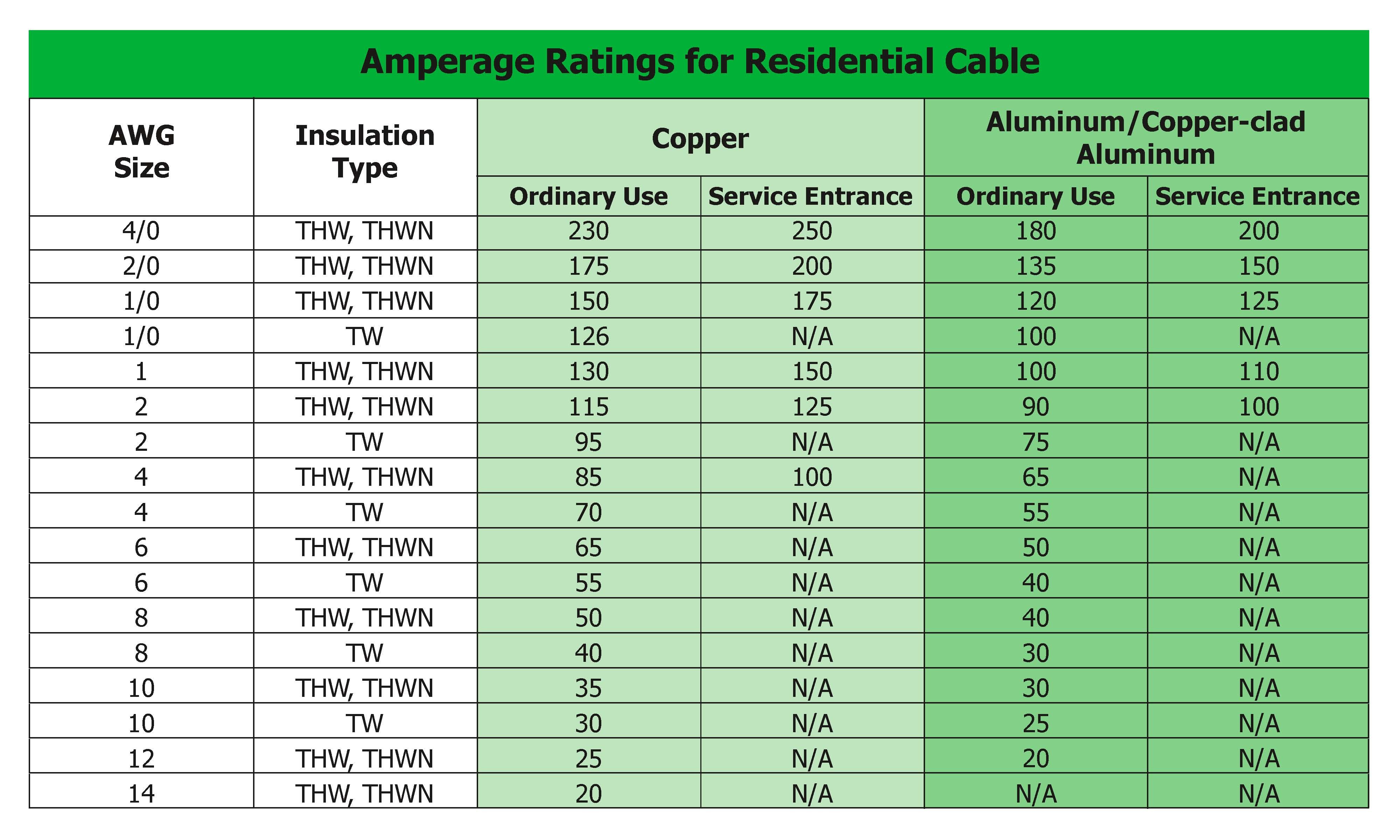
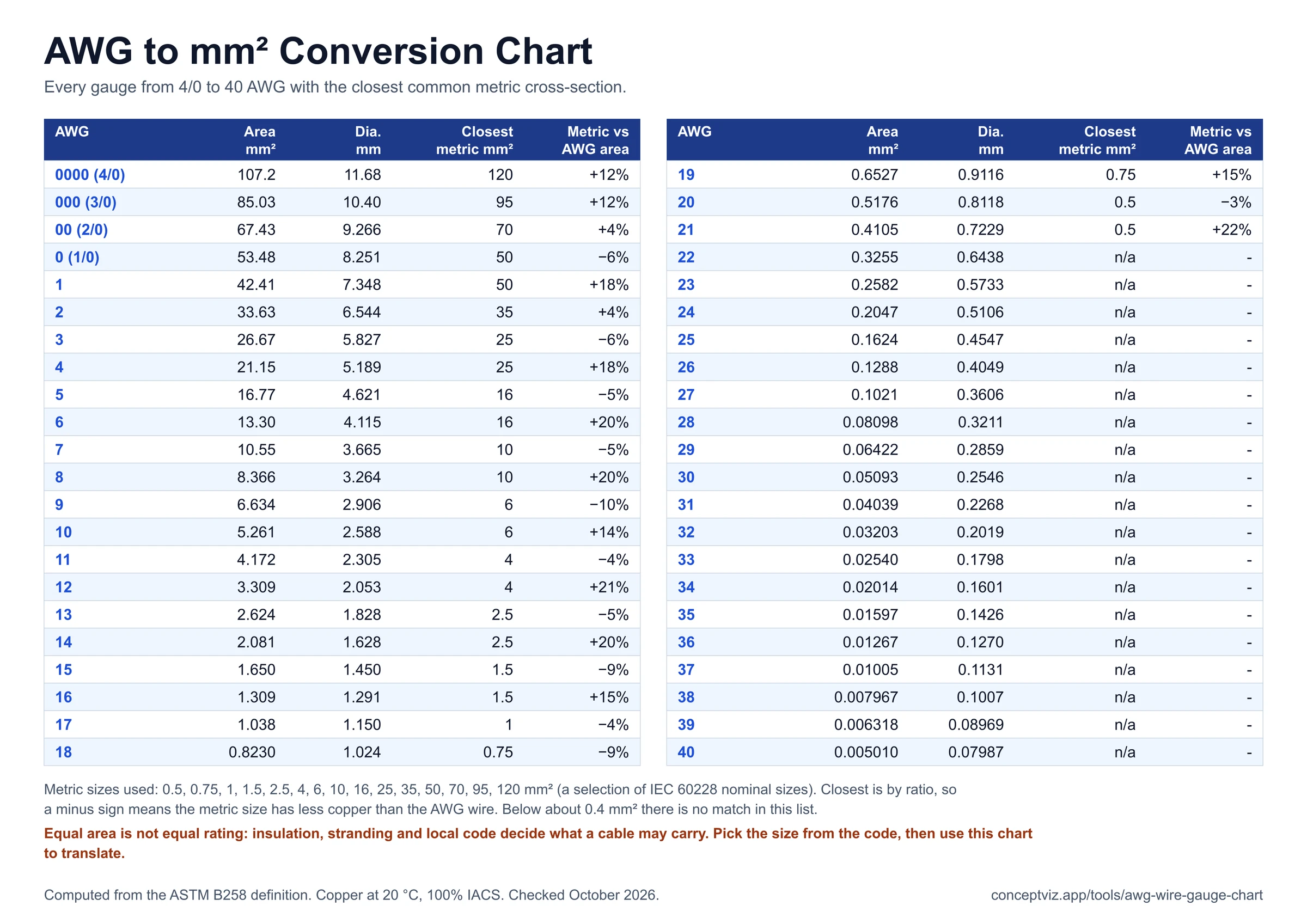
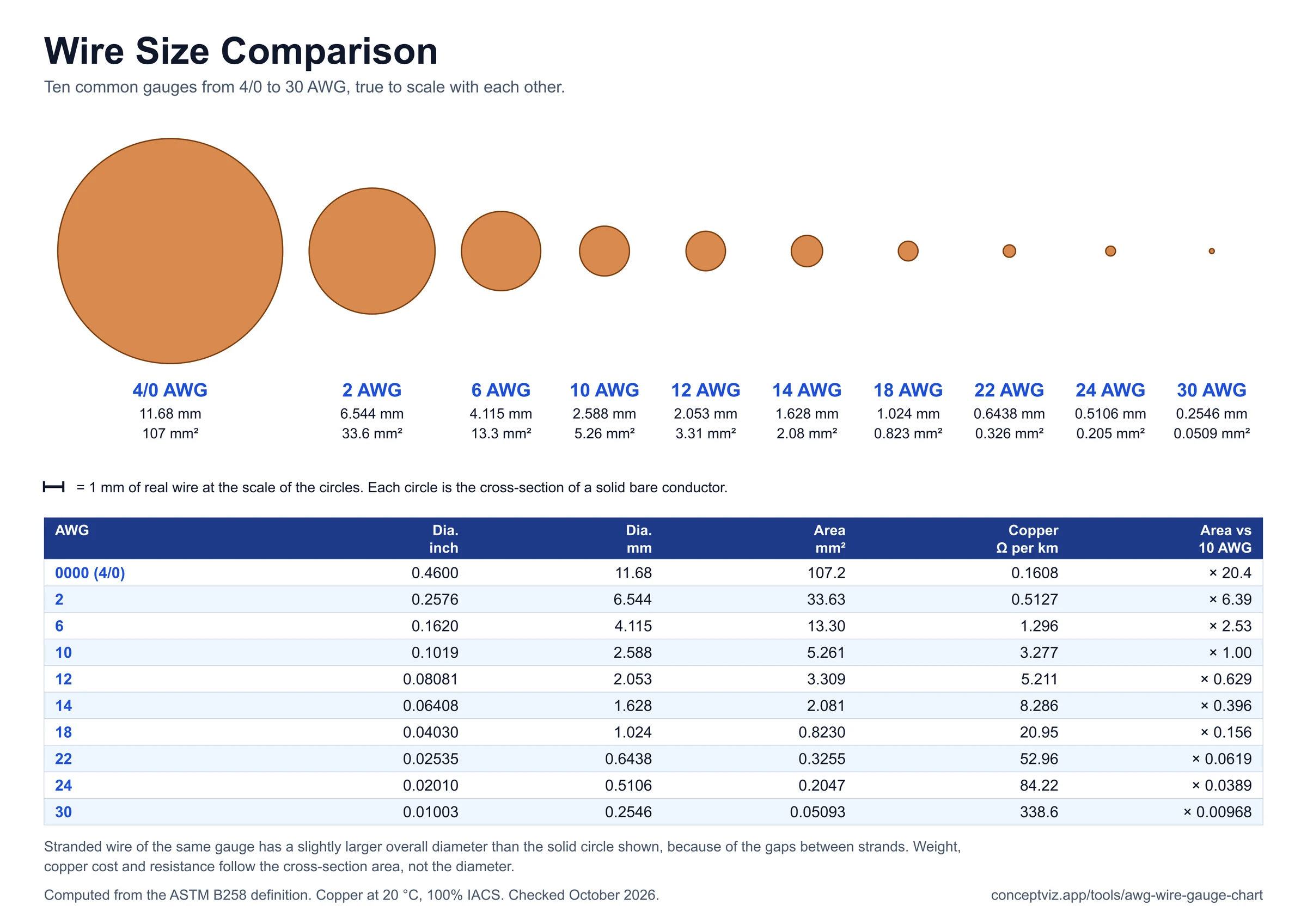
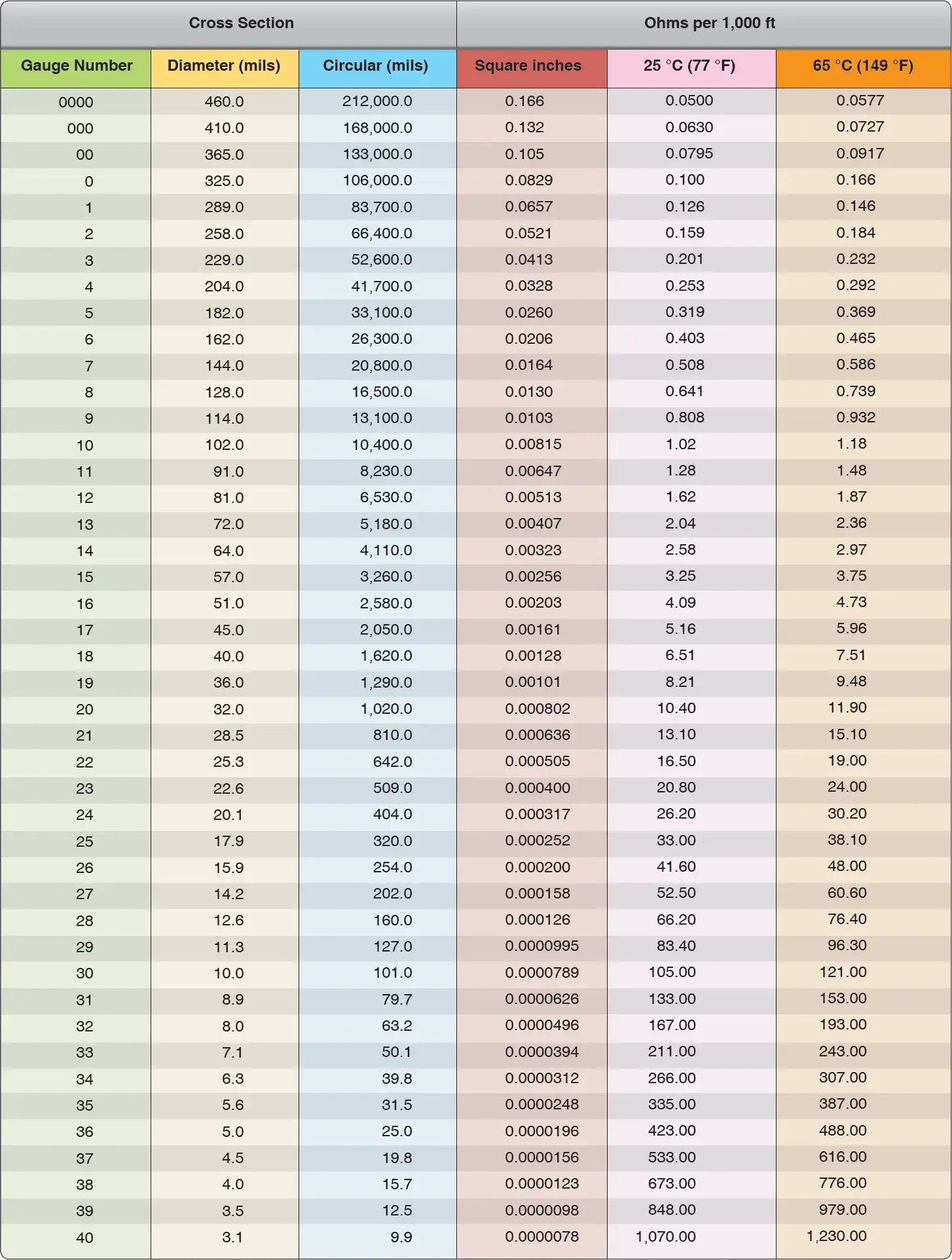
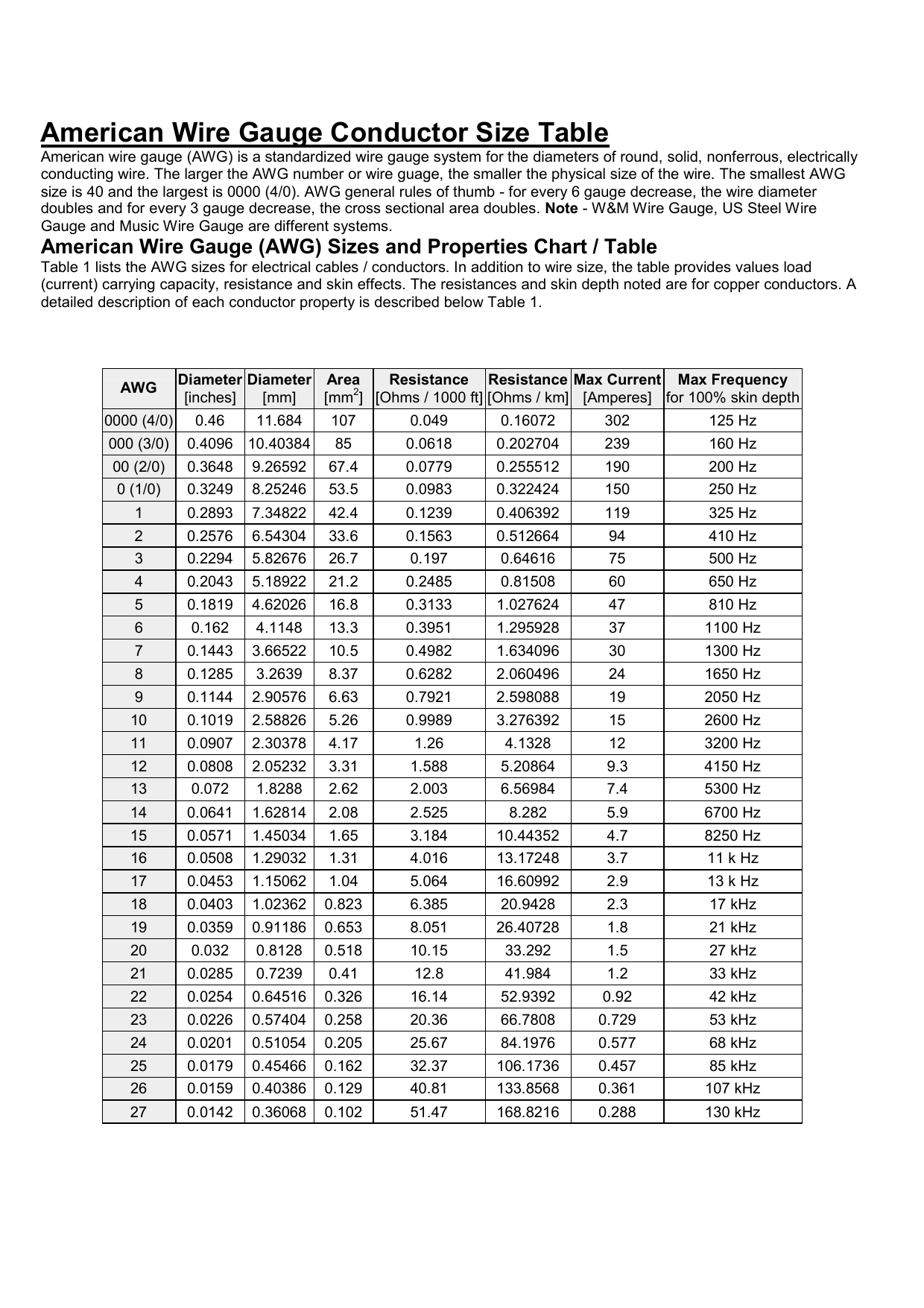
A common misconception about the AWG size chart is that it's a complex, mysterious tool, but it's actually a simple and practical reference guide. This chart, often referred to as the American Wire Gauge or wire size chart, is your go-to for quickly finding wire dimensions and properties. It's not as daunting as it may seem; the AWG size chart is a straightforward visual aid, ensuring you select the right wire size for your electrical projects.
Understanding the AWG Size Chart
The AWG (American Wire Gauge) size chart is a handy reference tool for anyone working with electrical wiring. It provides a standardized way to determine the size and characteristics of different wires, making it an essential guide for electrical installations and projects. This chart offers a quick and reliable method to identify wire sizes, ensuring accurate selections for various applications.
Comparing AWG Standards and Formats
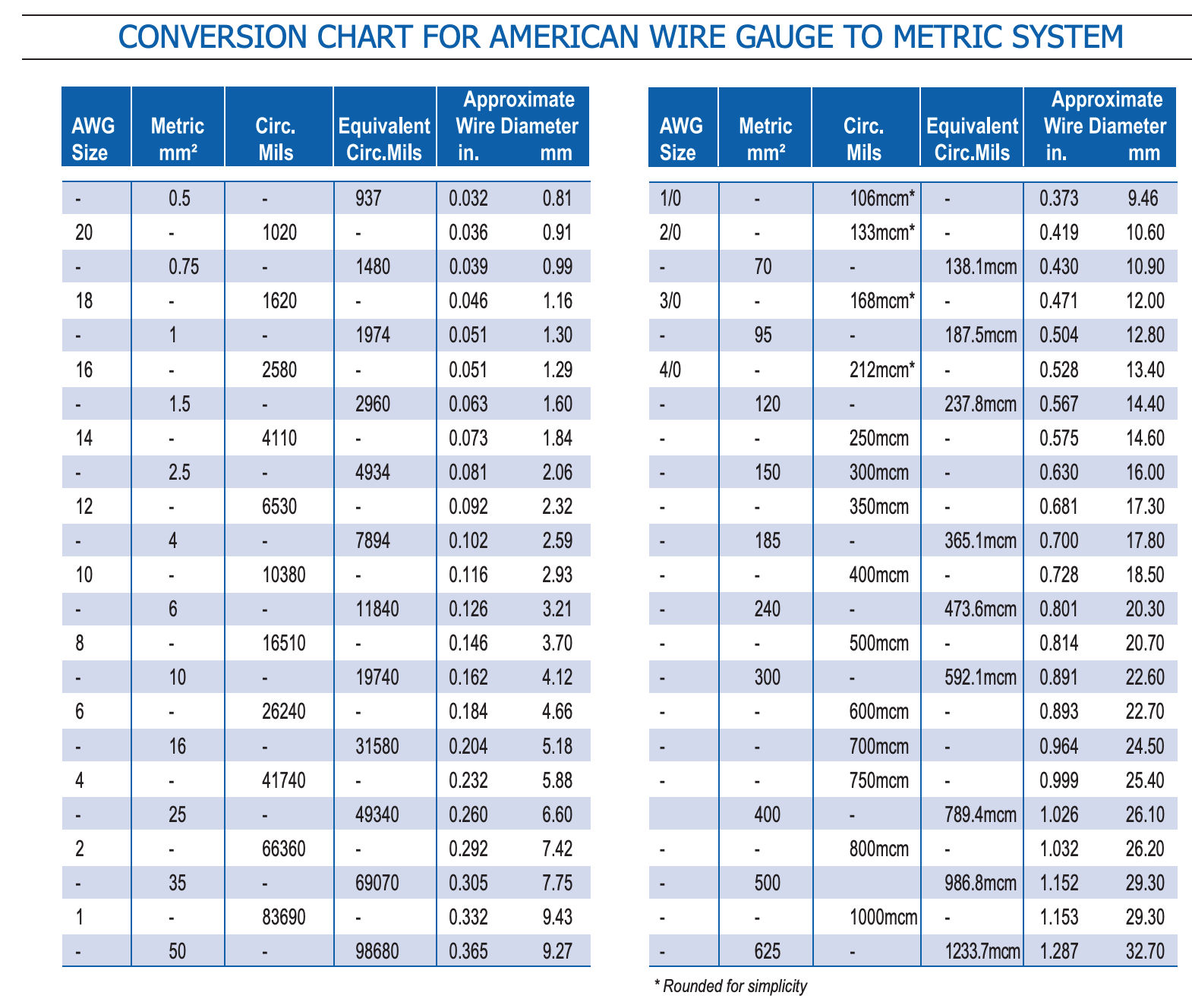
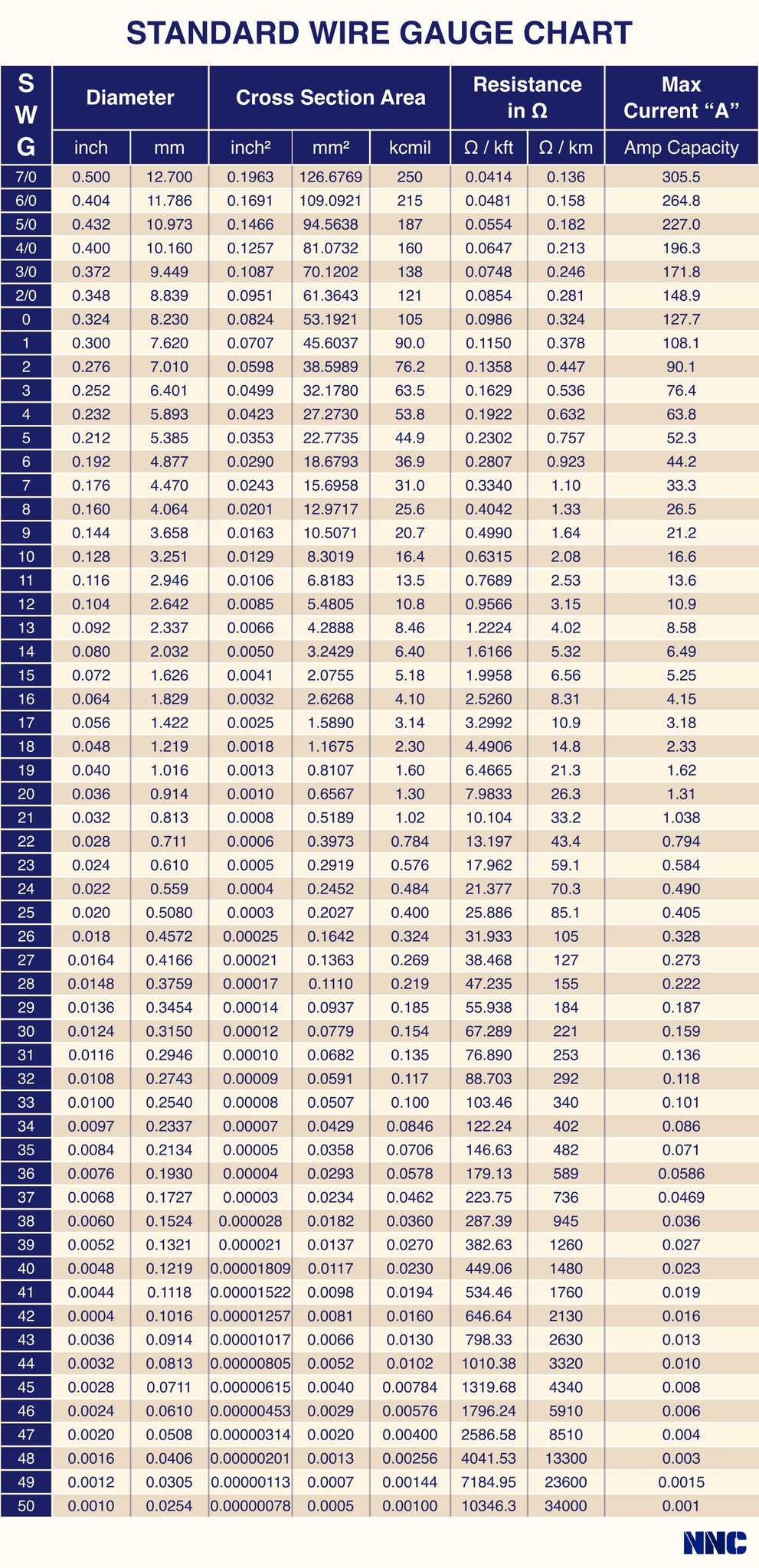
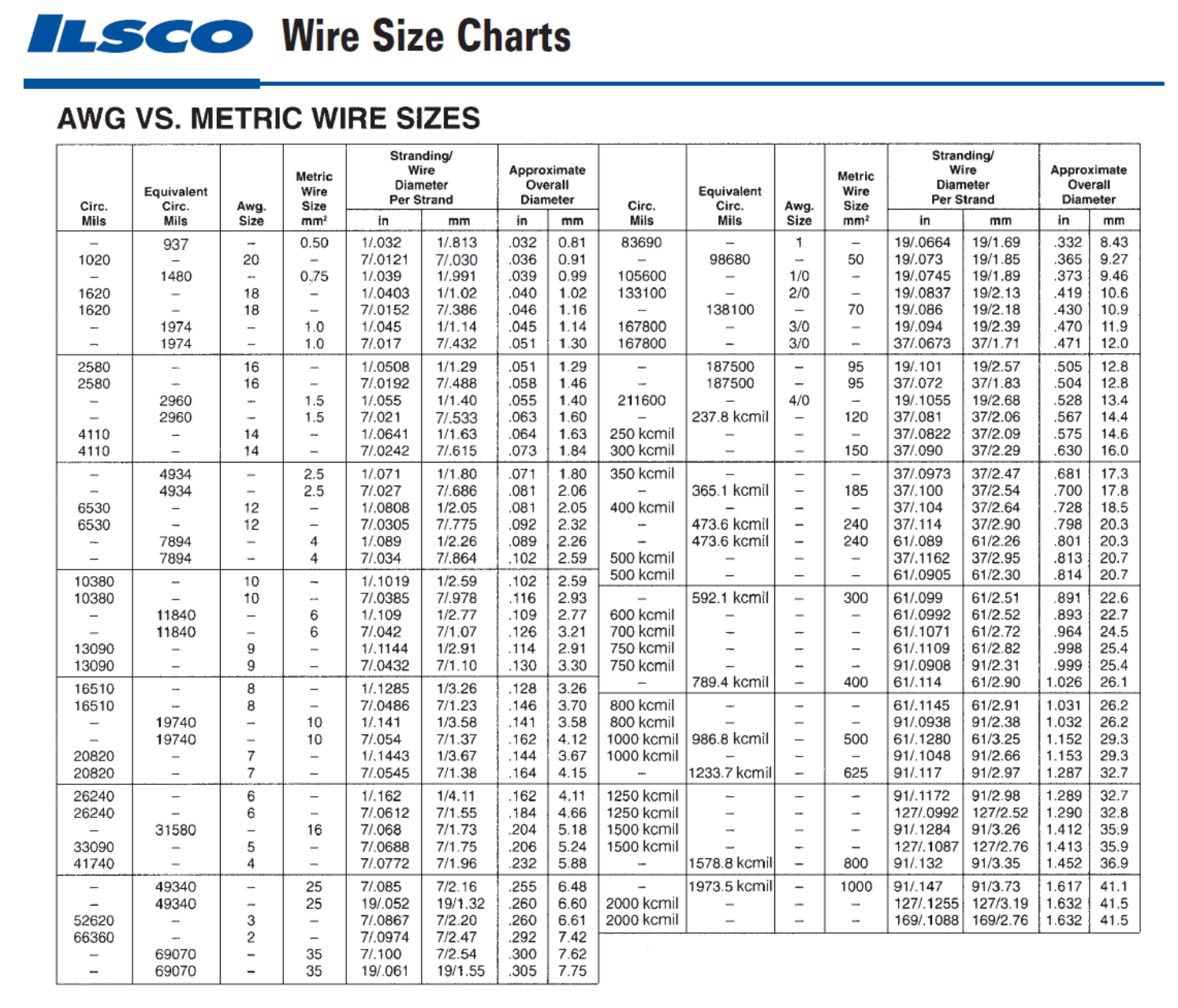
AWG charts can vary depending on the standard being followed. While the American AWG system is widely used, there are also international or metric wire gauge systems. These different standards may have slight variations in measurements and categories, so it's crucial to use the right chart for your specific region or project requirements.
Step-by-Step Guide to Reading Wire Sizes
When using an AWG size chart, follow these simple steps:
Identify the wire gauge you need for your project. This is usually specified by the electrical equipment or component you're working with.
Locate the gauge on the chart. AWG charts typically list wire gauges in ascending or descending order, making it easy to find the right one.
Read the corresponding wire diameter and other relevant data, such as cross-sectional area and current-carrying capacity. These values are essential for ensuring the wire can handle the electrical load and fit the intended application.
Compare the wire's characteristics with your project's requirements. Make sure the wire's diameter and other specifications meet the necessary standards and safety guidelines.
Common Misreadings and How to Avoid Them
One common mistake when using an AWG size chart is assuming that wire gauge and diameter are the same. While the gauge number is a convenient way to identify wire size, it doesn't directly correspond to the physical diameter. Always refer to the chart to get the accurate diameter measurement.
Another pitfall is using an outdated or incorrect chart. Ensure you have the most recent version of the AWG chart, as standards and specifications can change over time.
Factors Affecting Accuracy and Real-World Use
The accuracy of an AWG size chart depends on several factors. Firstly, the chart's reliability is based on the precision of the measurements and the adherence to the chosen standard. Secondly, real-world applications may have specific requirements or tolerances that need to be considered. For instance, high-current applications might require thicker wires than what is typically recommended by the chart. Always refer to the exact specifications for your project to ensure safety and performance.
Choosing the Right AWG Format for Your Needs
Different projects and applications may require variations of the AWG size chart. For instance, some charts provide more detailed information on wire resistance or temperature ratings, which can be crucial for specialized projects. Other charts might focus on common wire applications, offering simplified data for everyday use. Choose the format that best suits your specific needs and project requirements.
Keeping Your Reference Reliable for Future Use
To ensure your AWG size chart remains a reliable reference, consider the following:
Regularly update your chart to the latest version, especially if you work on various projects with different standards.
Store your chart in a safe and easily accessible place, ensuring it's always available when needed.
If you frequently work with wires and cables, consider investing in a durable, laminated chart that can withstand regular use.
For digital versions, keep the file backed up and easily retrievable, ensuring you always have access to the latest data.
Hey there! I hope this AWG size chart guide has been helpful and given you a solid understanding of the topic. Remember, while the basics remain the same, the exact details can vary slightly, so it's always good to double-check the specific standards or sources you're working with.
If you're keen to explore more practical guides and resources, feel free to browse around the site. We've got a range of topics covered, so you might just find something else that piques your interest and makes your life a little easier. Happy learning, and see you around!
Related: Link Seal Chart: Your Simple Reference Guide
You're probably familiar with the link seal chart, a handy reference tool for anyone working with seals and their applications. It's a simple yet effective visual guide, offering a quick and reliable way to understand seal measurements and types. This chart, with its clear layout, provides an efficient solution for those seeking precise information without the need for extensive research. While the values and formats may vary depending on certain factors, the link seal chart serves as a valuable starting point, ensuring you have the right data at your fingertips.
Link Seal Chart: Unlocking the Secrets of Effective Sealing
The link seal chart is a valuable tool for anyone involved in construction, engineering, or industries requiring precise sealing solutions. This reference guide provides a clear understanding of the various seal types, their dimensions, and their applications. By using the link seal diagram, you can make informed decisions and ensure successful installations.
Key Measurements and Categories
The chart presents a comprehensive overview of standard link seal dimensions, offering a quick reference for professionals. It typically includes columns indicating the seal type, its size or diameter, and other relevant specifications. Common seal types, such as single, double, or triple-link seals, are categorized and measured in inches or millimeters, depending on the standard being used. Each seal type has its unique characteristics and is designed for specific purposes.
Understanding the Chart: A Step-by-Step Guide
Reading the link seal chart is straightforward. First, identify the seal type you require for your project. The chart will provide a range of options, each with its own set of dimensions. Pay close attention to the seal's diameter, as this is a critical measurement for proper installation. Additionally, the chart may offer insights into the seal's material, which is essential for compatibility and durability considerations.
Here's a simple step-by-step process:
- Identify the seal type needed.
- Locate the seal on the chart and note its diameter.
- Check the material and ensure it aligns with your project requirements.
- Cross-reference with industry standards or manufacturer specifications for any specific tolerances or additional details.
Seal Variations and Practical Tips
While the link seal chart provides a valuable framework, variations can occur due to industry standards, regional differences, and specific use cases. It's essential to be aware of these potential discrepancies. Here are some key factors to consider:
- Standard link seal dimensions may differ slightly between regions, so always double-check the relevant standards for your location.
- Manufacturer-specific charts might offer unique seal types or measurements, so refer to their guides for accurate information.
- Environmental factors, such as temperature and pressure, can influence seal performance, so choose seals suitable for your application.
Remember, the link seal chart is a practical tool, but it's essential to adapt and verify the information for your specific project needs. With this guide, you can confidently navigate the world of sealing solutions and ensure successful installations.
Hey there! I hope this link seal chart has been a helpful reference for you. Remember, while the basics remain consistent, the exact details can shift a little based on your specific context or the standards you're working with.
Feel free to keep this page bookmarked for future use. It's always handy to have a quick, reliable guide like this at your fingertips. You might also want to explore some of our other practical guides for more tips and tricks. Happy referencing!