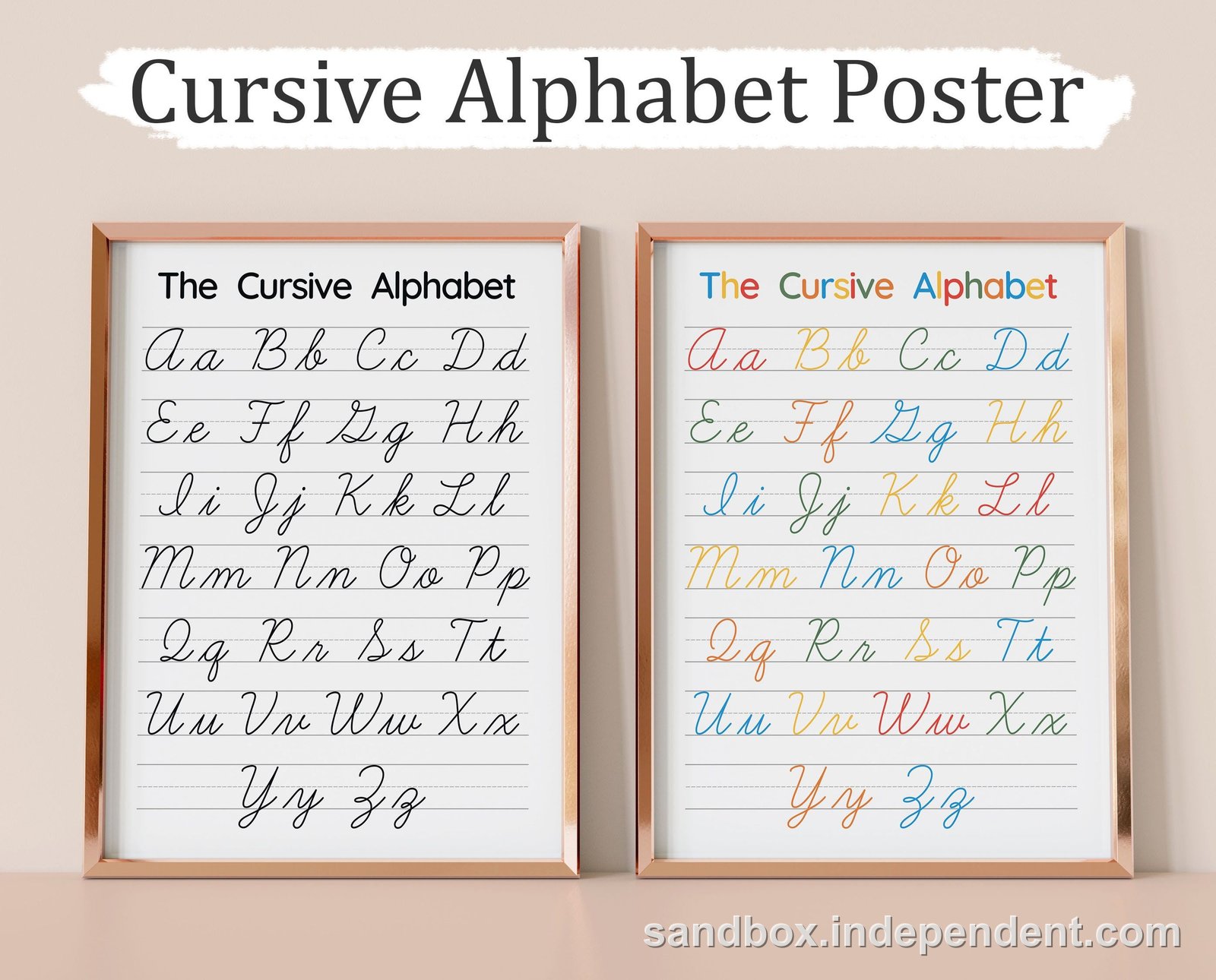



Letter E Coloring Pages Overview
A ucla depth chart is your go-to resource for understanding the Bruins' team structure. This guide will walk you through the basics, ensuring you can navigate and utilize this chart like a pro.
It's a simple yet powerful tool, offering a clear view of player positions and team dynamics. Whether you're a sports enthusiast or just starting out, the ucla depth chart provides an easy-to-follow snapshot of the team's lineup, making it an essential reference for anyone wanting to stay informed.
Understanding the UCLA Depth Chart
The UCLA depth chart is a valuable tool for sports enthusiasts and analysts, offering a detailed look at the Bruins' roster and their player positions. It's like a map that guides you through the team's lineup, showing you who's in and who's ready to step in.
Key Positions and Categories
This chart is organized by player positions, with each position having a hierarchy. You'll find the starting players at the top, followed by backups and reserves. It's a clear way to see the depth of talent on the team. The positions are typically divided into offense, defense, and special teams, with further subdivisions for specific roles.
Depth Chart Analysis: A Step-by-Step Guide
Here's how to read and understand a UCLA depth chart:
- Start by identifying the position groups. These are usually labeled clearly, so you know which section to focus on.
- Within each position, the players are listed in order of their role. The starters are at the top, followed by backups. Look for the player's name, number, and sometimes their year in school.
- Pay attention to the depth. A well-balanced chart will show multiple players for each position, indicating a strong team with options.
- Some charts may also include additional info like player heights, weights, and even their hometowns, providing a more comprehensive view.
Variations and Differences
While the UCLA depth chart follows a standard format, variations can occur based on the sport and specific team strategies. For instance, in football, you might see different formations like the 3-4 defense or the 4-3 defense, which impact the depth chart's layout. Additionally, injuries or strategic decisions can lead to last-minute changes, so it's always a good idea to refer to the most recent chart for accurate information.
Remember, the depth chart is a dynamic tool, and understanding it can enhance your appreciation of the team's strategy and player talent.
Hey there, we hope this guide has given you a solid understanding of the UCLA depth chart and its practical uses. Remember, while the basics remain the same, there might be slight variations depending on your specific context or the source you're referencing.
Feel free to explore other guides on our site to deepen your knowledge and stay informed about the latest developments. We've got a range of topics covered, so you can always find something useful and relevant. Happy learning!
Related: Hyperscale Data Center Construction Essential Guide
Hyperscale data center construction is an impressive feat of engineering, but it's not something you see every day. These massive facilities are like hidden powerhouses, quietly keeping our digital world running. So, what's the story behind these data centers, and why should we care?
Understanding Hyperscale Data Centers
Hyperscale data center construction is all about creating enormous data storage and processing facilities. These centers are designed to handle vast amounts of data and provide the computing power needed for modern businesses and technologies. They're not just big; they're built to be efficient, secure, and reliable. From cloud services to streaming platforms, these centers keep our digital lives humming.
The construction process is complex. It involves careful planning, site selection, and the use of specialized materials and equipment. Everything from the foundation to the cooling systems must be designed to handle the unique demands of data storage and processing. It's a delicate balance of engineering and technology.
The Practical Side of Construction
When it comes to building these centers, several key factors come into play. The first is the location. Finding the right site is crucial. It needs to have access to power, water, and good transportation links, and it should also consider the local climate and any potential natural hazards.
Then there's the design and construction process itself. This involves a lot of specialized knowledge and coordination. Architects, engineers, and construction teams work together to create a facility that meets all the technical requirements. This includes everything from the structural design to the installation of complex cooling systems and power distribution networks.
Costs and Considerations
The cost of hyperscale data center construction is significant, but it varies widely depending on the size, location, and specific requirements. It's not just about the building itself; you also need to consider the ongoing operational costs, like power and maintenance. These centers are energy-intensive, so efficient design and the use of renewable energy sources can make a big difference.
When comparing quotes, it's important to look beyond the initial construction costs. Consider the long-term viability and the potential for future expansion. A good quote should cover all aspects, from site preparation to the final fit-out, and provide a clear breakdown of costs.
The Role of Construction Companies
Large construction firms often take on hyperscale data center construction projects. These companies have the expertise, resources, and specialized teams needed for such complex builds. They can handle everything from initial planning to project management and construction.
When hiring a company for such a project, it's crucial to check their experience and track record. Look for companies that have successfully completed similar projects and have a good reputation. Ask for references and case studies to get a sense of their capabilities and the quality of their work.
Final Thoughts
Hyperscale data center construction is an intriguing aspect of modern infrastructure. It combines cutting-edge technology with traditional construction skills. While it's not something most of us will undertake, understanding the process gives us a glimpse into the digital world we rely on daily. It's a fascinating blend of old and new, and a reminder of the incredible engineering feats happening behind the scenes.
Related: RSMeans Estimating Essential Guide For Builders
RSMeans estimating... it's a term I've come across recently, and I was curious to know more. As someone who's dabbled in home renovations and heard about construction projects, I wanted to understand what this phrase means and how it relates to the world of building and remodeling. So, let's dive in and uncover the secrets behind RSMeans estimating!
Unraveling the Mystery: What is RSMeans Estimating?
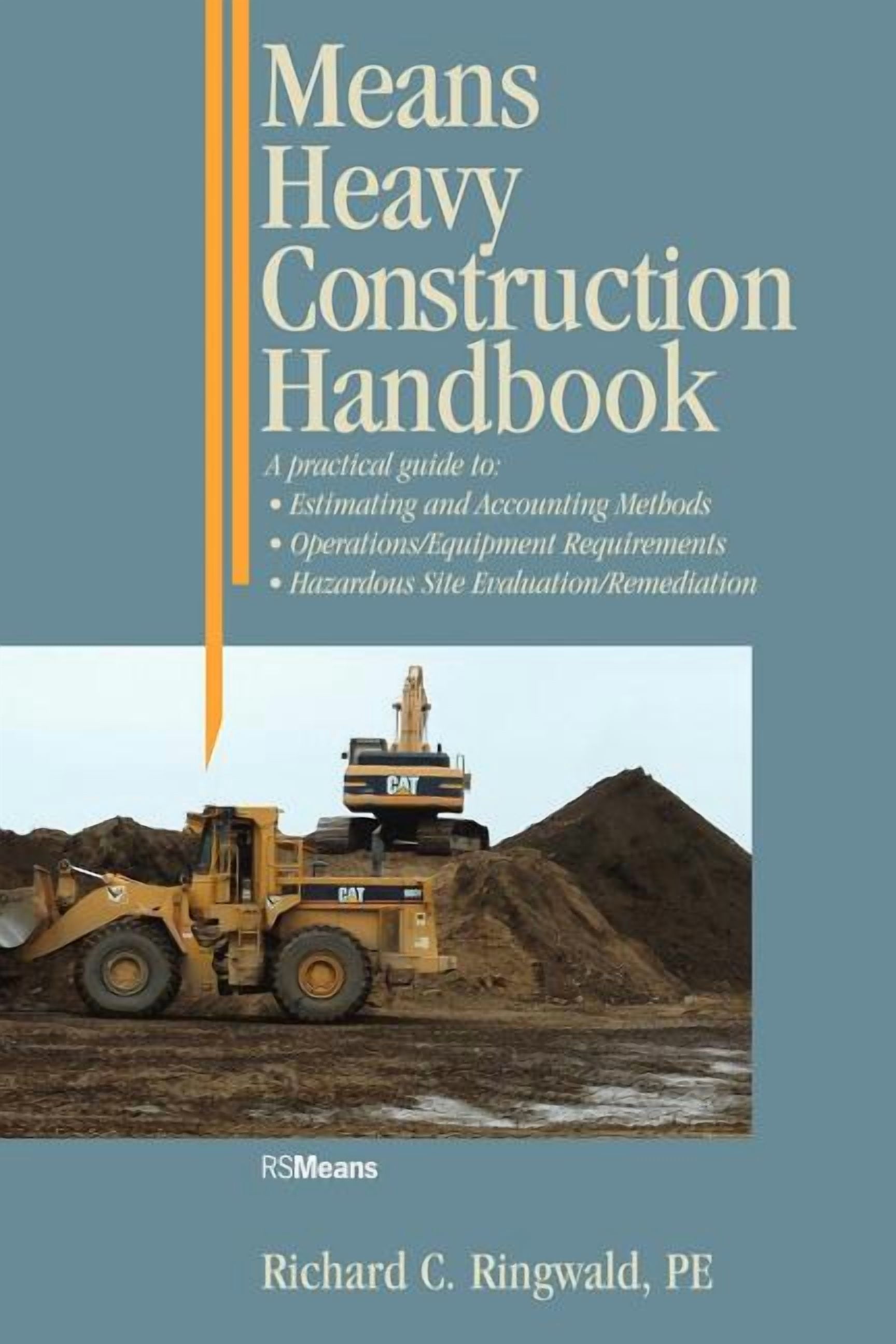
RSMeans estimating is a tool, a resource, and a method used by construction professionals to estimate the costs and pricing of various projects. It's like a handy guide that helps builders, contractors, and even homeowners like me make informed decisions. This estimating process considers factors like labor, materials, and the overall scope of the work to provide an accurate cost estimate.
For those of us considering a home renovation, understanding RSMeans estimating can be a game-changer. It empowers us to compare quotes, ensure we're getting a fair deal, and make smart choices about our projects. Whether it's a bathroom renovation or a full-scale house addition, having a reliable estimate is crucial.
Hiring the Right Contractor: A Guide
When it comes to hiring a contractor for your project, RSMeans estimating can be a valuable tool. It helps you evaluate quotes and understand the breakdown of costs. Here's a simple guide:
- Check the contractor's experience and reputation.
- Ask for references and read reviews.
- Get multiple quotes and compare them.
- Ensure the quote covers all aspects of the job.
- Look for transparency and clear communication.
A good quote should detail the work, materials, and labor costs. It should also include any potential additional expenses, like permits or unexpected issues. Remember, it's not just about the lowest price; it's about finding a reliable and skilled contractor who understands your vision.
Construction Business Names: A Creative Challenge
Naming a construction business is an art! It's a chance to be creative and leave a lasting impression. A great name should be memorable, reflect your company's values, and stand out in a competitive market. Here are a few ideas:
- BuildCraft
- HomeWorkz
- SkyRise Solutions
- EarthMovers
- Brick & Mortar Pros
- BuildTech Innovations
Before settling on a name, check its availability for domains and local registration. You want to ensure your business name is unique and can be easily found online.
The World of Construction Jobs
The construction industry offers a wide range of roles, from estimators to project managers and skilled laborers. Estimator jobs, for instance, involve using tools like RSMeans to calculate costs accurately. These professionals are in demand and play a crucial role in the success of projects.
If you're interested in construction jobs, explore online job boards, local newspapers, and industry-specific websites. Many construction companies also advertise directly on their websites, so it's worth keeping an eye out for openings.
RSMeans: A Powerful Tool for Professionals
RSMeans is a trusted resource in the construction industry. It provides cost databases, escalation data, and cost indexes, helping professionals make informed decisions. Whether you're a general contractor or a remodeling company, RSMeans estimating offers valuable insights.
This tool is especially useful when planning projects, as it helps anticipate costs and stay within budget. It's a go-to resource for many in the industry, providing accurate and up-to-date information.
Big vs. Small: The Construction Industry Landscape
The construction industry is diverse, with both large corporations and small, local businesses. Large firms often have the resources to take on major projects and offer a wide range of services. They may have a broader reach and access to more specialized skills.
Small businesses, on the other hand, can provide a more personalized experience. They often have a strong local presence and can offer competitive pricing. When choosing a company, consider your project's scope and your preferences for size and expertise.
In conclusion, RSMeans estimating is a valuable tool for anyone involved in construction, remodeling, or building projects. It empowers us to make informed decisions, compare costs, and ensure a successful outcome. So, whether you're in Atlanta, Baltimore, or San Francisco, RSMeans estimating is a resource worth exploring!