


Letter Tracing Worksheets Free Printable Overview
You've got your flute, you're ready to play, and you need a quick reminder on those trills. The flute trill chart is your go-to resource, a handy guide that simplifies those intricate finger movements. It's a visual tool, offering a clear and concise way to master those rapid, decorative notes. Whether you're a beginner or a seasoned player, this chart is a valuable reference, ensuring you can tackle any trill with confidence.
Understanding the Flute Trill Chart: A Quick Overview
The flute trill chart is an essential tool for flute players, offering a visual guide to mastering those rapid, vibrant trills. It's like a map, showing you the path to create beautiful, seamless trills with ease. This chart is your friend, making complex trill techniques more accessible and fun to learn.
Comparing Common Trill Patterns and Fingerings
When it comes to trills, there are various patterns and fingerings to explore. The chart typically presents a range of options, allowing you to see the differences and choose the most suitable approach for your playing style. It's like a reference library, offering a clear comparison of standard trill fingerings and patterns.
Step-by-Step Guide: Using the Flute Trill Chart
Using the flute trill chart is straightforward:
Identify the starting note: Locate the note you want to trill on the chart. This is usually indicated by a specific fingering or note name.
Find the target note: Look for the adjacent note(s) that form the trill. These are often shown as a series of connected dots or lines, indicating the finger movement.
Practice the finger movement: Focus on the finger pattern shown on the chart. Practice moving your fingers smoothly and quickly between the starting and target notes.
Master the embouchure: While finger movement is crucial, don't forget the role of your embouchure (lip and mouth position). Adjust your embouchure to create a clear, vibrant sound throughout the trill.
Combine finger and embouchure techniques: It's all about coordination! Practice blending the finger movement with the embouchure adjustments to produce a seamless, musical trill.
Common Misreadings and How to Avoid Them
One common pitfall is assuming that the chart provides a one-size-fits-all solution. Remember, the flute trill chart offers a general guide, but your specific flute and playing style may require slight adjustments. Always double-check the exact fingerings and notes for your instrument, especially if you're using a different flute type or size. Additionally, pay attention to the context of the music you're playing. The chart may suggest multiple options, and choosing the right one depends on the musical context and your artistic interpretation.
Factors Affecting Accuracy and Real-World Use
Several factors can influence the accuracy and effectiveness of your trills:
Flute type and size: Different flutes, such as concert flutes or piccolos, may require slight adjustments to the fingerings or embouchure.
Musical context: The style and genre of the music you're playing can impact the choice of trill technique. For example, a fast-paced jazz piece may call for a different approach compared to a classical ballet.
Personal playing style: Every flutist is unique! Your finger placement, hand shape, and embouchure may vary slightly, so it's essential to adapt the chart's suggestions to your individual playing style.
Practice and consistency: Like any skill, mastering trills takes time and practice. Consistent practice, focusing on both finger technique and embouchure control, will lead to more accurate and expressive trills.
Remember, the flute trill chart is a valuable tool, but it's just one part of your flute-playing journey. With patience, practice, and a bit of creativity, you'll be trilling like a pro in no time!
Hey there, fellow flutists! We've covered a lot of ground with this chart, and I hope it's given you a clear path to navigate the world of trills. Remember, while the basics remain consistent, the specifics might vary slightly depending on your reference or the style you're aiming for.
Feel free to explore our other guides; we've got plenty of resources to help you master the flute and its many techniques. Happy practicing, and keep those fingers moving!
Related: Unraveling the Trojan Size Chart Mystery
The Trojan size chart is a handy reference tool, offering a quick glance at condom sizes. This guide aims to demystify and simplify the process, ensuring you can easily navigate and understand the chart's information. It covers the essential details, providing a clear overview of standard condom sizes and their measurements. With variations in nominal width and length, the chart offers a visual representation, making it simple to find the right fit.
Understanding the Trojan Size Chart: A Quick Overview
The Trojan size chart is a valuable tool for anyone seeking a perfect fit and optimal protection when using condoms. It provides a standardized reference to help you choose the right size for your needs. This chart is designed to offer a clear and easy-to-understand guide, ensuring you can make an informed decision.
Comparing Condom Sizes: Standard Options and Formats
The Trojan size chart typically presents two key measurements: length and width. Length variations are common, and the chart accounts for this by offering a range of sizes. Width, often referred to as nominal width, is a more standardized measurement, usually given in millimeters (mm) or fractions of an inch. This dual approach ensures a comprehensive size guide.
Step-by-Step Guide to Using the Trojan Size Chart
To use the Trojan size chart accurately, follow these simple steps:
Measure your erect penis length. This is best done with a soft, flexible tape measure, ensuring an accurate and comfortable fit.
Note your girth (circumference) measurement. This is often more subjective and can be measured with a tape or string, then measured against a ruler.
Refer to the Trojan size chart and match your length and girth measurements to the closest size category.
Choose the condom size that aligns with your measurements.
Avoiding Common Misreadings and Pitfalls
One common mistake is assuming all condom brands use the same size standards. While the Trojan size chart is a great reference, it's important to note that other brands may have slightly different size categories. Always double-check the specific brand's size guide to ensure an accurate fit.
Factors Affecting Accuracy: Key Considerations
Erect length can vary, so it's essential to measure accurately and choose a condom that accommodates this range.
Girth (circumference) is a subjective measurement and can be influenced by factors like erection quality and personal comfort.
- Personal preference: Some may prefer a looser or tighter fit, which can impact the chosen size.
- Erection quality: The state of your erection can affect measurements and, consequently, the chosen size.
- Comfort and sensitivity: Consider your personal comfort and sensitivity when choosing a size.
Adapting the Trojan Size Chart for Specific Needs
The Trojan size chart offers a standard guide, but individual needs may vary. If you have specific requirements, such as a larger or smaller size, or if you prefer a particular brand, you may need to adapt the chart. Many brands offer extended size ranges, so exploring these options can ensure a perfect fit.
Keeping Your Reference Reliable for Future Use
To ensure the Trojan size chart remains a reliable reference, it's important to regularly update your measurements. Our bodies can change over time, so re-measuring periodically ensures you always choose the right size. Additionally, staying informed about any updates or changes to size standards or brand specifications will keep your reference accurate and up-to-date.
Well, there you have it, a comprehensive guide to Trojan size charts. With this knowledge, you can now approach your reference needs with confidence. Remember, while this guide provides a solid foundation, every situation is unique. It's essential to consider your specific context and requirements before making any final decisions.
Feel free to explore our other resources and guides; we have a wealth of information to help you navigate various topics with ease. Happy referencing!
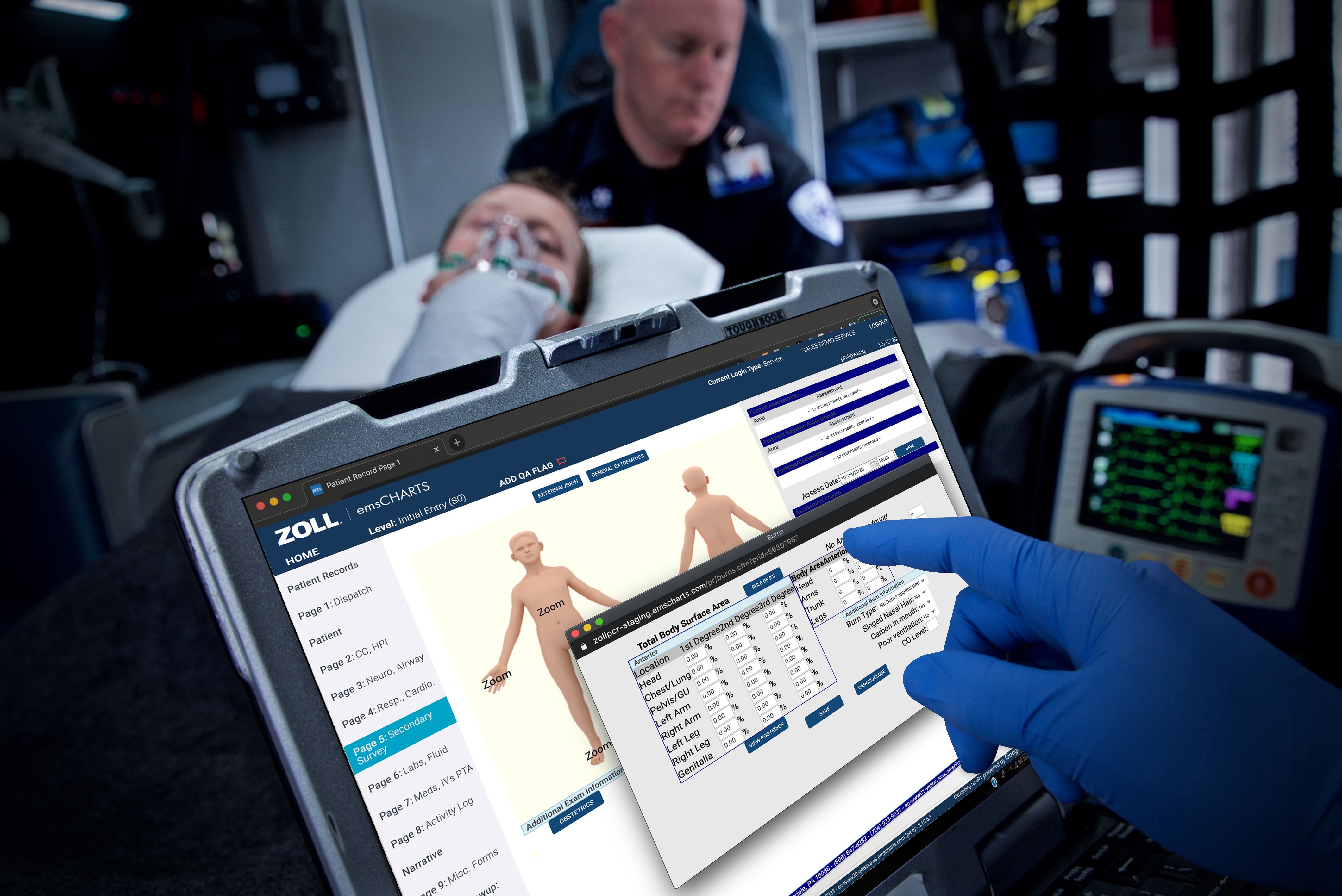
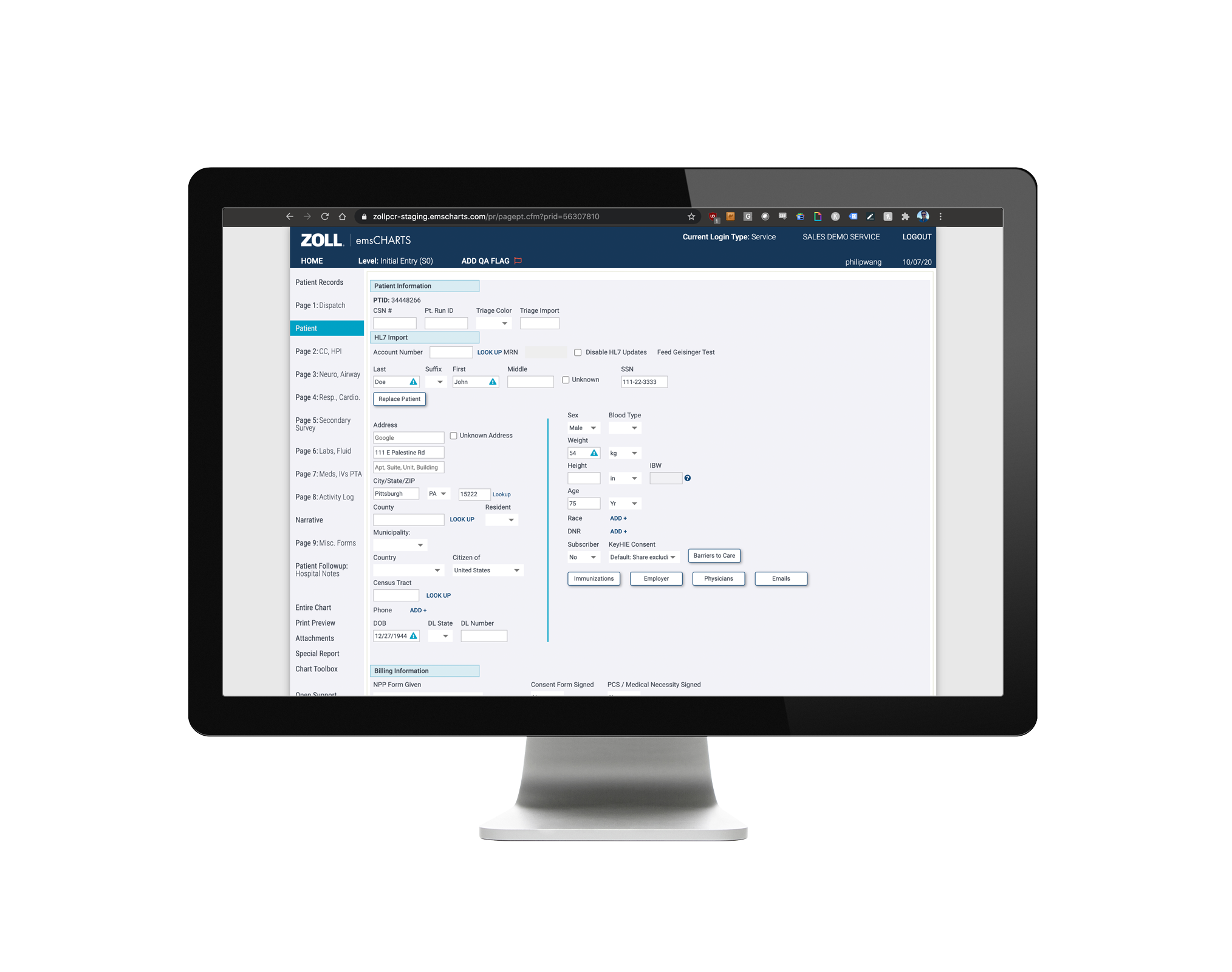
Related: Understanding Zoll EMS Charts: A Practical Guide
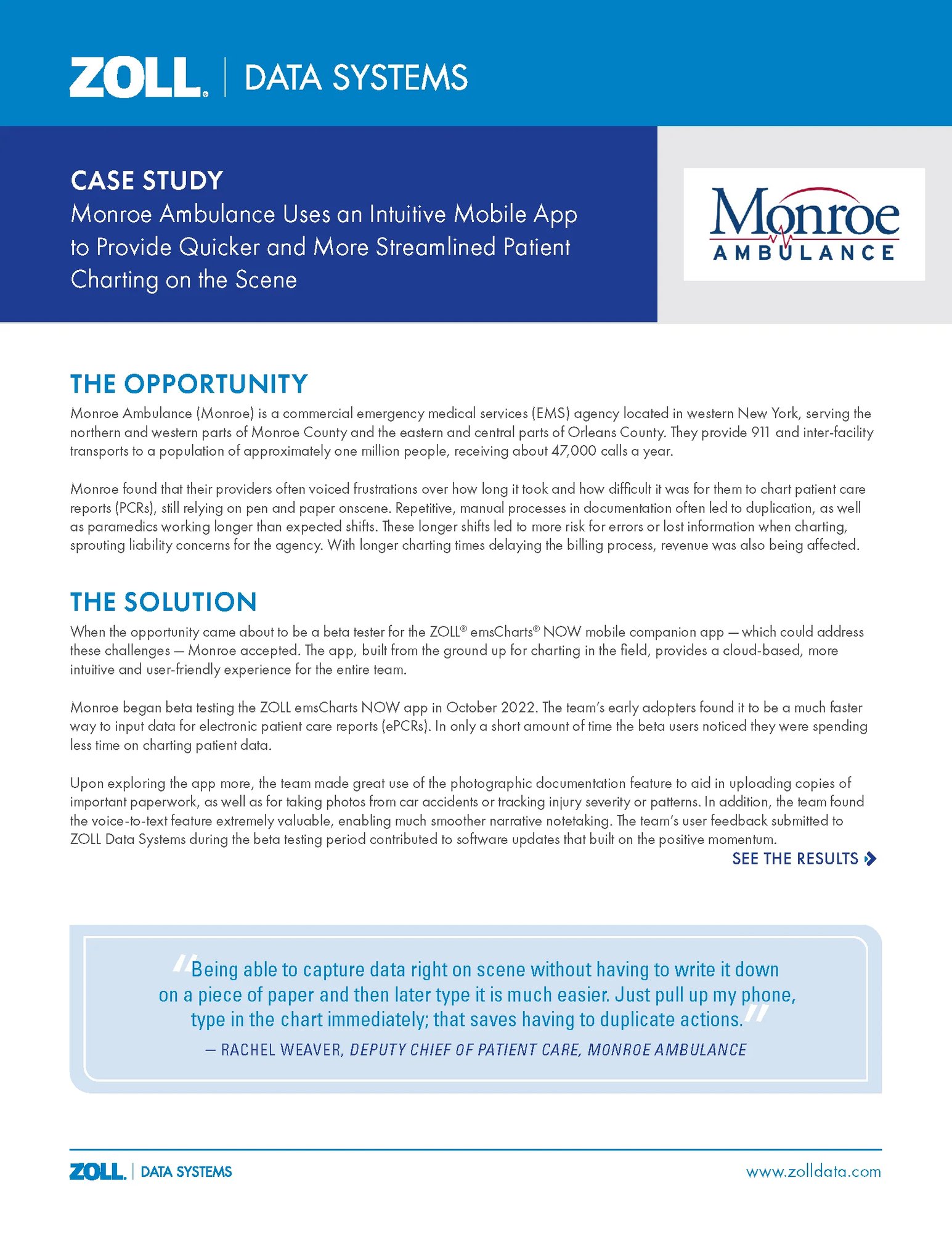
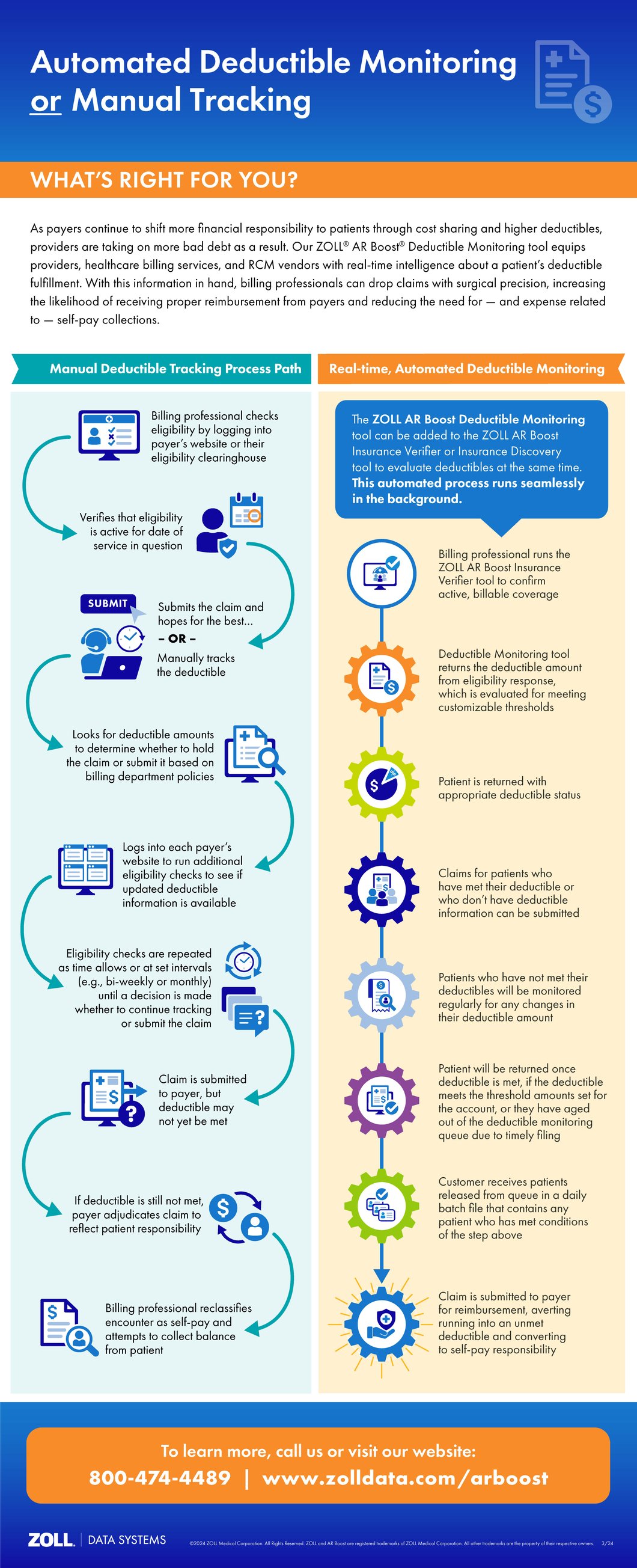
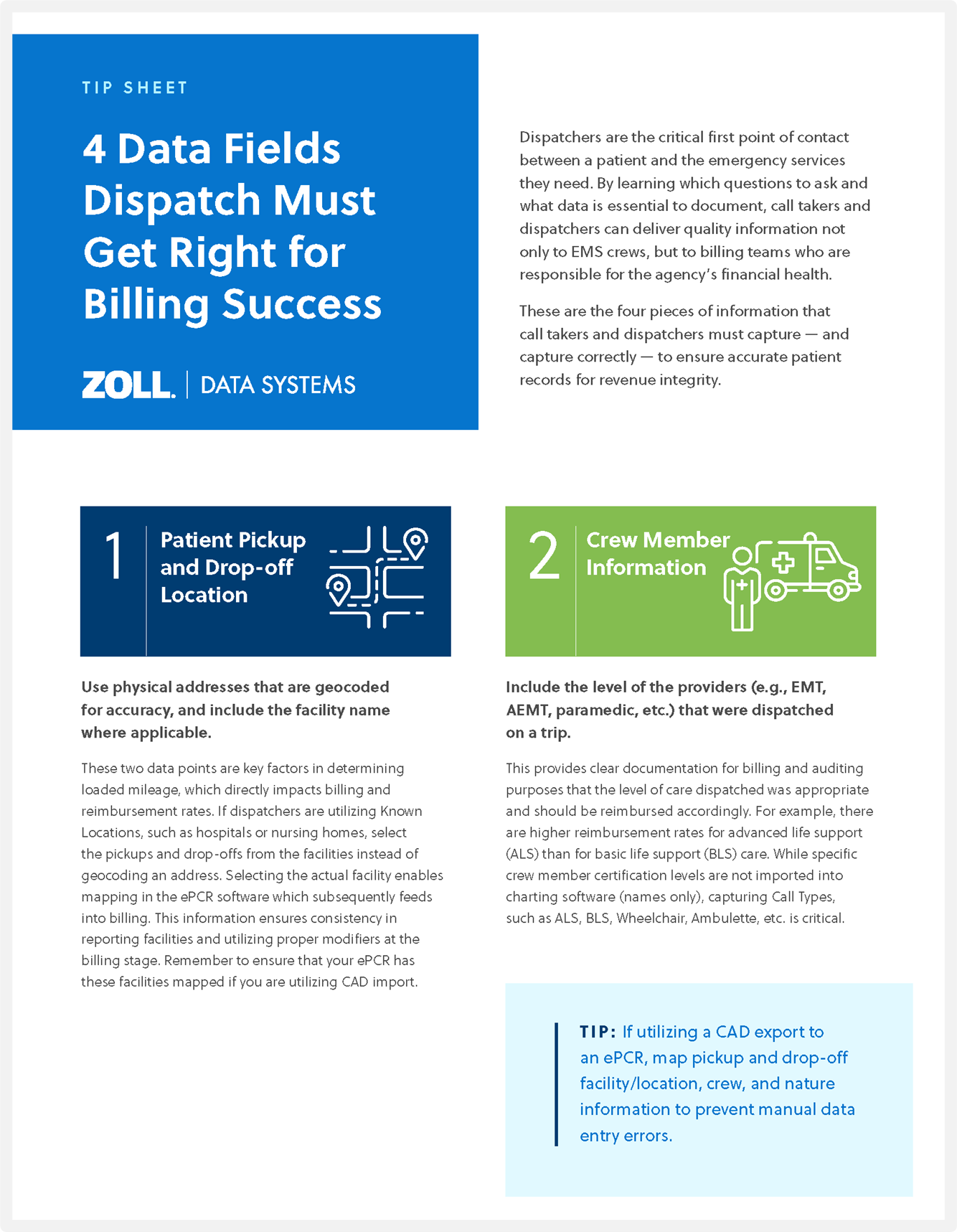
A common misconception about Zoll EMS charts is that they are complex and intimidating, often leading to confusion and errors in interpretation. However, these charts are designed to provide a straightforward and efficient way to navigate shipping and delivery processes.
The beauty of Zoll EMS charts lies in their ability to offer a quick reference guide, ensuring accurate understanding and application. Whether it's tracking EMS shipments, estimating delivery times, or utilizing Zoll's express services, these charts serve as a valuable tool, and their format may vary depending on the specific context and region.
Understanding Zoll EMS Charts
Zoll EMS charts are an essential tool for anyone involved in shipping and logistics, offering a visual representation of delivery times and shipment progress. These charts provide a clear overview of the estimated transit times for various shipping zones and can help businesses and individuals plan their operations effectively.
Key Details and Categories
The Zoll EMS chart typically displays information based on the origin and destination of the shipment. It considers factors like distance, mode of transport, and any potential delays or customs procedures. The chart often includes different zones, with each zone representing a specific geographic region or country. The units used on the chart are usually days, indicating the estimated time it takes for a package to reach its destination.
Reading and Applying the Chart
To utilize the Zoll EMS chart accurately, follow these steps:
- Identify the origin and destination of your shipment. This information is crucial to finding the correct zone on the chart.
- Locate the corresponding zone on the chart. Each zone is typically labeled with a unique identifier or name.
- Determine the estimated delivery time. The chart will display a range of days, indicating the typical transit time for that particular zone.
- Consider any potential delays. The chart provides an estimate, and actual delivery times may vary due to unforeseen circumstances.
- Plan your shipping strategy accordingly. Use the estimated delivery time as a guide to set expectations and manage customer communications.
Variations and Differences
It's important to note that Zoll EMS charts can vary depending on the specific standard or region being used. Different countries and shipping companies may have their own unique charts with slightly different zone definitions and delivery time estimates. Additionally, factors like weather conditions, customs procedures, and local holidays can cause variations in actual delivery times.
Common Mistakes and How to Avoid Them
One common mistake is assuming that the estimated delivery time is an exact, guaranteed timeframe. Always remember that these charts provide estimates, and actual delivery times can fluctuate. To avoid misunderstandings, communicate these potential variations to your customers or clients. Another mistake is not considering the specific requirements of your shipment. Certain items may have restrictions or additional customs procedures, which can impact delivery times. Ensure you understand any special considerations for your shipment.
Practical Tips for Accurate Results
To ensure accurate use of the Zoll EMS chart, consider these best practices:
- Regularly update yourself with the latest chart versions. Shipping standards and procedures can change, so staying informed is crucial.
- Double-check the specific requirements and restrictions for your shipment. Certain items may have unique handling or documentation needs.
- Communicate with your shipping provider. They can provide valuable insights and guidance based on their experience.
- Monitor the progress of your shipment. Track its journey and be aware of any potential delays or changes in delivery status.
- Plan for potential delays, especially during peak seasons or when shipping to remote locations. Build a buffer into your delivery estimates to manage expectations.
While the specifics of Zoll EMS charts may vary slightly depending on the context and the source you're using, the fundamentals remain the same. It's always a good idea to refer to the most up-to-date guidelines and resources to ensure accuracy and consistency in your practice.
Feel free to explore our other guides and resources for more practical insights and tips. We've got a range of topics covered, so you can continue your learning journey and stay informed.