




Levi Size Chart Blank Overview
You're likely here because you need to find the right size for a Gildan garment, and the Gildan size chart is your trusted tool for this task. This simple yet effective chart provides a quick and accurate way to determine the perfect fit, whether you're shopping for yourself or others. With various sizes and measurements, the chart offers a clear guide, ensuring you can make an informed choice. It's a handy reference, especially when considering the brand's popular unisex fit and the potential variations in sizing standards.
Understanding the Gildan Size Chart
The gildan size chart is a valuable tool for anyone looking to purchase Gildan apparel, providing a clear guide to help you choose the right size for a perfect fit. This chart is designed to offer a standardized sizing reference, ensuring consistency across their range of clothing.
Key Details and Categories
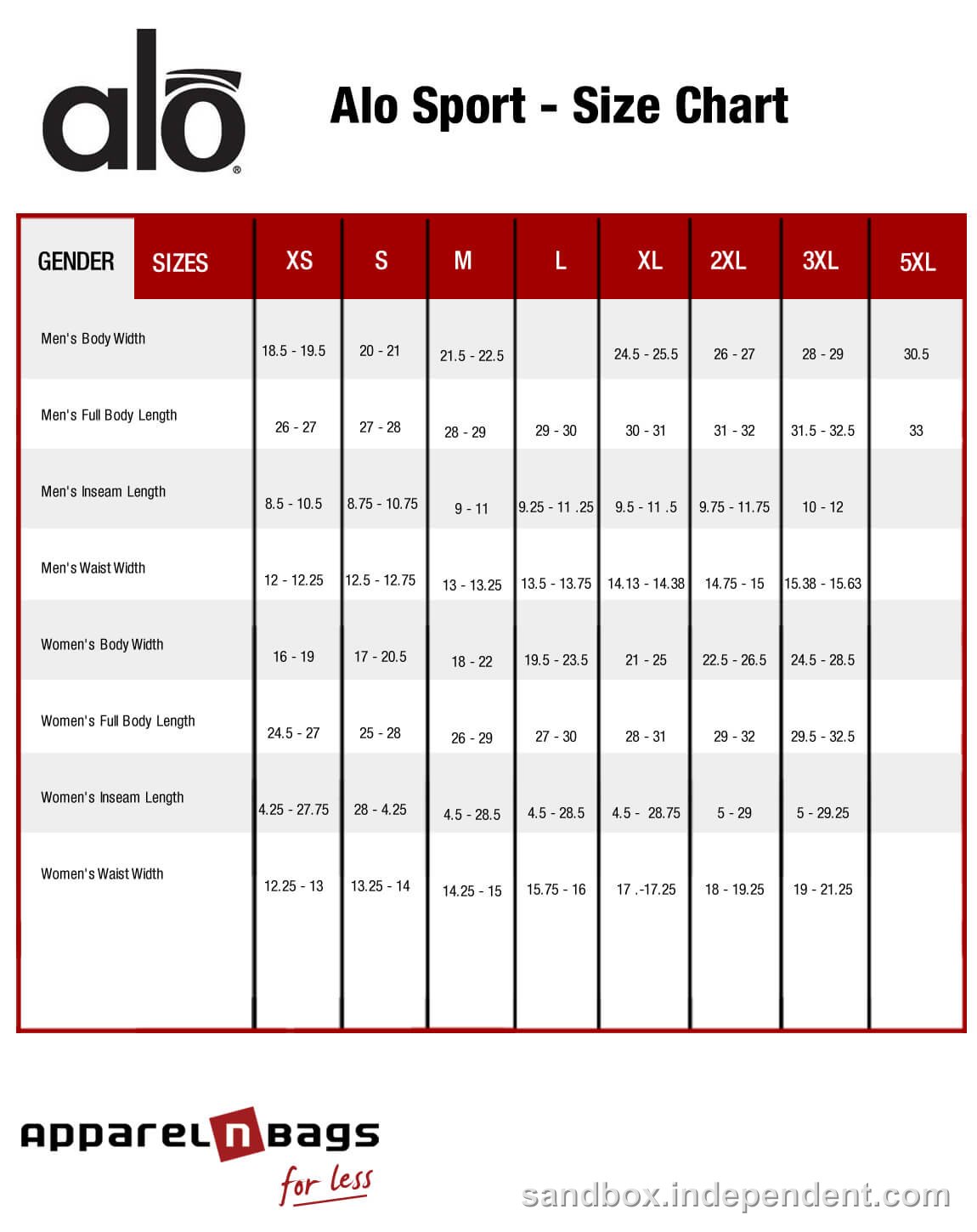
The chart typically displays a range of sizes, from extra-small to 5XL, and sometimes even larger. Each size is represented by a numerical value, such as 'S' for small or '3XL' for triple extra-large. These sizes are further categorized into specific measurements for various body parts, including chest, waist, and height. The measurements are provided in both inches and centimeters, offering a versatile reference for international customers.
Step-by-Step Guide to Reading the Chart
- Identify the type of garment you're interested in, as different apparel may have slightly different measurements. For instance, t-shirts and hoodies might have distinct fit specifications.
- Locate your body measurements on the chart. You'll typically find columns for chest, waist, and height, with corresponding rows for different sizes.
- Compare your measurements to the values on the chart. If your chest measurement falls within the range specified for a particular size, that's a good indication of the right fit.
- Consider the overall fit you prefer. If you like a looser fit, you might opt for a size larger than your exact measurements suggest. Conversely, for a more tailored look, you might choose a size slightly smaller.
Size Variations and Differences
It's important to note that size charts can vary between manufacturers and even between different Gildan product lines. This is because clothing is designed to fit differently, whether it's a relaxed, regular, or slim fit. Additionally, the intended use of the garment can influence the sizing. For example, a t-shirt designed for athletic wear might have a different fit than a casual t-shirt.
Common Mistakes and How to Avoid Them
One of the most common mistakes is assuming that all clothing brands use the same size standards. Always refer to the specific size chart for the brand and product you're interested in. Another pitfall is relying solely on your usual size without considering the fit you desire or the unique specifications of the garment. It's always a good idea to measure yourself and compare those measurements to the chart.
Practical Tips for Accurate Fitting
- When measuring yourself, ensure you're using a flexible tape measure for accurate results.
- Take measurements at the appropriate points on your body, such as the fullest part of your chest or the natural waistline.
- If you're between sizes, consider the fabric and style of the garment. Stretchy fabrics might allow for a slightly looser fit, while structured garments may require a more precise measurement.
- Don't forget to check the size chart for the specific product you're interested in, as sizing can vary even within the same brand.
- If you're still unsure, many online retailers offer size guides or customer reviews that can provide additional insights into the fit of a particular item.
Remember, while this guide provides a comprehensive overview, the specifics may shift slightly based on your unique context. Every brand and standard has its nuances, so it's essential to double-check the source for the most accurate information.
We have a range of other practical guides and resources on our site to help you navigate similar topics. Feel free to explore and discover more tips and tricks to make your sizing and fitting processes a breeze!
Related: Find the Perfect Fit: Chicos Size Chart Guide
Many shoppers may approach the chicos size chart with some hesitation, assuming it's a complex and confusing tool. However, it's quite the opposite; this chart is a straightforward and invaluable resource for anyone navigating the world of clothing sizes.
The beauty of the chicos size chart lies in its simplicity and consistency. While size charts can vary slightly across brands and regions, the Chicos chart offers a reliable and standardized guide, ensuring a seamless shopping experience for its customers. With a quick glance, you can confidently understand your size and make informed choices, whether you're shopping online or in-store.
Understanding the Chicos Size Chart
The chicos size chart is a valuable tool for anyone looking to find their perfect fit in Chicos clothing. It provides a clear and organized guide to help you determine your size based on your body measurements. By following this chart, you can ensure a comfortable and flattering fit for your Chicos wardrobe.
Key Details and Categories
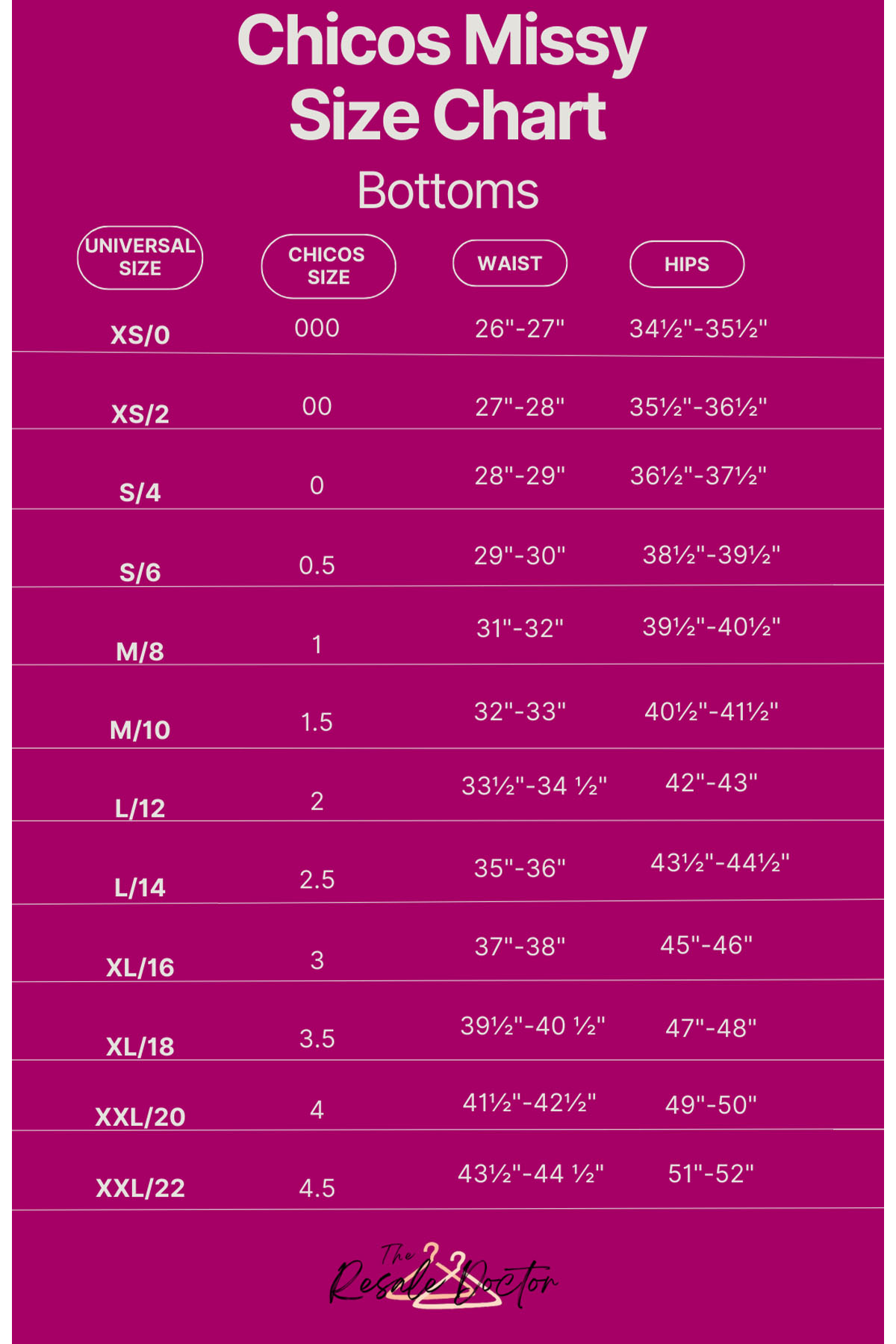
The chicos sizing guide typically includes measurements for bust, waist, and hip, which are the primary categories to consider. These measurements are presented in inches or centimeters, depending on the standard being used. The chart offers a range of sizes, usually starting with smaller sizes and progressing to larger ones, covering a wide range of body types. It's important to note that Chicos, like many clothing brands, may have slight variations in their sizing charts, so always refer to the specific chart provided by Chicos for the most accurate information.
How to Read and Apply the Size Chart
To use the chicos size chart effectively, follow these steps:
- Measure your bust, waist, and hip using a measuring tape. Ensure the tape is straight and not twisted, and that it sits comfortably around your body without squeezing or sagging.
- Locate your measurements on the chart. Find the size that aligns with your bust, waist, and hip measurements. If your measurements fall between two sizes, consider the overall fit you prefer. A looser fit may be more comfortable, while a closer fit can create a more tailored look.
- Take into account the fabric and style of the garment. Some fabrics have more give, so a slightly smaller size may work, while structured garments may require a more precise fit.
- If you're between sizes or unsure, don't hesitate to contact Chicos' customer support for further guidance. They can provide additional advice based on the specific garment and your preferences.
Size Variations and Common Causes
It's important to understand that size charts can vary across brands and even within a brand's different product lines. Here are some factors that can contribute to size variations:
- Fabric and design: Different fabrics and styles can affect the fit and sizing of a garment. Stretchier fabrics may accommodate a wider range of sizes.
- Regional standards: Clothing size charts can differ based on regional standards. For example, a US size may not align perfectly with an international size chart.
- Body shape: Everyone's body is unique, and variations in body shape can impact how a size chart applies to you. Curves, height, and proportion can all influence the fit.
- Manufacturing tolerances: Even within a brand, there can be slight variations in sizing due to manufacturing processes. Always refer to the specific size chart for the garment you're interested in.
Remember, the chicos size chart is a helpful guide, but it's not an exact science. By understanding your body measurements and the factors that can influence sizing, you can make informed choices and find the perfect Chicos outfit that flatters your figure.
Chicos size charts are a handy tool to have at your disposal, especially when you need to find the perfect fit. Remember, these charts are a guide, and while they provide a consistent framework, exact values can vary.
So, before you finalize your measurements, take a moment to ensure you're using the right chart for your specific needs. With that in mind, you're all set to tackle your sizing challenges! Consider bookmarking this page for future reference; it might just save you some time and effort the next time you need to refer to a size chart.
Related: Pistons Depth Chart: A Simple Reference Guide
A pistons depth chart is a valuable tool for anyone seeking a quick reference guide to understand engine specifications. This straightforward visual aid offers a clear overview of piston measurements and their placement within an engine's cylinder.
The chart provides a simple yet effective way to compare and contrast piston sizes, bore and stroke dimensions, and even engine displacement. It's a handy resource, especially when considering the variety of standards and units used in automotive engineering, from metric to imperial.
Understanding the Pistons Depth Chart
The pistons depth chart is a valuable tool for automotive enthusiasts and professionals alike, offering a concise overview of piston sizes and their corresponding specifications. This chart serves as a quick reference guide, aiding in the identification and selection of the right piston for various engine configurations.
Key Details and Categories
When examining a pistons depth chart, you'll encounter a range of critical information. The chart typically displays piston sizes, often referred to as bore and stroke dimensions, which define the piston's diameter and the distance it travels within the cylinder. These values are usually provided in both metric and imperial units, catering to diverse regional standards. Additionally, the chart may include engine displacement, a crucial parameter indicating the engine's capacity, often measured in cubic centimeters (cc) or liters (L).
Reading and Applying the Chart
To utilize the pistons depth chart effectively, follow these steps:
Identify the Piston Size: Start by determining the piston size you need. This is typically specified by the engine manufacturer or can be measured directly from the engine.
Locate on the Chart: Refer to the chart and locate the piston size you require. The chart will provide a clear layout, often organized by piston diameter and stroke length.
Check Specifications: Once you've found the relevant piston size, review the accompanying specifications. These may include the piston's material, compression ratio, and any specific features or design considerations.
Compare and Select: Compare the chart's specifications with your engine's requirements. Ensure the piston's dimensions and characteristics align with your engine's needs.
Verify with Manufacturer: While the pistons depth chart offers a comprehensive overview, it's essential to double-check with the manufacturer or refer to the engine's manual for precise specifications and tolerances.
Variations and Differences
Pistons depth charts can vary depending on several factors. Here are some key considerations:
Regional Standards: Different regions may use distinct measurement systems, such as the metric system (common in many countries) or the imperial system (predominant in the United States). These variations can impact the units and values presented on the chart.
Manufacturer Preferences: Each engine manufacturer may have its own preferred piston sizes and specifications. This can lead to slight variations in piston dimensions and design features.
Engine Type and Application: The intended use of the engine, whether for a car, motorcycle, or marine application, can influence the piston's design and size. Different applications may require specific piston characteristics.
Common Mistakes and How to Avoid Them
To ensure accurate selection and avoid common pitfalls, consider the following:
Misinterpreting Units: Be mindful of the units used on the chart. If you're accustomed to a particular system, ensure you understand the conversions between metric and imperial units.
Overlooking Manufacturer Specifications: While the pistons depth chart provides a general guide, it's crucial to refer to the manufacturer's specifications for precise details. This ensures compatibility and optimal performance.
Ignoring Engine Type: Different engine types, such as four-cylinder, six-cylinder, or V-type engines, may have unique piston requirements. Ensure you select the appropriate piston size for your specific engine configuration.
Practical Tips for Accurate Results
For the best results when working with a pistons depth chart, keep these tips in mind:
Measure Twice: When determining the piston size you need, take accurate measurements. Double-check your readings to ensure precision.
Consult Experts: If you're unsure about the piston selection or have specific engine modifications, seek advice from automotive engineers or experienced mechanics. Their expertise can guide you toward the best choice.
Stay Updated: Pistons and engine technology evolve. Stay informed about the latest advancements and updates to ensure you're working with the most current information and specifications.
So, with your new understanding of the pistons depth chart and its practical applications, you're now equipped to navigate this aspect of your project with ease. Remember, the key is to refer to the appropriate standards and guidelines for your specific context, as exact values can vary.
Take a moment to ensure you have all the necessary information and resources at hand. Then, feel free to explore our other guides and resources, where you'll find a wealth of information to support your work and keep your projects running smoothly.