The life line on the palm, also known as the line of life or prana line, is one of the most significant and intriguing lines in the study of palmistry. It is believed to reveal a great deal about an individual’s life journey, including their physical and emotional well-being, major life events, and overall longevity. In this article, we will delve into the world of palmistry and explore the secrets that the life line holds, providing a comprehensive guide on how to interpret this vital line.
Understanding the Life Line
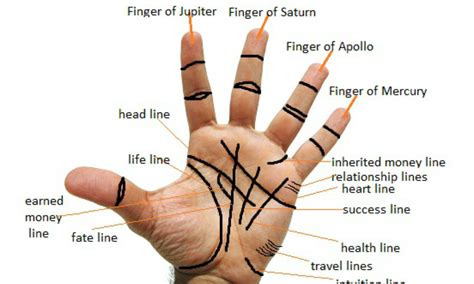
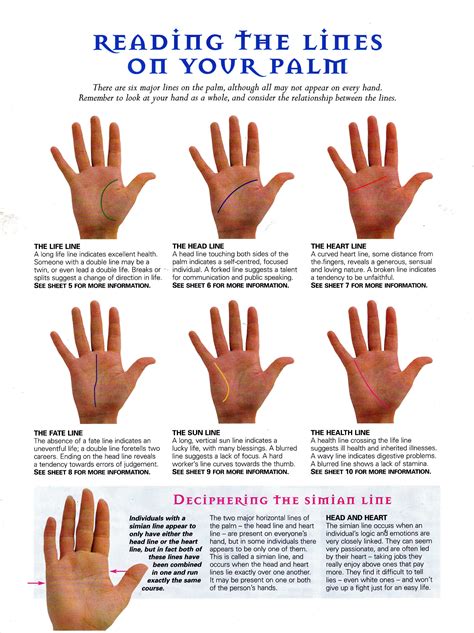
The life line is the curved line that begins between the thumb and index finger and arcs downward toward the wrist. It is usually the most prominent line on the palm and can vary in length, depth, and curvature from person to person. Palmists believe that the life line reflects an individual’s vitality, energy, and life force, and can indicate various aspects of their life, such as their health, relationships, and career.
Interpreting the Life Line
To interpret the life line, palmists examine its length, depth, and curvature, as well as any branches, breaks, or markings that may appear on the line. Here are some general guidelines for interpreting the life line:
- Length of the Life Line: A long life line that extends from the base of the thumb to the wrist is considered a good sign, indicating a long and healthy life. A short life line, on the other hand, may suggest a shorter life span or a life marked by health problems.
- Depth of the Life Line: A deep life line is considered a good sign, indicating a strong life force and good physical health. A shallow life line, on the other hand, may suggest a weaker life force or a tendency toward illness.
- Curvature of the Life Line: A life line that curves downward toward the wrist is considered a good sign, indicating a balanced and harmonious life. A life line that is too straight or too curved may suggest an imbalance in the individual’s life.
Branches and Markings on the Life Line
Branches and markings on the life line can also provide valuable insights into an individual’s life. Here are some common interpretations:
- Branches: Branches that extend from the life line can indicate significant life events, such as relationships, career changes, or major accomplishments.
- Breaks: Breaks in the life line can indicate periods of illness, injury, or significant life changes.
- Islands: Islands on the life line can indicate periods of isolation or separation from others.
- Circles: Circles on the life line can indicate a tendency toward emotional or mental turmoil.
Case Study: The Life Line of a Successful Entrepreneur
To illustrate the interpretation of the life line, let’s consider the case of a successful entrepreneur. The life line on this individual’s palm is long and deep, indicating a strong life force and good physical health. The line is curved downward toward the wrist, suggesting a balanced and harmonious life. However, there is a break in the line, indicating a period of significant life change. Further examination reveals that the break corresponds to a major career change, where the individual transitioned from a traditional corporate job to starting their own business.
Comparative Analysis: The Life Line in Different Cultures
Palmistry is not a universal practice, and different cultures have their own unique approaches to interpreting the life line. For example, in Indian palmistry, the life line is believed to be connected to the individual’s karma and spiritual journey. In Chinese palmistry, the life line is believed to be linked to the individual’s qi and overall energy. By comparing and contrasting these different approaches, we can gain a deeper understanding of the life line and its significance in different cultural contexts.
Historical Evolution of Palmistry
Palmistry has a rich and fascinating history, with roots dating back to ancient civilizations. The practice of palmistry has evolved over time, with different cultures and traditions contributing to its development. By tracing the historical evolution of palmistry, we can gain a deeper understanding of the life line and its significance in different cultural and historical contexts.
Problem-Solution Framework: Overcoming Life Challenges
The life line can also be used as a tool for personal growth and self-improvement. By examining the life line and identifying potential challenges or obstacles, individuals can develop strategies for overcoming them. For example, an individual with a broken life line may need to work on building their resilience and coping skills, while an individual with a shallow life line may need to focus on building their physical and emotional strength.
Decision Framework: Making Informed Choices
The life line can also be used as a decision-making tool, helping individuals make informed choices about their life path. By examining the life line and considering different scenarios and outcomes, individuals can develop a clearer understanding of their options and make more informed decisions. For example, an individual considering a major career change may use the life line to explore different possibilities and identify the most promising path.
Conclusion
The life line on the palm is a complex and multifaceted line that holds many secrets about an individual’s life journey. By examining the length, depth, and curvature of the life line, as well as any branches, breaks, or markings that may appear, palmists can gain a deeper understanding of an individual’s life and provide valuable insights into their future. Whether you are a seasoned palmist or just starting to explore the world of palmistry, the life line is a fascinating and informative line that is sure to reveal many surprises and insights.
Tip: To get the most out of your life line reading, be sure to examine your palm in a well-lit area and use a magnifying glass or lamp to illuminate the lines. This will help you see even the smallest details and markings on your palm.
What is the life line on the palm, and what does it reveal about an individual's life?
+The life line on the palm is a curved line that begins between the thumb and index finger and arcs downward toward the wrist. It reveals information about an individual's physical and emotional well-being, major life events, and overall longevity.
How do palmists interpret the life line, and what factors do they consider?
+Palmists interpret the life line by examining its length, depth, and curvature, as well as any branches, breaks, or markings that may appear on the line. They also consider the individual's overall palm structure and other lines, such as the heart line and head line.
Can the life line predict an individual's life span or health problems?
+While the life line can provide insights into an individual's overall health and well-being, it is not a definitive predictor of life span or health problems. Palmists use the life line as one tool among many to provide a comprehensive reading of an individual's life and potential.
How can I use the life line to improve my life and make informed decisions?
+By examining your life line and considering different scenarios and outcomes, you can develop a clearer understanding of your options and make more informed decisions. You can also use the life line to identify potential challenges or obstacles and develop strategies for overcoming them.
Is palmistry a scientifically recognized practice, and what is its validity?
+Palmistry is not a scientifically recognized practice, and its validity is not universally accepted. However, many people find palmistry to be a useful tool for personal growth, self-awareness, and decision-making.
Can I learn to read my own life line, or do I need to consult a professional palmist?
+While it is possible to learn to read your own life line, consulting a professional palmist can provide a more in-depth and accurate reading. Professional palmists have extensive training and experience in interpreting the life line and other palmistry lines.
In conclusion, the life line on the palm is a powerful tool for gaining insights into an individual's life journey. By examining the length, depth, and curvature of the life line, as well as any branches, breaks, or markings that may appear, palmists can provide valuable information about an individual's physical and emotional well-being, major life events, and overall longevity.
| Life Line Characteristic | Interpretation |
|---|---|
| Long and deep life line | Indicates a long and healthy life |
| Short and shallow life line | May suggest a shorter life span or health problems |
| Curved life line | Indicates a balanced and harmonious life |
| Breaks in the life line | May indicate periods of illness, injury, or significant life changes |
| Branches on the life line | May indicate significant life events or relationships |
How to Read Your Life Line
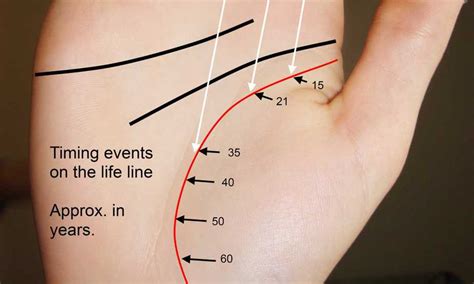
- Locate the life line on your palm, which begins between the thumb and index finger and arcs downward toward the wrist.
- Examine the length, depth, and curvature of the life line, taking note of any branches, breaks, or markings that may appear.
- Consider the overall palm structure and other lines, such as the heart line and head line, to provide context for your life line reading.
- Use a magnifying glass or lamp to illuminate the lines and see even the smallest details and markings.
- Take your time and be patient, as reading the life line can be a complex and nuanced process.
The Pros and Cons of Palmistry
Palmistry can be a valuable tool for personal growth, self-awareness, and decision-making. However, it is not a scientifically recognized practice, and its validity is not universally accepted. Here are some pros and cons to consider:
- Pros:
- Can provide valuable insights into an individual’s life journey
- Can help individuals develop a clearer understanding of their options and make more informed decisions
- Can be a useful tool for personal growth and self-awareness
- Cons:
- Is not a scientifically recognized practice
- May not be universally accepted as a valid tool for decision-making
- Can be subjective and open to interpretation