










Lights Planner Action Inserts Overview
I've just finished a home project and was thinking about the next one. Media room renovation cost is something I'm curious about, as it's a big job and I want to get it right. I've heard it can be expensive, but I'm not sure what the typical costs are or how to plan for it. I need to know what to expect and how to make sure I get a good deal.
Understanding Media Room Renovation Costs
So, you're thinking about transforming your space into a media room haven? It's an exciting project, but media room renovation cost can be a big consideration. Let's break it down and explore what factors influence the price tag.
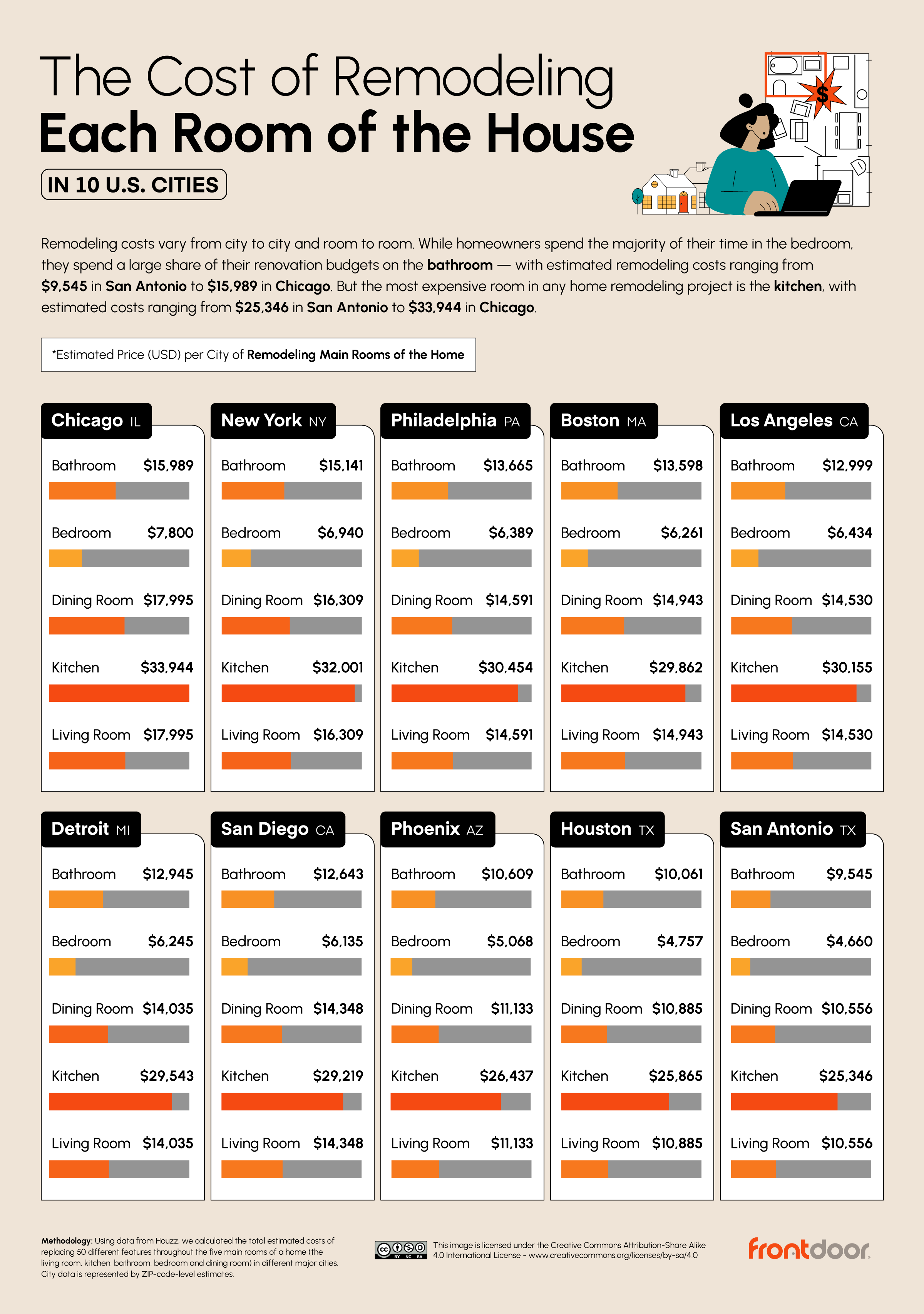
The cost of your media room renovation will depend on several key elements. Firstly, the size of the room and the scope of work required. Are you converting an existing space or starting from scratch? The more complex the design and the larger the room, the higher the cost will likely be.
Materials play a significant role too. From high-end audio-visual equipment to comfortable seating and stylish decor, the choices you make will impact the overall expense. It's a balance between your vision and your budget.
Labor costs are another crucial factor. Hiring skilled professionals to handle the electrical work, soundproofing, and installation of specialized equipment can add up. It's important to get quotes from reputable contractors to ensure a smooth and efficient renovation process.
Finding the Right Contractor
When it comes to hiring a contractor for your media room renovation, there are a few key things to consider. First, check their qualifications and experience. You want someone who specializes in home remodeling and has a proven track record. Ask for references and read reviews to get a sense of their work.
Get multiple quotes to compare prices and services. A good contractor will provide a detailed breakdown of costs, so you know exactly what you're paying for. Don't just go for the cheapest option; consider the value and quality of the work offered.
Construction Companies and Names
The construction industry is diverse, with companies of all sizes. When it comes to media room renovations, you'll likely be looking for a specialized home remodeling contractor. These companies focus on residential projects and can offer personalized services.
Choosing a name for your construction business is important. It should be memorable and reflect your brand. Some ideas could be:
- BuildCraft
- Home Innovation Group
- Remodel Pros
- Design & Build Co.
- The Renovators
- Modern Spaces
Remember to check name availability and secure the right domain and local registrations.
Industry Insights and Jobs
The construction industry offers a range of roles, from estimators who calculate costs to project managers overseeing renovations. These jobs are in demand and often involve working with various professionals.
As for salaries, they can vary based on experience and the company's size. Larger firms may offer competitive packages, while smaller businesses might provide a more personalized work environment. Job boards and industry-specific websites are great places to start your search.
Data and Tools for Estimating Costs
When it comes to estimating media room renovation cost, tools like RSMeans can be invaluable. These databases provide cost information for various construction projects, helping contractors and homeowners alike. They offer insights into material and labor expenses, ensuring accurate quotes.
For a media room renovation, you'll want to consider the cost escalation over time. This accounts for potential price increases due to market fluctuations and helps you budget effectively. It's a valuable tool for long-term planning.
Big Picture: Industry and Market
The construction industry is diverse, with a range of companies from small, family-run businesses to large corporations. Larger firms often have the resources for bigger projects and can offer competitive pricing. However, smaller companies might provide more personalized service and attention to detail.
The market outlook is an important consideration. Construction trends and economic factors can impact the industry. Staying informed about these changes can help you make smart decisions when planning your media room renovation.
Final Thoughts
Renovating a media room is an exciting project, and understanding the media room renovation cost is crucial. From materials to labor, there are many factors to consider. By researching and comparing quotes, you can make an informed decision and create your dream media room within your budget.
Related: Jazz Depth Chart: A Comprehensive Guide
Frustrated by the lack of clarity on jazz depth charts? You're not alone. Many musicians and enthusiasts seek a straightforward guide to understanding these charts, which can vary in format and structure. The jazz depth chart is a valuable tool, offering a snapshot of a jazz ensemble's hierarchy and roles. It provides a quick reference, ensuring everyone knows their place and purpose within the band's dynamic. Whether it's a jazz band hierarchy or a big band organization, these charts are essential for smooth collaboration and performance.
Understanding the Jazz Depth Chart: A Practical Guide
A jazz depth chart is a visual representation, often in the form of a diagram or table, that outlines the typical hierarchy and structure of a jazz ensemble. It provides an overview of the instrumental roles, their relative importance, and the standard setup for a jazz band. This chart is an essential tool for musicians, composers, and arrangers, offering a quick reference for understanding the dynamics and organization of a jazz group.
Comparing Common Instrumentation and Formats
The jazz depth chart typically features a range of instruments, each with its designated position and role. Common categories include the rhythm section, which forms the backbone of the ensemble, and the front line, which takes the lead in improvisation. The rhythm section often includes piano, bass, drums, and sometimes guitar, while the front line can feature a variety of instruments like saxophone, trumpet, trombone, and vocals. The chart may also indicate the number of players per section, providing a standard framework for jazz band hierarchy.
Reading and Applying the Depth Chart: A Step-by-Step Guide
Start by familiarizing yourself with the chart's layout. Identify the different sections and their respective instruments. Look for any labels or legends that explain the symbols or abbreviations used.
Understand the relative importance of each instrument. The depth chart often uses a visual hierarchy, with larger or more prominent symbols representing key instruments or sections.
Consider the number of players suggested for each section. While this can vary, the chart provides a standard guide, ensuring a balanced and functional ensemble.
When arranging or composing for a jazz band, use the depth chart as a starting point. It offers a clear structure to build upon, ensuring a well-organized and harmonious performance.
Adapt the chart to your specific needs. While it provides a standard framework, jazz is an art form that encourages creativity and experimentation. Feel free to modify the setup to suit your musical vision.
Avoiding Common Misreadings and Pitfalls
One common mistake is assuming that the jazz depth chart is a rigid, unchangeable blueprint. While it provides a standard structure, jazz is a flexible genre, and variations are common. Always consider the specific context, the style of jazz being performed, and the unique talents of the musicians involved.
Another pitfall is neglecting to consider the dynamics and interplay between sections. The depth chart is a guide, but the true magic of jazz lies in the interaction and improvisation between musicians. Ensure your arrangements allow for this creative freedom.
Key Factors Affecting Accuracy and Real-World Use
The accuracy of a jazz depth chart can vary depending on the specific jazz style and regional influences. For instance, a big band setup may differ from a small jazz combo, and international variations may exist. Always consider the context and double-check specific requirements or tolerances when necessary.
Additionally, the chart's effectiveness relies on the skill and creativity of the musicians. While it provides a framework, the true essence of jazz comes from the unique interpretations and improvisational skills of the performers.
Adapting the Chart for Specific Needs and Formats
While the jazz depth chart offers a standard guide, it can be adapted to suit various formats and genres. For instance, a jazz fusion band may require additional electric instruments, or a Latin jazz ensemble might feature percussion instruments not typically found in a traditional jazz band.
When adapting the chart, consider the unique characteristics of the style you're working with. Ensure the adapted setup still maintains a balanced and harmonious ensemble, allowing for the creative interplay that defines jazz music.
Well, that's a wrap on our exploration of the jazz depth chart and its practical applications. We've covered a lot of ground, from understanding the basics to tailoring the chart to your unique needs.
Remember, when applying these concepts, it's essential to consider your specific context and requirements. Exact values and formats may vary, so always double-check what works best for your situation. Feel free to explore our other guides; we've got a range of topics that might interest you and provide further insights into the world of jazz and its many facets. Happy reading and, as always, keep that jazz spirit alive!
Related: How to apply the excel multiply formula for totals?
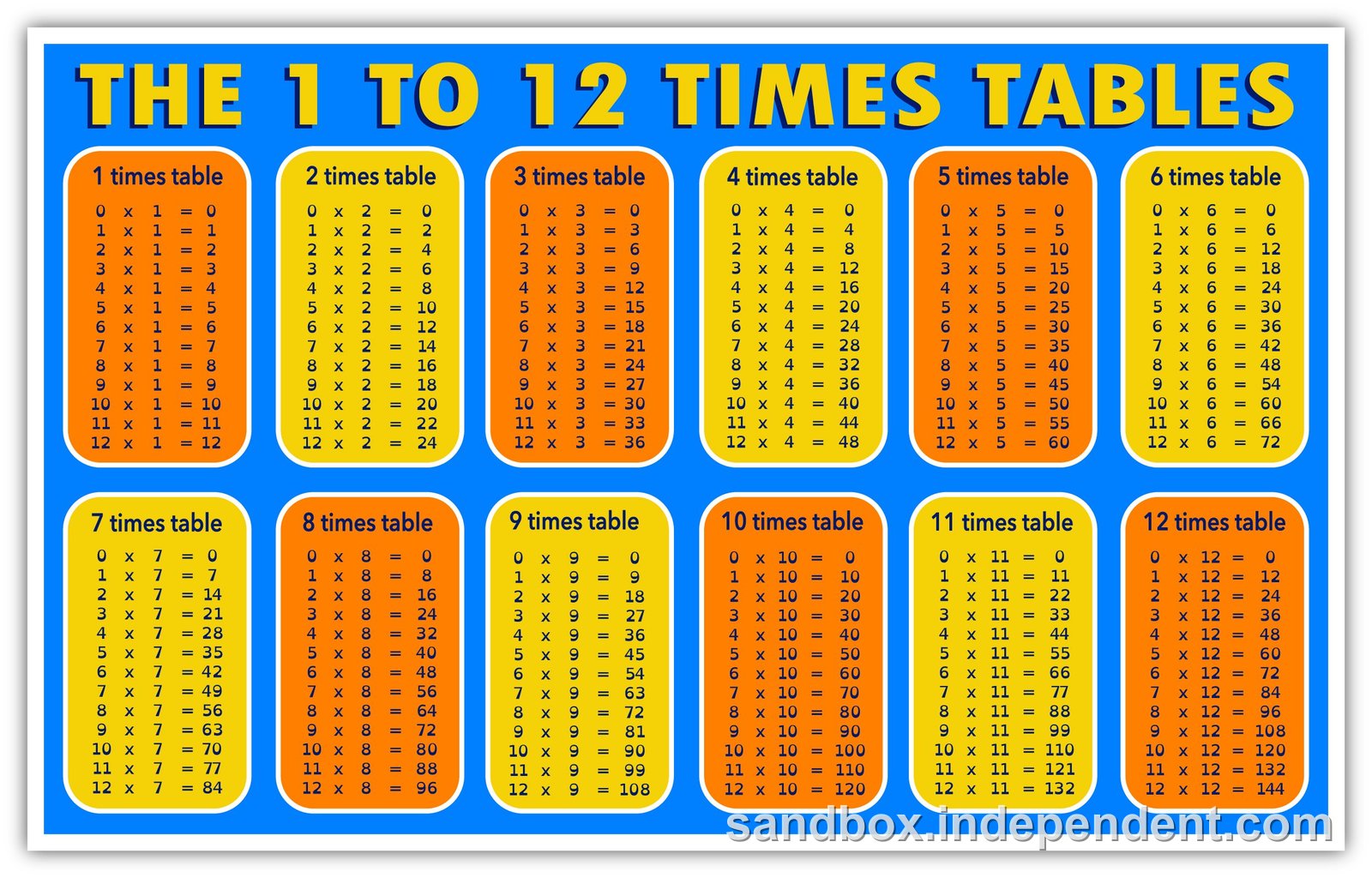
The excel multiply formula is the basic way to multiply numbers in Excel. This post shows how to use it for single cells, ranges, and simple constants.
You can apply it to multiply a column by a constant or combine it with IF for conditional calculations. If your workbook uses different versions, the syntax stays the same, though some newer functions may be available. Try the shortcut Ctrl+Shift+U to see the formula in action.
Multiply Cells, Ranges, and Constants with the excel multiply formula (asterisk operator usage)
The excel multiply formula lets you multiply a single cell, a range, or a constant using the asterisk () operator. It works the same in all Excel versions and updates instantly after pressing Enter.
To multiply a column, type the formula in the top cell and drag the fill handle down. For large ranges, a dynamic array formula can avoid manual dragging.
Combine the formula with IF for conditional multiplication, e.g., =IF(A2>10, A22, A21). In older Excel, press Ctrl+Shift+U to view the formula in the formula bar.
Requirements Before Using the excel multiply formula (apply to column)
Before you start, ensure your Excel version supports the features you need. Excel for Microsoft 365 and Excel 2019 include the full set of array functions.
All cells should contain numeric values; text will cause a #VALUE! error. If a cell might be blank, wrap the multiplication in IF to provide a default value.
Basic multiplication needs no special subscription. For newer functions like MUL, a Microsoft 365 subscription is required; check workbook trust settings if security prompts appear.
Step-by-Step Guide to Multiply a Column by a Constant
Follow these steps to multiply a column by a constant using the basic formula. The method works across Excel for Windows, Mac, and the web with minor UI differences.
- Select the column you want to multiply by clicking the column header.
- In the first cell of the column, type the constant followed by an asterisk and then the first cell reference, such as =5A2.
- Press Enter to calculate the result, then click the fill handle and drag down to copy the formula.
- For a dynamic array, use =MUL(A2:A100, 3) in Microsoft 365 or enter the array formula with Ctrl+Shift+U in older Excel.
You can also combine the excel multiply formula with IF for conditional results, e.g., =IF(A2>10, A22, A21). Ensure each part returns a number to avoid #VALUE! errors.
In older Excel, press Ctrl+Shift+U after typing the array formula to enclose it in braces. This tells Excel to treat the formula as an array operation.
Common Reasons the excel multiply formula Returns #VALUE! (zero value handling)
The #VALUE! error often appears when Excel cannot perform the multiplication because of incompatible data types. Checking the cells involved is the first step to resolve the issue. A quick way to test is to use ISNUMBER on each operand; if it returns FALSE, the cell likely contains text.
Another common cause is referencing a blank cell without a default value. Blank cells are treated as zero, which can be acceptable, but sometimes you want a specific result instead. Wrapping the multiplication in IF with a condition such as =IF(A2="",0,A2B2) avoids unexpected zeros.
- A cell contains text instead of a number.
- The formula references a blank cell, resulting in zero.
- An array formula was entered without using Ctrl+Shift+U in older Excel.
- Circular reference prevents calculation.
- Using a range that includes a header label that is text.
If the error persists after checking the cells, try saving the workbook and reopening Excel to clear any cached formula issues.
To fix the issue, convert text to numbers using Data > Text to Columns or by adding 0 to the cell, and ensure array formulas are entered with the proper shortcut. After correction, re-enter the formula and verify the result updates correctly.
Use a Dynamic Array Formula to Multiply Entire Ranges (dynamic array formula)
When you need to multiply a whole range without dragging, a dynamic array formula provides a cleaner solution. In Microsoft 365, you can use =MUL(A2:A100, 3) to multiply each element of the range by 3 and spill the results automatically. This approach eliminates the need to copy the formula manually and reduces the chance of misalignment.
If you prefer a formula that automatically expands, consider using the newer excel multiply formula with array handling, such as =MUL(A2:A100, 3). Make sure your Excel version supports the MUL function; otherwise, use the traditional =A2:A1003 array formula entered with Ctrl+Shift+U. Both methods produce the same result but differ in syntax and availability.
Another quick method is to use Paste Special to multiply a selection of cells by a constant without writing a formula. Copy the constant to the clipboard, select the range, right-click and choose Paste Special > Multiply, then OK. This technique is useful for one‑off calculations and avoids formula errors entirely.
Menus can look a bit different depending on your Excel version, but the core steps stay the same. If you’d like more Office tips, feel free to explore the other how‑to articles.
Next time you need to multiply a column, bookmark this page so you can get back to it quickly.