



Line Cross Meaning Film Overview
I was chatting with a friend recently, and we got onto the topic of unique construction names with meaning. It's something I've always found fascinating, how a name can capture the essence of a business and leave a lasting impression. So, I thought I'd share some thoughts and insights on this fun aspect of the construction world.
The Power of a Name
A unique and meaningful name for your construction business can set you apart from the competition. It's your first chance to make an impression and connect with potential clients. But what makes a good name? Well, it's a balance between creativity and practicality. You want something memorable, but it also needs to reflect your business's values and services.
Consider the tone and message you want to convey. Is your business focused on innovative, modern construction? Or do you specialize in traditional, heritage-style builds? The name should hint at your expertise and the unique value you bring to the table. It's a chance to showcase your personality and make a bold statement.
Naming Your Business
When brainstorming names, think about words and phrases that resonate with your brand. It could be a play on words, a nod to your location, or a reference to the services you offer. Get creative, but also ensure the name is easy to remember and pronounce. You don't want potential clients stumbling over your business name!
Here are a few original ideas to spark your imagination:
- Build-it-Bright
- Construct-a-Dream
- Hammer & Hive
- Modern Foundations
- Eco-Build Solutions
- The Bricklayer's Club
Remember, it's crucial to check the availability of your chosen name. You'll need to register it with local authorities and secure the domain name for your website. It's a good idea to consult a legal professional to ensure you're covering all the bases.
Standing Out in a Competitive Industry
The construction industry is bustling with businesses, both large and small. So, how do you make your company stand out? A unique and meaningful name is one way to differentiate yourself. It shows you've put thought into your brand and helps you build a strong identity.
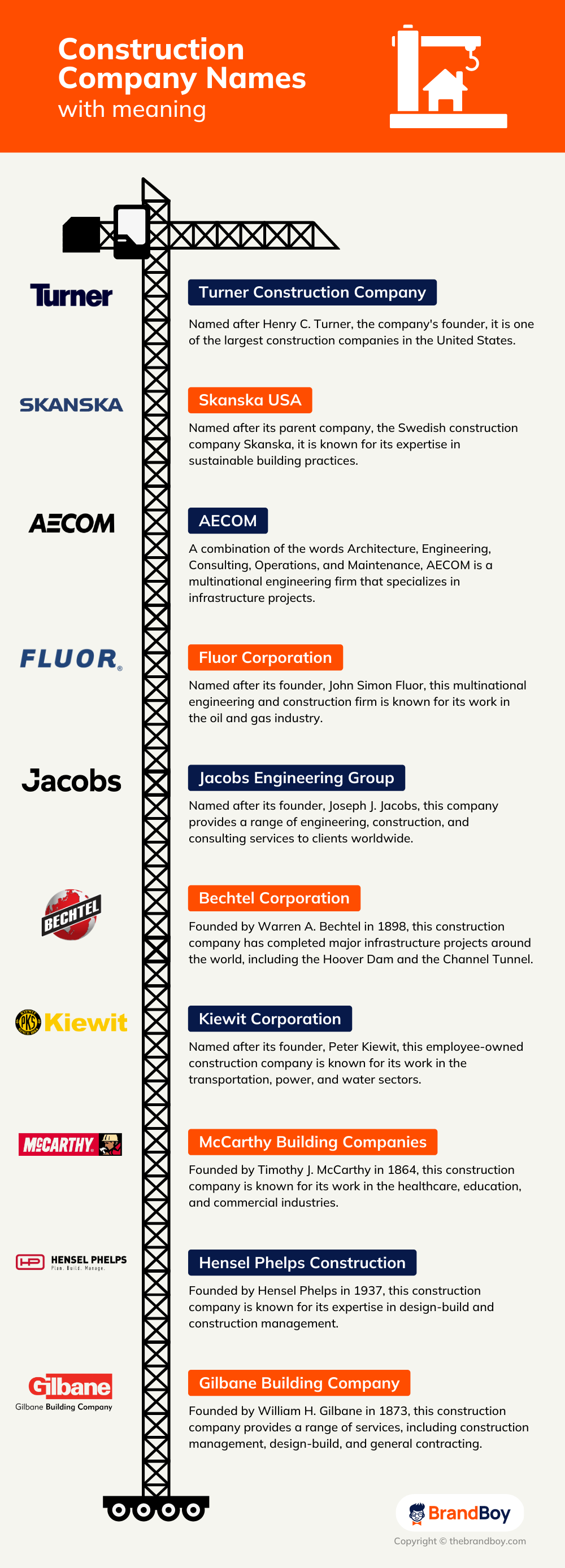
Large construction firms often have well-established names that reflect their size and scope. They might incorporate their location or a reference to their long history. Smaller businesses, on the other hand, can use unique names to their advantage, showcasing their specialty and personality.
Finding the Right Contractor
When searching for a contractor, whether for a large-scale project or a home renovation, it's essential to do your research. A unique name can be a great conversation starter, but it's what's behind the name that matters most.
Ask for recommendations from friends and family, and check online reviews. Get quotes from several contractors and compare their services and prices. Don't be afraid to ask questions and ensure you understand the scope of the work and any potential additional costs. A good contractor will be transparent and happy to answer your queries.
Tools of the Trade
In the construction world, there are various tools and resources to help with estimating costs and managing projects. One such tool is RSMeans, a database that provides cost data for various construction projects. It's a valuable resource for both contractors and clients, offering insights into the potential costs of a build.
However, it's important to remember that these tools provide estimates, and the final cost can vary depending on factors like location, materials, and labor. Always get a detailed quote from your contractor and compare it with other estimates to ensure you're getting a fair price.
Final Thoughts
Choosing a unique and meaningful name for your construction business is an exciting step. It's a chance to showcase your creativity and leave a lasting impression. Remember to keep it practical and ensure your name reflects your brand's values and services. And when hiring a contractor, take the time to research and compare, ensuring you find the right fit for your project. Happy building!
Related: Understand Egg Candling Charts
An egg candling chart is a simple yet effective tool for anyone interested in egg incubation and hatching. It's a visual guide that simplifies the process of understanding egg development.
This guide will walk you through the basics, covering the key stages and what to expect. You'll learn how to read and interpret the egg candling chart, which can vary slightly depending on the source, so we'll explore the common elements and their meanings. From embryo development to candling egg stages, it's all about demystifying this fascinating process.
Understanding the Egg Candling Chart: A Practical Guide
The egg candling chart is your handy reference tool for assessing egg quality and development. It's a visual guide, often in table format, that helps you evaluate eggs during the candling process. This chart is a valuable resource for anyone involved in egg incubation, whether you're a hobbyist or a professional.
Interpreting Results: Comparing Candling Chart Standards
Egg candling charts can vary based on the standards and units used. Some charts provide measurements in inches, while others use centimeters. It's crucial to ensure you're using the right chart for your region and specific needs. For instance, a chart designed for metric measurements might not align with US standard units.
The chart typically presents a range of values, indicating the expected size or appearance of an egg at different stages of development. These values can refer to the size of the air cell, the embryo's progress, or other indicators of egg quality. By comparing these values to your egg, you can gain insights into its health and potential.
Step-by-Step Guide to Using the Candling Chart
Using the egg candling chart is straightforward. Here's a simple process:
- Ensure you have the right chart for your region and the type of eggs you're assessing.
- Gather your egg candling equipment, including a reliable light source and a dark room for optimal visibility.
- Carefully candle your egg by holding it up to the light.
- Compare the appearance of the egg to the values and categories on your chart.
- Interpret the results: a healthy, developing egg will show specific indicators, such as a growing embryo or a decreasing air cell.
- Repeat the process at regular intervals to track the egg's progress.
Avoiding Common Misreadings and Pitfalls
Misinterpreting the egg candling chart is common, especially for beginners. Here are some tips to avoid mistakes:
- Ensure your light source is bright and focused. A weak light might lead to inaccurate readings.
- Be cautious of eggs with unusual shapes or sizes. These can distort the results and require a more experienced eye.
- Don't rush the process. Take your time to observe and compare, especially if you're new to candling.
- Double-check your chart's units and standards. Using the wrong chart can lead to misinterpretation.
Key Factors Affecting Accuracy
Several factors can influence the accuracy of your egg candling readings:
Egg size and breed: Different breeds and sizes of eggs may have varying norms.
Incubation conditions: Temperature and humidity can impact embryo development.
Candling equipment: Ensure your light source is consistent and powerful enough.
Experience: The more you candle, the better your eye for interpreting results.
Egg quality: Always start with high-quality, fertile eggs for accurate readings.
Egg age: Older eggs might not develop as expected, affecting the results.
Adapting the Chart for Specific Needs
While standard egg candling charts cover most scenarios, you might need to adapt them for specific situations. Here are some considerations:
- If you're incubating exotic bird eggs, you might need a specialized chart with different development norms.
- For eggs with known issues or abnormalities, a standard chart might not apply. In such cases, consult an expert or a more detailed reference guide.
- If you're a professional breeder, you might prefer a more detailed chart with precise measurements and additional indicators.
Remember, the egg candling chart is a valuable tool, but it's just one part of the incubation process. Combine it with your knowledge and experience for the best results.
Hey there, I hope this egg candling chart guide has been helpful! It's a handy tool to have, and while the basics remain the same, you might find some variations in practice.
Every situation is unique, so it's always a good idea to be aware of the different factors that can influence your candling experience. Remember, this is a reference guide, and you can adapt it to your specific needs.
Feel free to bookmark this page for future reference. It's always good to have these practical tools at your fingertips!
Related: Uncover Ventura's Tide Secrets
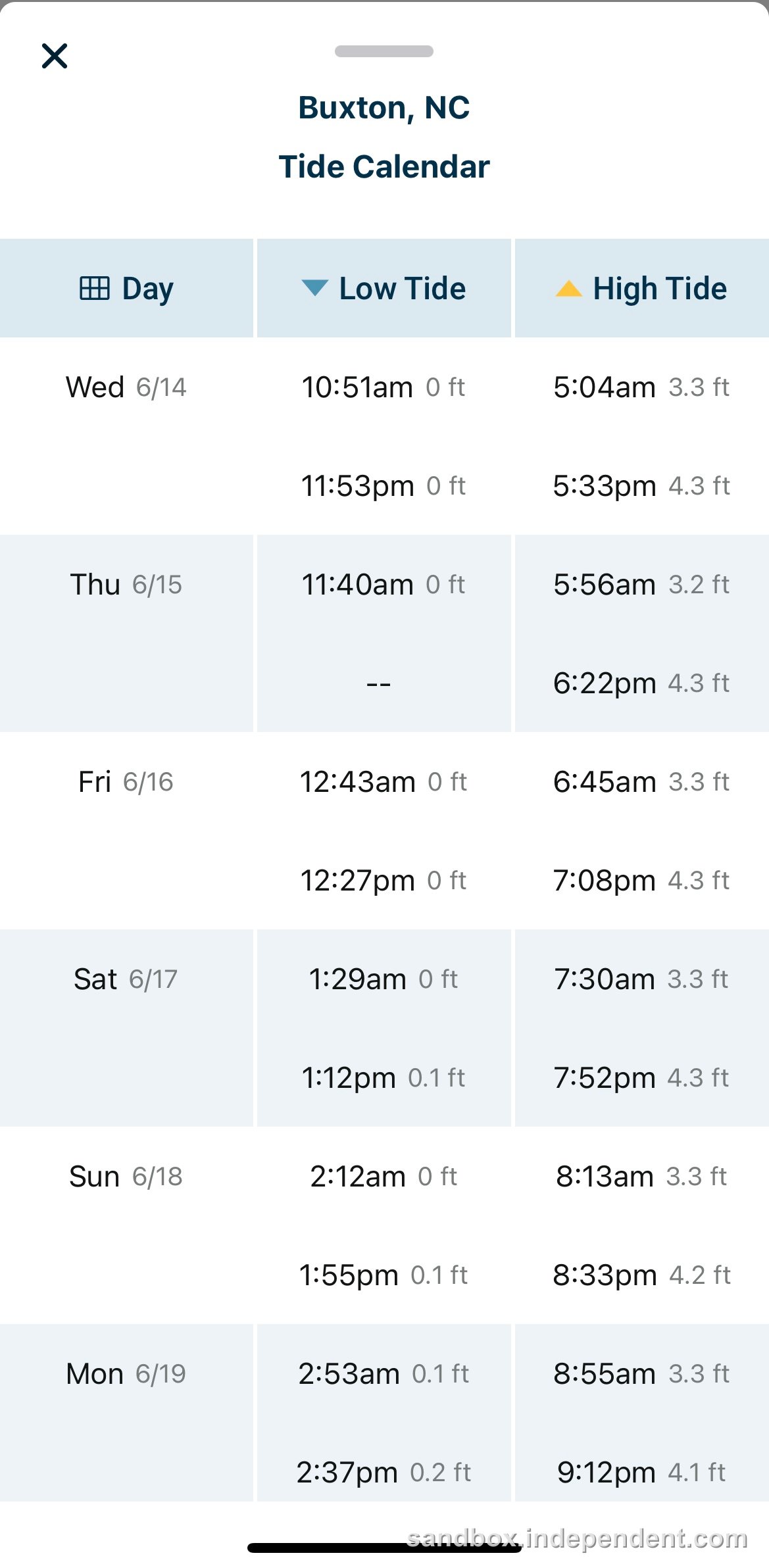
Many folks new to reading ventura tide charts often assume they're complex and intimidating. But fear not! These charts are your simple, trusted guide to understanding the rise and fall of tide levels.
The ventura tide chart is a straightforward tool, offering a quick glimpse into the Pacific Ocean's tides. It provides essential info on tide heights and variations, making it a handy reference for any coastal adventure in California.
The Ventura Tide Chart: Unlocking the Secrets of the Pacific Ocean Tides
The ventura tide chart is a powerful tool for anyone exploring the California coast. It provides a clear, visual representation of the tide levels and helps you plan your coastal adventures with ease. This chart is your key to understanding the ebb and flow of the Pacific Ocean tides along the Ventura coastline.
Understanding the Data: Key Details and Categories
The ventura tide chart typically displays tide levels in feet or meters, depending on the standard used. It shows the predicted tide heights for specific times throughout the day, usually covering a 24-hour period. The chart categorizes tide levels into high and low tides, with additional details on the time and height of each. You'll also find information on the moon phase, which influences tidal patterns.
Reading the Graph: A Step-by-Step Guide
To read the ventura tide chart, start by identifying the time of day along the horizontal axis. The vertical axis represents the tide height. Simply match the time with the corresponding tide level to get an accurate reading. For instance, if you see a high tide at 9 am, you can expect the water to be at its highest point at that time. Low tides are indicated by the lowest points on the chart.
Common Fluctuations: Why Tide Levels Vary
Tide levels can vary due to several factors. The position of the moon and sun relative to the Earth is a primary influence. Additionally, weather conditions, such as strong winds or storms, can impact tidal patterns. Local geography, like the shape of the coastline and the depth of the ocean, also plays a role. These factors can cause slight variations in tide times and heights, so it's essential to be aware of these potential differences.
Practical Applications: Avoiding Common Mistakes
One common mistake is assuming that the tide chart is an exact representation of real-time conditions. While it provides valuable predictions, actual tide levels can differ slightly due to the dynamic nature of the ocean. Another pitfall is neglecting to check for any recent weather events that may have affected tidal patterns. Always double-check the current conditions and consider any recent weather changes to ensure accurate planning.
Useful Insights: Tips for Accurate Results
To ensure the best accuracy when using the ventura tide chart, consider the following tips. First, familiarize yourself with the local geography and how it might impact tides. Second, keep an eye on weather forecasts, as sudden changes can affect tide levels. Finally, if you're planning an activity that relies on specific tide heights, such as kayaking or fishing, allow for some flexibility in your schedule to account for potential variations.
Edge Cases and Exceptions: What to Double-Check
While the ventura tide chart is a reliable guide, there are instances when you should double-check the specifics. If you're planning an activity that requires precise tide levels, such as marine research or construction, consult additional resources for more detailed predictions. Additionally, if you're visiting Ventura during a full moon or new moon, be aware that tidal variations can be more pronounced during these periods.
By understanding and utilizing the ventura tide chart, you can make the most of your time along the California coast. It's a simple yet powerful tool that ensures your coastal adventures are well-planned and enjoyable. So, whether you're a surfer, fisherman, or simply a beachgoer, the ventura tide chart is your trusted companion for exploring the dynamic tides of the Pacific Ocean.
Well, that's the lowdown on Ventura's tide chart! It's a handy tool to have, and while the basics are covered, remember that exact details might differ slightly based on your specific needs and the source you consult.
So, the next time you're planning a coastal adventure, be sure to bookmark this page for a quick refresher. It's always good to have these practical guides at your fingertips, and there are plenty more where this came from!