Understanding the Lip Sync Chart
Learn how to interpret the lip sync chart with clear, simple explanations and practical tips. Get started now and improve your understanding.
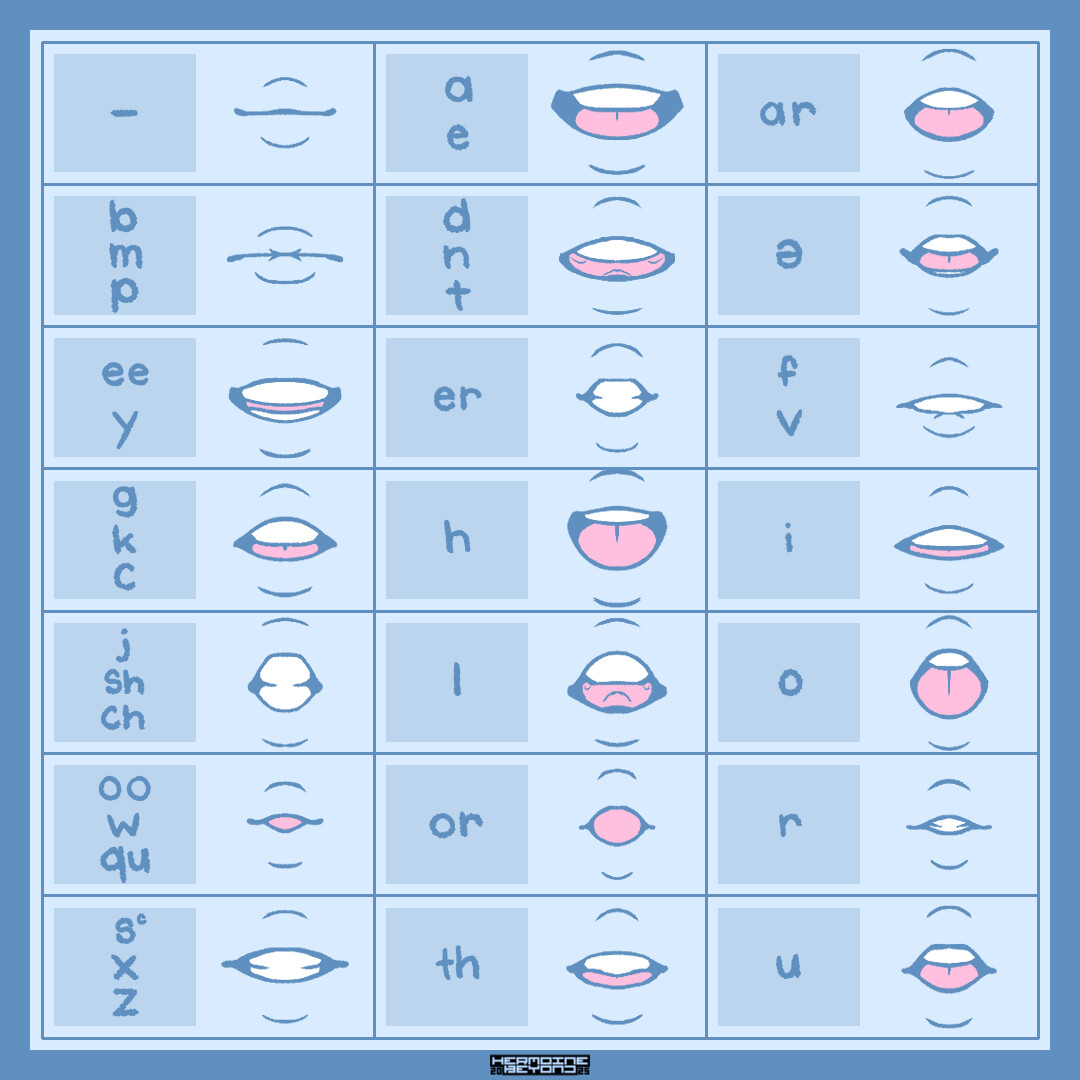
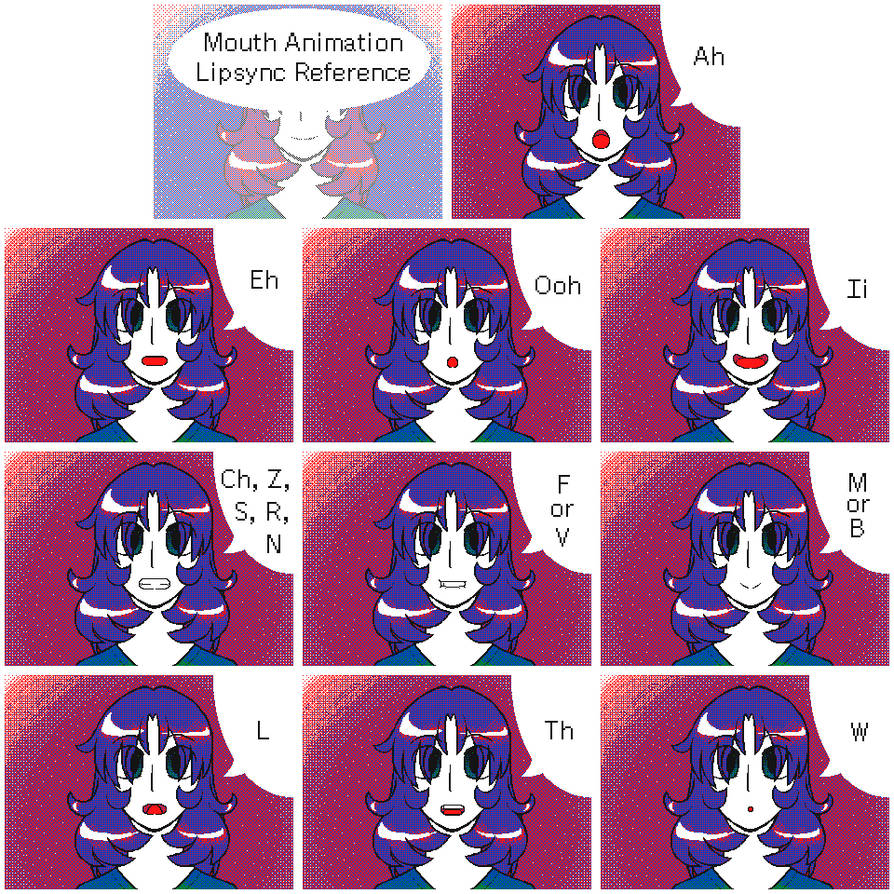
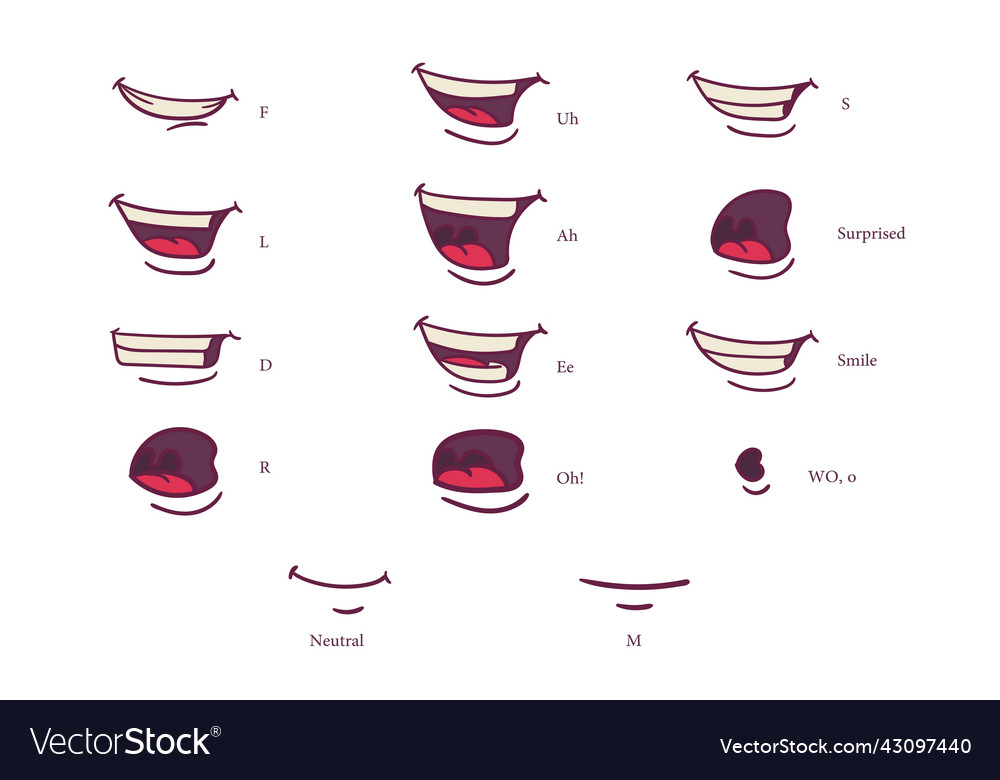
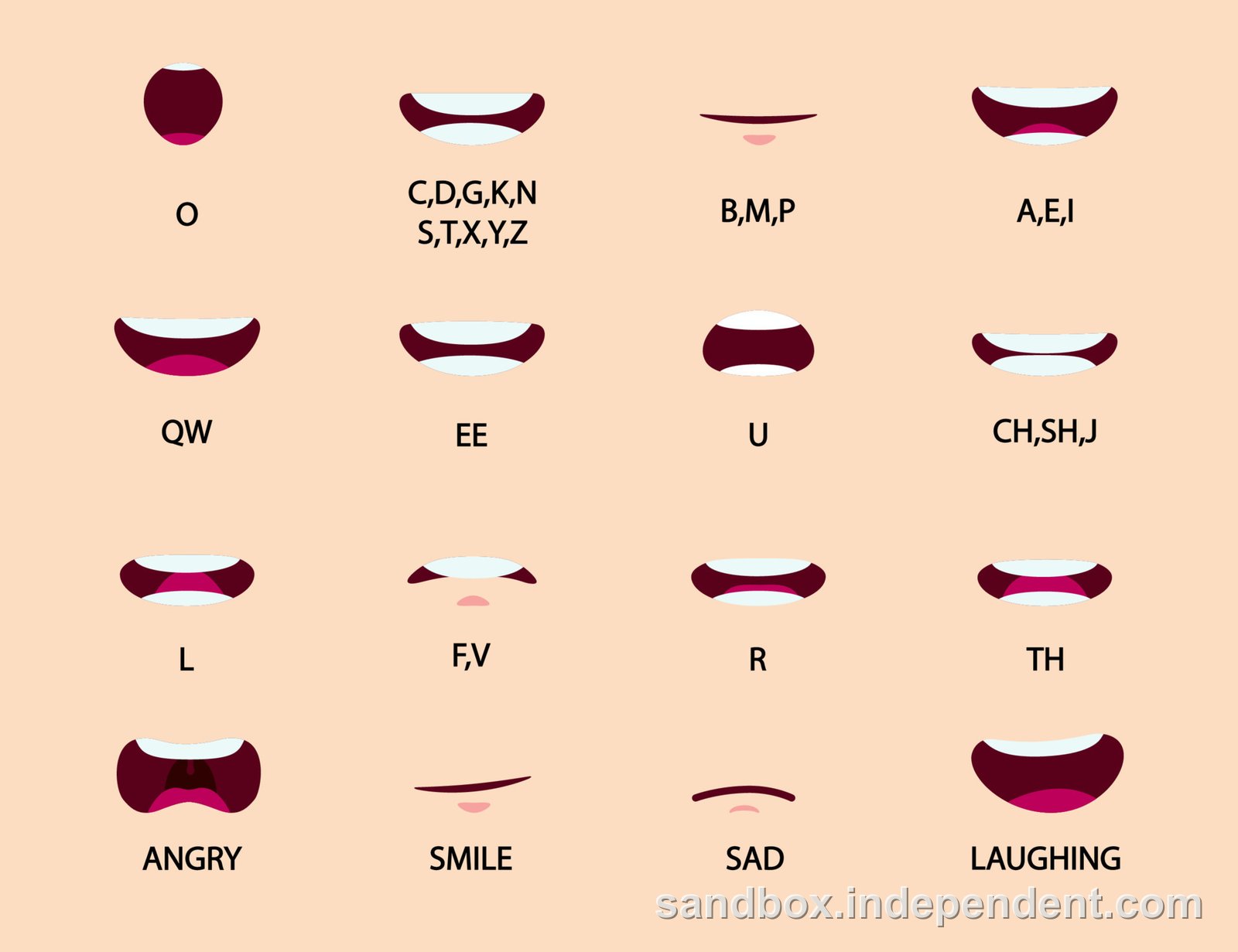
A lip sync chart can be a bit of a mystery to those new to it, but it's actually a simple and useful tool. Many assume it's only for professionals, but it's a valuable reference for anyone dealing with audio-visual sync.
The chart is a straightforward guide, often tailored to specific needs, ensuring your lips match the words perfectly. It's an essential tool for ensuring your content is on point, whether you're a content creator or just want to avoid video sync issues.
What is a Lip Sync Chart?
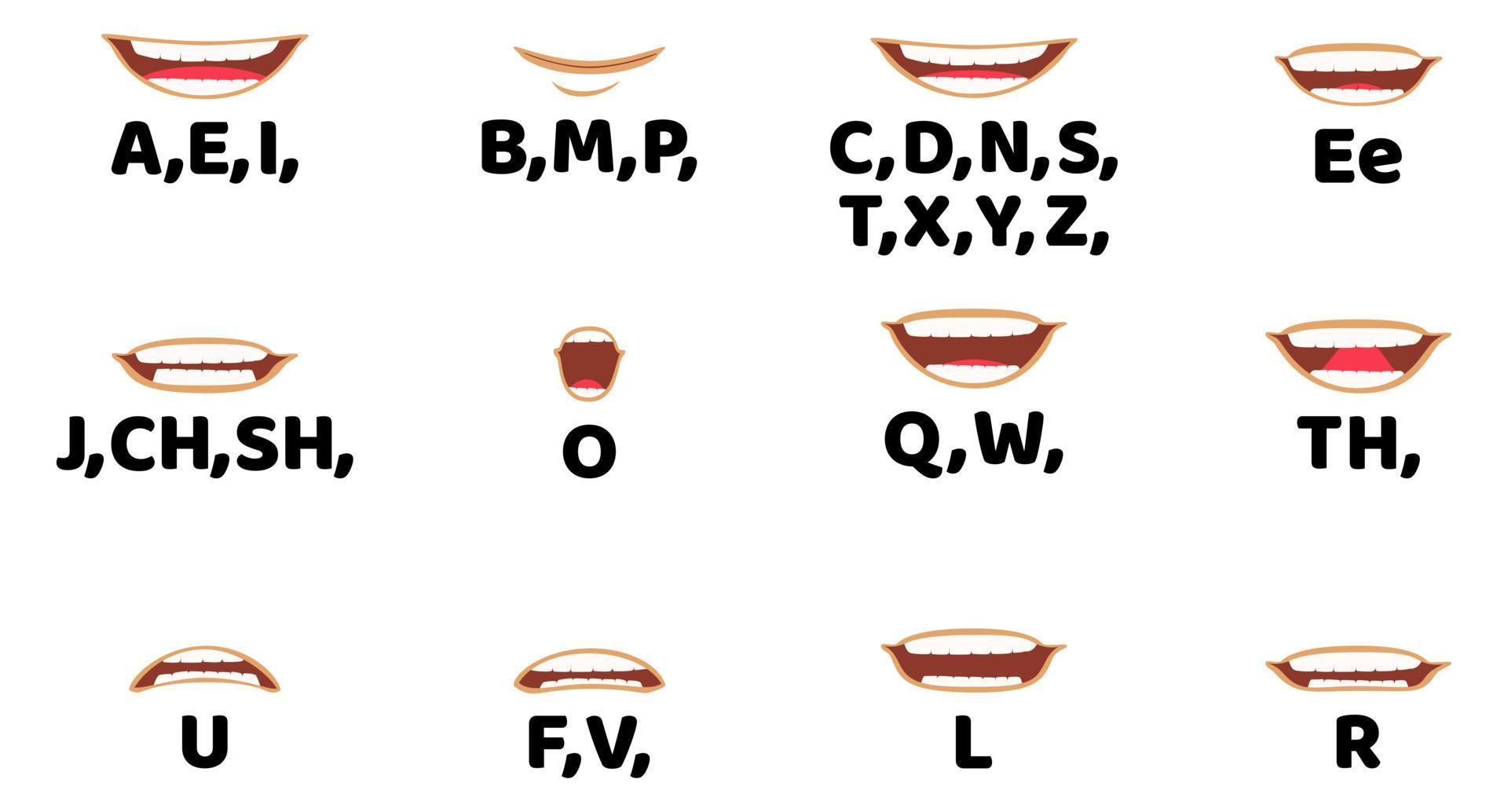
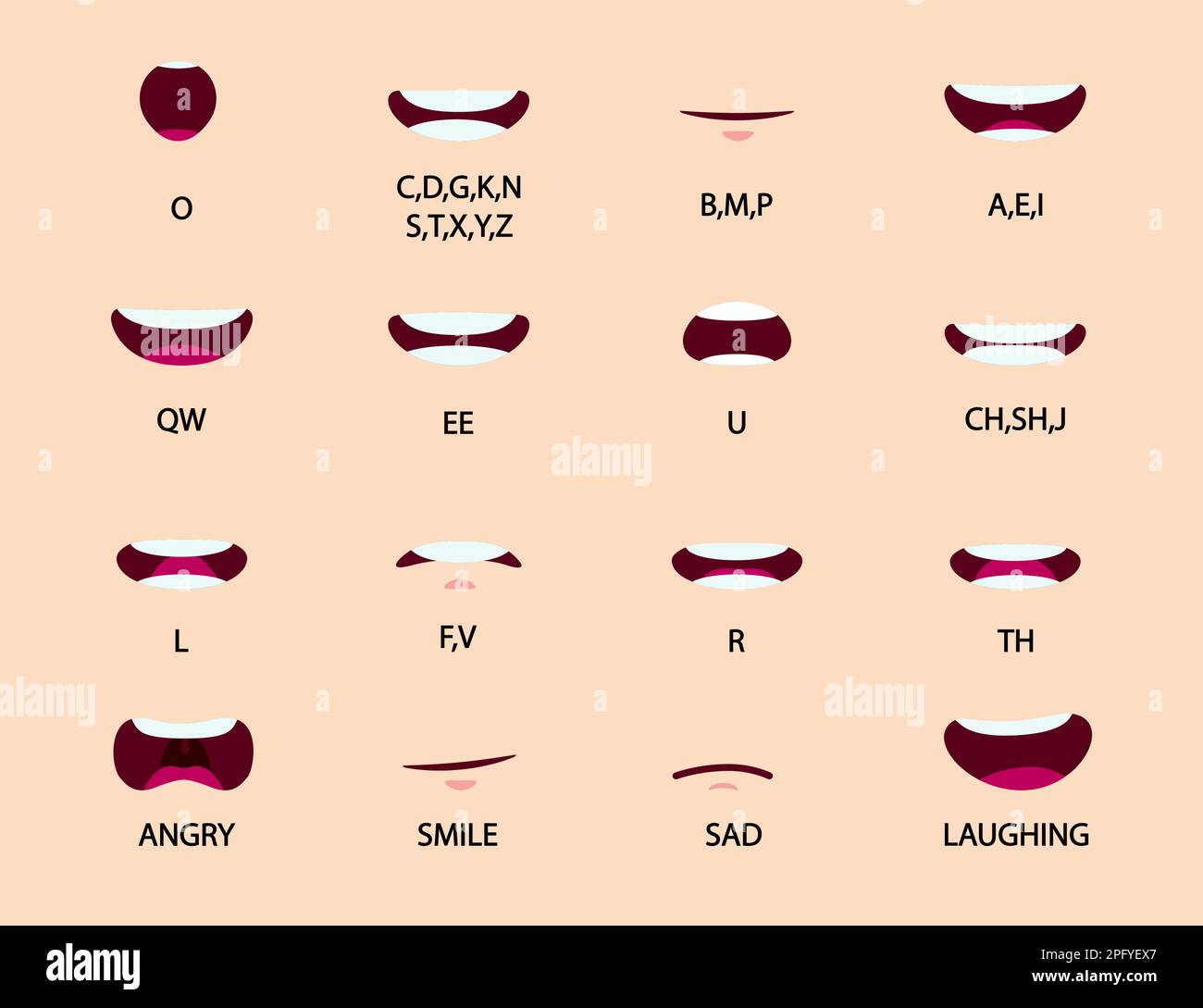
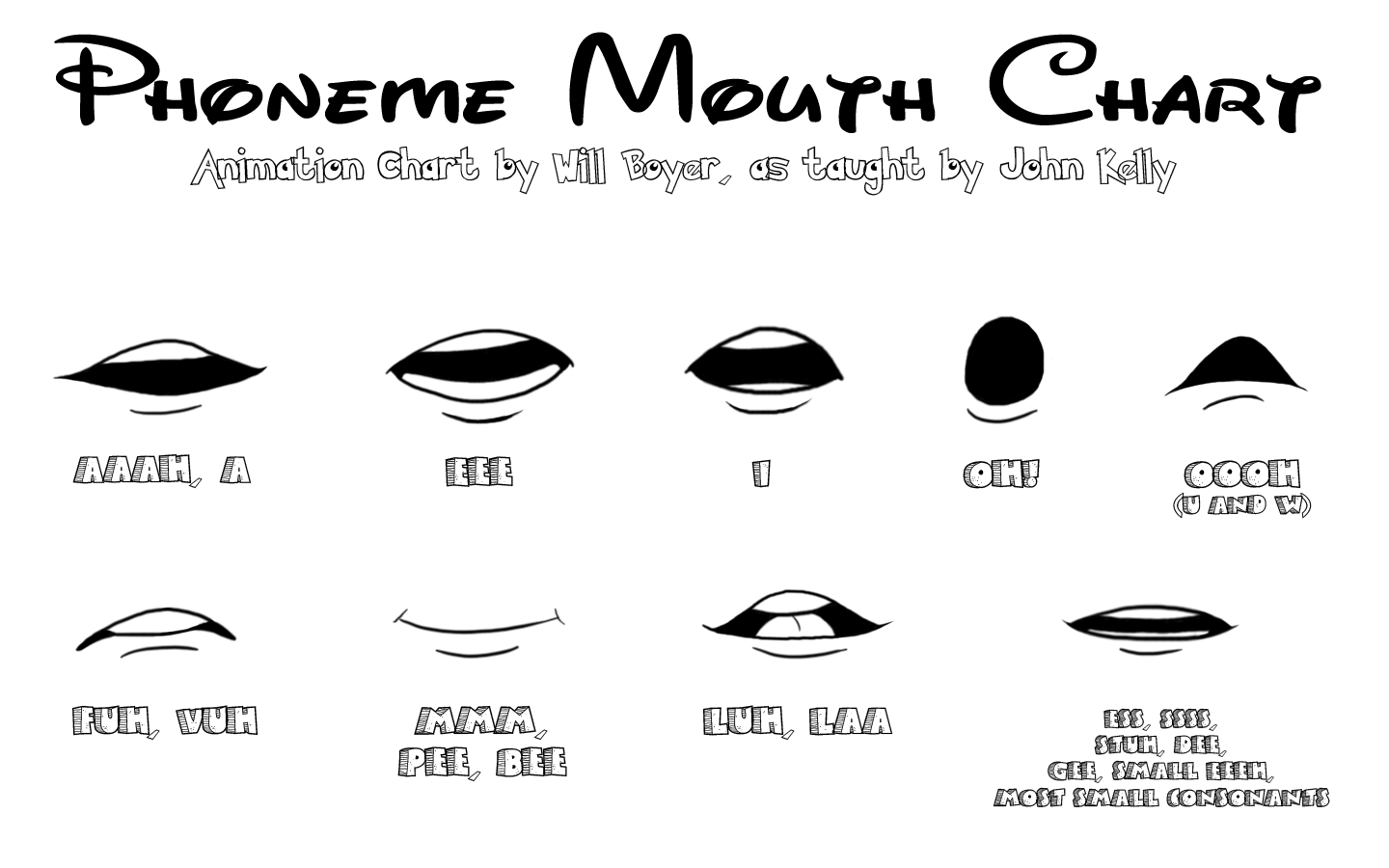
A lip sync chart is a valuable tool for ensuring accurate audio-visual synchronization in media production. It provides a visual representation of the relationship between audio and video signals, helping to identify and rectify any timing issues. This chart is an essential reference for professionals working in film, television, and video production, ensuring a seamless viewing experience for audiences.
Key Details and Categories
The lip sync chart typically displays information in a tabular format, with columns representing different factors affecting synchronization. These factors include frame rates, video formats, audio sample rates, and various delay measurements. The chart provides specific values or ranges for each category, allowing users to compare and adjust their settings accordingly. It's important to note that the values may vary depending on the standard or format being used, so it's essential to refer to the correct chart for your specific needs.
Reading and Applying the Lip Sync Chart
Here's a step-by-step guide on how to utilize the lip sync chart:
Identify your project's frame rate and video format. These are crucial parameters that determine the foundation of your synchronization.
Locate the corresponding values on the chart. The chart will provide you with the recommended audio sample rate and any necessary delays to achieve optimal synchronization.
Apply the recommended settings to your audio and video equipment. This may involve adjusting audio sample rates and introducing delays as indicated by the chart.
Test and verify the synchronization. Play back your media and observe the lip movements in relation to the audio. If any issues persist, refer back to the chart and make further adjustments as needed.
Understanding Sync Issues and Variations
Variations in synchronization can occur due to several factors. Here are some key considerations:
Frame rate conversions: Changing frame rates can introduce timing discrepancies, so it's essential to account for these conversions accurately.
Video format differences: Various video formats have unique characteristics, and their interaction with audio can vary. The lip sync chart accounts for these differences to ensure accurate synchronization.
Equipment and software variations: Different devices and software may have slight variations in their handling of audio and video signals. The chart provides a standardized reference to overcome these variations.
Environmental factors: External factors like temperature and signal interference can affect synchronization. While the chart provides a baseline, real-world conditions may require further adjustments.
Remember, while the lip sync chart offers a comprehensive guide, it's always beneficial to double-check specific tolerances and standards for your unique project requirements. By following these practical steps and understanding the potential variations, you can achieve precise audio-visual synchronization and deliver a high-quality viewing experience.
Hey there, I hope this lip sync chart guide has been a helpful reference for you. Remember, while the basics remain the same, the exact details can vary slightly depending on the context and the source you're working with.
So, keep this page bookmarked for a quick reminder, and feel free to explore our other guides for more practical tips and tricks. Happy syncing!
Images