



Lsu Depth Chart 2026 Overview
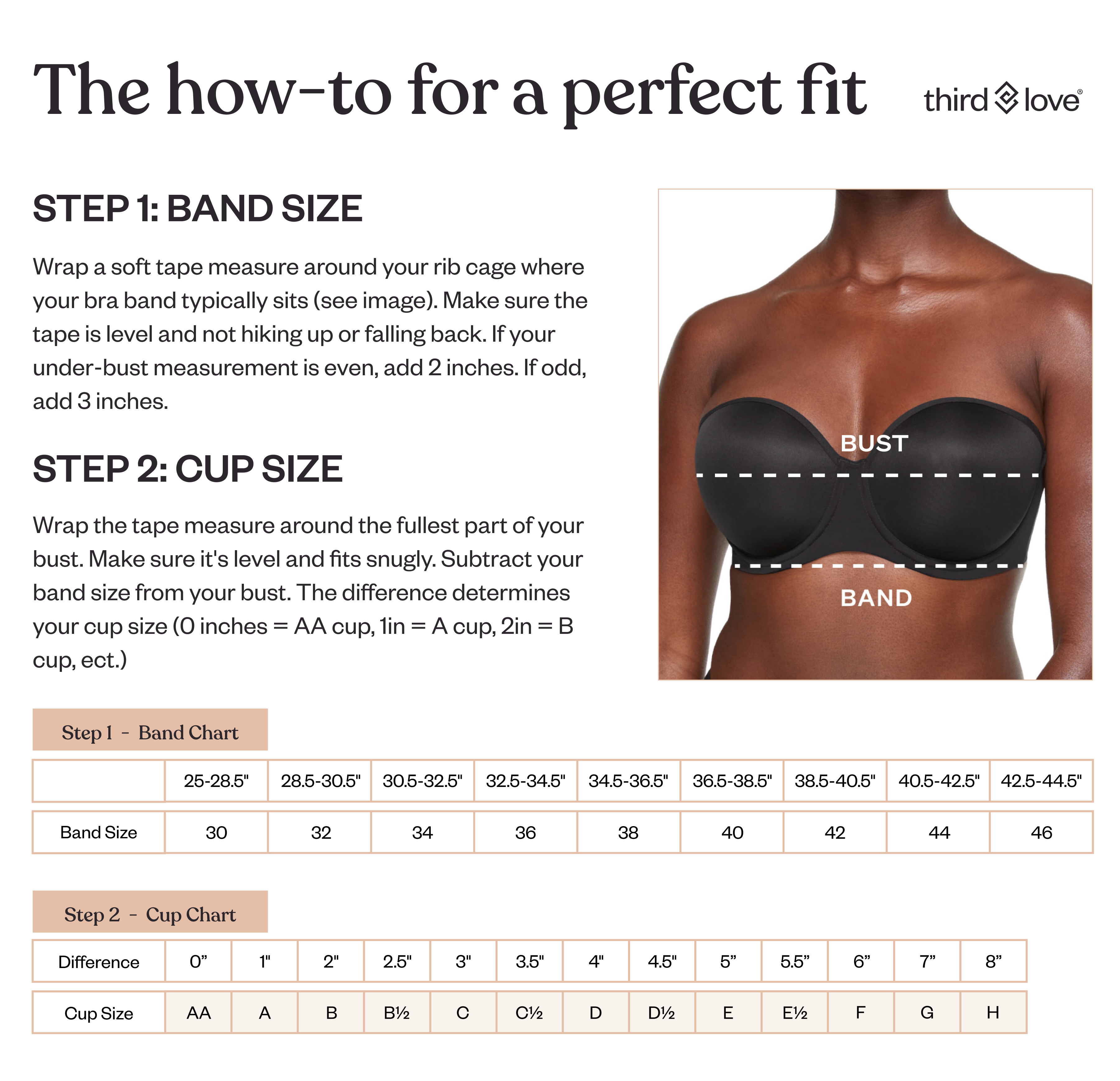
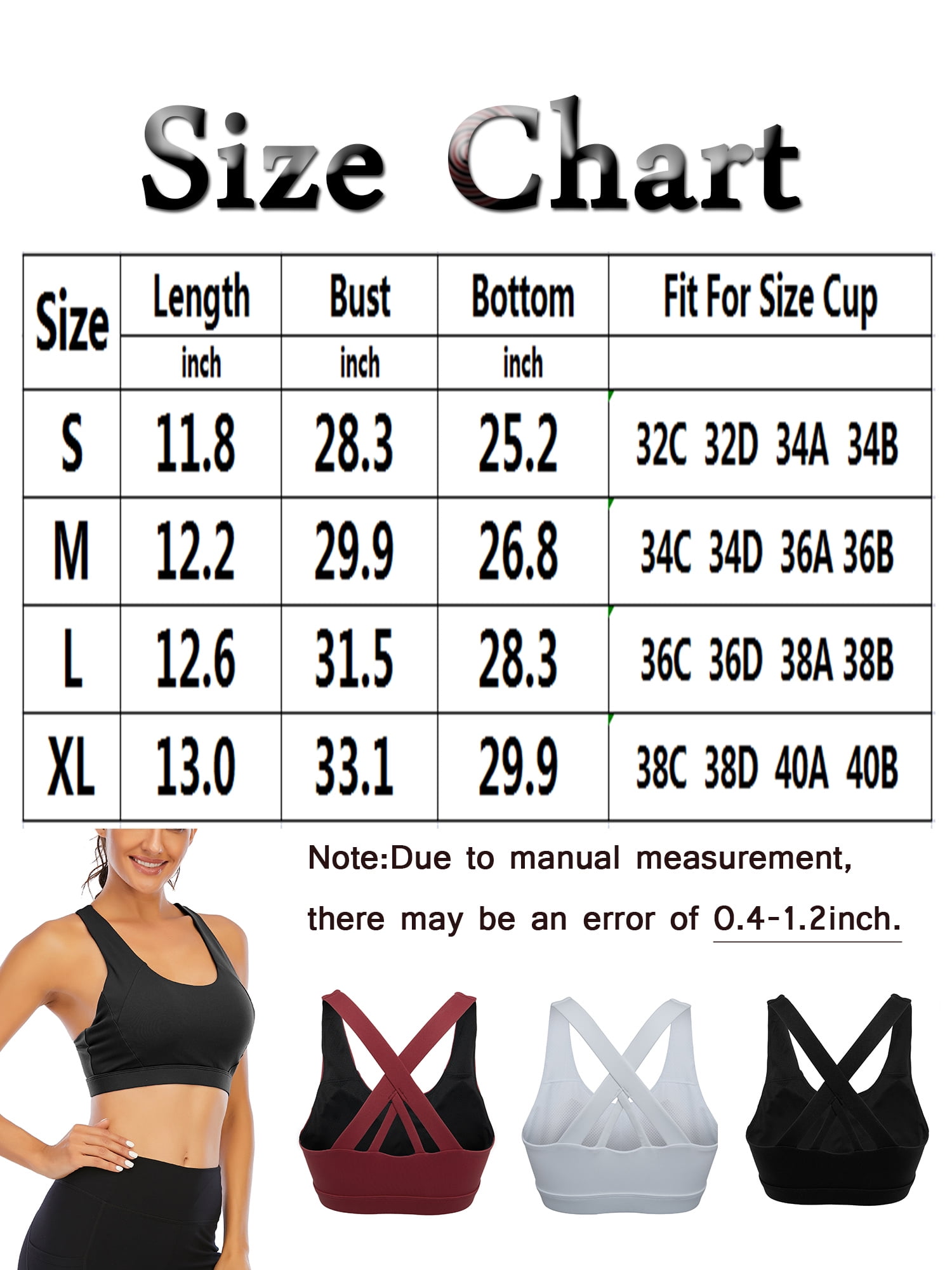
You're probably here because you need a quick answer, and who can blame you? A chest size chart is a handy tool, offering a simple visual guide to understanding bra sizes and fit. It's a reference that can save you time and ensure you get the right size, every time. These charts can vary slightly, but they're an essential guide for anyone wanting an accurate bra size and a comfortable fit.
Understanding the Chest Size Chart
The chest size chart is a handy tool to help you find the right fit for clothing and accessories, especially when shopping online. It provides a reference for measuring and understanding your chest size, ensuring you make informed choices. This chart is particularly useful for women's sizing, including bra size charts, but it can also guide men's clothing choices.
Comparing Measurement Standards
Measurement standards can vary depending on the region and manufacturer. For example, the US and international (metric) systems have different size categories and ranges. The chest size chart typically includes both systems, making it versatile. It's essential to check which standard is being used to ensure accuracy.
Measuring Accurately: A Step-by-Step Guide
- Prepare a flexible measuring tape. Ensure it's not too tight or loose.
- Stand in a relaxed position, with your arms slightly away from your sides.
- Measure the fullest part of your chest, usually across the nipple line.
- Wrap the tape around your body, ensuring it's level and parallel to the floor.
- Take the measurement in inches or centimeters, depending on the standard.
- Refer to the chest size chart to find your size. It will provide a range of measurements and corresponding sizes.
- If you fall between sizes, consider the fabric's stretch and your personal preference for a snug or loose fit.
Common Mistakes and How to Avoid Them
One common mistake is measuring too tightly or too loosely. This can lead to an inaccurate reading and an ill-fitting garment. Always ensure the tape is snug but not constricting. Another pitfall is assuming all brands use the same sizing. Different manufacturers may have slight variations, so it's best to refer to their specific size charts. Additionally, some charts may not cover all body types, so be mindful of any special considerations you may have.
Factors Affecting Accuracy and Real-World Use
Several factors can influence the accuracy of your chest size measurement. These include your posture during measurement, the type of clothing you're wearing, and any recent weight changes. It's essential to stand upright and maintain a consistent posture. The fabric of your clothing can also affect the measurement, so consider measuring over a thin, form-fitting garment. If you've recently gained or lost weight, your chest size may have changed, so it's beneficial to remeasure periodically.
So, now you're equipped with a handy chest size chart and the knowledge to use it effectively. Remember, these charts provide a great starting point, but it's always wise to consider your unique needs and measurements.
Don't forget to check out our other guides for more practical tips and insights. We've got a range of topics to explore, so feel free to browse and discover something new!
Related: How to Read and Use Spotify Pie Charts
You're here, searching for a quick fix, wanting to understand the Spotify pie chart and its insights. Well, this chart is a handy tool, a simple yet effective way to visualize Spotify's market share and audio streaming trends. It provides a snapshot of the music streaming data, offering a clear picture of the industry's landscape. The pie chart interpretation can vary; it's an adaptable visual, so you might find different versions, but the core idea remains the same: a quick, engaging way to grasp market share analysis.
Understanding the Data: A Quick Overview
The Spotify pie chart is a powerful tool to visualize and understand music streaming data. It provides a snapshot of music preferences, artist popularity, and market share analysis. This chart is a simple yet effective way to interpret complex streaming trends.
Comparing Key Metrics: A Standardized Approach
When reading a Spotify pie chart, you'll notice it displays different categories or metrics. These typically include artists, albums, or songs, each represented by a slice of the pie. The size of each slice indicates the proportion or percentage of total streams. It's a standardized way to compare music industry insights.
Step-by-Step Guide: Reading and Interpreting the Chart
Here's a simple process to read and understand a Spotify pie chart:
Identify the categories: Start by recognizing the different segments of the pie. These represent artists, albums, or songs.
Note the slice sizes: Pay attention to the size of each slice. Larger slices indicate higher popularity or market share.
Compare slices: Look for patterns or trends. Are certain artists consistently popular? Are specific genres more dominant?
Analyze the whole pie: Consider the overall distribution. Is it evenly balanced, or does one segment dominate? This gives insights into overall streaming trends.
Consider context: Think about the time frame and region. Streaming patterns can vary over time and across different regions.
Common Misreadings and Pitfalls: Avoiding Mistakes
It's easy to misinterpret a Spotify pie chart if you don't consider certain factors. Here are some common mistakes to avoid:
Assuming equal importance: Each slice represents a proportion, not an absolute value. Don't compare slices directly without considering their size.
Ignoring context: Streaming trends can vary widely. Always consider the time frame and region when interpreting the data.
Overlooking small slices: Even small slices can be significant. They might represent emerging artists or niche genres.
Forgetting to update: Streaming data changes rapidly. Ensure you're using the latest data for accurate insights.
Key Factors Affecting Accuracy and Real-World Use
The accuracy of a Spotify pie chart depends on several factors:
Data source: Ensure the data is from a reliable source, like Spotify's analytics tools.
Time frame: Consider the period the data covers. Streaming patterns can change over time.
Region: Streaming trends vary by region. Ensure the chart represents the desired region.
Category selection: Choose categories relevant to your analysis. Artist, album, and song data provide different insights.
Sample size: Larger sample sizes provide more accurate representations.
Choosing the Right Format: Adapting for Specific Needs
While the standard Spotify pie chart is versatile, you might need to adapt it for specific analyses. Here are some variations:
Multiple charts: Compare different regions or time frames side by side.
Stacked pie charts: Combine multiple categories (e.g., artists and albums) for a more detailed view.
Donut charts: Use a donut chart for a more visually appealing variation.
Bar charts: Consider a bar chart for a different visual representation of the data.
Interactive charts: Explore interactive charts for a dynamic, user-friendly experience.
Hey there! I hope this guide has given you a solid understanding of Spotify's pie chart feature and how to use it effectively. Remember, while the basics remain the same, there might be slight variations in the exact details, so keep an eye out for those.
Don't forget to explore other guides on our site. We've got a bunch of practical tips and tricks to help you get the most out of your music streaming experience. Happy listening!
Related: Understanding the Tattoo Size Chart
You're here, searching for a tattoo size chart, probably to get a clear idea of what you want and how to communicate it effectively to your artist. It's a smart move, as these charts are a great way to visualize and understand tattoo sizes, especially when you're planning your next ink adventure. While the exact values may vary depending on the artist or region, the tattoo size chart provides a reliable starting point, offering a simple guide to standard tattoo dimensions.
Understanding the Tattoo Size Chart
The tattoo size chart is your go-to guide for figuring out the dimensions of different tattoo designs. It's like a roadmap, helping you navigate the world of tattoo sizes and understand what each measurement means. This chart is a handy tool, especially when you're planning your next tattoo and need to visualize how big or small it will be on your body.
Comparing Chart Formats and Standards
There are a few different ways to present a tattoo size chart, and the format can vary depending on the source. Some charts use a simple table with columns for size categories and corresponding measurements, while others might display a range of designs with their dimensions noted. The units of measurement can also differ; you'll often find charts using either imperial (inches) or metric (centimeters) systems. It's essential to know which standard is being used to ensure accurate readings.
Practical Size Suggestions and Measuring Tips
Using a tattoo size chart is straightforward, but there are a few steps to ensure you're getting the most accurate information. First, identify the category or design you're interested in. Then, locate the corresponding measurement. If the chart uses a range, you can decide on a specific size within that range based on your preferences. Remember, these charts often provide a general guide, so it's a good idea to discuss your desired size with your tattoo artist, who can offer expert advice and ensure the design fits perfectly on your body.
Common Misreadings and How to Avoid Them
It's easy to misinterpret a tattoo size chart, especially if you're not familiar with the standard being used. Always double-check the units of measurement to ensure you're reading the chart correctly. For instance, if you're used to thinking in inches but the chart uses centimeters, your interpretation of the size could be off. Additionally, some charts might not provide exact measurements but rather a range. In these cases, it's best to consult with a professional to get a precise idea of the tattoo's dimensions.
Hey there, we hope this tattoo size chart guide has given you a clear and simple overview of your options. Remember, the exact details may differ slightly, so always double-check your sources and measurements.
This is a handy reference to keep bookmarked for future ink adventures! Whether you're a tattoo enthusiast or just curious about the process, we've got more guides to explore. So, feel free to dive into our other content and keep learning.