

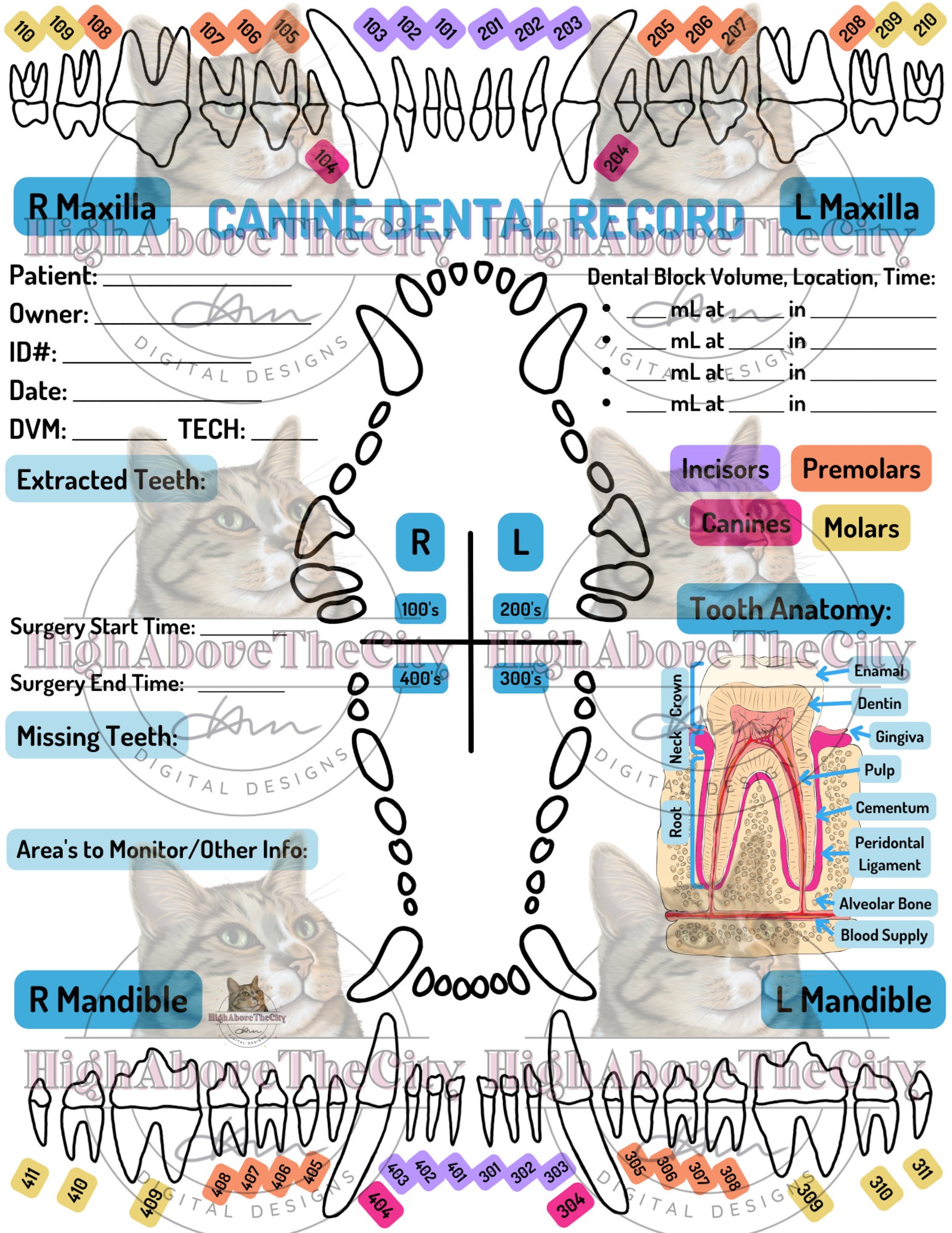
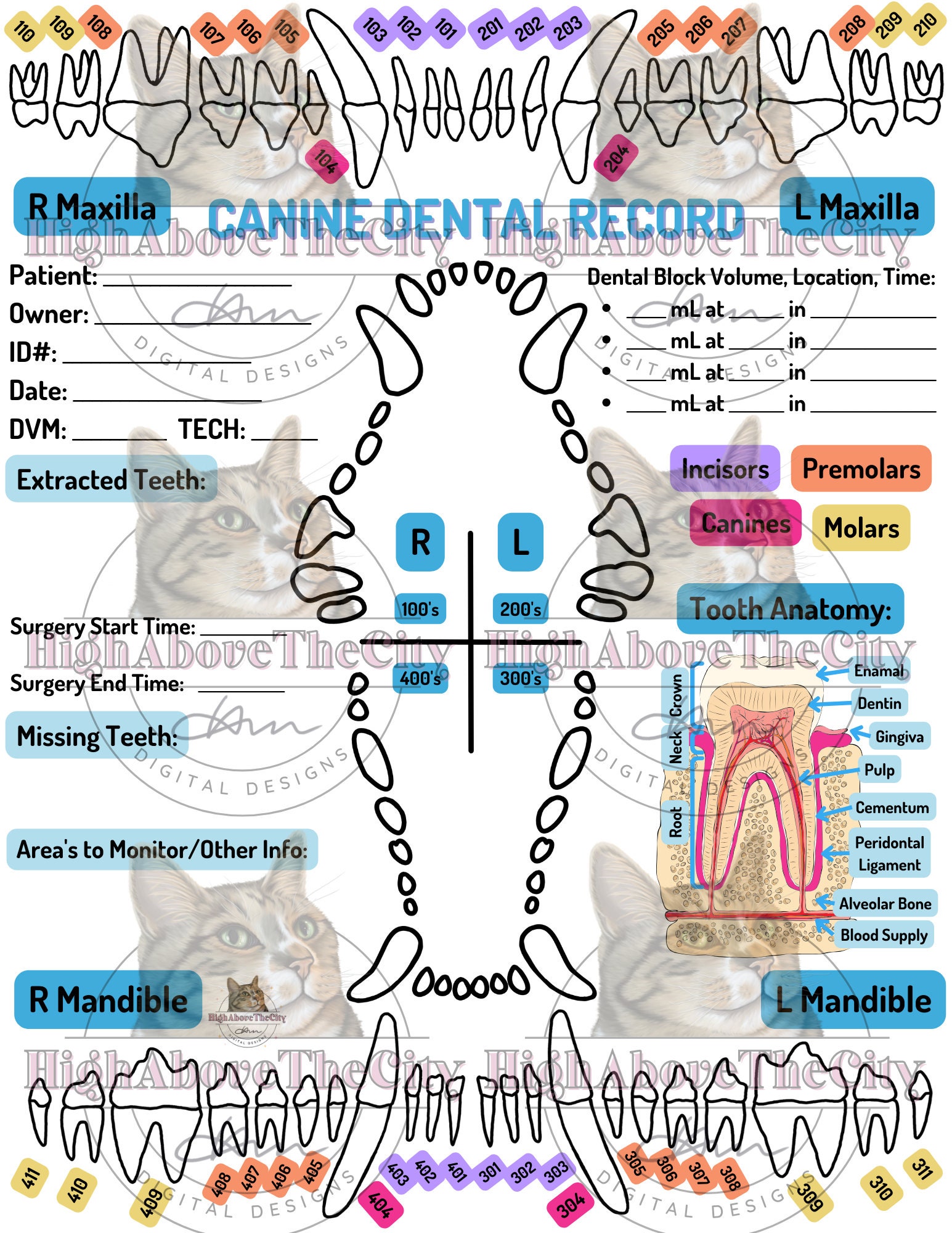
Lsu Depth Chart Black And White Overview
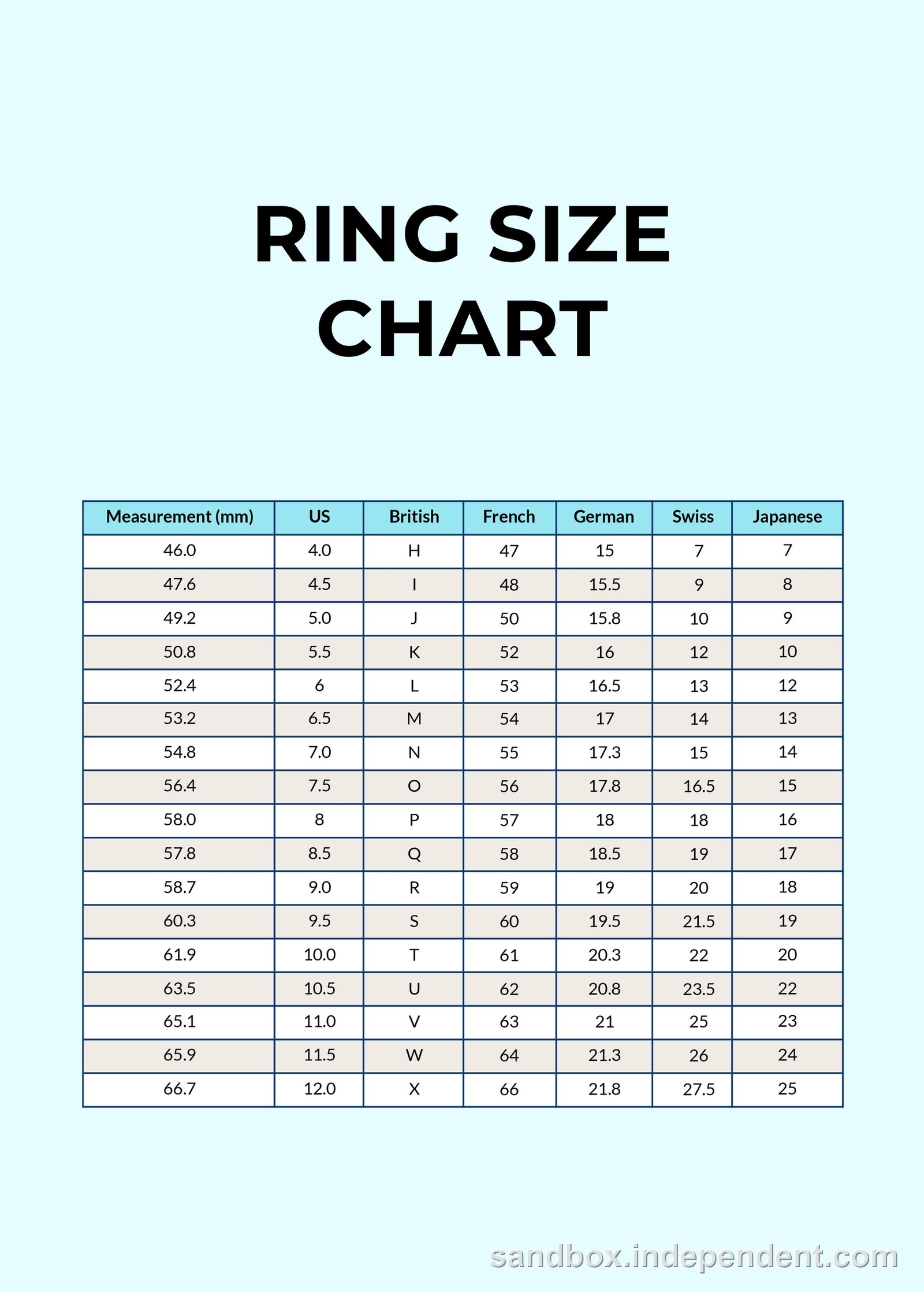
You're here because you need a simple solution, and the bangle size chart is your answer. This handy tool, whether a visual guide or a reference table, is a quick way to get the right bangle size. It's a straightforward process, but with so many options, it's easy to get confused. So, let's keep it simple and ensure you find the perfect fit. The chart may vary, offering different measurements and standards, but we'll navigate that together, ensuring you understand the key details.
Bangle Size Chart: A Simple Guide
The bangle size chart is a handy tool that helps you find the perfect fit for your bangles or bracelets. It's a reference guide that provides measurements and sizes to ensure you get the right size every time. This chart is especially useful when shopping online or if you're unsure about your wrist size.
Key Details and Measurements
Before we dive in, let's understand the basics. The bangle size chart typically includes two main measurements: the inner circumference and the diameter. The inner circumference is the distance around the inside of the bangle, while the diameter is the width across the opening. These measurements are usually provided in inches or centimeters, depending on the standard used. It's important to note that different regions and manufacturers may have slight variations in their charts, so always check the specific guidelines.
Reading the Chart and Sizing Your Bangles
Using the bangle size chart is straightforward. Here's a step-by-step guide:
Measure your wrist: Take a flexible measuring tape and wrap it around your wrist at the point where you'd like to wear the bangle. Ensure it's snug but not too tight. Note down the measurement in inches or centimeters.
Find your size: Refer to the bangle size chart. Look for the column or section that matches your wrist measurement. The chart will provide you with the corresponding bangle size, often labeled with letters or numbers.
Choose the right size: Select the bangle size that aligns with your wrist measurement. If your wrist measurement falls between two sizes, it's generally recommended to go for the larger size for a comfortable fit.
Consider the bangle style: Some bangles are designed to be worn loosely, while others are meant to fit snugly. Adjust your choice based on the style and your personal preference.
Double-check: If you're ordering online, ensure the retailer provides accurate size guides and specifications. It's always a good idea to cross-reference with multiple sources to ensure an accurate fit.
Variations and Differences to Consider
While bangle size charts are a great starting point, there can be variations across different standards and contexts. Here are some factors to keep in mind:
- Wrist circumference: The size of your wrist can vary based on factors like bone structure, muscle tone, and personal preferences for a snug or loose fit.
- Bangle style: Different bangle designs may have unique sizing requirements. For example, hinged bangles often have a different fit compared to open-ended styles.
- Material: The flexibility and stretch of the bangle material can impact the sizing. Some materials, like resin or plastic, may have more give, while metals like silver or gold may be more rigid.
- Personal comfort: Ultimately, the right size is the one that feels comfortable to you. Trust your instincts and choose a size that allows for easy wear and removal.
Remember, the bangle size chart is a practical tool to guide you, but it's always a good idea to check specific brand guidelines and consider your personal preferences for a perfect fit.
Hey there, I hope this bangle size chart has been a helpful tool for you! Remember, when it comes to these charts, the exact values might differ slightly depending on the source or standard you're using. It's always a good idea to double-check and ensure you're using the right measurements for your specific needs.
Feel free to explore our other guides and resources on similar topics. We've got plenty of practical tips and tricks to share, so make sure to check them out and keep learning!
Related: How to Read a Wrench Size Chart?
Many folks assume that a wrench size chart is a complex, intimidating tool, but it's actually a simple and handy reference guide. While it may seem like a foreign language at first, with a few key insights, you'll be reading and using it like a pro in no time. This chart is your go-to for quickly finding the right wrench size, whether you're working with metric or imperial measurements. It's a straightforward visual aid, yet its values can vary depending on the standard or region, so it's a good idea to familiarize yourself with the specific chart you're using.
Understanding the Chart: A Quick Overview
The wrench size chart is a handy reference tool for anyone working with wrenches or spanners. It provides a quick and easy way to determine the correct size and type of wrench needed for a specific job. This chart is a valuable resource for both professionals and DIY enthusiasts, ensuring you select the right tool for the task.
Comparing Standards and Formats
There are different standards and formats for wrench size charts, primarily based on the measurement system used. The two main systems are the metric system (international standard) and the imperial system (often used in the US). These charts display wrench sizes in their respective units, such as millimeters (mm) for metric and fractions of an inch for imperial.
Additionally, some charts may include both systems, offering a convenient conversion guide. It's essential to know which standard your tools and projects follow to ensure accurate selection.
Step-by-Step Guide: Reading Wrench Markings
Reading a wrench size chart is straightforward:
- Identify the measurement system: Determine whether your chart uses the metric or imperial system. This is typically indicated at the top or bottom of the chart.
- Locate the size: Find the size you need on the chart. Wrench sizes are often marked with a number and a unit, e.g., 12mm or 1/2 inch.
- Check the type: The chart may also indicate the type of wrench, such as open-ended, box-ended, or combination. Ensure you select the right type for your task.
- Consider tolerance: Wrench sizes often have a tolerance range, which accounts for minor variations in manufacturing. This ensures the wrench fits securely without damaging the fastener.
- Cross-reference: If you're using a multi-standard chart, double-check the size and type against both systems to ensure accuracy.
Common Misreadings and How to Avoid Them
Misreading a wrench size chart can lead to selecting the wrong tool, which may result in stripped fasteners or difficulty turning them. Here are some common pitfalls:
- Confusing metric and imperial units: Always double-check the unit system, especially if you're used to working with a different standard.
- Ignoring tolerance ranges: Wrench sizes often have a small tolerance, so a 12mm wrench may fit a 12.1mm fastener. Ignoring this can lead to an ill-fitting wrench.
- Assuming all wrenches are the same type: Different types of wrenches (e.g., open-ended vs. box-ended) have unique applications. Ensure you select the correct type for your task.
Factors Affecting Accuracy: Key Considerations
- Wrench Size Tolerance: This is the allowable variation in wrench size due to manufacturing processes. It ensures the wrench fits a range of fastener sizes, but it's essential to consider this when selecting a wrench.
- Common Wrench Types: The chart may include various wrench types, such as open-ended, box-ended, socket, or combination. Understanding these types and their applications is crucial for accurate selection.
- Standard Wrench Sizes: Wrench sizes often follow specific standards, like the metric or imperial system. Ensure your chart and tools align with the correct standard.
Adapting the Chart for Specific Needs
While wrench size charts provide a general guide, specific projects or industries may require more specialized tools. Here's how to adapt the chart:
- Custom Sizes: In some cases, you may need a custom-sized wrench for a unique application. In these situations, consult with a professional or manufacturer to determine the exact size and type required.
- SAE Wrench Sizes: The Society of Automotive Engineers (SAE) has its own standard for wrench sizes, often used in automotive applications. Ensure your chart includes SAE sizes if you're working on vehicles.
- Metric to Imperial Conversion: If you're working with both metric and imperial systems, a conversion chart can be a valuable addition to your wrench size chart. This ensures you can quickly convert between the two systems.
Remember, the wrench size chart is a practical tool to ensure you select the right wrench for the job. By understanding the chart, reading the markings accurately, and considering the key factors, you can avoid common pitfalls and ensure your projects run smoothly.
Well, that's a wrap on our wrench size chart adventure! We've covered a lot of ground, from understanding the different standards to the step-by-step process of using the chart effectively. It's important to remember that while this guide provides a solid foundation, your specific needs may require some further investigation.
So, before you put this knowledge into practice, make sure to double-check the exact values and standards relevant to your project. It's a good idea to bookmark this page for future reference, as it will save you time and effort the next time you need a quick reminder. Happy wrenching, and remember to keep those nuts and bolts in check!
Related: How to Read a Dog Dental Chart?
You're here because you need a quick guide to understanding dog dental charts and their purpose. Maybe you're a dog owner wanting to learn more about your pet's oral health, or perhaps you're a professional seeking a reliable reference.
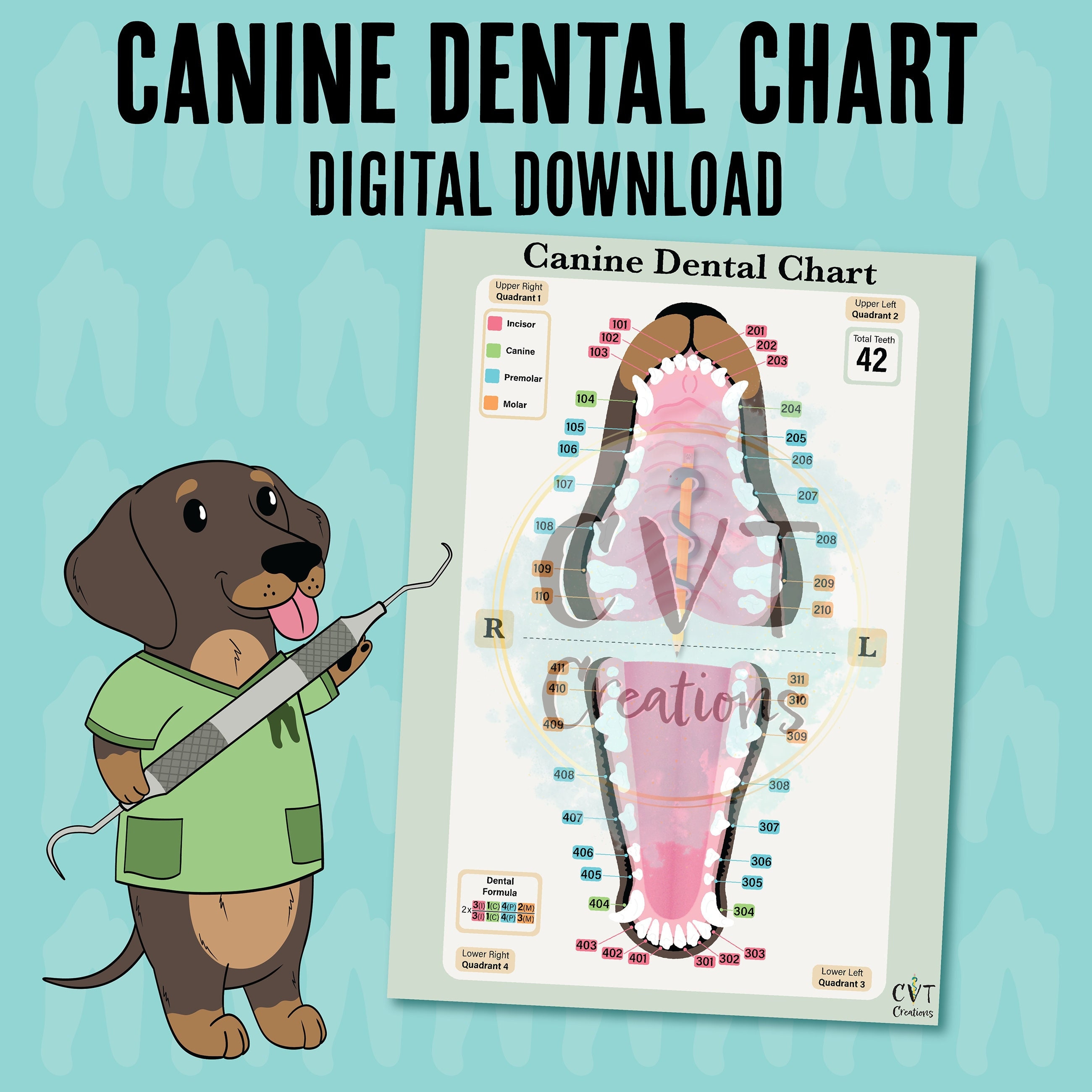
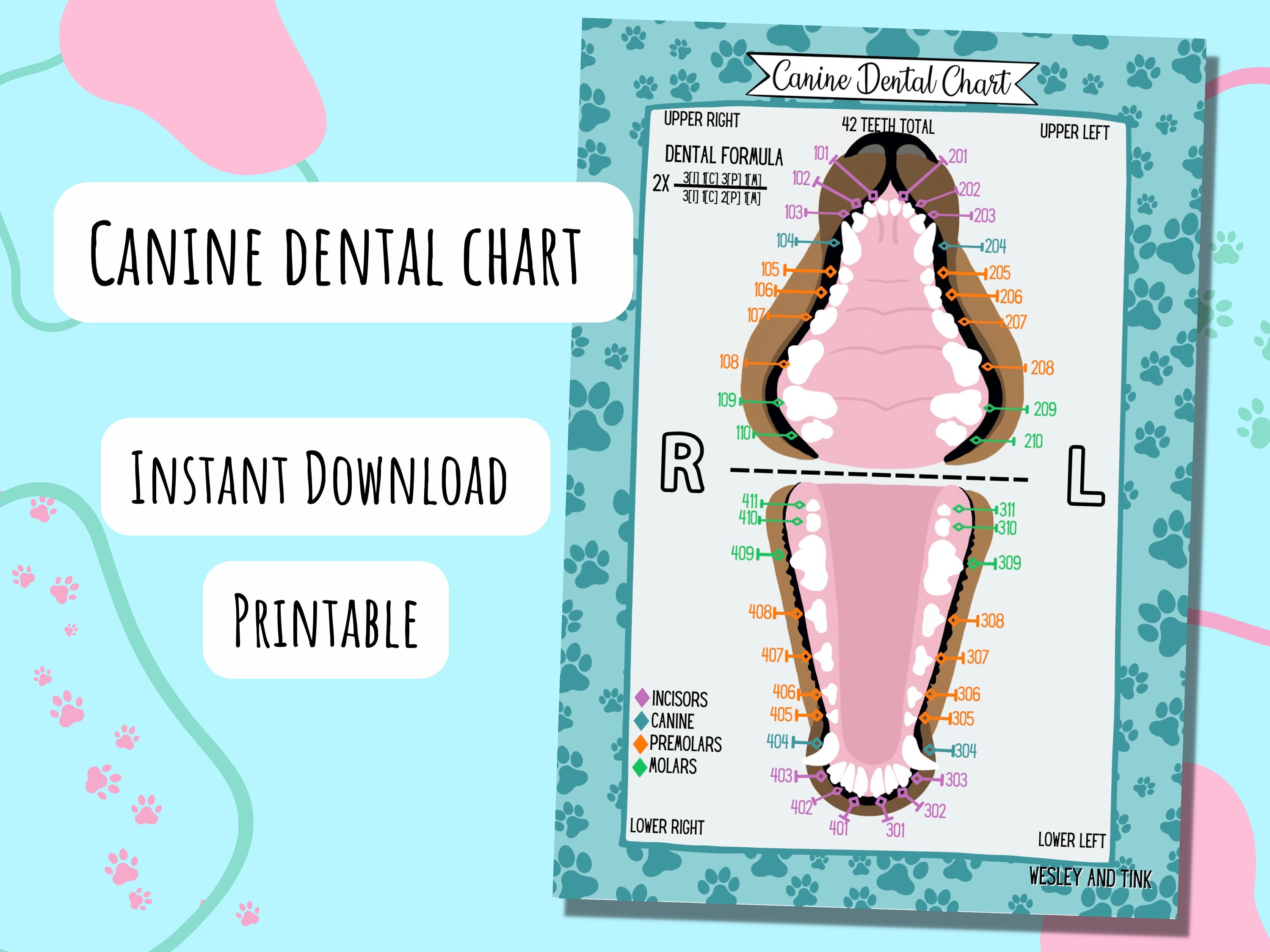
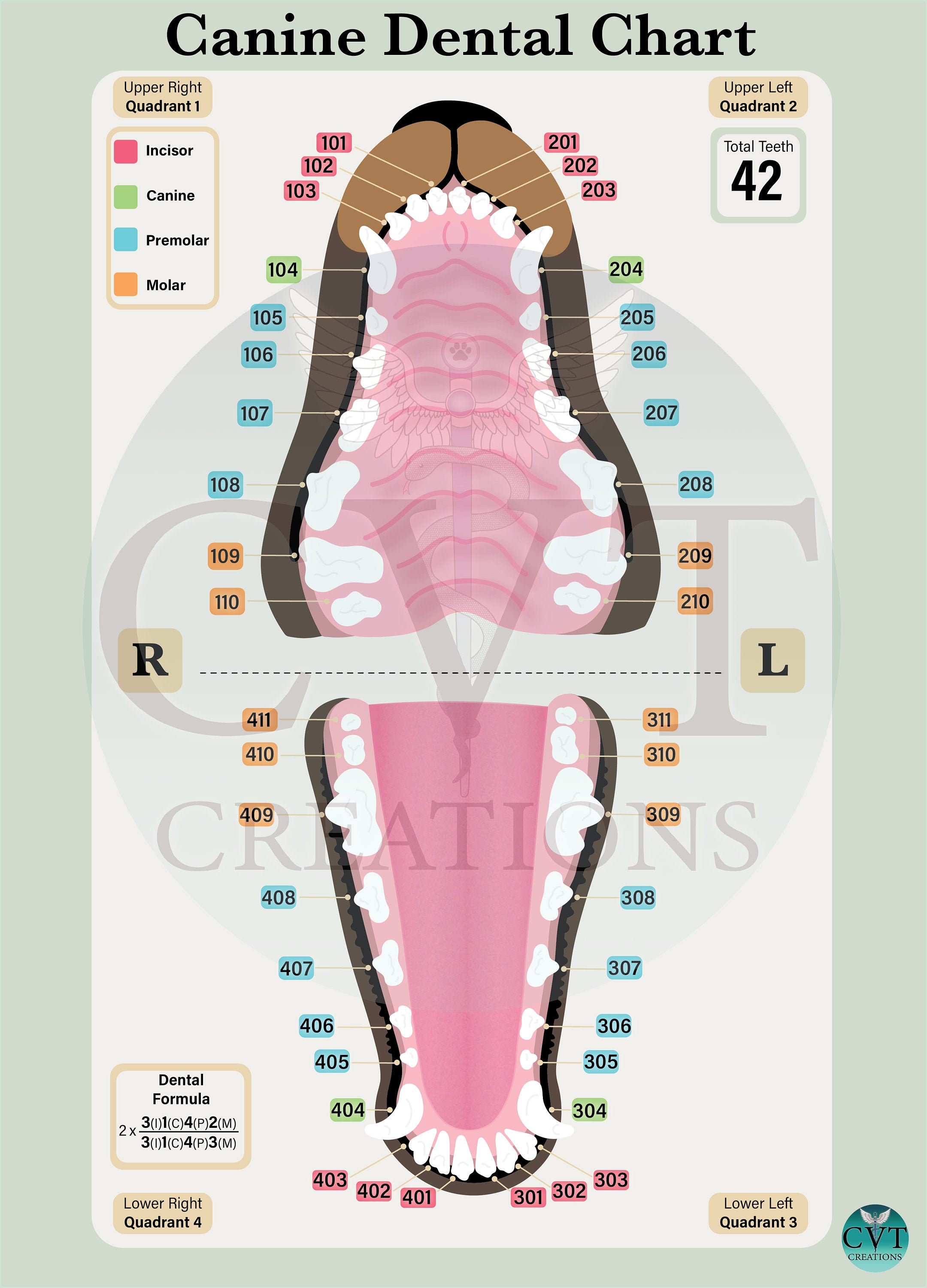
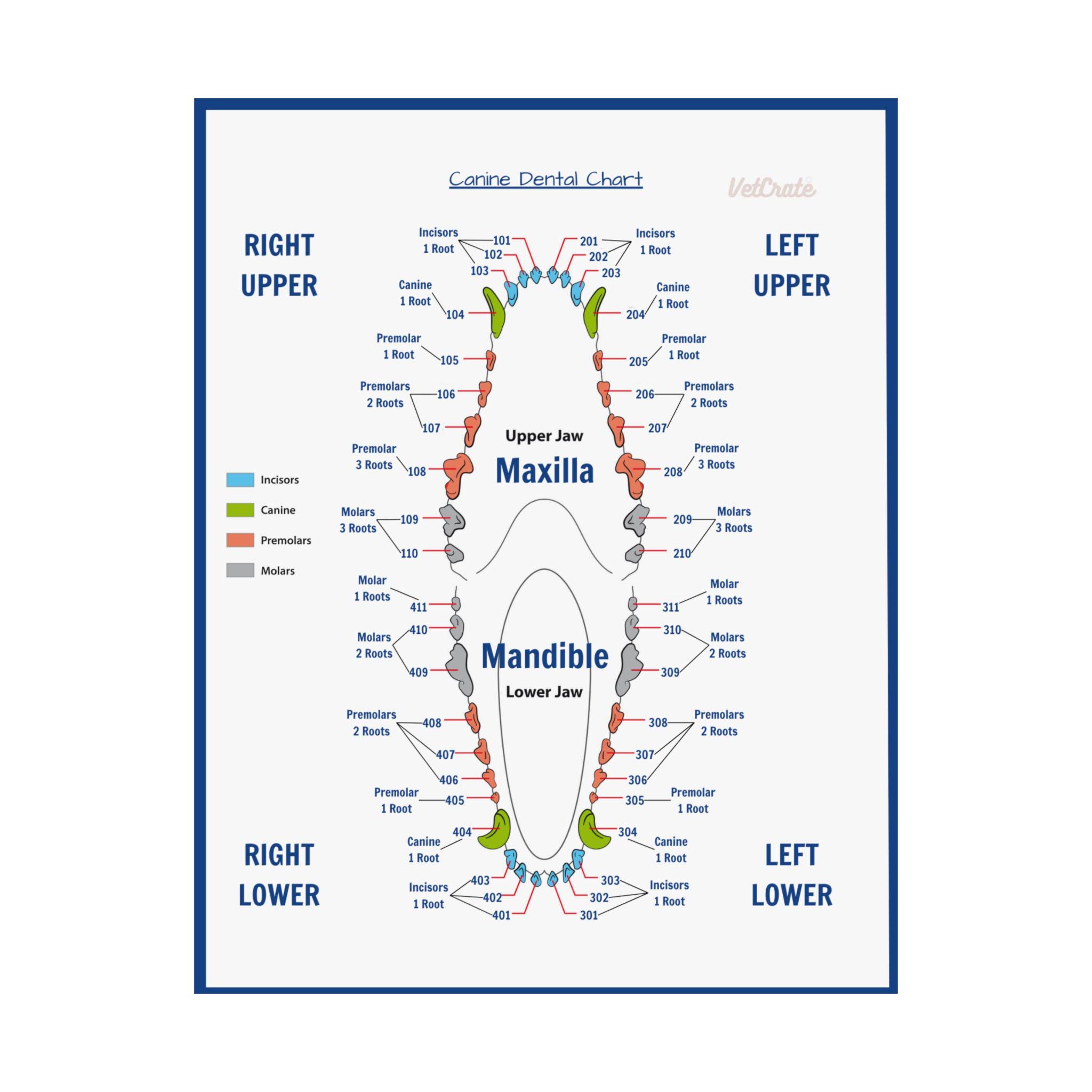
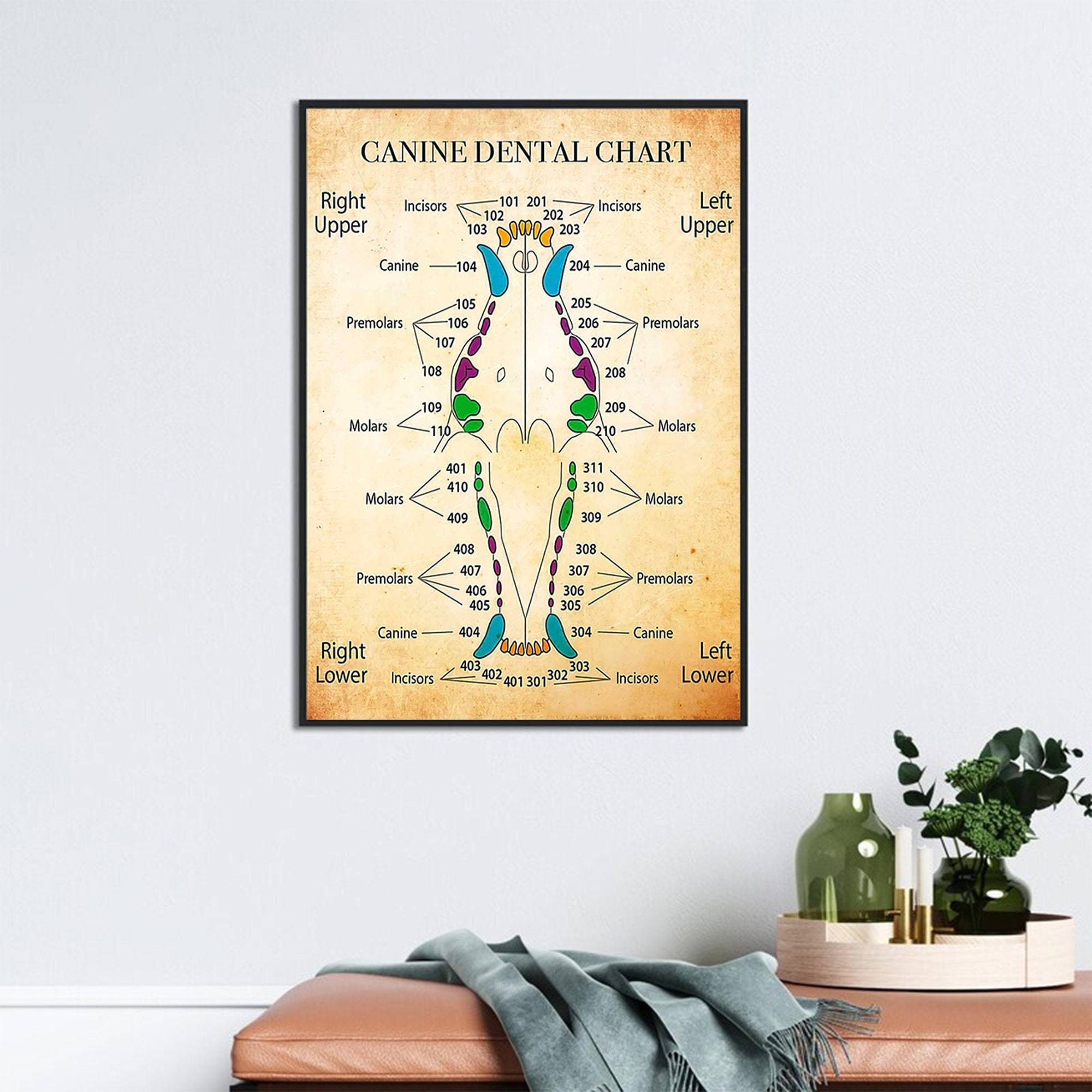
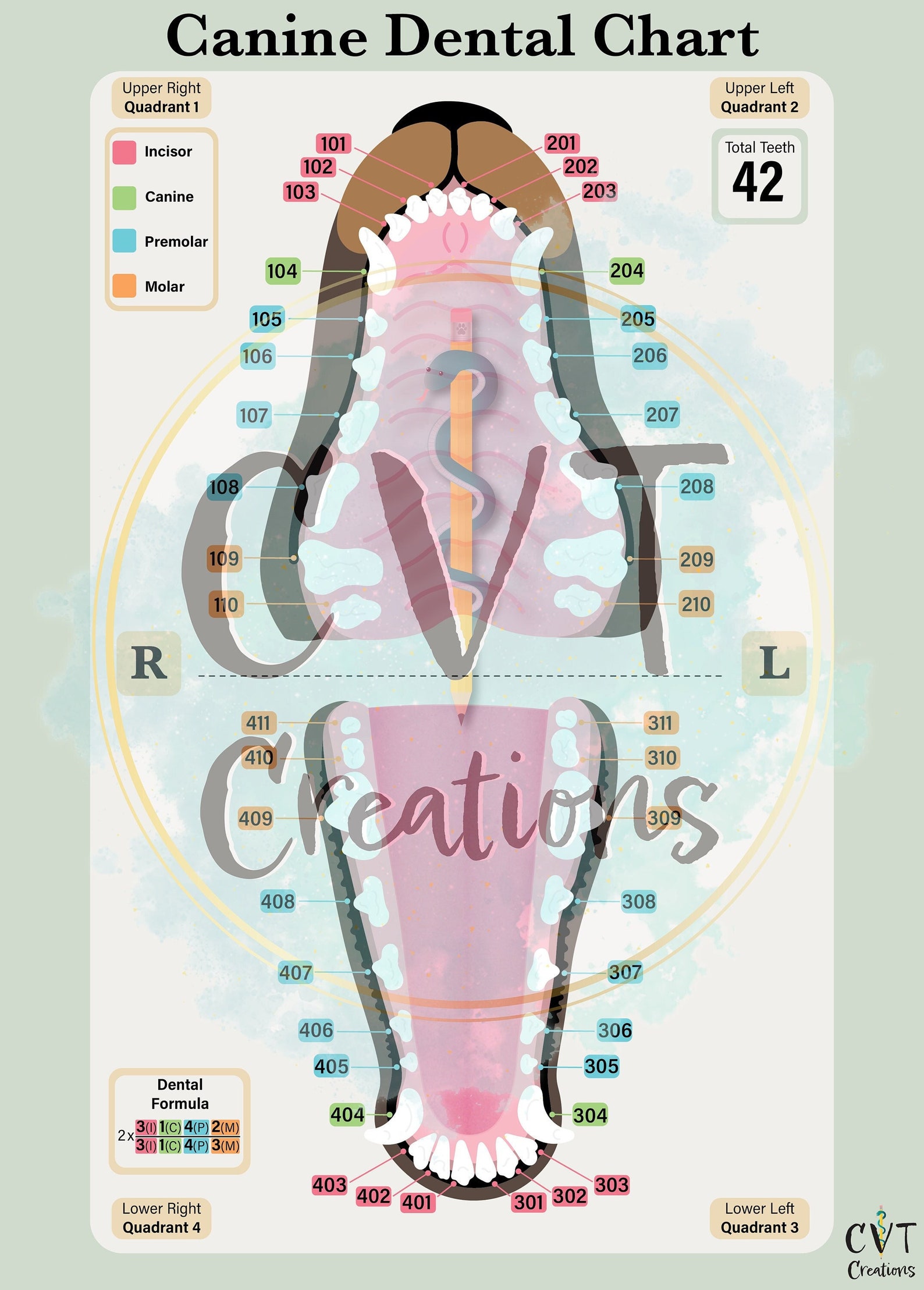
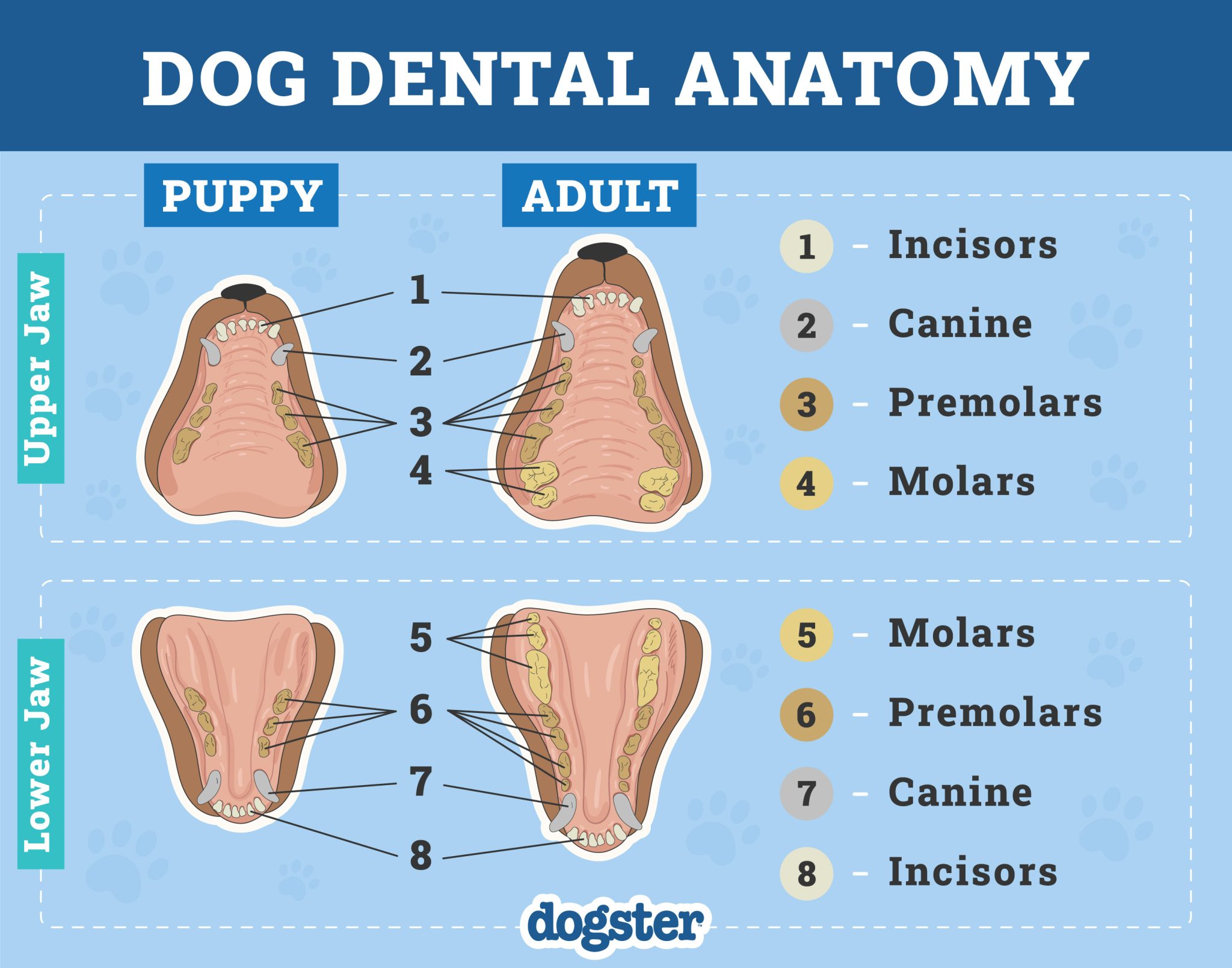
These charts are a handy tool, offering a visual representation of a dog's teeth, often with additional details like tooth names, positions, and even growth patterns. While the exact format and content can vary, they provide an accessible way to learn about canine dentition, a fascinating and important aspect of dog health.
Understanding the Dog Dental Chart
The dog dental chart is a handy tool for dog owners and vets, providing a visual guide to a dog's teeth. It offers a simple way to identify and understand the different teeth, their positions, and any potential issues. This chart is a great reference for oral care and can help you keep your furry friend's teeth healthy.
Key Details and Categories
The canine dentition chart typically follows a standard tooth numbering system. This system assigns numbers or letters to each tooth, making it easy to refer to specific teeth. The chart usually covers all the teeth in a dog's mouth, from the tiny incisors at the front to the powerful molars at the back. It might also include a dental formula, which is a simple way to represent the number and type of teeth a dog has.
How to Read and Use the Chart
Reading the dog dental chart is straightforward. Each tooth is labeled with a unique identifier, often a number or a combination of letters and numbers. For example, the upper right canine tooth might be labeled "URC" or "404." The chart might also indicate the tooth's position, size, and any special features. To use the chart, simply match the tooth you want to identify with its corresponding label. You can then refer to the chart's key or legend to learn more about that specific tooth. It's a quick way to check for any abnormalities or to plan dental procedures.
Variations and Differences
While the dog dental chart provides a standard reference, there can be variations across different standards and contexts. For instance, the tooth numbering system may differ between regions or even among vets. Additionally, dog teeth diagrams might not account for all the unique dental anatomy of every breed. Some dogs, especially those with brachycephalic (short-nosed) skulls, may have variations in tooth placement or even missing teeth. It's important to be aware of these potential differences and to consult with a vet for precise information about your dog's specific dental measurements and needs.
Remember, while this dog dental chart is a handy reference, it's always best to consult with your vet for specific guidance tailored to your pup's needs. Exact values can vary, so it's a good idea to double-check and ensure you have the right information for your context.
Consider bookmarking this page for future reference. It's a simple yet effective tool to have on hand, and you never know when you might need a quick reminder about dog dental health!