



Lulus Size Chart 2026 Overview
A 1-100 number chart is a simple yet powerful tool, often overlooked, that can be incredibly useful for quick references and understanding number patterns. This guide will give you a straightforward lowdown on how to read and utilize this chart effectively. From number lines to counting charts, we'll cover the basics to ensure you grasp the concept and its applications.
The Quick Guide to 1-100 Number Charts
The 1-100 number chart is a simple yet powerful tool for understanding and working with numbers. It's a visual representation of the numbers 1 to 100, often displayed as a grid or a line, and it's a great way to grasp number patterns and relationships. This chart is a fundamental resource for math enthusiasts, educators, and anyone wanting to improve their numerical literacy.
Comparing Number Chart Formats
There are a few variations in how the number line is presented. Some charts use a simple grid layout, with numbers arranged in rows and columns, making it easy to identify patterns and relationships. Others opt for a linear format, where numbers are placed along a line, often with additional features like color-coding to highlight odd and even numbers. The choice of format depends on personal preference and the specific use case.
Using the 1-100 Number Chart: A Step-by-Step Guide
Using the 1-100 number chart is straightforward and can be a fun way to explore numbers. Here's a simple guide:
- Start by familiarizing yourself with the chart. Notice the pattern of numbers and how they are arranged.
- Identify the ordinal numbers and their positions. This helps in understanding the sequence and order of numbers.
- Practice counting by tens. You'll notice a clear pattern, as each number ending with a zero is a multiple of ten.
- Look for odd and even numbers. Many charts highlight these, making it easy to distinguish between them.
- Use the chart for basic arithmetic. You can quickly add or subtract small numbers by counting the spaces between numbers on the chart.
- Explore number sequences and patterns. The chart makes it evident how numbers progress and relate to each other.
Common Misreadings and How to Avoid Them
While the 1-100 number chart is straightforward, a few common mistakes can be made. Here are some tips to avoid them:
- Misreading number sequences: Always double-check the sequence, especially when counting by tens or identifying odd and even numbers.
- Confusing ordinal and cardinal numbers: Remember, the chart represents ordinal numbers, so the position of a number matters.
- Assuming standard formats: Be aware that charts can vary, especially in different regions or for specific purposes. Always check the labels and categories to ensure accuracy.
- Overlooking details: Take your time and focus on the chart's layout and features. Don't rush, as this can lead to errors.
By following these simple steps and being mindful of potential pitfalls, you can accurately and confidently use the 1-100 number chart as a valuable tool for understanding and working with numbers.
So, there you have it! A quick guide to navigating the world of number charts, specifically the 1-100 chart. We've covered the basics, compared a few options, and provided a simple process to create your own.
Remember, while these charts are a handy reference, it's always wise to check your specific needs. Exact values and formats might vary, so ensure you double-check the standards or sources relevant to your context. Feel free to explore our other guides for more practical tips and tricks!
Related: Cat Poop Chart: Your Quick Reference Guide
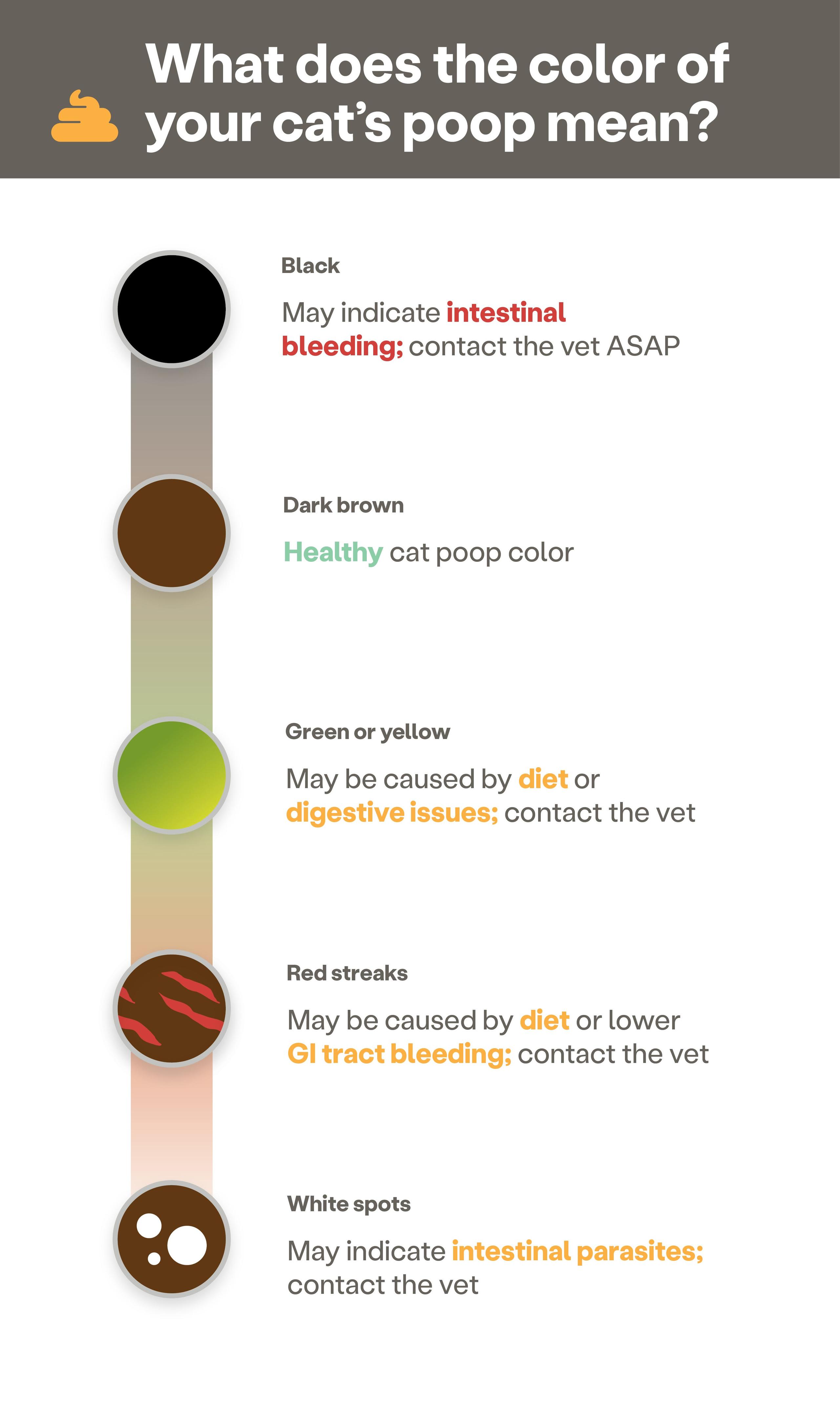
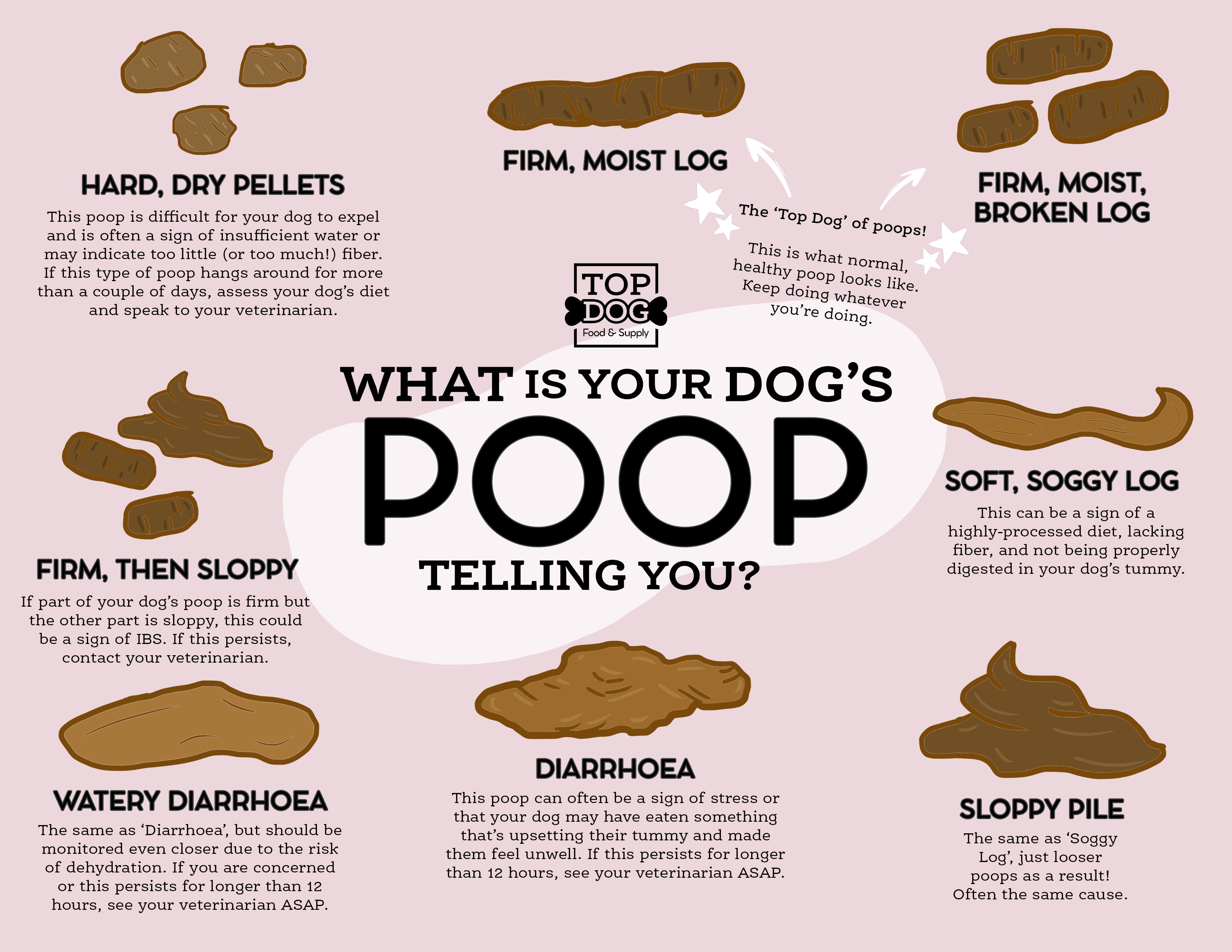
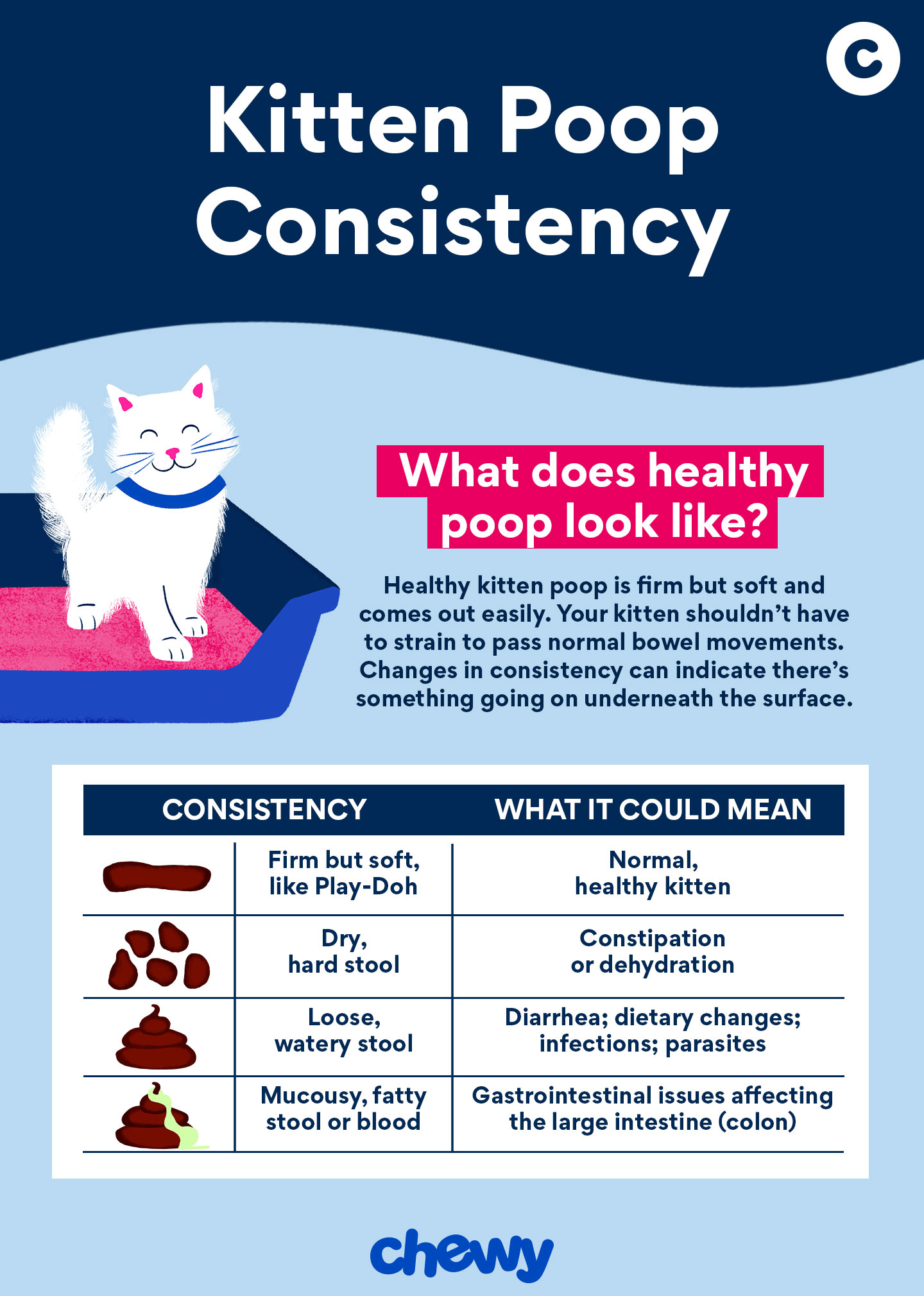
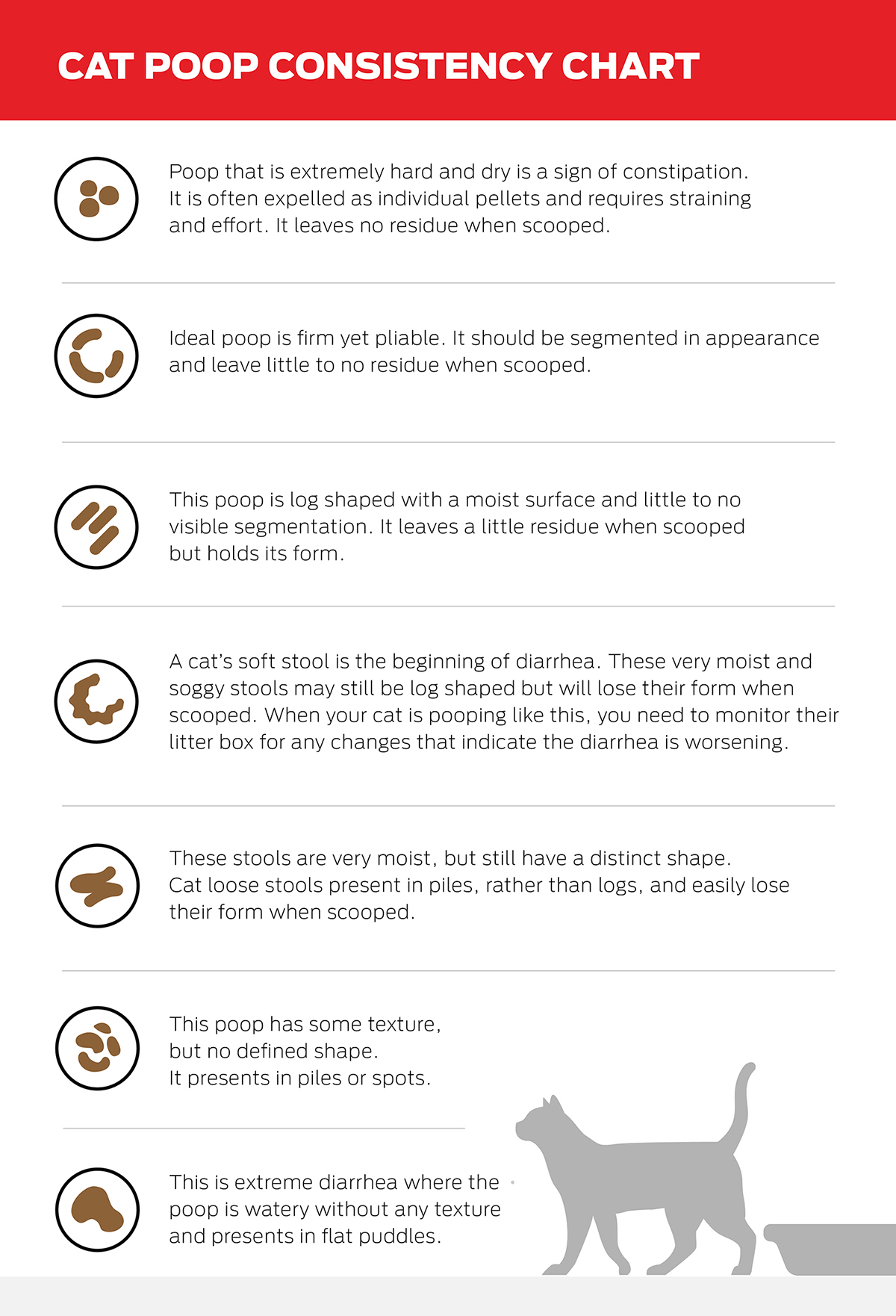
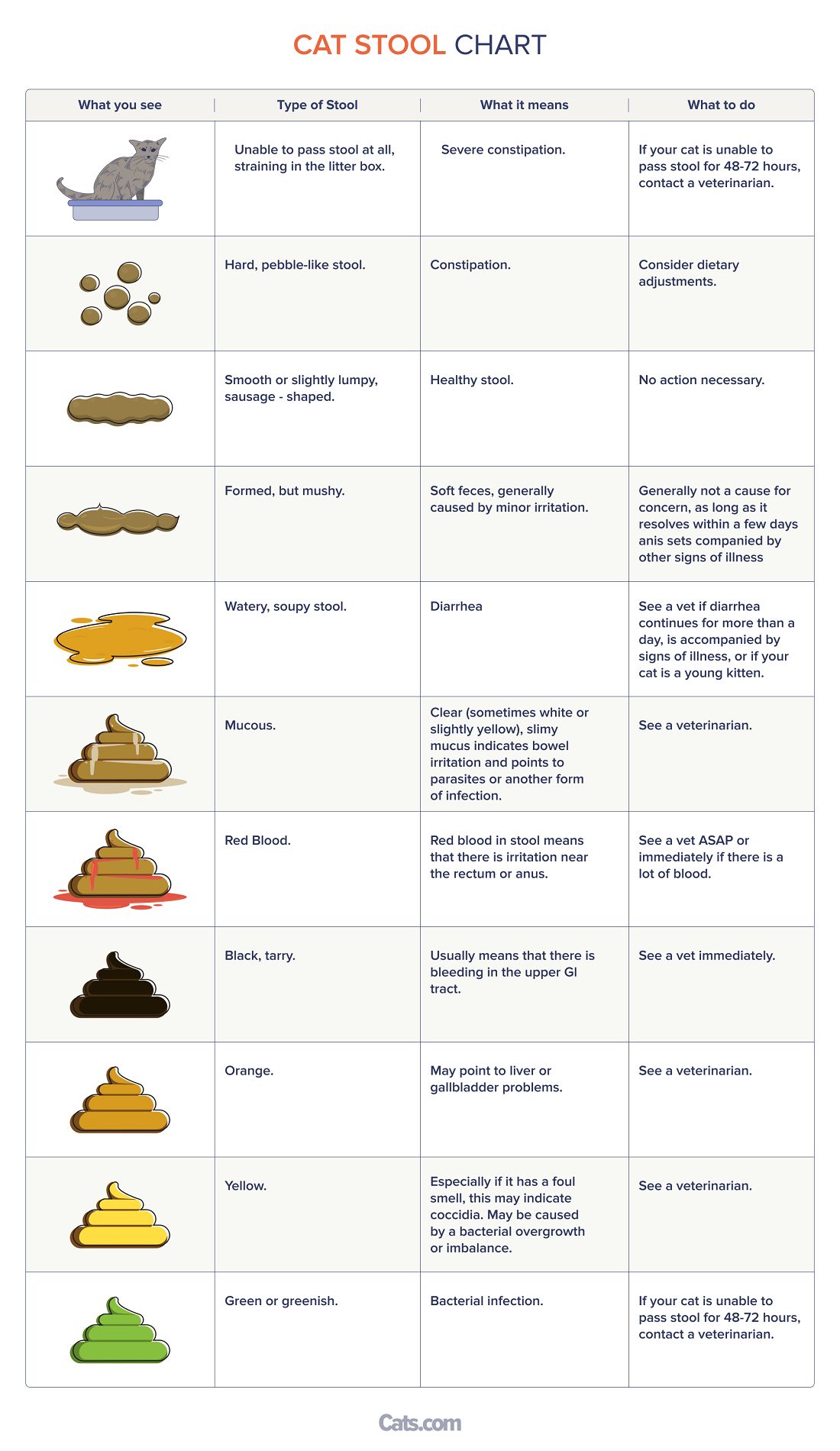
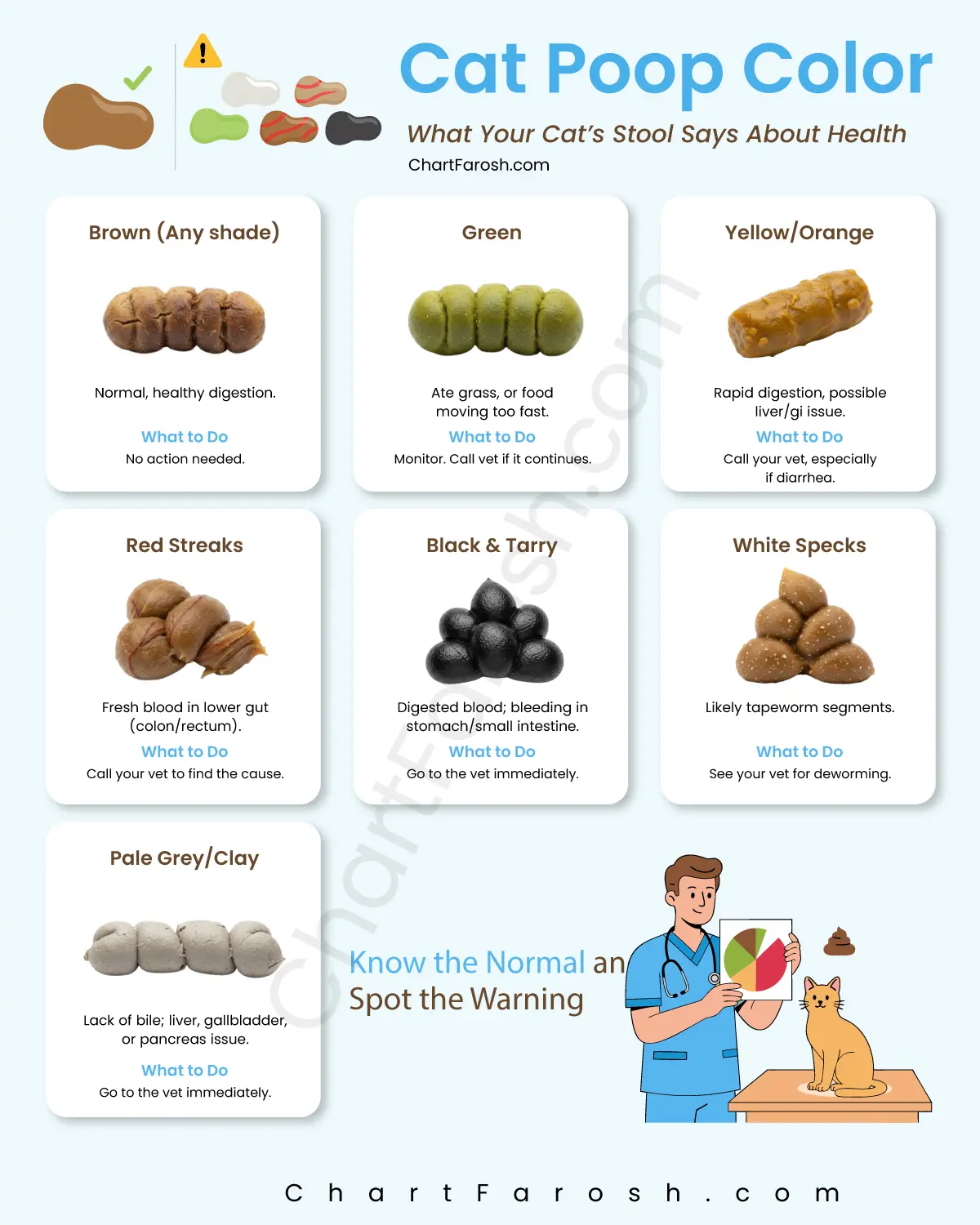
You're likely here because you've heard of the cat poop chart and are curious about what it entails. Perhaps you're a pet owner seeking a quick reference guide to understand your cat's health or maybe you're a veterinary professional looking for a reliable tool. This chart, also known as the feline stool scoring system, offers a simple yet effective way to monitor a cat's well-being. It provides a visual representation, often with a color-coded guide, to assess the consistency and color of cat feces, which can indicate potential health issues. While the specific values and formats may vary, the cat poop chart serves as a valuable resource for anyone seeking a straightforward method to keep an eye on their cat's health.
Understanding the Cat Poop Chart: A Practical Guide
The cat poop chart, also known as the feline stool scoring system, is a valuable tool for cat owners and veterinary professionals. It provides a visual guide to assess the consistency and overall appearance of cat feces, offering insights into a cat's digestive health. This chart is an essential reference for monitoring and maintaining your feline friend's well-being.
Comparing Chart Formats and Standards
There are several versions of the cat poop chart available, each with its own set of categories and standards. The most common formats include a 7-point scale and a 5-point scale. The 7-point scale provides a more detailed assessment, covering a broader range of stool consistencies, from very firm to liquid diarrhea. The 5-point scale is a simplified version, focusing on the key variations in stool appearance. Both formats are widely used and offer accurate assessments when applied correctly.
Step-by-Step Guide to Using the Chart
Using the cat poop chart is a straightforward process:
- Collect a fresh sample of your cat's feces. Ensure it is intact and not contaminated.
- Refer to the chart and identify the closest match to the sample's consistency and appearance.
- Note the corresponding score or category on the chart.
- Interpret the score: a lower score indicates healthier, well-formed stools, while higher scores may suggest digestive issues.
- Repeat this process regularly to monitor any changes over time.
Avoiding Misinterpretations and Pitfalls
While the cat poop chart is a reliable tool, misinterpretations can occur. Here are some common mistakes to avoid:
- Relying solely on color: The chart considers overall consistency and texture, so focus on these aspects rather than just color.
- Ignoring other symptoms: Changes in stool consistency may indicate an underlying issue. Observe your cat for any other signs of illness or discomfort.
- Overinterpreting: Remember, the chart is a guide. If you have concerns, consult a veterinarian for a professional assessment.
Key Factors Affecting Accuracy
Several factors can influence the accuracy of your assessment using the cat poop chart:
- Diet: Changes in your cat's diet can impact stool consistency. Ensure a consistent, high-quality diet to maintain stable results.
- Hydration: Adequate water intake is crucial. Dehydration can lead to firmer stools, so monitor your cat's water consumption.
- Stress and Environment: Stressful situations or changes in the cat's environment can affect digestion. Consider these factors when interpreting the chart.
- Medication: Certain medications may impact stool consistency. Be aware of any recent changes in your cat's medication.
Adapting the Chart for Specific Needs
The cat poop chart can be tailored to specific situations or individual cats. If your cat has unique dietary needs or medical conditions, you may need to adjust the chart's categories or scores. Consult with your veterinarian to determine the most suitable format and interpretation for your cat's specific health needs.
Maintaining Reliable Reference
To ensure the cat poop chart remains a reliable tool, consider the following:
- Regular Updates: Stay informed about any updates or revisions to the chart's standards. Veterinary organizations may release new versions, so keep your reference materials current.
- Consistent Observation: Observe your cat's stool regularly and note any significant changes. This helps you identify trends and potential issues early on.
- Professional Guidance: If you notice persistent changes or have concerns, seek advice from a veterinarian. They can provide expert interpretation and guidance.
By following these practical tips and understanding the key factors, you can effectively utilize the cat poop chart to monitor your cat's digestive health and ensure their overall well-being.
While the cat poop chart offers a valuable and practical tool, it's important to remember that variations can occur. Exact details may differ slightly based on the context and specific guidelines you follow. So, it's always a good idea to refer to reliable sources and adapt the chart to suit your needs.
Feel free to explore other guides and resources on our platform to uncover more helpful insights and practical tools. We've got a range of topics covered, so you can find the information you need with ease.
Related: Need a chore weekly chart? Get one here!
A chore weekly chart is a handy tool to keep your household tasks organized and ensure a smooth daily routine. This guide will show you how to make the most of your chart, offering a simple and effective way to manage chores.
The beauty of a chore chart is its adaptability; you can customize it to fit your family's needs. Whether you prefer a simple task list or a more visual weekly planner, the key is finding a format that works for you and helps keep everyone on track with their household duties.
What is a Chore Weekly Chart?
A chore weekly chart is a practical tool to help you organize and manage household tasks efficiently. It's a visual representation of your weekly chores, making it easier to stay on top of your responsibilities and ensure a clean and well-maintained home.
Understanding the Key Details
The chart typically consists of a grid with days of the week across the top and chore categories down the side. Each cell represents a specific chore for a particular day. Common categories include cleaning tasks like vacuuming, laundry, dishes, and grocery shopping. The chart provides a clear overview of what needs to be done and when.
Reading and Applying the Chart
Here's a step-by-step guide to using your chore weekly chart:
- Start by identifying the tasks you want to include. Consider daily, weekly, and monthly chores, as well as any specific tasks that need to be done regularly, like taking out the trash or changing bed linens.
- Assign tasks to each day of the week. Distribute the chores evenly to avoid an overwhelming workload on any single day.
- Use symbols or colors to indicate the status of each chore. For example, a checkmark can signify completion, while a red X might mean the task is overdue.
- Review and update your chart regularly. As you complete tasks, mark them off. If something comes up and a chore needs to be rescheduled, adjust the chart accordingly.
- Involve your family or housemates. If you're sharing the workload, ensure everyone understands their responsibilities and can refer to the chart for guidance.
Variations and Differences
While the basic concept of a chore weekly chart remains consistent, there can be variations based on personal preferences and household needs. Here are some factors that may cause differences:
- Household size: A larger family may require more complex chore rotations to ensure fairness.
- Individual preferences: Some people prefer a simple list format, while others like the visual appeal and organization of a chart.
- Task frequency: Certain chores may need to be done daily or monthly, influencing how you structure your chart.
Common Mistakes and How to Avoid Them
It's easy to make mistakes when creating a chore weekly chart, but these tips can help you avoid them:
- Overloading: Avoid assigning too many tasks to one day. Spread the workload evenly to prevent burnout.
- Forgetting regular tasks: Include all recurring chores, even if they seem obvious. It's easy to overlook something like taking out the recycling or wiping down kitchen counters.
- Not updating: Regularly review and update your chart to reflect changes in your routine or household needs.
Tips for Success
To make the most of your chore weekly chart and ensure it works effectively for your household, consider these best practices:
- Personalize your chart: Tailor it to your specific needs and preferences. Add notes or symbols that make sense to you and your family.
- Keep it visible: Display your chart in a central location, like the kitchen or family room, so everyone can refer to it easily.
- Review and adjust: Regularly assess how well your chart is working and make adjustments as needed. Flexibility is key to a successful chore management system.
- Involve everyone: Encourage participation and ownership of chores by involving all family members or housemates in creating and maintaining the chart.
A chore weekly chart is a great way to stay organized and ensure everyone pitches in. With the right approach, you can create a simple and effective system for your household. Remember, it's all about finding a balance and making it work for your unique situation.
When adapting any guide, it's important to consider your specific needs and context. While these charts offer a solid framework, they can be tailored to suit your family's routines and preferences. So, take the time to customize and make it your own! And don't forget to explore our other resources for even more practical tips and tricks.