

Lulus Size Chart A4 Overview
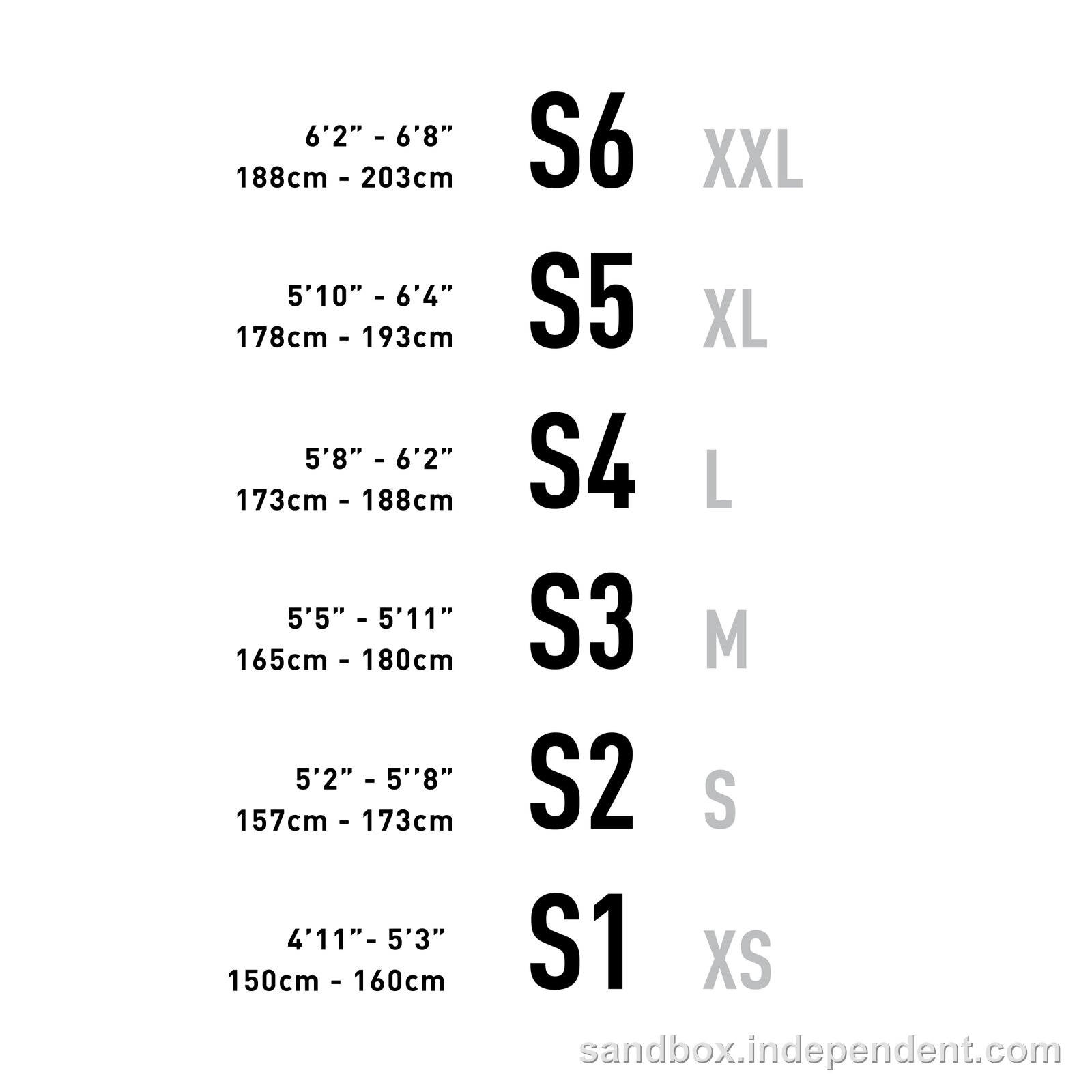
Many folks get confused by the various charts and guides out there, but the trek sizing chart is a straightforward tool to help you find your perfect bike fit. It's not as complex as some may think; this chart is a simple and effective way to ensure you get the right size for your riding style and comfort. Often, people overlook the importance of an accurate bike size, but with the right reference, you can avoid common sizing mistakes.
Choosing the Right Trek Size: A Quick Overview
The trek sizing chart is your go-to guide for selecting the perfect trek bike size. It's a simple yet effective tool that ensures you get the right fit, making your rides more enjoyable and comfortable. This chart provides a range of measurements and categories to help you find your ideal bike size.
Comparing Trek Sizing Standards and Formats
There are different standards and formats for trek size guides, depending on the region and manufacturer. The most common standards are the US and metric (international) systems. These standards use different units and measurement ranges, so it's essential to know which one applies to your trek frame size. The chart will typically indicate the standard it follows, ensuring you read the correct values.
Step-by-Step Guide to Using the Trek Sizing Chart
Using the trek sizing chart is straightforward:
- Identify the standard used in the chart. This information is usually provided at the top or in the key.
- Measure your body dimensions, including your height, inseam length, and arm reach. These measurements are crucial for an accurate fit.
- Locate your measurements on the chart. Most charts provide categories or ranges for each body part. Find the category that best matches your measurements.
- Cross-reference the categories to determine your ideal trek bike size. The chart will guide you to the appropriate frame size and other relevant specifications.
- Double-check the recommended size by considering your riding style and preferences. Some charts may offer additional notes or tips to help you fine-tune your choice.
Common Misreadings and How to Avoid Them
One common mistake is assuming that the chart provides exact measurements for your body. It's important to understand that the trek sizing chart offers a range of sizes based on average body proportions. Your unique body shape may require slight adjustments. Additionally, ensure you measure yourself accurately and consistently. Inconsistent measurements can lead to an incorrect size choice.
Factors Affecting Accuracy: Understanding Your Body and Riding Style
Several factors can influence the accuracy of the trek sizing chart for your specific needs:
- Body proportions: The chart provides averages, but your unique body shape may require adjustments. For example, if you have a longer torso, you might need a different frame size than what the chart suggests.
- Riding style: Consider your riding preferences and the type of terrain you typically ride. A more aggressive riding style may require a different frame geometry than a casual rider.
- Personal comfort: Ultimately, comfort is key. If a recommended size feels uncomfortable, don't hesitate to try a different one. Trust your instincts and listen to your body.
Choosing the Right Format: Standard vs. Customized Charts
While most trek sizing charts follow standard formats, some manufacturers offer customized charts for their specific bike models. These charts may provide more detailed information and account for unique frame geometries. If you're using a specialized trek bike, it's worth checking if a customized chart is available. It can offer a more precise fit, ensuring an optimal riding experience.
Keeping Your Setup Reliable for Future Reference
To ensure you can easily find your ideal trek bike size in the future, consider the following:
- Save your measurements: Record your body dimensions, especially if you plan to upgrade your bike or try a different model. This way, you can quickly reference your measurements and choose the right size.
- Keep the chart handy: Store the trek sizing chart in a safe place, preferably with your cycling gear or equipment. Having easy access to the chart ensures you can make informed decisions whenever needed.
- Update your measurements: As your body changes over time, especially with regular cycling, your measurements may evolve. Regularly updating your measurements ensures an accurate fit as you progress in your cycling journey.
Well, there you have it! A comprehensive guide to trek sizing charts, covering all the essential bases. We've compared the options, walked you through the process, and highlighted some common pitfalls to avoid. Remember, when it comes to sizing, accuracy is key, and your specific needs may require a tailored approach.
So, before you set off on your next adventure, take a moment to double-check your measurements and ensure you have the right setup. It's always worth taking that extra step to guarantee a comfortable and enjoyable trek. And hey, if you're keen to explore more, feel free to check out our other guides and resources. We've got plenty of practical tips to share, so keep exploring!
Related: Find the Right Dog Size: A Simple Chart
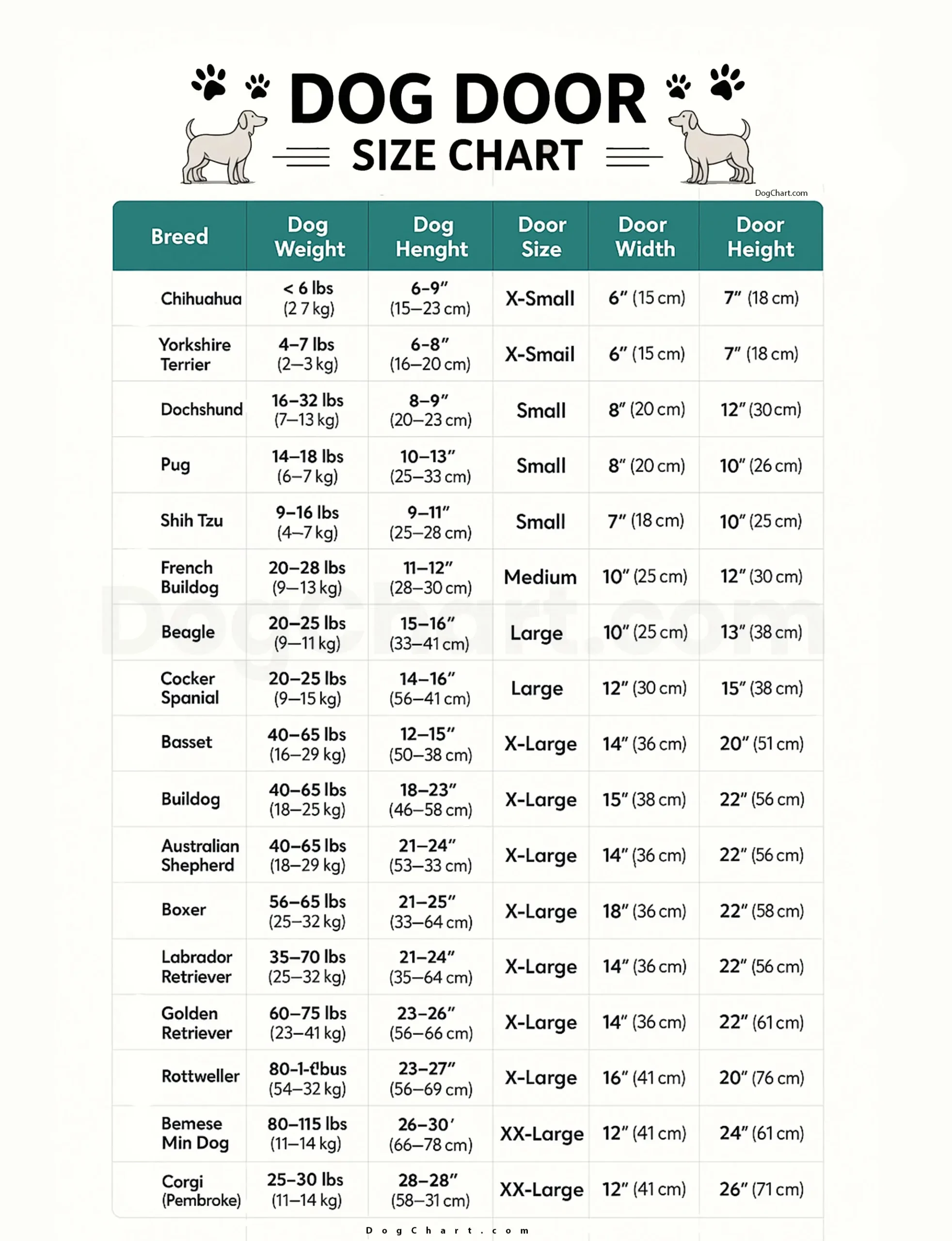
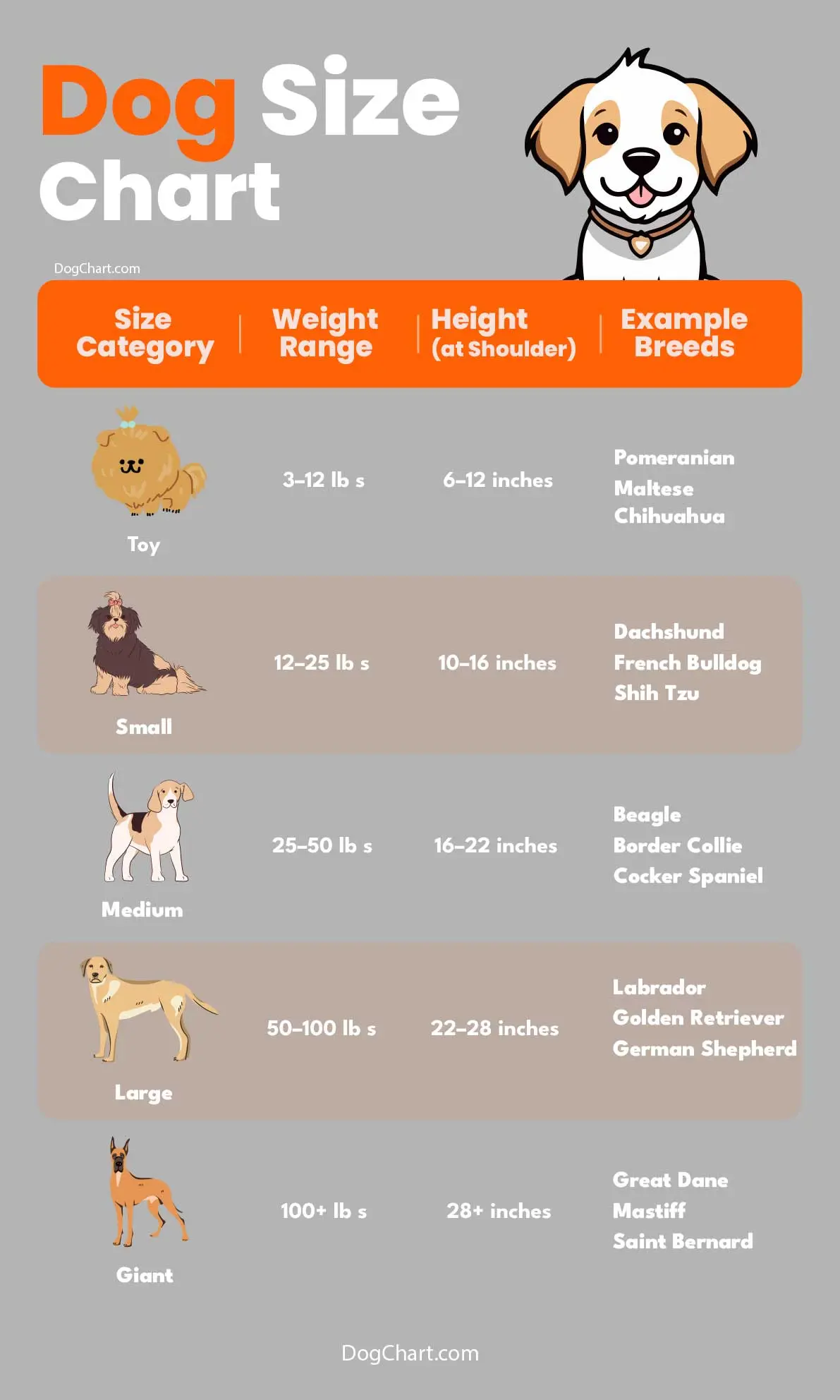
You're likely here because you need a quick reference, a reliable guide to help you understand dog size charts and their applications. These charts are an essential tool for anyone dealing with canine care, offering a simple yet effective way to visualize and compare dog sizes. From small dog breeds to larger ones, the dog size chart provides a clear overview, often including weight charts and breed size standards. It's a handy resource, especially when metric conversions or imperial measurements are involved.
Understanding the Dog Size Chart: A Practical Guide
The dog size chart is a valuable tool for anyone wanting to quickly estimate a dog's size and understand its standard category. This chart provides a visual reference, typically using height and weight measurements, to categorize dogs into various size groups. It offers a convenient way to grasp the size range of different breeds and individual dogs.
Standard Size Categories: Comparing the Options
The dog size chart typically divides dogs into categories like small, medium, large, and extra-large. These categories are based on standardized height and weight ranges. For instance, a small dog might be defined as under 10 inches tall and weighing less than 20 pounds, while a large dog could be over 24 inches tall and weigh more than 50 pounds. These ranges can vary slightly between different charts and standards, so it's essential to check the specific guidelines you are using.
Measuring Your Dog: A Step-by-Step Guide
- Stand your dog upright on a flat surface, ensuring they are comfortable and relaxed.
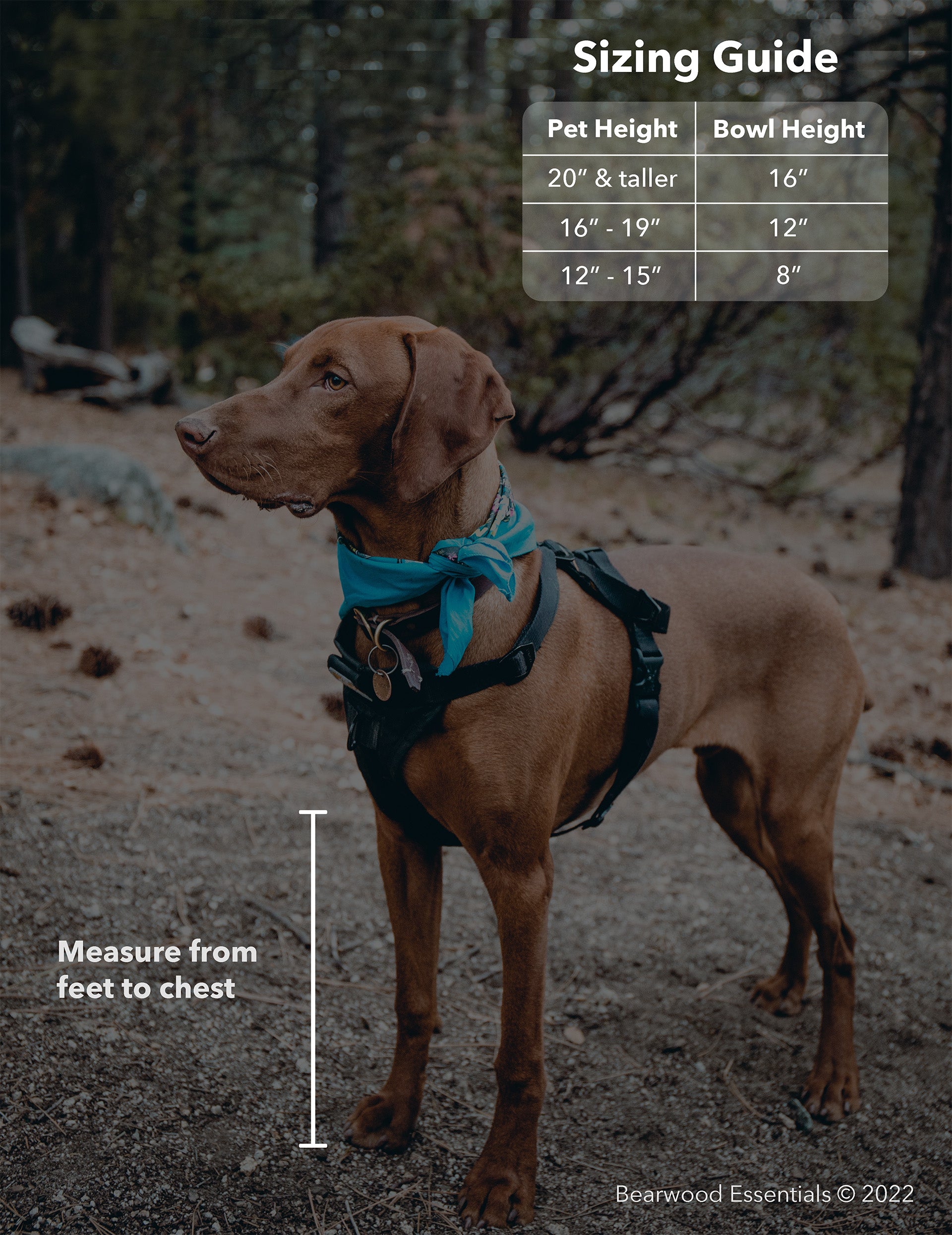
- Use a measuring tape to record their height from the ground to the highest point of their shoulder or withers.
- Weigh your dog using a scale suitable for their size. Ensure they are stationary and the scale is level.
- Compare these measurements to the dog size chart to determine their size category.
Common Misreadings and How to Avoid Them
One common mistake is assuming that all dogs within a size category are the same. While the chart provides a standard, individual dogs can vary significantly within these ranges. Additionally, some breeds may have unique characteristics that affect their size, such as long legs or a heavy build. Always consider these factors and compare your dog's specific measurements to the chart rather than relying solely on their breed's typical size.
Key Factors Affecting Accuracy and Real-World Use
Several factors can impact the accuracy of the dog size chart. First, the chart's measurements are approximate and may not account for all variations in dog breeds and individuals. Second, dogs can change size over time, especially during growth or weight fluctuations. Regularly re-measuring your dog, especially if they are young or their weight is changing, ensures the most accurate assessment. Finally, remember that the chart is a guide, and individual dogs may not fit neatly into a single category. Always consider your dog's unique characteristics and consult a veterinarian for specific health or nutritional advice based on their size and breed.
Well, there you have it! A comprehensive guide to dog size charts, covering all the bases. Remember, while these charts provide a helpful framework, exact values may differ slightly based on various factors.
Feel free to explore our other guides for more practical insights. We've got plenty of resources to keep you informed and inspired, so take a look around and find something that piques your interest!
Related: Get the Right Rug Size: A Clear Chart Guide
Many folks assume that a rug size chart is an exact science, with one standard size fitting all rooms. However, it's actually a flexible tool, offering a range of options to suit your space. A quick glance at this chart will show you the variety of rug sizes available, and it's an easy way to visualize how different dimensions can work in your home. Whether you're after a rug size guide, carpet dimensions, or floor covering measurements, this chart is a simple, effective starting point.
Understanding the Chart: A Quick Overview
A rug size chart is a handy tool to help you choose the right rug for your space. It provides a visual representation of standard rug sizes, making it easy to visualize and compare different dimensions. This chart is a practical guide for anyone looking to add a rug to their home, offering a simple way to ensure the rug fits the intended area perfectly.
Standard vs. Non-Standard Sizes: A Comparison
While most rugs come in standard sizes, there are also non-standard or custom-made options. The rug size chart typically covers a range of common sizes, such as 5x8, 8x10, and 9x12 feet, which are popular choices for various rooms. Non-standard sizes offer more flexibility but may require a bit more effort to find the perfect fit.
Step-by-Step Guide: Using the Chart Effectively
To use the rug size chart accurately, follow these simple steps:
- Identify the area you want to cover with the rug. Measure the length and width of this space to get an idea of the rug size you need.
- Refer to the chart and locate the closest standard size that fits your measurements. For example, if your space is 6x9 feet, a 5x8 or 8x10 rug might be suitable.
- Consider the layout and furniture arrangement. The chart provides a guide, but you may need to adjust based on your specific room setup.
- Take note of the rug's shape. Some charts also indicate whether the rug is rectangular, square, or runner-shaped, helping you choose the right fit for your space.
Common Misreadings and How to Avoid Them
One common mistake is assuming that the chart provides exact measurements for every rug. While it offers a great starting point, it's important to remember that rug sizes can vary slightly. Always double-check the exact dimensions of the rug you're interested in to ensure a perfect fit. Another potential pitfall is ignoring the scale of the room. A large rug in a small room can make the space feel cramped, so always consider the overall balance and proportion.
Key Factors Affecting Accuracy and Real-World Use
- Room Size: The size of the room plays a crucial role in choosing the right rug. A larger room can accommodate bigger rugs, while smaller spaces may require more careful consideration to avoid overcrowding.
- Furniture Arrangement: The placement of furniture can impact the rug size and shape needed. Consider leaving a border of floor space around the rug to create a balanced look.
- Rug Shape: Different shapes, like runners or round rugs, serve specific purposes and fit different spaces. The rug size chart often includes these variations to guide your selection.
- Tolerances: Rug sizes can have slight variations, so it's essential to check the manufacturer's specifications to ensure the rug meets your expectations.
Adapting the Chart: Choosing the Right Format
The rug size chart can be adapted to suit your needs. If you're looking for a specific size, some charts offer a search function or filters to narrow down options. Additionally, metric and imperial measurements are often available, catering to different regions and preferences. For unique spaces, consider using a custom rug size chart or consulting an expert to ensure a perfect fit.
Well, there you have it! A comprehensive guide to rug size charts and their practical uses. We've covered a lot of ground, from understanding the different options to avoiding common pitfalls.
Remember, when it comes to choosing the right rug size, it's essential to consider your unique space and needs. So, take a moment to double-check your measurements and specific requirements before making any final decisions. This guide should be a handy reference, but it's always good to ensure you've got the right fit for your room.
Consider bookmarking this page for future rug adventures; you never know when you might need a quick refresh on finding the perfect rug size!