Lulus Size Chart Template Overview
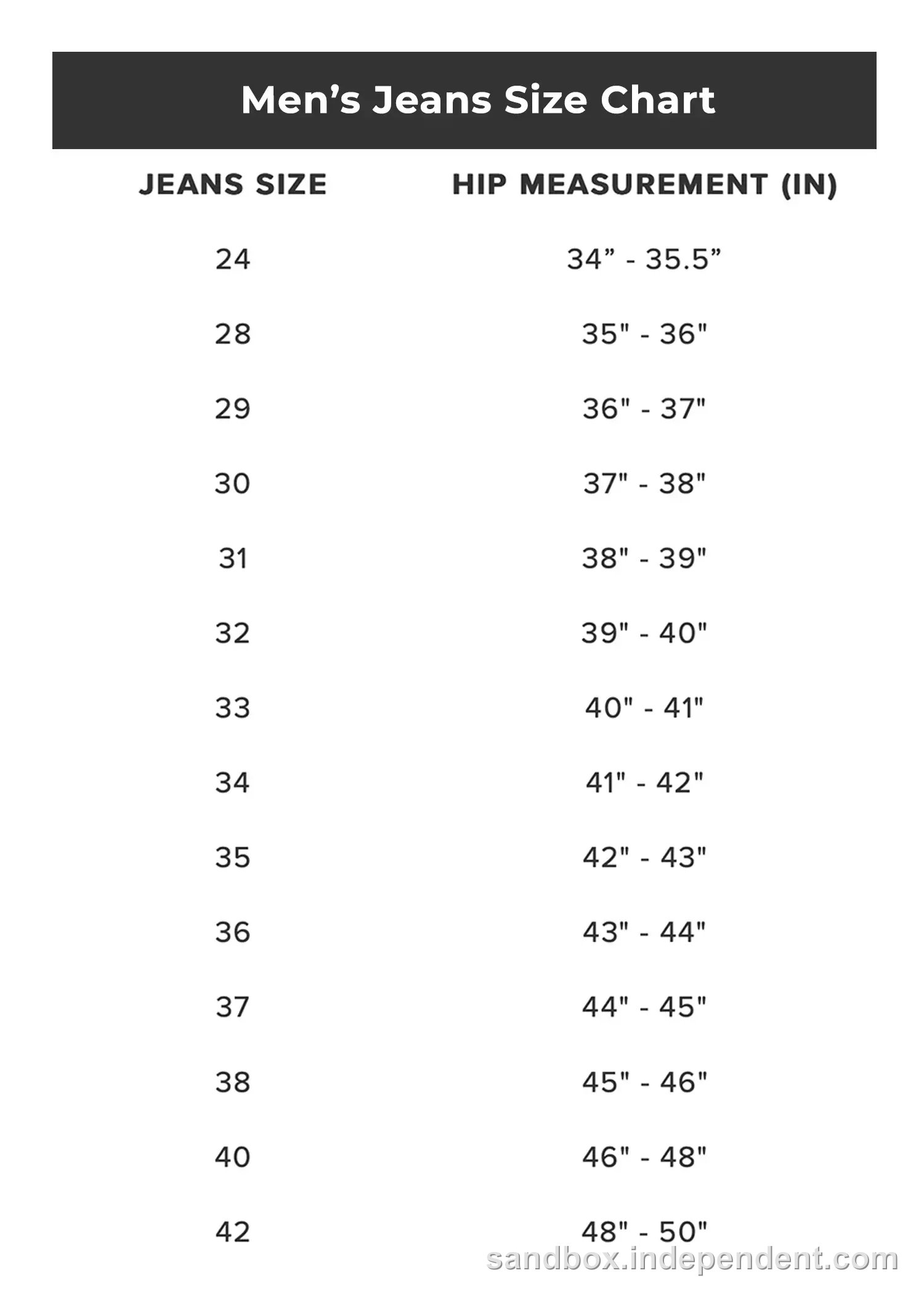
You've found yourself searching for a mens size chart, perhaps for a specific item or to understand the sizing standards better. This chart is a handy tool, offering a quick and visual way to navigate clothing and shoe sizes, especially when you need to get the right fit. It provides a simple reference, often with clear columns and rows, making it easy to find your size and ensure a comfortable, well-fitted garment. While the values and formats may vary, depending on the brand or region, the mens size chart is a reliable starting point for anyone seeking a precise fit.
Understanding the Mens Size Chart
The mens size chart is a valuable tool for anyone looking to find the perfect fit for their clothing or footwear. It provides a standardized guide to help determine the right size for men's garments, ensuring a comfortable and well-tailored look. This chart simplifies the process of finding your size by offering a clear reference for various measurements.
Key Measurements Explained
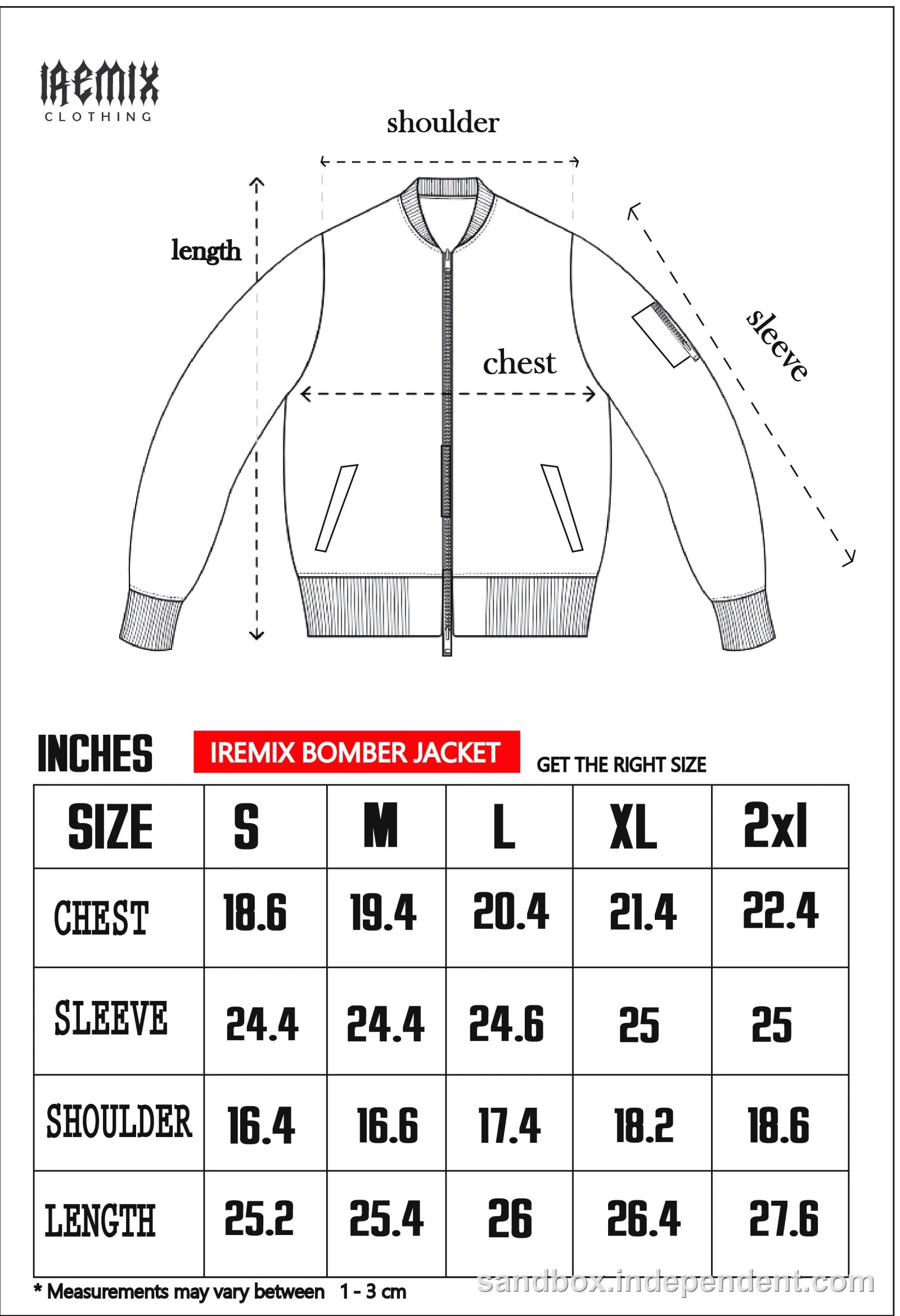
The mens size chart typically includes essential measurements such as chest, waist, and hip circumference, along with height and sometimes sleeve length. These measurements are presented in a tabular format, with columns indicating different sizes and rows for each measurement. The chart may also include a size guide, offering a quick reference for the corresponding measurements of each size.
Reading and Applying the Chart: A Step-by-Step Guide
Identify the measurement you need: Start by determining the specific measurement you want to find, whether it's chest size, waist size, or any other relevant dimension.
Locate the correct column: Find the column on the chart that corresponds to the size you believe you are. This is usually indicated by a size label, such as "Small," "Medium," or "Large."
Check the measurements: Within the chosen column, look for the row that matches the measurement you're seeking. For instance, if you're finding your chest size, locate the row labeled "Chest."
Compare and select: Compare the measurement on the chart with your own body measurements. If your measurement falls within the range provided, that size should be a good fit. If not, try the next size up or down and repeat the process until you find the closest match.
Consider other factors: While the chart provides a general guide, individual body shapes and preferences may vary. Consider factors like your desired fit (loose or fitted) and the style of the garment when making your final size selection.
Common Size Variations and Their Causes
Size charts can vary depending on several factors. One significant influence is the standard being used, as different regions and manufacturers may have their own sizing systems. For instance, a size "Medium" in the US may not align with a "Medium" in Europe. Additionally, the intended use of the garment can impact sizing; athletic wear, for example, often has a different fit compared to casual wear. It's essential to be aware of these variations and refer to the specific size chart provided by the brand or retailer.
Mistakes to Avoid and How to Get it Right
A common mistake is relying solely on your usual size without considering the specific brand or style. Each brand may have its unique sizing, so it's crucial to refer to the provided size chart. Additionally, ensure you measure yourself accurately, as slight variations can make a difference in finding the perfect fit. Always double-check the measurements against the chart to avoid any sizing errors.
Tips for Accurate Sizing and a Perfect Fit
To ensure an accurate fit, measure yourself with a flexible tape measure. Take your measurements while wearing minimal clothing to get the most precise results. If you're between sizes, consider the fabric and style of the garment. Some materials have more give, allowing for a slightly looser fit, while others may be more structured and require a precise size match. Don't be afraid to try on different sizes and trust your judgment based on the provided size chart and your own comfort.
While we've covered the essentials, it's worth noting that the specifics of size charts can vary, so it's always a good idea to double-check the source and ensure you're using the right measurements for your context.
Don't worry, though; with a bit of practice, reading and applying size charts will become second nature. If you ever need a quick refresher, feel free to revisit this guide or explore our other helpful references. It's always good to have these tools at your fingertips!
Related: Find the Right Tooth Shade Chart for You
A common misconception about tooth shade charts is that they are complex and intimidating tools, reserved only for dental professionals. However, these charts are designed to be accessible and practical, offering a simple visual reference for anyone seeking to understand tooth shades accurately. The tooth shade chart, whether in the form of a guide or a scale, provides a clear and organized way to identify and match tooth colors, and it's an essential tool for various dental procedures and aesthetic treatments.
A Practical Guide to Tooth Shade Charts
Tooth shade charts are essential tools for dental professionals and technicians, offering a standardized way to assess and communicate tooth color. These charts provide a reference point for various dental procedures, ensuring accurate shade matching and aesthetic outcomes.
Comparing Standard Shade Guides
The most widely recognized tooth shade guide is the Vitapan 3D-Master Shade Guide. This guide features a systematic arrangement of shades, typically organized in a step-like structure, with each step representing a different shade range. Other popular systems include the Tabulation of Tooth Color and the Dental Shade Guide, which offer similar shade categorization but may vary in their specific numbering or labeling systems.
Practical Shade Matching Process
Using a tooth shade chart accurately involves a straightforward process:
- Prepare the teeth: Ensure the teeth are clean and dry, free from any debris or moisture.
- Lighting conditions: Standardize lighting to ensure consistent and accurate shade assessment. Natural daylight or specialized dental lighting systems are often recommended.
- Select the guide: Choose the appropriate shade guide based on the specific dental procedure and the patient's needs.
- Compare and match: Hold the guide next to the teeth and compare the shades. Look for the closest match, considering both the overall color and any subtle variations.
- Record the shade: Note the shade code or name from the guide for future reference and communication.
- Verify and confirm: Double-check the shade with the patient and ensure it aligns with their expectations and preferences.
Avoiding Misinterpretations and Pitfalls
While tooth shade charts are valuable, misinterpretations can occur. Here are some common pitfalls and how to avoid them:
- Lighting: Inconsistent lighting can lead to incorrect shade assessments. Always ensure proper lighting conditions to maintain accuracy.
- Teeth preparation: Poorly prepared teeth, with residual stains or moisture, can affect shade matching. Proper cleaning and drying are essential.
- Chart variations: Different shade guides may have slight variations in their shade ranges and labeling. Always refer to the specific guide's instructions and double-check the shade codes.
- Individual variations: Keep in mind that tooth color can vary due to factors like age, genetics, and oral health. Be mindful of these variations and communicate them clearly.
- Environmental factors: External factors like lighting conditions and the patient's overall complexion can influence shade perception. Take these into account during the matching process.
By following these guidelines and being aware of potential pitfalls, dental professionals can utilize tooth shade charts effectively, ensuring precise shade matching and enhancing the overall patient experience.
Using a tooth shade chart is a straightforward process, but it's important to remember that the exact values and shades can vary slightly, so always refer to the specific standard or source you're working with. Double-check the details and ensure you're using the right guide for your needs.
Feel free to explore our other guides and resources; we've got plenty of practical information to help you navigate various topics. It's always a good idea to expand your knowledge and stay informed!
Related: Need a coat size chart?
A coat size chart can be a tricky business, and many of us have experienced the frustration of getting it wrong. It's easy to assume that one size fits all, but that's not the case!
This simple reference tool, whether a table or diagram, is your friend and can save you time and potential sizing disasters. While the values and formats may vary depending on the brand and region, the coat size chart offers a reliable guide to ensure you find the perfect fit. It's a quick and easy way to navigate the often confusing world of garment sizing.
Understanding the Coat Size Chart: A Quick Overview
The coat size chart is your practical guide to finding the perfect fit for your coats and jackets. It's a reference tool that simplifies the process of selecting the right size, ensuring comfort and style. This chart provides a standardized way to match your body measurements with the corresponding coat size, making shopping easier and more accurate.
Comparing Standard Sizing Systems and Formats
Coat size charts can vary depending on the standard used. The most common systems are the US standard sizes and the international or metric sizes. These systems have different measurements and categories, so it's essential to know which standard the chart follows. US sizes often use alphabetical letters (e.g., S, M, L) and numerical sizes (e.g., 6, 8, 10), while international sizes typically use numerical ranges (e.g., 36, 38, 40) and may include additional letters (e.g., XS, XL).
Practical Steps to Use the Coat Size Chart Accurately
Using the coat size chart is straightforward:
- Measure your body: Take accurate measurements of your chest, waist, and hips. These are the key areas for coat sizing.
- Find your size: Locate your measurements on the chart. Match your chest measurement to the corresponding size column. If your waist and hip measurements fall within the same size range, great! If not, choose the size that best fits your chest and consider adjusting the fit with a belt or tailoring.
- Consider the style: Different coat styles may have varying fits. Some are designed to be more relaxed and loose-fitting, while others are tailored and fitted. Check the product description or consult the size guide for specific style recommendations.
- Double-check: Always refer to the product's size guide or specifications. Some brands may have slight variations in their sizing, so it's best to confirm the exact measurements and tolerances.
Common Misreadings and Pitfalls to Avoid
Here are some key factors to keep in mind to avoid sizing mistakes:
- Garment measurement standards can vary: Coats and jackets may have different fit preferences, so always check the product's specific size guide.
- International clothing sizes may differ: If you're shopping internationally, be aware of the size conversions. Some countries use different sizing systems, so a size 10 in one country might not be the same as a size 10 elsewhere.
- Body measurement guide: Ensure you measure yourself accurately. Loose or tight clothing during measurement can affect the result. Stand upright and measure snugly but comfortably.
- Consider the fabric: The stretch and drape of the fabric can impact the fit. Natural fibers like wool may have more give, while synthetic fabrics might be more structured.
- Personal preference: Sizing is not one-size-fits-all. Some people prefer a looser fit, while others like a more tailored look. Consider your personal style and comfort when choosing a size.
Hey there! We hope this coat size chart guide has been helpful in your quest for the perfect fit. Remember, while we've covered the basics, the exact values might differ slightly depending on the brand or standard you're referring to. It's always a good idea to check the specific guidelines for each item you're eyeing.
Feel free to explore our other guides on similar topics. We've got a range of practical resources to help you navigate the world of fashion and sizing with ease. Happy browsing and happy shopping!