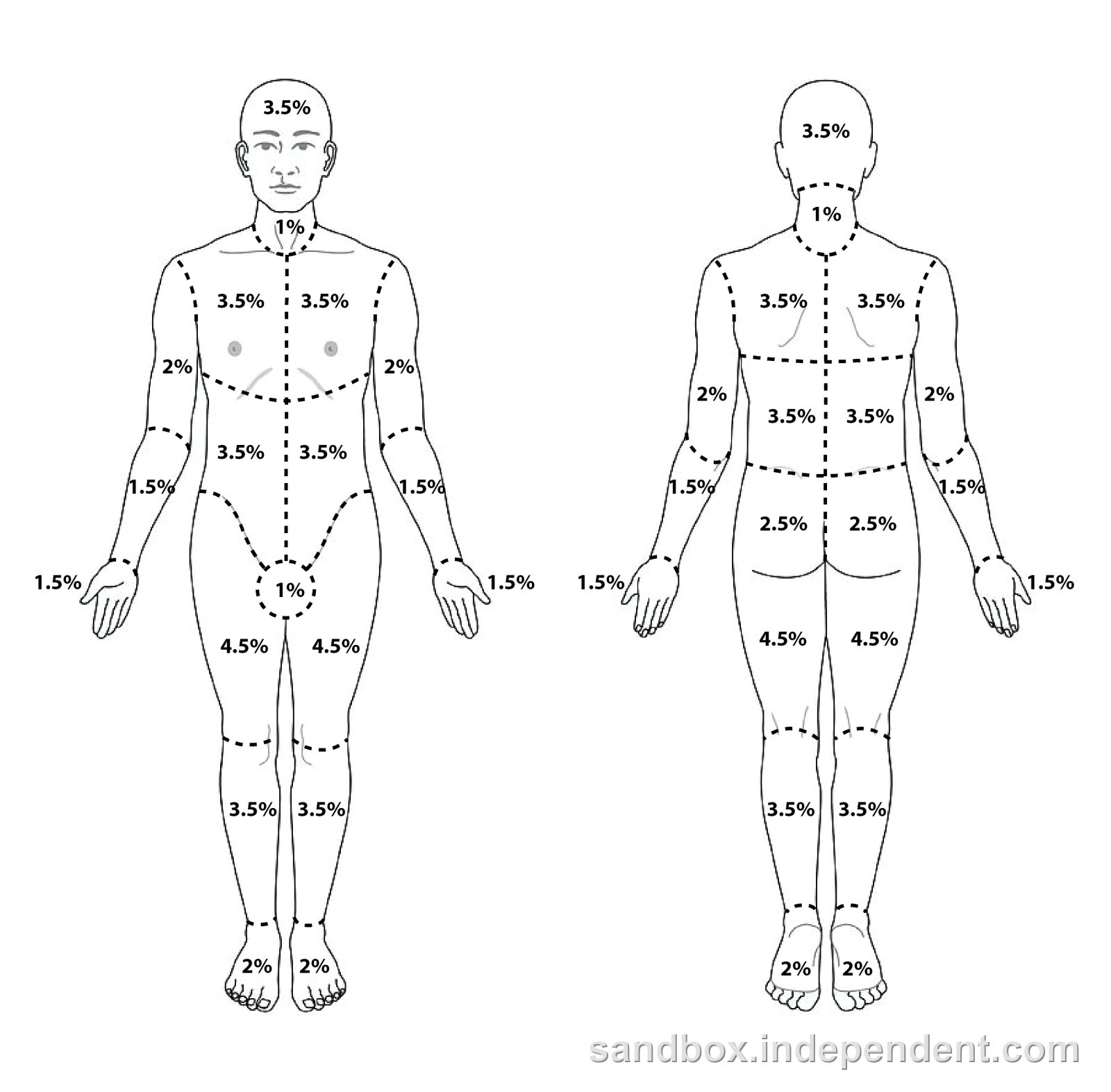






Lund Browder Chart 2026 Overview
You're here, searching for a quick fix, wanting to understand the Spotify pie chart and its insights. Well, this chart is a handy tool, a simple yet effective way to visualize Spotify's market share and audio streaming trends. It provides a snapshot of the music streaming data, offering a clear picture of the industry's landscape. The pie chart interpretation can vary; it's an adaptable visual, so you might find different versions, but the core idea remains the same: a quick, engaging way to grasp market share analysis.
Understanding the Data: A Quick Overview
The Spotify pie chart is a powerful tool to visualize and understand music streaming data. It provides a snapshot of music preferences, artist popularity, and market share analysis. This chart is a simple yet effective way to interpret complex streaming trends.
Comparing Key Metrics: A Standardized Approach
When reading a Spotify pie chart, you'll notice it displays different categories or metrics. These typically include artists, albums, or songs, each represented by a slice of the pie. The size of each slice indicates the proportion or percentage of total streams. It's a standardized way to compare music industry insights.
Step-by-Step Guide: Reading and Interpreting the Chart
Here's a simple process to read and understand a Spotify pie chart:
Identify the categories: Start by recognizing the different segments of the pie. These represent artists, albums, or songs.
Note the slice sizes: Pay attention to the size of each slice. Larger slices indicate higher popularity or market share.
Compare slices: Look for patterns or trends. Are certain artists consistently popular? Are specific genres more dominant?
Analyze the whole pie: Consider the overall distribution. Is it evenly balanced, or does one segment dominate? This gives insights into overall streaming trends.
Consider context: Think about the time frame and region. Streaming patterns can vary over time and across different regions.
Common Misreadings and Pitfalls: Avoiding Mistakes
It's easy to misinterpret a Spotify pie chart if you don't consider certain factors. Here are some common mistakes to avoid:
Assuming equal importance: Each slice represents a proportion, not an absolute value. Don't compare slices directly without considering their size.
Ignoring context: Streaming trends can vary widely. Always consider the time frame and region when interpreting the data.
Overlooking small slices: Even small slices can be significant. They might represent emerging artists or niche genres.
Forgetting to update: Streaming data changes rapidly. Ensure you're using the latest data for accurate insights.
Key Factors Affecting Accuracy and Real-World Use
The accuracy of a Spotify pie chart depends on several factors:
Data source: Ensure the data is from a reliable source, like Spotify's analytics tools.
Time frame: Consider the period the data covers. Streaming patterns can change over time.
Region: Streaming trends vary by region. Ensure the chart represents the desired region.
Category selection: Choose categories relevant to your analysis. Artist, album, and song data provide different insights.
Sample size: Larger sample sizes provide more accurate representations.
Choosing the Right Format: Adapting for Specific Needs
While the standard Spotify pie chart is versatile, you might need to adapt it for specific analyses. Here are some variations:
Multiple charts: Compare different regions or time frames side by side.
Stacked pie charts: Combine multiple categories (e.g., artists and albums) for a more detailed view.
Donut charts: Use a donut chart for a more visually appealing variation.
Bar charts: Consider a bar chart for a different visual representation of the data.
Interactive charts: Explore interactive charts for a dynamic, user-friendly experience.
Hey there! I hope this guide has given you a solid understanding of Spotify's pie chart feature and how to use it effectively. Remember, while the basics remain the same, there might be slight variations in the exact details, so keep an eye out for those.
Don't forget to explore other guides on our site. We've got a bunch of practical tips and tricks to help you get the most out of your music streaming experience. Happy listening!
Related: Get the Right Fit: Hoka Size Chart Guide
Many folks assume that a Hoka size chart is a one-size-fits-all guide, but it's actually a bit more nuanced than that. While it provides a handy reference, these charts can vary depending on the brand and the type of shoe.
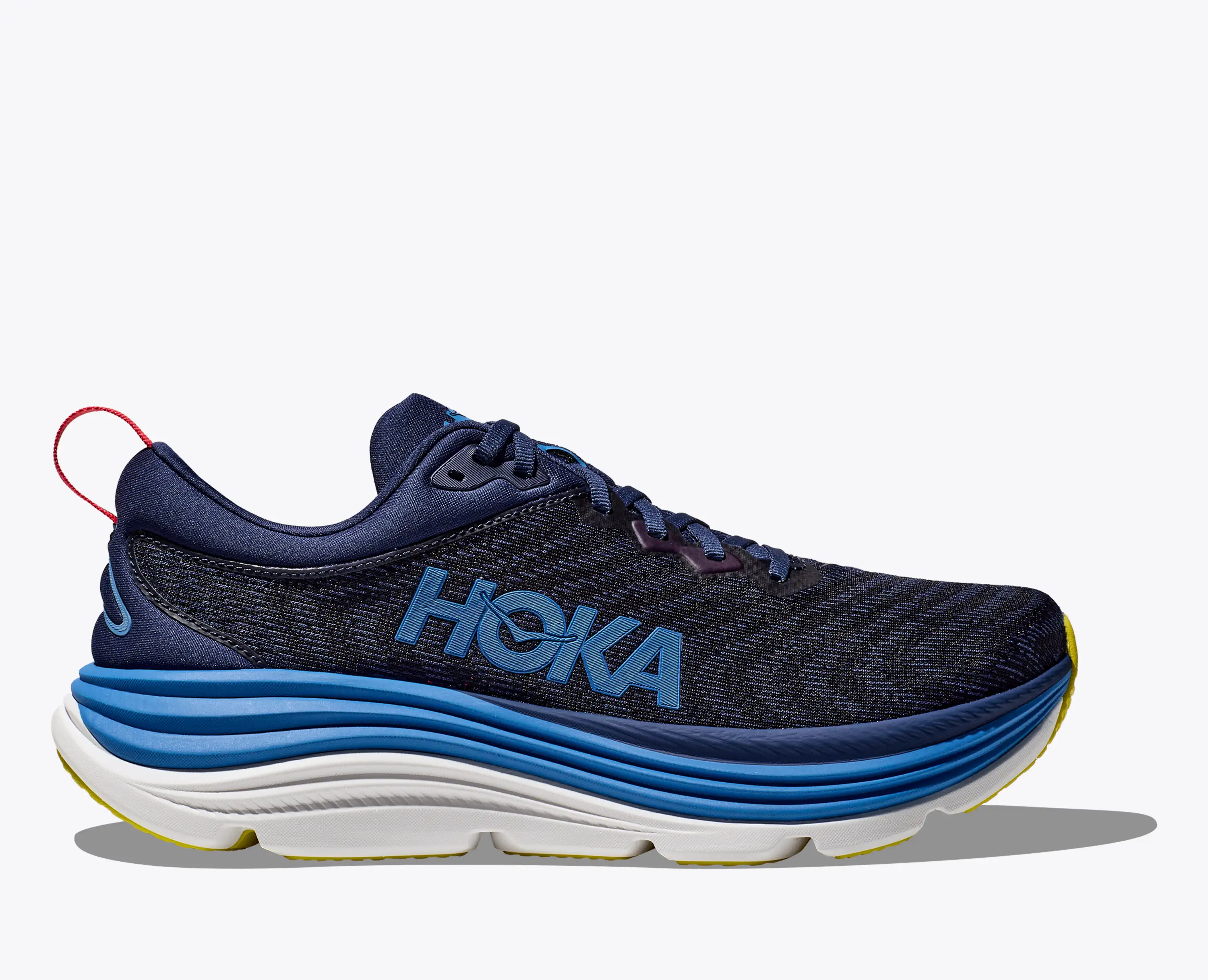
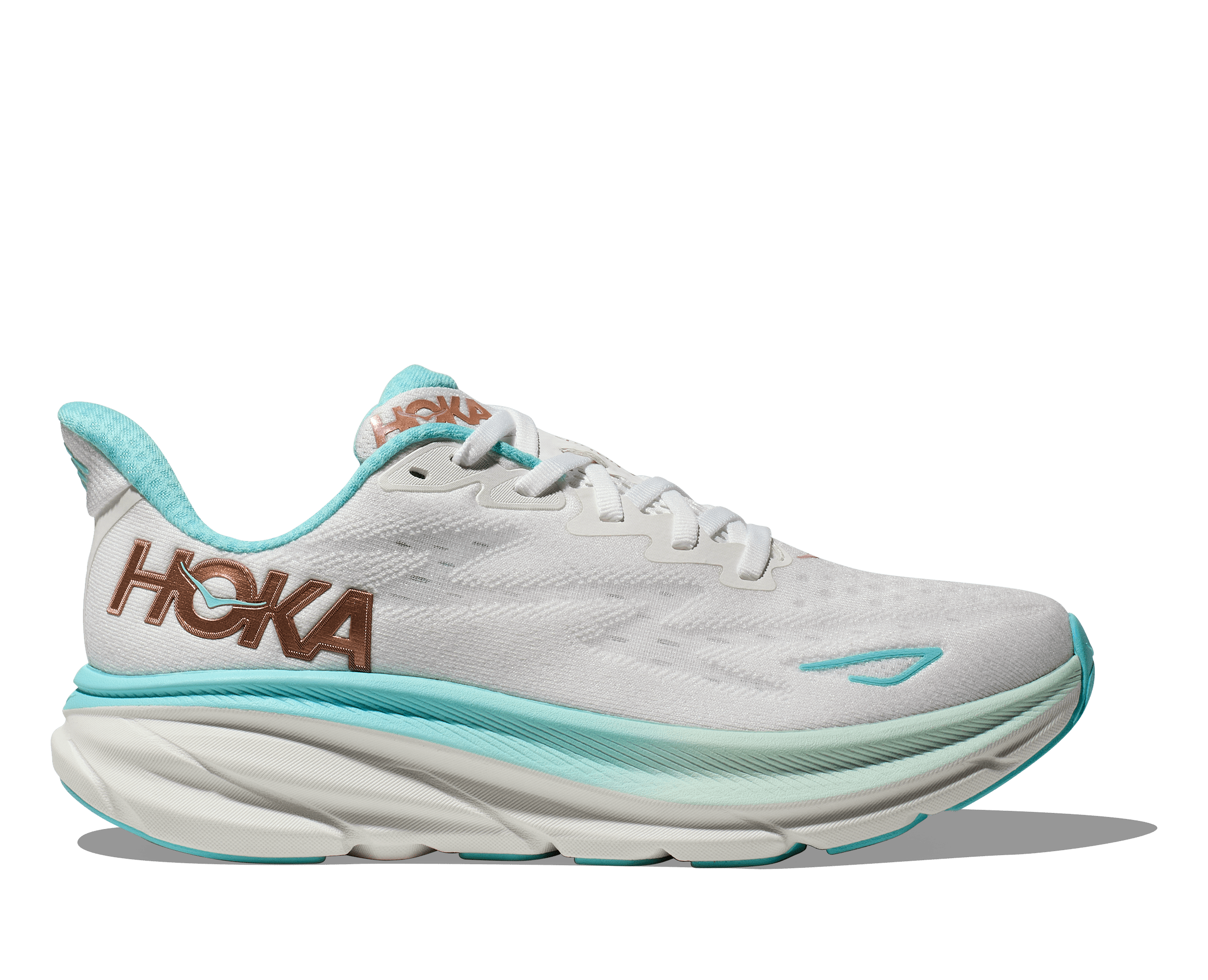
So, when you're looking at a Hoka sizing guide, remember it's not just about the numbers; it's about finding the perfect fit for your unique feet. Whether you're a runner seeking the right Hoka running shoe sizes or just need a quick shoe size conversion, these charts are your friends!
Understanding the Hoka Size Chart
The Hoka size chart is your guide to finding the perfect fit for your feet. It's a simple yet effective tool that helps you navigate the world of Hoka footwear sizes. This chart ensures you get the right size, whether you're a runner seeking comfort or just looking for a stylish pair of shoes.
Key Details and Categories
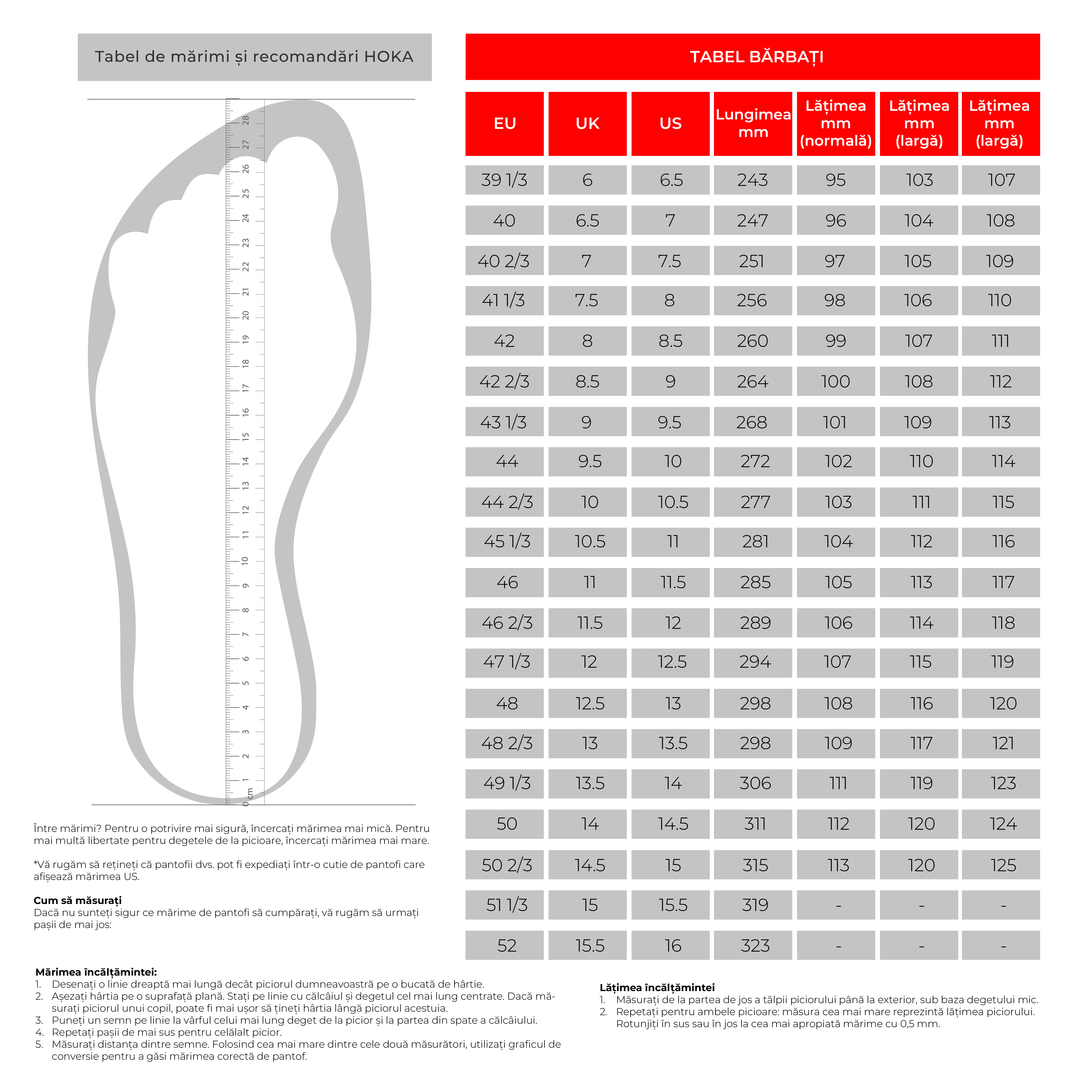
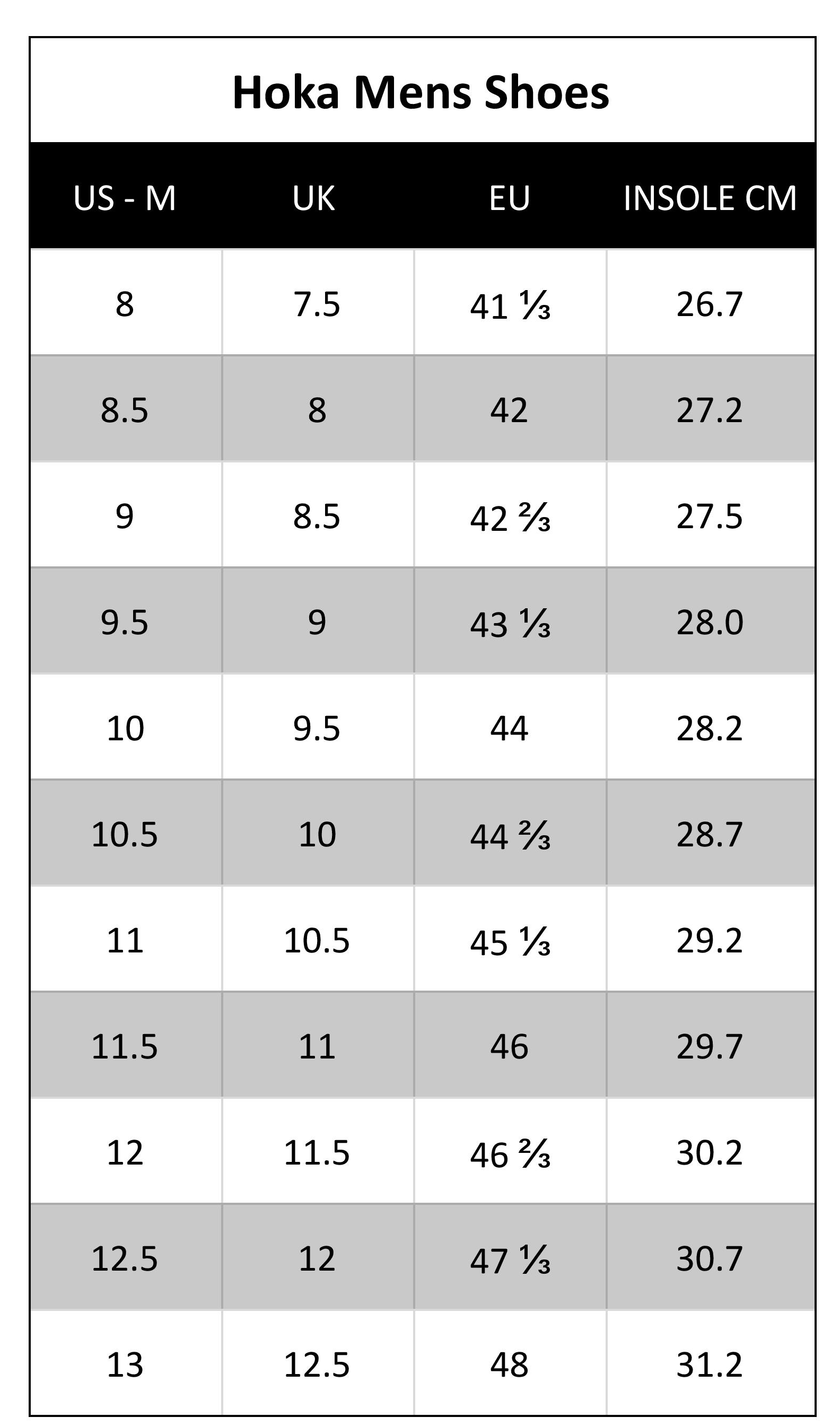
The Hoka size chart typically includes standard foot measurements, with length and width being the primary dimensions. Length is measured in either US sizes or metric (international) sizes, depending on the region and standard. Width, on the other hand, often has a few variations, such as narrow, regular, and wide, to accommodate different foot shapes.
How to Read and Apply the Chart
- Start by determining your foot length. This is the foundation of your size selection. Measure your foot, or refer to a previous pair of shoes that fit well.
- Next, consider your foot width. If you have a wider foot, you may need to size up or opt for a wider width option.
- Using the Hoka size chart, match your foot length and width to the corresponding size. The chart will guide you to the appropriate size, considering both dimensions.
- Remember, the chart provides a starting point. It's always a good idea to try on the shoes to ensure a comfortable fit.
Variations and Differences
Hoka size charts may vary slightly depending on the shoe model and intended use. For instance, running shoes might have a different fit compared to casual footwear. Additionally, Hoka might offer specific width options for certain models, catering to a broader range of foot shapes. Always check the Hoka sizing guide for the particular model you're interested in.
Common Mistakes and How to Avoid Them
One common mistake is assuming all shoe brands use the same size standards. Hoka sizes might differ from other brands, so relying solely on your usual size can lead to an incorrect fit. Always refer to the Hoka one one size guide for accuracy. Another pitfall is neglecting to measure your foot width. While length is crucial, width variations can make a significant difference in comfort. Ensure you consider both dimensions when using the Hoka size chart.
Well, that's the lowdown on Hoka size charts! You now have the tools to navigate these charts with ease and find your perfect fit. Remember, while these charts are a great guide, exact values can differ, so always check your specific requirements.
It's worth bookmarking this page for future reference; you never know when you might need to size up (or down!) for your next adventure. Happy measuring, and here's to comfortable feet!
Related: Need a coat size chart?
A coat size chart can be a tricky business, and many of us have experienced the frustration of getting it wrong. It's easy to assume that one size fits all, but that's not the case!
This simple reference tool, whether a table or diagram, is your friend and can save you time and potential sizing disasters. While the values and formats may vary depending on the brand and region, the coat size chart offers a reliable guide to ensure you find the perfect fit. It's a quick and easy way to navigate the often confusing world of garment sizing.
Understanding the Coat Size Chart: A Quick Overview
The coat size chart is your practical guide to finding the perfect fit for your coats and jackets. It's a reference tool that simplifies the process of selecting the right size, ensuring comfort and style. This chart provides a standardized way to match your body measurements with the corresponding coat size, making shopping easier and more accurate.
Comparing Standard Sizing Systems and Formats
Coat size charts can vary depending on the standard used. The most common systems are the US standard sizes and the international or metric sizes. These systems have different measurements and categories, so it's essential to know which standard the chart follows. US sizes often use alphabetical letters (e.g., S, M, L) and numerical sizes (e.g., 6, 8, 10), while international sizes typically use numerical ranges (e.g., 36, 38, 40) and may include additional letters (e.g., XS, XL).
Practical Steps to Use the Coat Size Chart Accurately
Using the coat size chart is straightforward:
- Measure your body: Take accurate measurements of your chest, waist, and hips. These are the key areas for coat sizing.
- Find your size: Locate your measurements on the chart. Match your chest measurement to the corresponding size column. If your waist and hip measurements fall within the same size range, great! If not, choose the size that best fits your chest and consider adjusting the fit with a belt or tailoring.
- Consider the style: Different coat styles may have varying fits. Some are designed to be more relaxed and loose-fitting, while others are tailored and fitted. Check the product description or consult the size guide for specific style recommendations.
- Double-check: Always refer to the product's size guide or specifications. Some brands may have slight variations in their sizing, so it's best to confirm the exact measurements and tolerances.
Common Misreadings and Pitfalls to Avoid
Here are some key factors to keep in mind to avoid sizing mistakes:
- Garment measurement standards can vary: Coats and jackets may have different fit preferences, so always check the product's specific size guide.
- International clothing sizes may differ: If you're shopping internationally, be aware of the size conversions. Some countries use different sizing systems, so a size 10 in one country might not be the same as a size 10 elsewhere.
- Body measurement guide: Ensure you measure yourself accurately. Loose or tight clothing during measurement can affect the result. Stand upright and measure snugly but comfortably.
- Consider the fabric: The stretch and drape of the fabric can impact the fit. Natural fibers like wool may have more give, while synthetic fabrics might be more structured.
- Personal preference: Sizing is not one-size-fits-all. Some people prefer a looser fit, while others like a more tailored look. Consider your personal style and comfort when choosing a size.
Hey there! We hope this coat size chart guide has been helpful in your quest for the perfect fit. Remember, while we've covered the basics, the exact values might differ slightly depending on the brand or standard you're referring to. It's always a good idea to check the specific guidelines for each item you're eyeing.
Feel free to explore our other guides on similar topics. We've got a range of practical resources to help you navigate the world of fashion and sizing with ease. Happy browsing and happy shopping!