





Lund Browder Chart Free Printable Overview
Many people approach hair colors charts with a bit of trepidation, assuming they are complex and confusing. But fear not! These charts are your friends and can be incredibly useful tools.
They provide a simple, visual way to understand and choose hair colors. While the specific values and formats may vary, the hair colors chart remains a reliable guide, offering a clear path to achieving your desired hair color. Think of it as a map, leading you to your perfect shade, with the color wheel and hair color levels acting as your compass.
Hair Colors Chart: A Visual Guide to Hair Dye Shades
The hair colors chart is a handy reference tool for anyone looking to experiment with hair dye. It's a visual representation of different hair colors, shades, and tones, helping you choose and understand the various options available. This chart is a great starting point for anyone new to hair coloring or those seeking a specific shade.
Key Details and Categories
The hair color guide typically features a range of colors, organized into sections or families. You'll often find categories like "blonde," "brunette," "red," and "black," with further subdivisions for specific shades. Each color is usually represented by a swatch or a small square, showing the exact shade. Additionally, the chart may include a color wheel or a visual representation of color theory, which helps understand the relationships between colors.
Reading and Applying the Chart
To use the hair colors chart, start by identifying the color family you're interested in. Let's say you're looking for a specific shade of brown. Locate the "brunette" section and explore the various shades within. Each shade will have a unique code or number, which represents the specific formulation of that color. These codes are essential when purchasing hair dye, as they ensure you get the exact shade you want.
Here's a step-by-step guide:
- Identify the color family.
- Locate the specific shade you desire.
- Note the corresponding code or number.
- Use this code when purchasing hair dye to ensure an accurate match.
Variations and Differences
It's important to note that hair color charts may vary depending on the brand or manufacturer. Different companies may use slightly different shades or numbering systems. Additionally, the way hair reacts to dye can vary based on individual hair types and previous coloring treatments. Here are some key factors that can cause variations:
- Tone and depth: Hair color can appear different depending on the natural tone and depth of your hair.
- Previous coloring: If your hair has been dyed before, the new color may interact with the existing dye, resulting in a unique outcome.
- Hair type: The porosity and texture of your hair can affect how it absorbs and holds color.
- Environmental factors: Sun exposure and water quality can impact the longevity and vibrancy of your hair color.
When using a hair color chart, it's always a good idea to consult with a professional stylist, especially if you're aiming for a specific look or have unique hair characteristics. They can guide you towards the best shade and provide tips for achieving and maintaining your desired hair color.
Hey there! So, we've covered a lot of ground with this hair color chart, and I hope it's given you a clear picture of what you need to know. Remember, these charts are a great starting point, but exact details can differ slightly, so it's always good to double-check.
Feel free to explore our other guides; we've got plenty of practical tips and tricks to help you navigate the world of hair care and styling. Happy coloring!
Related: Find the Perfect Fit: Chicos Size Chart Guide
Many shoppers may approach the chicos size chart with some hesitation, assuming it's a complex and confusing tool. However, it's quite the opposite; this chart is a straightforward and invaluable resource for anyone navigating the world of clothing sizes.
The beauty of the chicos size chart lies in its simplicity and consistency. While size charts can vary slightly across brands and regions, the Chicos chart offers a reliable and standardized guide, ensuring a seamless shopping experience for its customers. With a quick glance, you can confidently understand your size and make informed choices, whether you're shopping online or in-store.
Understanding the Chicos Size Chart
The chicos size chart is a valuable tool for anyone looking to find their perfect fit in Chicos clothing. It provides a clear and organized guide to help you determine your size based on your body measurements. By following this chart, you can ensure a comfortable and flattering fit for your Chicos wardrobe.
Key Details and Categories
The chicos sizing guide typically includes measurements for bust, waist, and hip, which are the primary categories to consider. These measurements are presented in inches or centimeters, depending on the standard being used. The chart offers a range of sizes, usually starting with smaller sizes and progressing to larger ones, covering a wide range of body types. It's important to note that Chicos, like many clothing brands, may have slight variations in their sizing charts, so always refer to the specific chart provided by Chicos for the most accurate information.
How to Read and Apply the Size Chart
To use the chicos size chart effectively, follow these steps:
- Measure your bust, waist, and hip using a measuring tape. Ensure the tape is straight and not twisted, and that it sits comfortably around your body without squeezing or sagging.
- Locate your measurements on the chart. Find the size that aligns with your bust, waist, and hip measurements. If your measurements fall between two sizes, consider the overall fit you prefer. A looser fit may be more comfortable, while a closer fit can create a more tailored look.
- Take into account the fabric and style of the garment. Some fabrics have more give, so a slightly smaller size may work, while structured garments may require a more precise fit.
- If you're between sizes or unsure, don't hesitate to contact Chicos' customer support for further guidance. They can provide additional advice based on the specific garment and your preferences.
Size Variations and Common Causes
It's important to understand that size charts can vary across brands and even within a brand's different product lines. Here are some factors that can contribute to size variations:
- Fabric and design: Different fabrics and styles can affect the fit and sizing of a garment. Stretchier fabrics may accommodate a wider range of sizes.
- Regional standards: Clothing size charts can differ based on regional standards. For example, a US size may not align perfectly with an international size chart.
- Body shape: Everyone's body is unique, and variations in body shape can impact how a size chart applies to you. Curves, height, and proportion can all influence the fit.
- Manufacturing tolerances: Even within a brand, there can be slight variations in sizing due to manufacturing processes. Always refer to the specific size chart for the garment you're interested in.
Remember, the chicos size chart is a helpful guide, but it's not an exact science. By understanding your body measurements and the factors that can influence sizing, you can make informed choices and find the perfect Chicos outfit that flatters your figure.
Chicos size charts are a handy tool to have at your disposal, especially when you need to find the perfect fit. Remember, these charts are a guide, and while they provide a consistent framework, exact values can vary.
So, before you finalize your measurements, take a moment to ensure you're using the right chart for your specific needs. With that in mind, you're all set to tackle your sizing challenges! Consider bookmarking this page for future reference; it might just save you some time and effort the next time you need to refer to a size chart.
Related: What's the OU Depth Chart All About?
An ou depth chart is a handy tool for any sports enthusiast, especially those following college football. This guide will help you navigate and understand the ins and outs of these charts, ensuring you can quickly reference and utilize them effectively.
The depth chart is a simple yet powerful visual, often in table format, that lays out the player positions and ranks them by their experience and skill level. While the specific values and rankings may vary depending on the team and league, the general concept remains the same, providing an at-a-glance overview of a team's lineup and player depth.
Understanding the OU Depth Chart: A Practical Guide
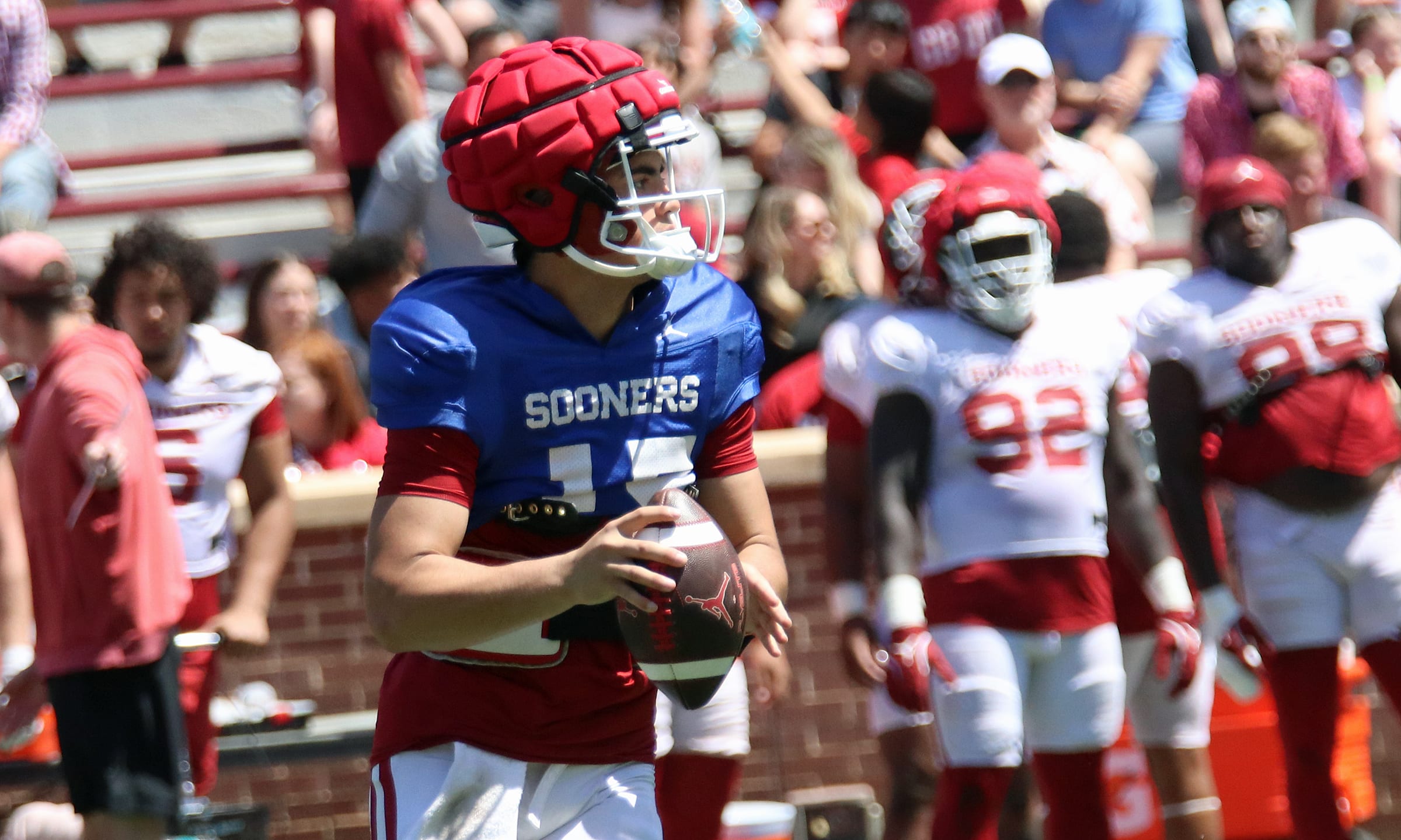
The OU depth chart is a valuable tool for college football fans, especially those following the Oklahoma Sooners. It provides a visual representation of the team's roster, showing the players' positions and their depth within the team. Think of it as a roadmap to understanding the Sooners' lineup and strategy.
Comparing Formats and Standards
OU depth chart formats can vary slightly depending on the source and the level of detail required. Typically, you'll find two main categories: the traditional depth chart and the positional depth chart. The traditional chart lists players by position, with a clear indication of the starters and backups. On the other hand, the positional chart focuses on each player's specific role, providing a more detailed view of their skills and contributions. Both formats use standard abbreviations for positions, ensuring consistency across charts.
Step-by-Step Guide to Reading the Depth Chart
Reading an OU depth chart is straightforward:
- Start by identifying the position groups. These are typically listed across the top of the chart, with common abbreviations like QB for Quarterback, RB for Running Back, and so on.
- Next, look at the players listed under each position. The starters are usually indicated by a symbol or highlighted in some way. For example, a star or the word "START" might be used.
- Below the starters, you'll find the backups, often listed in order of their experience or skill level.
- Some charts also include additional information, such as jersey numbers or player heights and weights. This extra data can provide valuable insights into the team's strategy and player characteristics.
Avoiding Common Misinterpretations
While OU depth charts are relatively simple, there are a few potential pitfalls to avoid:
- Remember that depth charts are dynamic and can change frequently. Always check the date of the chart to ensure you're working with the most recent information.
- Don't assume that the order of backups indicates their skill level. Sometimes, coaches list players based on their experience or specific skills required for certain situations.
- Be cautious when interpreting player rankings or ratings. These are often subjective and can vary between analysts. Always consider multiple sources to get a well-rounded view.
Factors Affecting Accuracy and Real-World Use
The accuracy of an OU depth chart depends on several factors:
- Official team sources are the most reliable, as they provide the latest and most accurate information. However, even these can change rapidly, especially during injury-prone periods or when new players join the team.
- Regional or media-produced charts might have slight variations, so it's essential to cross-reference with official sources whenever possible.
- Player performance and injuries can significantly impact the depth chart. Always keep an eye on the team's latest news and updates to understand any changes in the lineup.
- For a more detailed analysis, consider using positional depth charts, which provide a deeper insight into the team's strategy and player roles.
By following these guidelines, you'll be able to navigate and understand OU depth charts like a pro, gaining valuable insights into the Oklahoma Sooners' lineup and strategy.
Well, that's a wrap on our deep dive into the world of OU depth charts! We've covered a lot of ground, from understanding the basics to mastering the art of using these charts effectively.
Remember, when it comes to applying this knowledge, always double-check your specific needs and context. Exact values and details might vary, so it's essential to tailor the chart to your unique situation. Consider bookmarking this page for a quick refresh the next time you need a reminder - it's a handy tool to have at your fingertips!