





Lund Browder Chart Sheet Overview
A 1-100 number chart is a simple yet powerful tool, often overlooked, that can be incredibly useful for quick references and understanding number patterns. This guide will give you a straightforward lowdown on how to read and utilize this chart effectively. From number lines to counting charts, we'll cover the basics to ensure you grasp the concept and its applications.
The Quick Guide to 1-100 Number Charts
The 1-100 number chart is a simple yet powerful tool for understanding and working with numbers. It's a visual representation of the numbers 1 to 100, often displayed as a grid or a line, and it's a great way to grasp number patterns and relationships. This chart is a fundamental resource for math enthusiasts, educators, and anyone wanting to improve their numerical literacy.
Comparing Number Chart Formats
There are a few variations in how the number line is presented. Some charts use a simple grid layout, with numbers arranged in rows and columns, making it easy to identify patterns and relationships. Others opt for a linear format, where numbers are placed along a line, often with additional features like color-coding to highlight odd and even numbers. The choice of format depends on personal preference and the specific use case.
Using the 1-100 Number Chart: A Step-by-Step Guide
Using the 1-100 number chart is straightforward and can be a fun way to explore numbers. Here's a simple guide:
- Start by familiarizing yourself with the chart. Notice the pattern of numbers and how they are arranged.
- Identify the ordinal numbers and their positions. This helps in understanding the sequence and order of numbers.
- Practice counting by tens. You'll notice a clear pattern, as each number ending with a zero is a multiple of ten.
- Look for odd and even numbers. Many charts highlight these, making it easy to distinguish between them.
- Use the chart for basic arithmetic. You can quickly add or subtract small numbers by counting the spaces between numbers on the chart.
- Explore number sequences and patterns. The chart makes it evident how numbers progress and relate to each other.
Common Misreadings and How to Avoid Them
While the 1-100 number chart is straightforward, a few common mistakes can be made. Here are some tips to avoid them:
- Misreading number sequences: Always double-check the sequence, especially when counting by tens or identifying odd and even numbers.
- Confusing ordinal and cardinal numbers: Remember, the chart represents ordinal numbers, so the position of a number matters.
- Assuming standard formats: Be aware that charts can vary, especially in different regions or for specific purposes. Always check the labels and categories to ensure accuracy.
- Overlooking details: Take your time and focus on the chart's layout and features. Don't rush, as this can lead to errors.
By following these simple steps and being mindful of potential pitfalls, you can accurately and confidently use the 1-100 number chart as a valuable tool for understanding and working with numbers.
So, there you have it! A quick guide to navigating the world of number charts, specifically the 1-100 chart. We've covered the basics, compared a few options, and provided a simple process to create your own.
Remember, while these charts are a handy reference, it's always wise to check your specific needs. Exact values and formats might vary, so ensure you double-check the standards or sources relevant to your context. Feel free to explore our other guides for more practical tips and tricks!
Related: Find Your Perfect Jean Size with Our Chart
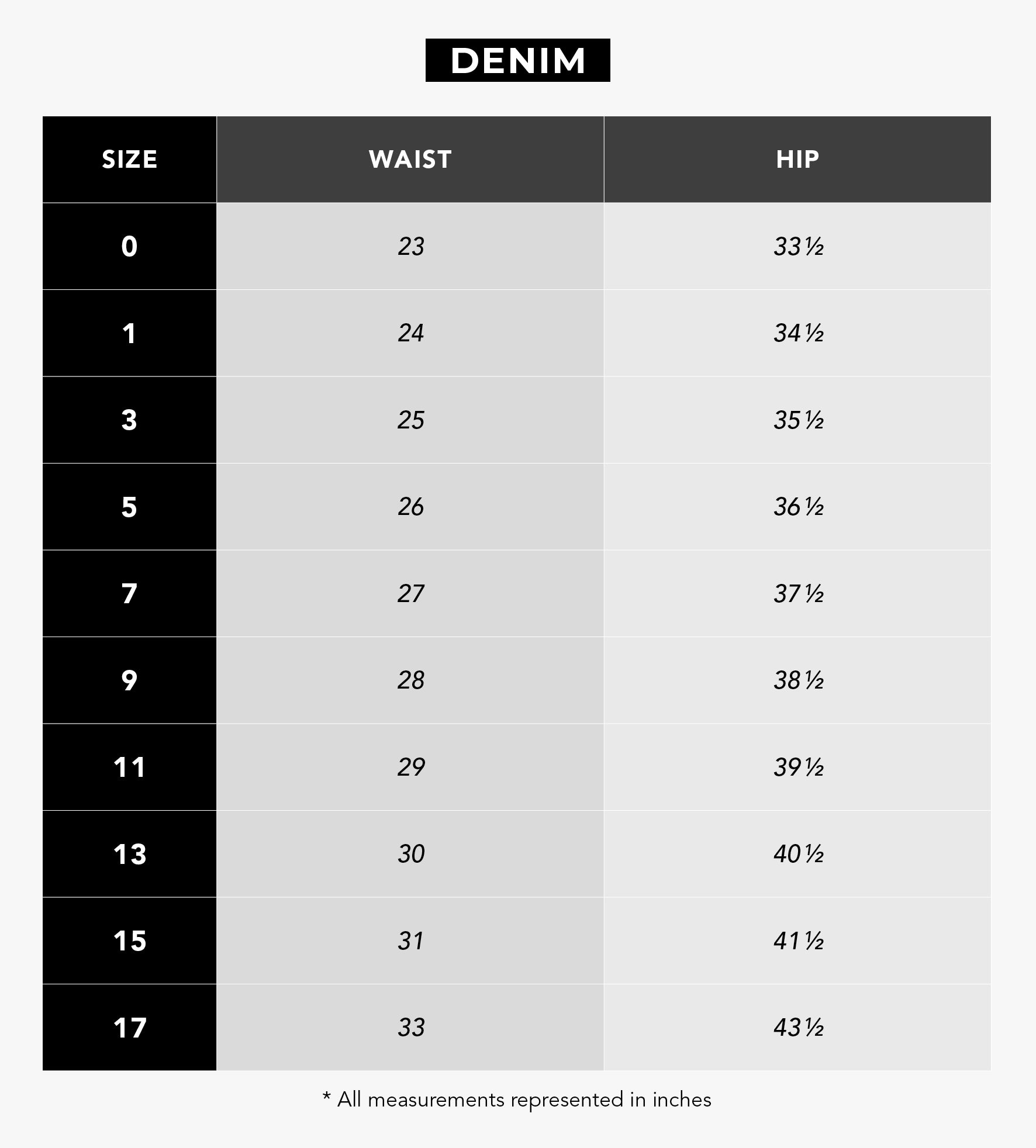
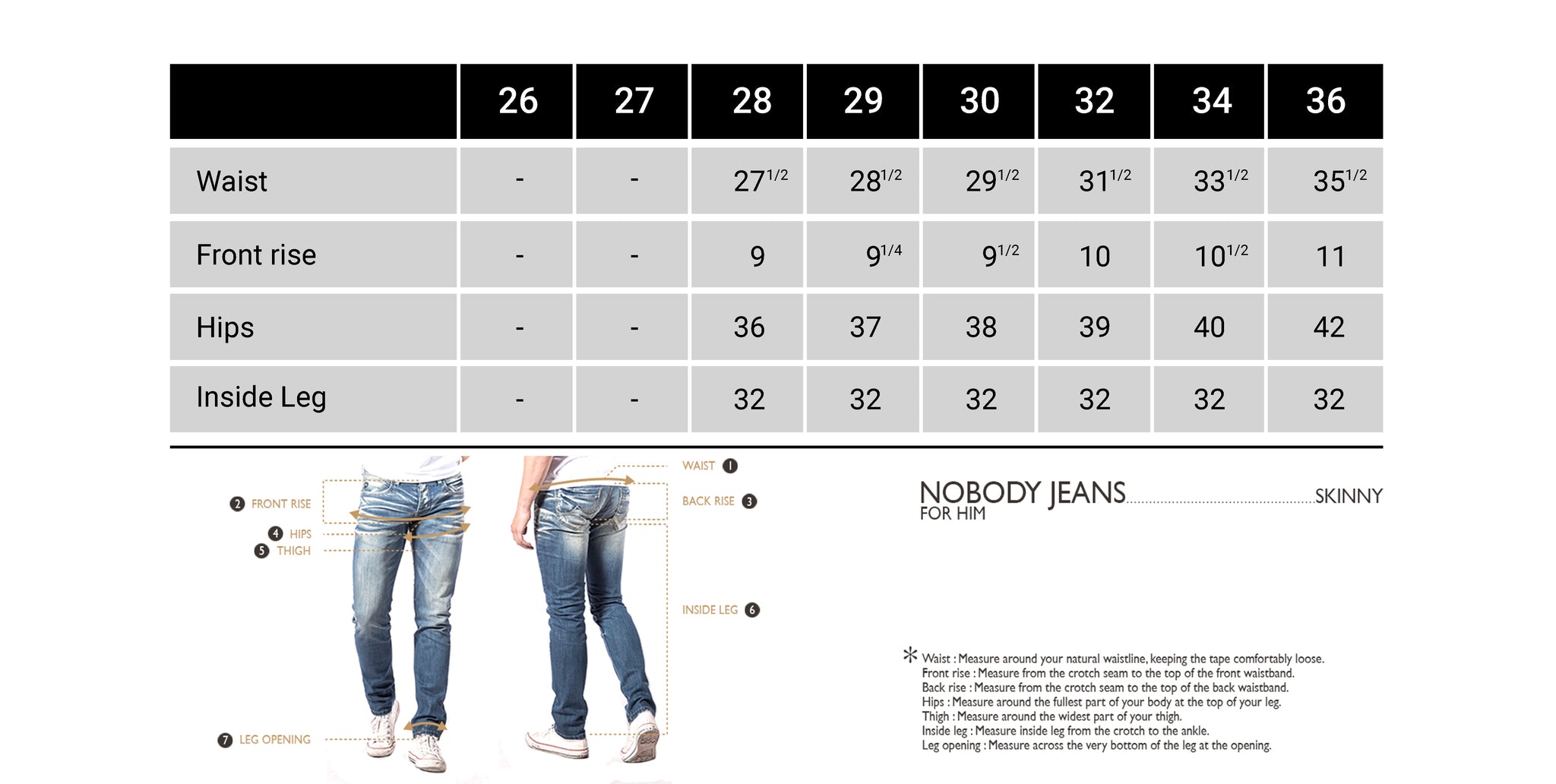
You've likely found yourself searching for a jean size chart at some point, whether it's to double-check a size before ordering online or to understand the measurements listed on a clothing tag. These charts are a handy tool, offering a quick reference for finding your perfect fit, and they can vary slightly depending on the brand and region. With a simple glance, you can navigate the world of denim sizing, ensuring you always get the right pair of jeans.
Understanding Size Charts: A Guide to Jean Sizing
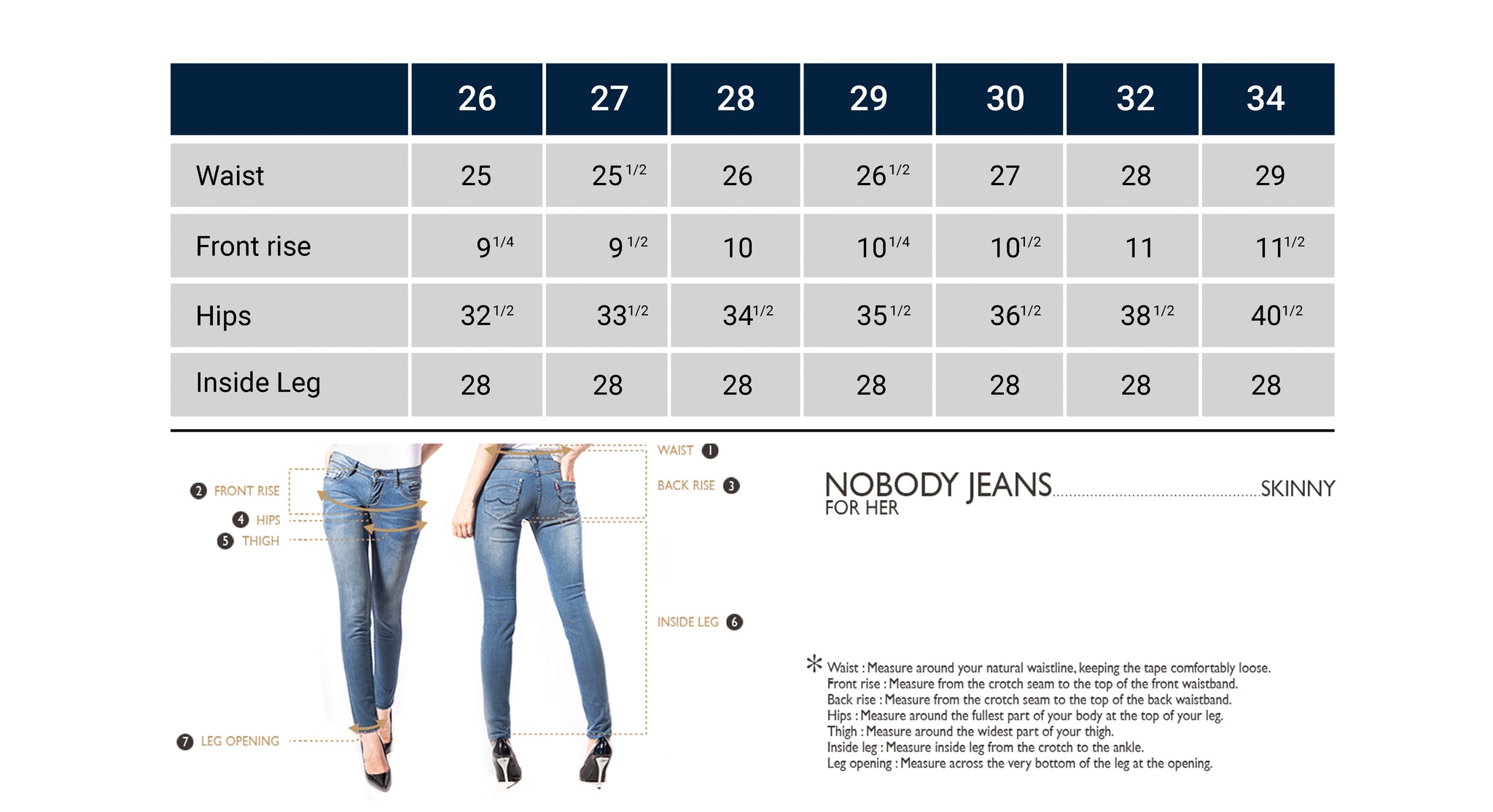
The jean size chart is a handy tool that simplifies the process of finding your perfect fit in denim. This chart provides a standardized way to determine your jean size, making it easier to shop for jeans, both in-store and online. It offers a quick reference for waist and hip measurements, ensuring you choose the right size for your body.
Comparing Standards and Formats
Jean size charts can vary depending on the region and manufacturer. The most common standards are the US and international (metric) systems, each with its own set of measurements and size labels. US sizes are often based on waist size, while international sizes may use a combination of waist and hip measurements. It's essential to know which standard a chart follows to ensure accurate sizing.
Step-by-Step Guide: Measuring for Jeans
To use a jean size chart accurately, follow these steps:
- Gather a measuring tape and stand in a comfortable position. Ensure the tape is straight and not twisted.
- Measure your waist at the narrowest point, usually just above your belly button. This is your waist size.
- Optionally, measure your hip at its widest point, typically around the hip bones. This measurement is crucial for a precise fit, especially for curvier figures.
- Refer to the jean size chart and locate your waist size. Some charts may also provide a hip size range for each waist size, ensuring a better fit.
- Choose the size that corresponds to your measurements. If your waist and hip measurements fall into different size categories, select the size that accommodates your hip measurement to ensure comfort and a flattering fit.
Avoiding Misreadings and Pitfalls
One common mistake is assuming all jean size charts are universal. Always check the standard and units used on the chart. For instance, a US size 8 may not align with an international size 8. Additionally, remember that jeans can stretch over time, so consider choosing a size that feels slightly snug initially.
Factors Affecting Accuracy
Several factors can influence the accuracy of a jean size chart. Firstly, body shape and proportions vary greatly, so a single chart may not cater to all body types. Secondly, denim fabric can stretch and shrink, especially with frequent wear and washing. To account for this, some charts provide a size range or suggest choosing a size down for a more tailored look. Lastly, manufacturing variations can lead to slight size discrepancies between brands. Always refer to the brand's size guide for specific tolerances.
Adapting the Chart for Your Needs
If you prefer a more tailored fit, consider using a pant size calculator or a detailed clothing size chart that considers multiple body measurements. These tools offer a precise fit by accounting for various body dimensions. Alternatively, for a quick and convenient option, stick to the standard jean size chart, which provides a good starting point for finding your size.
Well, there you have it! A comprehensive guide to jean sizes, covering all the bases and offering a practical solution for your sizing needs.
Remember, while this chart is a fantastic tool, it's always wise to double-check your specific requirements and context. Exact values can vary, so ensure you're using the right standards and measurements for your situation. With this guide, you're well-equipped to navigate the world of jean sizes confidently.
Consider bookmarking this page for future reference; it'll be a handy resource whenever you need to size up your denim game!
Related: Aritzia Size Chart: Your Easy Reference Guide
An Aritzia size chart is your go-to resource for navigating the brand's sizing with ease. This guide will show you how to use it effectively, ensuring you find the perfect fit for your favorite Aritzia pieces. From understanding the measurements to knowing the brand's unique sizing system, we'll cover it all.
Understanding the Ariztia Size Chart: Your Guide to Perfect Fit
The aritzia size chart is your go-to tool for finding the right fit in Ariztia clothing. It's a simple yet effective way to ensure you get the perfect size every time. This chart provides a clear overview of the brand's size range and helps you understand your ideal measurements.
Comparing Size Standards: US vs. International
Ariztia's size chart follows the standard US sizing system, which is commonly used in North America. However, it's important to note that clothing measurements can vary slightly between brands and regions. If you're used to international sizing, you may find a slight difference in the fit. The chart offers a size conversion guide to help you navigate these variations.
How to Use the Ariztia Size Chart: A Step-by-Step Guide
Measure yourself accurately: Take your measurements using a measuring tape. Focus on the key areas: bust, waist, and hips. These measurements are crucial for finding the right size.
Refer to the size chart: Locate your measurements on the chart. The chart provides a range of sizes, typically from XS to XXL. Find the size that aligns with your bust, waist, and hip measurements.
Consider the style: Different clothing styles may have varying fits. Some styles may run smaller or larger, so pay attention to the aritzia fit guide notes on the chart. These notes provide valuable insights into how a particular style fits and can help you make an informed choice.
Double-check the size: If you're between sizes, it's always a good idea to go up a size. Ariztia's clothing tends to fit true to size, but it's better to err on the side of comfort. Trust your measurements and the chart to guide you towards the perfect fit.
Common Misreadings and How to Avoid Them
One common pitfall is assuming that all brands follow the same sizing standards. While Ariztia's size chart is reliable, it's essential to remember that clothing measurements can vary. Always refer to the specific brand's size guide to avoid any surprises.
Additionally, pay attention to the style of the clothing. Some styles, like tailored dresses or skinny jeans, may have a different fit than you expect. The aritzia size chart provides helpful notes to guide you, but it's always a good idea to read the product description for any specific fit details.
By following these simple steps and being mindful of potential variations, you'll master the art of using the aritzia size chart to achieve a perfect fit every time you shop with Ariztia.
Well, there you have it! A handy guide to navigating the Ariztia size chart with ease. Remember, while the basics remain the same, there might be slight variations depending on the specific item and its unique fit.
Feel free to explore other guides on our site for more practical tips and tricks. We've got you covered with simple, straightforward advice to make your shopping experience a breeze!